How Long To Cook Frozen Enchiladas In The Oven Made Simple
Cooking frozen enchiladas in the oven is simple and saves time on busy weeknights. Most frozen enchiladas need 35 to 45 minutes at 375°F to cook through and get bubbly cheese on top. This guide covers oven temperature, timing tips, and tricks to make sure your frozen enchiladas turn out perfectly baked every single time.
There’s nothing quite like a warm, cheesy enchilada straight from the oven. And the best part? You don’t need to thaw them first. How long to cook frozen enchiladas in the oven is a question many home cooks ask, especially when dinner time sneaks up fast. Whether you’re feeding a family of four or hosting a casual gathering, knowing the right oven temperature and timing makes all the difference.
This guide walks you through everything you need to know. From the basic cooking time to pro tips that elevate your oven-baked enchiladas, you’ll find practical advice here. We’ll cover temperatures, covering tricks, and how to tell when your frozen enchiladas are done to perfection. No guesswork. No stress. Just great food on the table.
Key Takeaways
- Standard cooking time: Most frozen enchiladas take 35 to 45 minutes at 375°F in a regular oven.
- Preheating matters: Always preheat your oven before placing enchiladas inside for even cooking.
- Cover with foil: Use aluminum foil for the first half of cooking to trap moisture and prevent drying.
- Check internal temperature: The enchiladas should reach 165°F internally to be safe to eat.
- Add cheese last: If your frozen enchiladas don’t come with cheese on top, add it in the last 10 minutes for a golden finish.
- Let them rest: Allow enchiladas to sit for 5 to 10 minutes after baking for cleaner slices and better flavor.
- No thawing needed: You can cook enchiladas straight from the freezer, but thawing reduces cooking time slightly.
📑 Table of Contents
- Why Cook Frozen Enchiladas in the Oven?
- How Long To Cook Frozen Enchiladas In The Oven
- Step-by-Step Instructions for Baking Frozen Enchiladas
- Tips for Perfectly Baked Enchiladas Every Time
- Common Mistakes to Avoid
- Expert Insights on Oven-Baked Enchiladas
- Nutritional and Practical Considerations
- Frequently Asked Questions
- Conclusion
Why Cook Frozen Enchiladas in the Oven?
Frozen enchiladas are a lifesaver for busy weeknights. They’re a quick frozen dinner option that feels like a home-cooked meal. Instead of ordering takeout, you can have a warm, satisfying dish ready in under an hour. The oven does all the work for you.
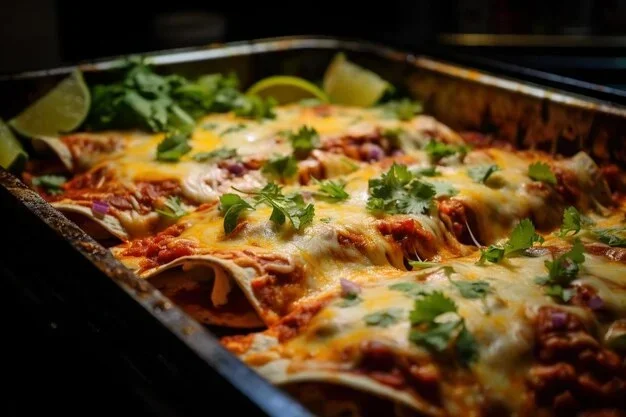
Using the oven also gives you that classic baked texture. The edges get slightly crispy, the cheese melting on top turns golden, and the enchilada sauce thickens as it bubbles. No microwave can replicate that. Plus, cooking from frozen means less prep and fewer dishes to wash.
Convenience Factor
Freezer meals are a game-changer for meal prep. You can make a batch on Sunday, freeze them, and pull one out any night of the week. When you’re tired after work, the last thing you want is to spend an hour in the kitchen. Frozen enchiladas solve that problem beautifully.
Oven vs. Other Methods
You could microwave frozen enchiladas, but the texture suffers. The tortilla gets soggy, and the cheese doesn’t brown. Stovetop cooking works for some dishes but not for enchiladas. The oven delivers consistent heat from all sides. This ensures the enchilada filling heats through evenly while the outside gets that perfect baked finish.
How Long To Cook Frozen Enchiladas In The Oven
The short answer is 35 to 45 minutes at 375°F. But several factors can change that time. The size of your oven-safe dish, whether you cover the dish, and how thick the enchiladas are all play a role. Let’s break it down so you can nail it every time.
Standard Time and Temperature
For most frozen enchiladas, set your oven to 375°F. Place them in the center rack for even heat distribution. The standard cooking time is 35 minutes if covered with foil, or 40 to 45 minutes if left uncovered.
If you’re cooking a larger batch, you might need to add 5 to 10 extra minutes. A deep dish holds more cold mass, so it takes longer to heat through. Trust your instincts and always check the internal temperature before serving.
What Affects Cooking Time?
Several things can make your bake enchiladas time shorter or longer:
- Dish size: A wider, shallower dish cooks faster than a deep, narrow one.
- Number of enchiladas: More enchiladas means more mass to heat through.
- Oven accuracy: Some ovens run hot or cold. An oven thermometer helps.
- Whether you thaw first: Thawed enchiladas cook about 10 to 15 minutes faster.
- Sauce and cheese amount: More sauce adds moisture and can slightly extend cooking time.
Thawed vs. Frozen: Time Comparison
Cooking thawed oven-baked enchiladas takes less time because you’re starting from a warmer state. Thawed enchiladas typically need 25 to 30 minutes at 375°F. Frozen ones need the full 35 to 45 minutes. Both methods work well, but cooking from frozen saves you the extra step of thawing.
Step-by-Step Instructions for Baking Frozen Enchiladas
Follow these simple steps to get perfect frozen enchiladas every time. The process is straightforward, and you’ll have a delicious meal ready before you know it.
Step 1: Preheat the Oven
Start by preheating oven to 375°F. This is a crucial step many people skip. Putting cold enchiladas into a cold oven leads to uneven cooking. The outside might dry out while the center stays frozen. Give your oven at least 10 to 15 minutes to reach the right temperature.
Step 2: Prepare Your Baking Dish
Grab an oven-safe dish that fits your enchiladas snugly. A 9×13-inch pan works great for most standard batches. Lightly grease the dish with a thin layer of oil or cooking spray. This prevents sticking and makes cleanup easier.
Step 3: Arrange the Enchiladas
Place the frozen enchiladas seam-side down in the dish. Don’t stack them on top of each other. You want each one to have good air circulation around it. If they fit snugly in a single layer, even better.
Step 4: Add Sauce and Cheese
Pour enchilada sauce over the top of each enchilada. Use about a 1/2 cup of sauce per dozen enchiladas. If your frozen enchiladas already come with sauce, you can add a little extra for moisture. Sprinkle shredded cheese on top if you like a golden, bubbly finish.
Step 5: Cover with Foil
Tent a piece of aluminum foil over the dish. Don’t let the foil touch the cheese directly, as it can stick. The foil traps steam and keeps the enchiladas moist during the first half of cooking. This is one of the best cooking tips for oven-baked dish success.
Step 6: Bake and Uncover
Place the dish in the center of the oven. Bake for 20 minutes with the foil on. Then remove the foil and bake for another 15 to 25 minutes. The total cooking time should be 35 to 45 minutes depending on your oven and the size of your batch.
Step 7: Check for Doneness
Poke the center enchilada with a knife. It should slide in easily with no resistance. Use a food thermometer to check the internal temperature. The internal temperature should read 165°F in the thickest part. If not done, give them another 5 to 10 minutes.
Step 8: Rest Before Serving
Take the dish out of the oven and let it sit for 5 to 10 minutes. This resting period allows the cheese melting to set slightly, making the enchiladas easier to cut and serve. It also lets the flavors settle and the sauce thicken a bit more.
Tips for Perfectly Baked Enchiladas Every Time
Getting great results from frozen enchiladas isn’t just about time and temperature. Small details make a big difference. Here are some cooking tips that separate good enchiladas from great ones.
Use the Right Sauce
The sauce you use matters more than you might think. Red sauce, green sauce, and mole all bring different flavors to your enchilada recipe. If your frozen enchiladas come with sauce packets, they work fine. But homemade or store-bought quality sauce takes the dish to the next level.
Don’t Skip the Cheese Layer
Cheese on top does more than add flavor. It creates a protective layer that keeps the tortillas moist during baking. Use a mix of cheddar and Monterey Jack for the best cheese melting texture. If your enchiladas are already topped with cheese, you can skip adding more during baking.
Add Fresh Toppings After Baking
Fresh ingredients taste best when added after the oven-baked enchiladas come out. Think diced onions, fresh cilantro, sour cream, and sliced jalapeños. These add a bright contrast to the warm, rich flavors of the baked dish.
Rotate the Dish Halfway Through
Most home ovens have hot spots. Rotating the dish 180 degrees at the halfway point ensures even bake enchiladas color and temperature. This simple move prevents one side from getting overcooked while the other stays cold.
Reheating Leftovers
Got leftover oven-baked dish enchiladas? Reheating them in the oven at 350°F for 10 to 15 minutes works better than microwaving. Cover with foil to keep them from drying out. The oven keeps the tortilla texture intact, which the microwave just can’t do.
Freezer Storage Tips
If you’re making enchiladas ahead of time for meal prep, wrap them tightly in plastic wrap and foil before freezing. They’ll keep for up to 3 months in the freezer. Label them with the date so you always know how long they’ve been stored.
Common Mistakes to Avoid
Even experienced cooks make mistakes when preparing frozen enchiladas. Knowing what to avoid saves time, food, and frustration. Here are the most common errors people make.
Skipping the Preheat
Putting enchiladas into a cold oven is the number one mistake. The preheat oven step ensures consistent heat from the moment the dish goes in. Without it, you end up with unevenly cooked enchiladas that take longer to finish.
Overcrowding the Dish
It’s tempting to fit as many enchiladas as possible into one pan. But cramming them together blocks airflow and creates soggy spots. Give each enchilada room to breathe. If you need to cook more, use a second dish or bake in two batches.
Leaving Foil On Too Long
The foil cover is essential for the first half of cooking. But leaving it on the entire time steams the enchiladas instead of baking them. You lose that golden, slightly crispy top you’re looking for. Remove the foil for the last 15 to 25 minutes to get the right texture.
Not Checking the Temperature
Guessing whether enchiladas are done leads to either undercooked or overcooked results. A simple food thermometer takes the guesswork out. The internal temperature of 165°F is the food safety standard. Don’t skip this step, especially when cooking frozen dinner items.
Cutting Too Soon
It’s tempting to cut into hot enchiladas the moment they come out. But they need that resting time. Cutting too early causes the filling to spill out and the sauce to run everywhere. Patience pays off with cleaner slices and better presentation.
Expert Insights on Oven-Baked Enchiladas
Professional chefs and home cooking experts agree on a few key principles for oven-baked enchiladas. These insights come from years of experience and can help you elevate your cooking.
The Steam Factor
Chef Maria Torres, a Mexican cuisine specialist, explains that steam is the secret to tender enchiladas. “The foil cover creates a mini steam oven inside your dish,” she says. “This keeps the tortillas soft and pliable instead of drying out.” She recommends removing the foil only for the final browning stage.
The Importance of Resting
Resting isn’t just for steaks. Oven-baked dish enchiladas benefit from a short rest after baking. During this time, the enchilada filling sets, the sauce thickens, and the cheese firms up slightly. Five to ten minutes makes a noticeable difference in both texture and flavor.
Temperature Variations by Oven Type
Convection ovens cook faster than conventional ovens. If you have a convection setting, reduce the temperature by 25°F. So instead of 375°F, use 350°F for convection. The cooking time may also drop by 5 to 10 minutes. Always check for doneness early when using a convection oven.
Batch Cooking Wisdom
For large gatherings, cooking multiple pans at once is efficient. But don’t stack pans on top of each other in the oven. Air needs to flow around each dish for even bake enchiladas results. If your oven is small, rotate pans between racks halfway through cooking.
Nutritional and Practical Considerations
Frozen enchiladas aren’t just convenient. They can be part of a balanced meal when prepared thoughtfully. Understanding what goes into your enchilada recipe helps you make informed choices about what to serve alongside them.
A typical serving of oven-baked enchiladas contains protein from the filling, carbohydrates from the tortilla, and calcium from the cheese. Adding a side of rice, beans, and a fresh salad creates a well-rounded meal. Vegetables add fiber and vitamins that balance out the richness of the dish.
For those watching sodium intake, homemade enchilada sauce is a great alternative to store-bought versions. You control the salt content and can use fresh ingredients for better flavor. This small change makes a big difference in the overall nutritional profile of your meal.
Meal prep enthusiasts love frozen enchiladas because they fit perfectly into a weekly routine. Cook a batch on Sunday, portion them out, and freeze individually. On busy nights, you just grab one, pop it in the preheat oven, and have dinner in under an hour. It’s one of the easiest ways to maintain healthy eating habits without spending hours in the kitchen.
Frequently Asked Questions
Can I cook frozen enchiladas without thawing them first?
Yes, you absolutely can. Cooking frozen enchiladas straight from the freezer is perfectly safe and actually recommended by most manufacturers. Just add a few extra minutes to the cooking time compared to thawed ones. The oven will handle the thawing and cooking process simultaneously.
What temperature should I set my oven to for frozen enchiladas?
Set your oven to 375°F for the best results. This temperature allows the enchiladas to cook through evenly while getting a nice golden top. If your oven tends to run hot, drop it down to 350°F and check for doneness a few minutes early.
How do I know when frozen enchiladas are done?
The internal temperature should reach 165°F when checked with a food thermometer in the center. The sauce should be bubbling around the edges, and the cheese on top should be melted and slightly golden. The tortillas should be soft and pliable, not hard or crunchy.
Can I use a glass baking dish instead of metal?
Yes, glass oven-safe dish works great for oven-baked enchiladas. Glass heats more slowly than metal, so you might need to add 5 extra minutes to the cooking time. Glass also retains heat well, which keeps enchiladas warm longer at the table.
How long do cooked frozen enchiladas last in the refrigerator?
Leftover oven-baked dish enchiladas stay fresh in the refrigerator for 3 to 4 days when stored in an airtight container. Reheat them in the oven at 350°F for 10 to 15 minutes covered with foil. Avoid microwaving if you want to maintain the best texture.
Can I add extra toppings before baking frozen enchiladas?
You can add toppings like sliced olives, diced tomatoes, or extra sauce before baking. However, avoid adding ingredients with high water content, like fresh tomatoes, as they can make the enchiladas soggy. Fresh herbs and shredded cheese are the best additions before baking goes into the preheat oven stage.
Conclusion
How long to cook frozen enchiladas in the oven comes down to a few simple factors. Most batches need 35 to 45 minutes at 375°F. Always preheat oven before baking, cover with foil for the first half, and check the internal temperature to be sure they’re safe to eat.
With the right cooking tips and a little patience, your frozen enchiladas will turn out just as good as homemade. The oven delivers that perfect baked texture with crispy edges and bubbly cheese on top. Whether you’re cooking for one or feeding a whole family, this method works every time.
Now you have all the information you need to make delicious oven-baked enchiladas from frozen. No thawing required, no complicated steps. Just set the temperature, set the timer, and enjoy a warm, satisfying meal. Your enchilada recipe nights just got a whole lot easier.