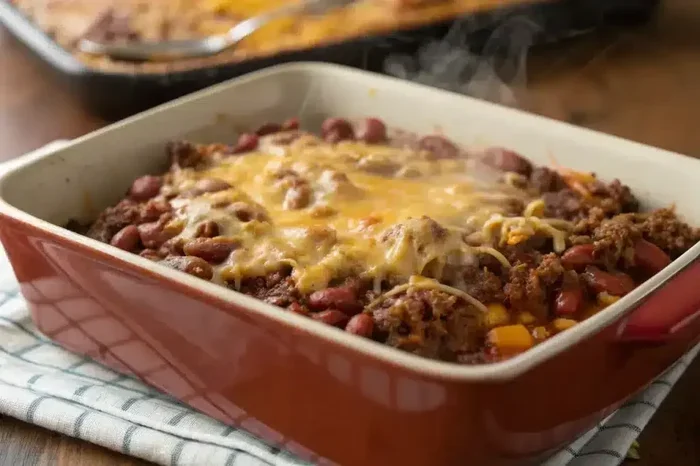
How To Bake Baked Beans In The Oven For Perfect Results
Discover how to bake baked beans in the oven for a hands-off, flavorful side dish. This guide covers everything from choosing the right beans to achieving a perfectly crispy top, so you can serve tender, smoky oven-baked beans every time.
There is something deeply comforting about a pot of baked beans simmering on the stove. But if you have ever tried to keep an eye on them, you know it can be a chore. Stovetop beans need constant stirring, and they can scorch easily. That is why so many home cooks are turning to the oven. Oven-baked beans free you from the kitchen, letting you focus on other parts of the meal while the flavors meld slowly.
Baking baked beans in the oven is not just a shortcut. It is a method that produces incredibly tender beans with a rich, glossy sauce. The gentle, even heat of the oven cooks the beans uniformly, and the covered dish traps moisture so nothing dries out. Whether you are making a classic pork and beans side or a hearty vegetarian version, the oven delivers consistent results every time.
In this guide, I will walk you through everything you need to know about how to bake baked beans in the oven. You will learn the best ingredients, the ideal oven temperature, and simple tips for a perfect finish. By the end, you will feel confident making a big batch of homemade baked beans that your whole family will love.
Key Takeaways
- Oven-baked beans are hands-off and forgiving: You just mix ingredients, pop the dish in the oven, and let time do the work.
- A low temperature ensures tender beans: Baking at 300°F to 325°F keeps beans from bursting and creates a creamy sauce.
- Bacon, onion, and tomato sauce form the flavor base: These pantry staples build a rich, smoky, and sweet profile.
- The crispy top is optional but delicious: Remove the foil for the last 15 minutes to get a golden, caramelized crust.
- Resting time matters: Letting the beans sit for 10 minutes after baking helps the flavors meld and the sauce thicken.
- You can customize easily: Swap in different beans, add smoked sausage, or adjust sweetness to suit your taste.
📑 Table of Contents
Why Oven-Baked Beans Are the Best Method
When you think of baked beans, you might picture a stovetop pot or a slow cooker. But the oven offers unique advantages that make it my favorite method. It is simple, hands-off, and gives you a beautiful result with very little effort.
The Benefits of Baking Beans in the Oven
First, the oven provides even heat. Unlike a stovetop burner that can create hot spots, an oven surrounds the dish with warmth from all sides. This means every bean cooks at the same rate. You will not find a mix of mushy and crunchy beans in the same pot.
Second, baking beans in the oven is truly set-it-and-forget-it. Once your dish is in the oven, you can prep the rest of the meal, set the table, or relax. Most oven-baked beans recipes call for about 2 to 3 hours of baking time. That is plenty of time to do other things while the kitchen smells amazing.
Third, the oven allows you to build a flavorful sauce right in the baking dish. The beans simmer in their own liquid, absorbing all the seasonings. The result is a cohesive, savory dish with a depth of flavor that is hard to achieve on the stovetop. The slow baking also concentrates the sauce naturally, giving you a rich, glossy finish without reducing on the burner.
Oven-Baked Beans vs. Stovetop or Slow Cooker
So how do oven-baked beans compare to other methods? A stovetop version requires you to stay near the stove, stirring frequently to prevent sticking. It works, but it demands attention. A slow cooker is also hands-off, but it can sometimes produce beans that are too soft or lack a caramelized quality.
Oven-baked beans strike the perfect balance. They are tender but not mushy, and they develop a slightly thicker sauce because the oven gently evaporates excess liquid over time. Plus, you can finish them under the broiler for a crispy top, which a slow cooker simply cannot do. The table below shows how the methods stack up.
| Method | Hands-On Time | Texture | Best For |
|---|---|---|---|
| Oven-Baked | 15 minutes | Tender with a thick sauce | Set-it-and-forget-it meals |
| Stovetop | 45–60 minutes | Good, but can scorch | Quick, small batches |
| Slow Cooker | 10 minutes | Very soft, soupy | All-day cooking |
As you can see, the oven method wins for flavor and texture with minimal effort. It is no wonder that homemade baked beans from the oven are a staple at barbecues and family dinners.
Ingredients You’ll Need for Perfect Oven-Baked Beans
The beauty of baked beans is that you probably already have most of the ingredients in your pantry. You do not need anything fancy. The magic comes from combining simple items in the right proportions to create a sweet and savory masterpiece.
The Bean Base
The foundation of any oven-baked beans recipe is the beans themselves. Navy beans are the classic choice. They are small, creamy, and hold their shape well during long baking. If you prefer a slightly firmer bean, great northern beans or cannellini beans work beautifully too. Each variety brings a slightly different texture, but all behave well in the oven.
You can use dried beans that you have soaked overnight, or canned beans for convenience. Dried beans give you more control over texture and flavor, but canned beans save a lot of time. If you use canned, give them a quick rinse to remove excess sodium. For a bean casserole style, you can even mix two types of beans for added interest.
The Flavor Builders
A great pot of baked beans needs layers of flavor. The base usually includes diced bacon or pork belly, which renders fat and adds smokiness. Sautéed onion and minced garlic build a savory foundation. Then come the sauces that tie everything together.
Tomato sauce provides a rich, tangy backdrop. Molasses or dark brown sugar adds sweetness and depth. A splash of apple cider vinegar brightens the dish and cuts through the richness. Worcestershire sauce and a touch of mustard bring a subtle kick. Ketchup is a common addition that adds body and tomato flavor. These ingredients create that classic sweet and savory profile that everyone loves. You can also add a pinch of smoked paprika for extra depth.
Sweet and Savory Balance
Getting the balance right is key. Too much sugar and your oven-baked beans will taste like candy. Too little and they will be flat. A good rule of thumb is to use a ratio of about 2 parts tomato-based sauce to 1 part sweetener. Taste the mixture before baking and adjust the sweetness with a little more molasses or brown sugar if needed.
Salt and pepper are essential. Add them gradually, tasting as you go. The bacon and any added pork will bring saltiness, so you may not need as much extra salt as you think. A tiny splash of vinegar at the end of cooking can lift the entire dish and make the flavors pop.
Step-by-Step Instructions for Baking Baked Beans in the Oven
Now that you have your ingredients ready, it is time to put them together. Follow these steps for how to bake baked beans in the oven with perfect results every time.
Preparing the Beans
If you are using dried beans, start by soaking them overnight in cold water. Drain and rinse them before using. This step reduces cooking time and helps the beans cook evenly. If you are using canned beans, simply drain and rinse them under cool water to remove the preserving liquid.
Preheat your oven to 300°F (150°C). While the oven heats, grab a medium-sized baking dish or a deep casserole. A ceramic or glass dish works best because it distributes heat gently. Avoid metal pans that can cause the bottom to overheat. Make sure your dish is oven-safe and deep enough to hold the beans with at least an inch of sauce on top.
Building the Flavor
In a skillet over medium heat, cook diced bacon until it is crispy. Remove the bacon bits and set them aside, leaving the rendered fat in the pan. Add chopped onion to the fat and cook until it is soft and translucent, about 5 minutes. Stir in minced garlic and cook for another minute until fragrant.
Transfer the onion mixture to the baking dish. Add the drained beans, tomato sauce, molasses, brown sugar, Worcestershire sauce, mustard, and vinegar. Stir gently to combine. The beans should be submerged in a rich, dark sauce. Taste the liquid now and adjust seasoning if needed. Remember, the flavors will concentrate as the beans bake.
Nestle the crispy bacon bits into the top of the bean mixture. This gives you little pockets of smoky flavor throughout the dish. If you want a heartier version, you can add sliced smoked sausage or ham chunks at this stage. A touch of ketchup can also be stirred in for extra body and color.
Baking Time and Temperature
Cover the baking dish tightly with aluminum foil, creating a foil tent that traps steam. The foil tent is crucial because it keeps the beans moist and prevents the top from drying out too early. Place the dish in the preheated oven and bake for 2 to 2.5 hours. The low temperature ensures the beans cook slowly and absorb all the flavors without breaking apart.
After the first 2 hours, check the beans. They should be tender but not falling apart. The sauce should have thickened slightly. If the liquid seems too thin, remove the foil and bake for an additional 15 to 30 minutes. This also allows the top to begin to caramelize. The total oven-baked beans time depends on whether you started with dried or canned beans.
The Crispy Top Finish
For a beautiful, golden crust, remove the foil during the last 15 minutes of baking. The exposed top will dry out just enough to form a slightly sticky, caramelized layer. Keep an eye on it to prevent burning. You want a light brown color, not blackened bits. This final step transforms a simple pot of beans into a showstopper.
Once the baked beans are done, take them out of the oven and let them rest for 10 minutes. This resting period allows the sauce to thicken further and the beans to settle. The result is a dish with a creamy interior and a slightly crisp top that is absolutely irresistible.
Tips for the Best Oven-Baked Beans
Making homemade baked beans is simple, but a few extra tips can elevate them from good to outstanding. Here are my favorite tricks for perfect results every time.
Choosing the Right Beans
Not all beans are created equal for baking. Navy beans are the traditional choice because they have a mild flavor and creamy texture that absorbs sauces beautifully. Great northern beans are a close second, offering a slightly firmer bite. Cannellini beans work well if you want a heartier, more rustic dish. Avoid using kidney beans or black beans for classic baked beans, as their strong flavor and texture do not suit the dish.
If you are using dried beans, make sure they are fresh. Old dried beans can take much longer to cook and may never become fully tender. Soak them for at least 8 hours, or overnight, and always use fresh water for cooking. The quality of your beans directly affects the final texture.
Low and Slow vs. High Heat
The secret to tender oven-baked beans is low and slow baking. A temperature of 300°F to 325°F is ideal. Higher temperatures can cause the liquid to evaporate too quickly, leaving you with dry, burnt beans on the outside and undercooked beans in the center. Low heat also gives the flavors time to meld and develop complexity.
If you are in a hurry, you can bake at 350°F, but reduce the time to about 1.5 to 2 hours. Check the beans frequently and add a splash of water or broth if the sauce seems too thick. Just remember that the low-and-slow method is what gives you that melt-in-your-mouth texture and a glossy sauce.
Resting and Serving
Do not skip the resting step. Just like a roast or a casserole, baked beans benefit from sitting for a few minutes after coming out of the oven. The residual heat continues to cook the beans gently, and the sauce thickens to the perfect consistency. If you serve them immediately, the sauce will be thinner and the flavors less pronounced.
Serve your oven-baked beans warm. They are fantastic as a side dish alongside grilled meats, mac and cheese, or cornbread. They also make a great main course when piled high with sausages and vegetables. For a buffet, keep them warm in the oven at 200°F with the foil loosely placed over the dish. The resting time also makes them easier to scoop and serve.
Quick Tips for Better Beans
- Use a ceramic baking dish: It retains heat evenly and prevents hot spots.
- Do not skip the bacon fat: It carries flavor into every bean.
- Add a splash of beer: It deepens the savory notes beautifully.
- Balance the sweetness with acid: A little vinegar or mustard brightens the dish.
- Let them sit overnight: Beans always taste better the next day.
Common Mistakes to Avoid
Even experienced cooks can stumble when making oven-baked beans. Here are the most common mistakes and how to avoid them.
Overcooking the Beans
It is easy to go too long, especially if you are not checking on the beans. Overcooked beans turn to mush and lose their shape. The sauce can also become too thick and pasty. To prevent this, start checking the beans at the 2-hour mark. They should be tender but still have a slight bite. If you are using canned beans, they may be done in as little as 1.5 hours.
Skipping the Rest
Pulling the dish out of the oven and serving it immediately can lead to a soupy, loose sauce. The beans need time to absorb the liquid and for the starches to set. Give them at least 10 minutes of rest. If you are making them ahead of time, they will thicken even more as they cool, and you can reheat them gently before serving.
Using the Wrong Dish
A shallow, wide pan will cause the beans to bake unevenly. The top will dry out while the bottom remains undercooked. Use a deep, narrow baking dish or a ceramic casserole that holds heat well. A Dutch oven is also an excellent choice. The key is to have enough depth so that the beans are fully submerged in the sauce, with just a little space at the top for expansion.
Not Tasting Before Baking
Before you put the dish in the oven, taste the liquid. It should be well-seasoned because the flavors will concentrate as the water evaporates. If it tastes bland now, it will taste bland later. Add more salt, a splash of vinegar, or a pinch of sugar as needed. This simple step makes a huge difference in the final result.
Serving Ideas and Delicious Variations
Oven-baked beans are incredibly versatile. Once you master the basic recipe, you can experiment with different flavors and add-ins. Here are some ideas to keep things interesting.
Classic Pairings
The traditional way to serve baked beans is alongside grilled or roasted meats. They are a staple at barbecue cookouts, pairing perfectly with burgers, hot dogs, ribs, and pulled pork. They also work well with roasted chicken or a pot roast for a cozy weeknight dinner.
For a vegetarian meal, serve oven-baked beans with cornbread, coleslaw, and grilled vegetables. The beans provide protein and hearty satisfaction that makes the meal feel complete. A side of crusty bread is great for soaking up the savory sauce. These homemade baked beans also shine as a filling for baked potatoes or as a topping for nachos.
Spicy and Smoky Twists
If you like a kick, add diced jalapeños or a teaspoon of chipotle powder to the sauce. Smoked paprika and a dash of cayenne pepper can transform your baked beans into a spicy, smoky treat. For a BBQ-style variation, stir in a cup of your favorite barbecue sauce and a splash of beer. The beer adds depth and helps tenderize the beans.
Another popular twist is the Boston-style baked beans, which use salt pork and molasses. You can make a similar version by using ham hock or smoked turkey neck for a rich, meaty broth. These variations are perfect for cold weather gatherings and holiday meals. They turn a simple side dish into a memorable main event.
Make-Ahead and Storage
Oven-baked beans are excellent for make-ahead cooking. They taste even better the next day after the flavors have had time to meld. Let the beans cool completely, then store them in an airtight container in the refrigerator for up to 5 days. Reheat gently on the stovetop or in the microwave, adding a splash of water or broth if the sauce has thickened too much.
You can also freeze homemade baked beans for up to 3 months. Portion them into freezer-safe containers, leaving some headspace for expansion. Thaw overnight in the refrigerator and reheat slowly. The beans may soften slightly upon freezing, so they are best used in dishes where a very creamy texture is welcome, such as on baked potatoes or as a dip.
Conclusion
Learning how to bake baked beans in the oven is one of the easiest ways to elevate a simple side dish into something truly special. The oven does all the work for you, producing tender beans with a rich, flavorful sauce and an optional crispy top that everyone loves. With just a few pantry staples and a little patience, you can create homemade baked beans that rival any restaurant version.
Remember to choose the right beans, build layers of flavor with bacon, onion, and savory sauces, and bake low and slow. Avoid common mistakes like overcooking or skipping the rest. And do not be afraid to experiment with spices, smoked meats, or different sweeteners to make the recipe your own. The beauty of this dish is its flexibility.
Next time you are planning a barbecue, a family dinner, or a cozy night in, give oven-baked beans a try. They are the kind of dish that brings people together, filling the kitchen with a warm, inviting aroma. Once you master this method, you will never go back to the stovetop again. Your family and guests will thank you for it.
Frequently Asked Questions
Can I use dried beans instead of canned for oven-baked beans?
Absolutely. Dried beans give you more control over texture and flavor. Just be sure to soak them overnight and cook them until tender before baking. If you skip the soaking, add an extra hour to the baking time and check for doneness frequently.
What temperature is best for baking baked beans in the oven?
A low temperature of 300°F to 325°F works best. It allows the beans to cook slowly and absorb all the flavors without breaking apart. You can bake at 350°F if you are short on time, but keep an eye on them to prevent drying out.
How long do oven-baked beans take to cook?
Most recipes call for 2 to 2.5 hours at 300°F. Canned beans may be done in 1.5 to 2 hours. The beans are ready when they are tender but still hold their shape, and the sauce has thickened to your liking.
Can I make baked beans ahead of time?
Yes, and they actually taste better the next day. Let them cool completely, then store in the refrigerator for up to 5 days. Reheat gently in the oven or on the stovetop, adding a little liquid if needed to loosen the sauce.
What can I add to make my baked beans more interesting?
Try adding smoked sausage, diced jalapeños, a splash of beer, or a spoonful of barbecue sauce. You can also swap the molasses for maple syrup or honey for a different sweet profile. The possibilities are endless.
How do I get a crispy top on my oven-baked beans?
Remove the aluminum foil during the last 15 minutes of baking. This allows the top to dry out slightly and caramelize. Keep a close eye on it so it does not burn. A golden-brown crust adds a wonderful texture contrast to the creamy beans underneath.