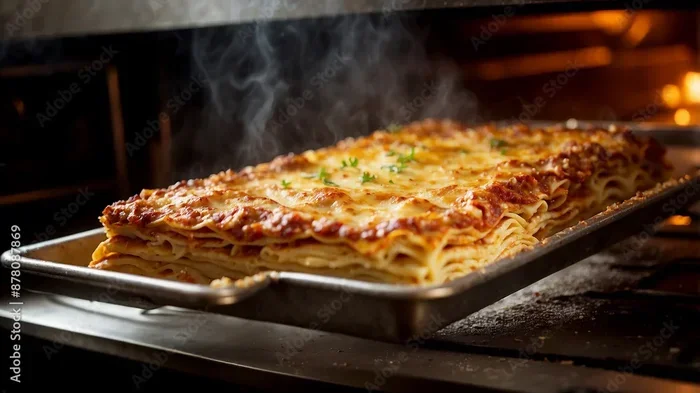
How To Reheat A Whole Lasagna In The Oven Perfectly
Reheating a whole lasagna in the oven is the best way to keep it moist, flavorful, and perfectly baked. This guide covers everything you need to know about how to reheat a whole lasagna in the oven without drying it out or burning the cheese. You will learn the ideal temperature, timing, and simple tricks that make leftover lasagna taste just as good as the first time.
There is nothing quite like a warm slice of lasagna. It is comfort food at its finest. Layers of pasta, rich sauce, creamy cheese, and savory meat all come together in one beautiful dish. But what happens when you have a whole lasagna left over? You want to reheat it without ruining the texture or flavor.
How to reheat a whole lasagna in the oven is a question many home cooks ask. The microwave might seem faster, but it makes the cheese rubbery and the pasta soggy. The oven, on the other hand, brings back the crispy edges and melty cheese that make lasagna so special. This guide will walk you through every step.
Whether you are reheating leftover baked lasagna or a frozen dish straight from the freezer, the oven method works beautifully. You will learn the right temperature, timing, and simple tricks that make a huge difference. By the end, your reheated lasagna will taste almost as good as fresh out of the oven.
Key Takeaways
- Oven reheating beats the microwave: It keeps the lasagna moist and gives you a crispy, golden top.
- 350°F is the sweet spot: This temperature heats evenly without overcooking the edges or drying out the cheese.
- Cover with foil first: Trapping steam keeps the layers soft while the heat works through the dish.
- Let it rest after baking: Allowing the lasagna to sit for 10 to 15 minutes helps it set and makes slicing easier.
- Check the internal temperature: 165°F in the center ensures food safety and even heating.
- Frozen lasagna needs extra time: Plan for 60 to 90 minutes when reheating from frozen.
- Avoid common mistakes: Skipping the foil, using too high heat, and cutting too early ruin the texture.
📑 Table of Contents
- Why Reheating Lasagna In The Oven Is The Best Method
- What You Need Before You Start
- Step By Step Guide To Reheating A Whole Lasagna
- Tips For Getting A Perfect Crispy Top
- Common Mistakes To Avoid When Reheating Lasagna
- How Long To Reheat Lasagna In The Oven
- Expert Insights On Reheating Lasagna
- Key Takeaways
- Frequently Asked Questions
- Conclusion
Why Reheating Lasagna In The Oven Is The Best Method
When it comes to reheat lasagna, the oven is the clear winner. Many people reach for the microwave because it is fast and convenient. But speed comes at a cost. The microwave heats food unevenly. Some bites are scalding hot while others are still cold. The cheese turns rubbery, and the pasta loses its soft texture.
The oven works differently. It surrounds the dish with gentle, even heat. This means every layer gets warmed through. The cheese melts smoothly, the sauce stays rich, and the top can even become slightly crispy. That golden, bubbly crust is something a microwave simply cannot replicate.
Another big advantage of oven reheating is moisture retention. The oven heats food slowly, which allows the layers to hold onto their juices. The result is a leftover lasagna that tastes fresh and layered, not dried out or soggy. If you care about quality, the oven is the way to go.
Here are some key reasons why oven reheating works so well for lasagna reheating:
- Even heat distribution: The oven warms the dish from all sides, not just the top or bottom.
- Better texture: Cheese melts smoothly, pasta stays tender, and the top can crisp up nicely.
- Moisture stays locked in: Covering the dish with foil traps steam and keeps everything juicy.
- Food safety: The oven heats the entire dish to a safe internal temperature more reliably.
- Better for large portions: A whole lasagna fits perfectly in the oven, while microwaves struggle with large dishes.
What You Need Before You Start
Before you begin how to reheat a whole lasagna in the oven, gather a few simple items. You do not need anything fancy. Most of these things are already in your kitchen.
Essential Tools And Equipment
- Oven safe dish: If your lasagna came in a foil pan, you can reheat it right in that. Otherwise, transfer it to a glass or ceramic baking dish.
- Aluminum foil: This is the most important item. Foil creates a seal that traps steam and keeps the lasagna moist.
- Oven mitts: The dish will be hot. Always use protection when handling it.
- A knife or spatula: For checking the internal temperature and serving.
- A food thermometer: This is optional but highly recommended. It takes the guesswork out of reheating.
Preparing Your Lasagna
Proper prep makes a big difference in the final result. If your lasagna is refrigerated, take it out about 15 to 20 minutes before reheating. This lets it come closer to room temperature, which means it heats more evenly. If you are reheating frozen lasagna, do not thaw it first. You can reheat it straight from the freezer.
Remove any plastic wrap or airtight lid from the dish. These trap too much steam and can make the top soggy. If the lasagna is in a disposable aluminum pan, you can reheat it right in that pan. Just make sure the pan is not warped or damaged.
For extra flavor, you can brush a thin layer of olive oil or melted butter on top before covering with foil. This adds a slight richness and helps the cheese brown beautifully. It is a small step that makes a noticeable difference.
Step By Step Guide To Reheating A Whole Lasagna
Now that you are prepared, let us walk through the process of how to reheat a whole lasagna in the oven. Follow these steps carefully for the best results every time.
Step 1: Preheat The Oven
Set your oven to 350°F. This is the ideal temperature for reheating lasagna. It is hot enough to warm the dish through but not so hot that it dries out or burns the edges. Let the oven reach the target temperature before you put the lasagna in. This usually takes about 10 minutes.
Do not skip the preheating step. Putting a cold dish into a cold oven leads to uneven heating. The outside overcooks while the center stays cold. A preheated oven ensures consistent results from edge to center.
Step 2: Cover The Dish With Foil
Place the lasagna in the oven on the middle rack. Cover it tightly with aluminum foil. The foil creates a steamy environment that keeps the moisture locked inside. Without the foil, the top dries out quickly, and the cheese turns hard and crusty.
If you want a crispier top, you can remove the foil for the last 10 to 15 minutes of cooking. This lets the surface brown and bubble. But during the main reheating phase, keep the foil on at all times.
Step 3: Heat For 25 To 35 Minutes
For a refrigerated whole lasagna, heat it for about 25 to 35 minutes. For a frozen lasagna, you will need longer, around 60 to 90 minutes. The exact time depends on the size of the dish and how cold it was to start.
Check the lasagna halfway through. If the edges look like they are browning too fast, you can loosely tent the foil for extra protection. This prevents the top from burning while the center continues to warm.
Step 4: Check The Internal Temperature
Use a food thermometer to check the internal temperature. Insert it into the center of the lasagna, avoiding the edges. You want the center to reach 165°F. This is the safe temperature for reheated food according to food safety guidelines.
If the center is still cold, cover the dish back up and heat for another 5 to 10 minutes. Check again until it reaches the right temperature. Do not rely on appearance alone. The top might look hot while the center is still cold.
Step 5: Let It Rest Before Serving
Once the lasagna reaches 165°F, remove it from the oven. Take off the foil carefully to avoid steam burns. Let the dish rest on the counter for 10 to 15 minutes before cutting into it.
Resting is important. It allows the layers to set and makes slicing much easier. If you cut too soon, the lasagna falls apart and the cheese stretches in messy strings. Patience pays off with clean, beautiful slices.
Tips For Getting A Perfect Crispy Top
A great reheated lasagna has a slightly crispy, golden top. That contrast between the crunchy surface and the soft, cheesy interior is what makes lasagna so satisfying. Here is how to achieve that perfect finish.
Remove The Foil At The End
The single most effective trick is to remove the foil during the last 10 to 15 minutes of reheating. This exposes the top to direct oven heat, which browns the cheese and creates that satisfying crunch. Just make sure the center is already hot before you uncover it. Otherwise, the top burns while the inside is still cold.
Use The Broiler For Extra Browning
If you want an even crispier top, switch your oven to the broil setting for the final 2 to 3 minutes. Watch it closely. The broiler works fast and can go from golden to burnt in seconds. This technique gives you restaurant-quality results at home.
Brush With A Little Oil Or Butter
Before you remove the foil, brush a thin layer of olive oil or melted butter on the top surface. This promotes browning and adds a subtle richness. It also helps the cheese melt into a beautiful, bubbly crust.
Use Fresh Cheese As A Finishing Touch
For an extra special touch, sprinkle a handful of fresh mozzarella or parmesan on top during the last 5 minutes of reheating. This adds a creamy, melty layer that elevates the whole dish. It is a great way to breathe new life into leftover lasagna.
Common Mistakes To Avoid When Reheating Lasagna
Even with the best intentions, it is easy to make mistakes when reheating lasagna. Here are the most common errors and how to avoid them.
Using The Microwave Instead Of The Oven
The microwave is the number one mistake people make. It heats unevenly and ruins the texture of the cheese and pasta. The microwave might be faster, but the quality loss is not worth it. Reserve the microwave for emergencies only.
Setting The Oven Too High
Some people crank the oven up to 400°F or higher, thinking it will reheat faster. This is a bad idea. High heat dries out the edges before the center is warm. Stick to 350°F for even, gentle heating that preserves moisture.
Forgetting To Cover With Foil
Skipping the foil is the fastest way to end up with a dry, overcooked lasagna. The foil traps steam and keeps the layers moist. Without it, the top hardens and the sauce evaporates. Always cover the dish, at least for the majority of the reheating time.
Cutting Into The Lasagna Too Soon
It is tempting to slice into the lasagna the moment it comes out of the oven. Resist that urge. The lasagna needs time to rest so the layers can set. Cutting too early leads to a messy, falling-apart dish that is hard to serve.
Not Checking The Temperature
Guessing whether the lasagna is hot enough is risky. The center might still be cold even if the top looks ready. A food thermometer takes away all the guesswork and ensures food safety. It is a small tool that makes a big difference.
Reheating Lasagna Multiple Times
Never reheat leftover lasagna more than once. Each reheating cycle reduces the quality and increases the risk of foodborne illness. Only reheat what you plan to eat in one sitting. Store the rest properly in the refrigerator or freezer.
How Long To Reheat Lasagna In The Oven
Timing depends on whether your lasagna is refrigerated or frozen. Here is a simple breakdown to guide you.
| Lasagna Type | Oven Temp | Time With Foil | Time Without Foil | Total Time |
|---|---|---|---|---|
| Refrigerated Whole Lasagna | 350°F | 25 to 35 minutes | 10 to 15 minutes | 35 to 50 minutes |
| Frozen Whole Lasagna | 350°F | 45 to 60 minutes | 15 to 20 minutes | 60 to 90 minutes |
| Refrigerated Half Lasagna | 350°F | 15 to 20 minutes | 8 to 10 minutes | 23 to 30 minutes |
| Frozen Half Lasagna | 350°F | 30 to 45 minutes | 10 to 15 minutes | 40 to 60 minutes |
These times are approximate. The actual time depends on the depth of the dish, the type of oven, and how cold the lasagna was to start. Always use the food thermometer to confirm the center reaches 165°F.
For frozen lasagna, the foil-on phase is especially important. The steam generated under the foil helps thaw and heat the frozen layers gently. Rushing this step by removing the foil too early leads to an uneven result.
If you are reheating a deep dish lasagna, add a few extra minutes to the time. Deeper dishes take longer for the heat to penetrate to the center. Check the temperature at multiple points if your dish is especially thick.
Expert Insights On Reheating Lasagna
Professional chefs and food experts agree that oven reheating is the gold standard for reheat lasagna. Chef Marco Scortino, a well-known Italian cuisine specialist, often advises his students to treat leftover lasagna with the same care as a fresh dish. He says, “The oven brings back the magic. The layers separate cleanly, the cheese melts beautifully, and the sauce stays rich.”
Food safety experts also emphasize the importance of reaching 165°F in the center. The USDA recommends this temperature for all reheated foods to eliminate harmful bacteria. A simple food thermometer makes compliance easy and gives you peace of mind.
Another expert tip from culinary schools is to add a splash of water or broth to the lasagna before covering with foil. This extra moisture compensates for any evaporation during reheating. It is especially helpful for lasagnas with meat sauce, which tends to dry out more than vegetable-based versions.
According to cooking tests conducted by several food publications, oven-reheated lasagna consistently scores higher in taste tests than microwave-reheated versions. Judges noted better flavor, improved texture, and a more appetizing appearance in the oven-reheated samples.
Key Takeaways
- Oven reheating beats the microwave: It keeps the lasagna moist and gives you a crispy, golden top.
- 350°F is the sweet spot: This temperature heats evenly without overcooking the edges or drying out the cheese.
- Cover with foil first: Trapping steam keeps the layers soft while the heat works through the dish.
- Let it rest after baking: Allowing the lasagna to sit for 10 to 15 minutes helps it set and makes slicing easier.
- Check the internal temperature: 165°F in the center ensures food safety and even heating.
- Frozen lasagna needs extra time: Plan for 60 to 90 minutes when reheating from frozen.
- Avoid common mistakes: Skipping the foil, using too high heat, and cutting too early ruin the texture.
Frequently Asked Questions
Can I reheat a whole lasagna in the oven without foil?
You can, but the results will not be as good. Without foil, the moisture escapes, and the top dries out quickly. The cheese can become hard and the pasta edges turn crispy before the center is warm. Foil is the secret to moist, evenly heated lasagna. If you want a crispy top, remove the foil only during the last 10 to 15 minutes.
How do I know when the lasagna is fully reheated?
The best way to check is with a food thermometer. Insert it into the center of the lasagna and look for a reading of 165°F. If you do not have a thermometer, check that the center is hot to the touch and that the sauce is bubbling slightly around the edges. Avoid cutting into it too early to let the layers set.
Can I reheat lasagna on a pizza stone in the oven?
Yes, you can. A pizza stone helps distribute heat evenly and can create a crispier bottom crust. Place the lasagna dish on the preheated stone and follow the same steps. Just be careful when handling the hot stone, and make sure the dish fits securely on the stone surface.
What is the difference between reheating refrigerated and frozen lasagna?
Refrigerated lasagna reheats faster because it is already thawed. It typically takes 35 to 50 minutes total. Frozen lasagna needs more time, around 60 to 90 minutes, because the heat must first thaw the frozen layers before warming them through. Always check the internal temperature to confirm it is fully heated.
Should I add sauce or water before reheating lasagna?
Adding a small splash of water, broth, or extra sauce to the top layer before covering with foil can help retain moisture. This is especially helpful for lasagnas that have been in the fridge for several days. The extra liquid creates steam that keeps the layers soft and prevents drying. Use just a tablespoon or two, not enough to make it soupy.
Can I reheat individual slices in the oven instead of the whole lasagna?
Yes, individual slices reheat well in the oven too. Place them on a baking sheet and heat at 350°F for about 10 to 15 minutes. Cover loosely with foil for the first 5 minutes, then uncover for the rest. This gives you a crispy top while warming the slice through evenly. It is a great option if you only need one or two servings.
Conclusion
How to reheat a whole lasagna in the oven is simpler than most people think. With the right temperature, the right timing, and a little patience, you can transform leftover lasagna into a meal that tastes almost as good as the first time. The oven method preserves moisture, melts the cheese beautifully, and delivers that crispy, golden top everyone loves.
Remember to preheat to 350°F, cover with foil, and heat for 25 to 35 minutes if refrigerated or 60 to 90 minutes if frozen. Always check that the center reaches 165°F before serving. Let the lasagna rest for 10 to 15 minutes, and then enjoy every bite.
Avoid common mistakes like using the microwave, setting the heat too high, or cutting too soon. These small errors can make a big difference in the final result. Follow the tips in this guide, and your reheated lasagna will impress everyone at the table.
Next time you have a whole lasagna left over, do not settle for a soggy microwave version. Use your oven, follow these steps, and enjoy reheat lasagna the right way. Your taste buds will thank you.