What To Put Lasagna On In Oven For Crispy Perfection
The best what to put lasagna on in oven options include a glass baking dish, ceramic pan, or metal sheet pan for a crispy top. You can also use foil or parchment paper to prevent sticking and make cleanup easier. This guide covers everything you need for bubbly, golden lasagna every time.
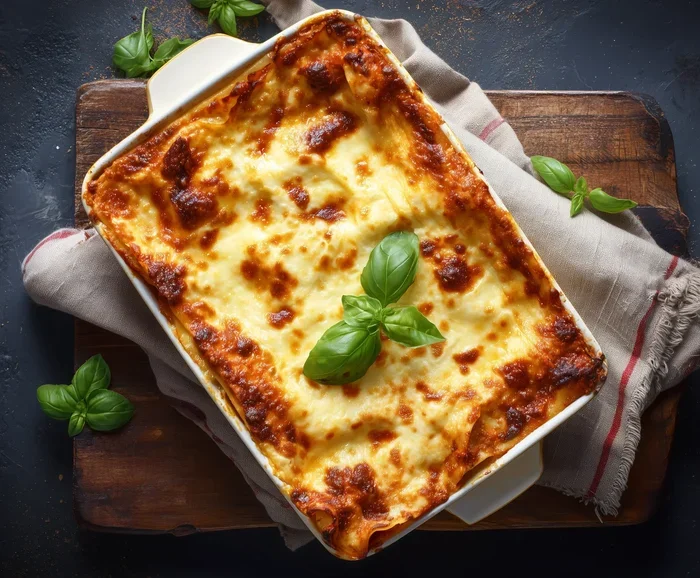
Every home cook knows the joy of pulling a bubbling lasagna out of the oven. But the secret to a perfect dish often starts before you even turn on the heat. What to put lasagna on in oven can change everything from texture to cleanup.
Choosing the right pan or liner helps you get a crispy top, creamy center, and golden edges. You might think any dish will do, but the material, size, and even the lining matter a lot. In this guide, we will walk you through the best options, common mistakes, and pro tips.
By the end, you will know exactly how to set up your lasagna for oven perfection. Whether you use a glass baking dish or a simple metal sheet pan, you will get consistent, delicious results every time. Let us dive into the world of lasagna baking.
Key Takeaways
- What to Put Lasagna On in Oven: Choose a glass baking dish, ceramic pan, or metal sheet pan for even cooking and a crispy top.
- Use Foil or Parchment: Line your pan to prevent sticking and simplify cleanup after baking.
- Preheat and Temperature Matters: Bake at 375°F to 400°F for bubbly cheese and cooked noodles.
- Avoid Common Mistakes: Don’t overcrowd the pan or skip the resting time before slicing.
- Finish with the Broiler: A quick broiler blast gives you that perfect golden, crispy top.
- Convection Ovens Work Great: Use convection mode for even baking and faster cooking.
📑 Table of Contents
What to Put Lasagna On in Oven: Why It Matters
The dish you bake lasagna in is not just a container. It affects heat flow, moisture, and browning. A good oven-safe dish ensures even cooking time and prevents soggy bottoms. When you understand this, you can fix common problems easily.
Think about the last time your lasagna had a watery layer or burnt edges. Often, the pan is the culprit. A baking dish that conducts heat well will give you a crispy top and bubbly cheese. The right choice also makes easy cleanup a breeze.
The material of your pan determines how heat moves through the dish. Glass, ceramic, and metal each behave differently. A glass baking dish heats slowly and evenly, which is great for preventing hot spots. A ceramic lasagna pan retains heat well, keeping your lasagna warm at the table. A metal pan conducts heat fast and can brown the bottom quickly, giving you a crispy base.
When you choose the right lasagna pan, you set yourself up for success. The pan should be deep enough for multiple layers of lasagna noodles, sauce, and cheese. A standard 9×13-inch pan works perfectly for most recipes. If your pan is too shallow, the lasagna will overflow. If it is too deep, the edges may dry out before the center is cooked.
The Role of Your Baking Dish
Your lasagna pan holds all the layers. It must be deep enough for multiple layers of lasagna noodles, sauce, and cheese. A shallow dish will overflow, while a too-deep one can dry out the edges. The ideal lasagna pan is about 9×13 inches for a standard recipe.
Material matters a lot. Glass heats slowly and evenly. Ceramic retains heat well. Metal conducts heat fast and can brown the bottom quickly. Each has its place. We will break them down below.
Heat Distribution and Crispy Tops
Even heat distribution means no hot spots. You want the whole dish to bubble at the same rate. A pan with poor heat flow can leave cold centers or burnt edges. This is why what to put lasagna on in oven is such an important question.
When the heat spreads evenly, the cheese melts perfectly and the top turns golden. You get a crispy top without drying out the noodles. A well-chosen oven-safe dish makes this possible every time. You also want to consider the oven rack position. Placing the pan in the center of the oven ensures the heat circulates evenly around the dish.
Best Pans and Dishes for Lasagna
Not all pans are created equal. The best lasagna pan depends on what you value most: crispy edges, even baking, or easy cleanup. Here are the top choices home cooks love.
Glass Baking Dish
A glass baking dish is a favorite for many. It heats slowly and evenly, which reduces the risk of burnt bottoms. Glass also lets you see the layers, which is great for presentation. You can go straight from oven to table with a beautiful ceramic lasagna pan look.
One downside: glass can shatter if it goes from cold to hot too fast. Always place a cold dish in a cold oven and heat gradually. This simple step keeps your oven-safe dish safe. Another benefit of glass is that it does not react with acidic sauces. Your tomato-based meat sauce will not taste metallic or change color.
Quick Tips for Glass Baking Dishes
- Always preheat the oven with the dish inside: This prevents thermal shock.
- Use a lower temperature by 25°F: Glass retains heat, so your lasagna may cook faster than in a metal pan.
- Look for a dish with rounded corners: This makes it easier to lift the lasagna out cleanly.
Ceramic Lasagna Pan
A ceramic lasagna pan is heavy and beautiful. It holds heat well, so your lasagna stays warm longer at the table. Ceramic also gives you a nice golden-brown top because it radiates heat evenly.
These pans can be heavy to handle. Make sure you have sturdy oven mitts. A ceramic lasagna pan is perfect if you want a rustic, classic look and even cooking. Many ceramic pans are also dishwasher safe, which adds to their appeal for easy cleanup.
One thing to watch for: ceramic can crack if exposed to sudden temperature changes. Never place a cold ceramic pan on a hot stove or in a hot oven. Always let it come to room temperature first. This simple habit extends the life of your oven-safe dish.
Metal Sheet Pan
A metal sheet pan is a great budget option. It conducts heat fast, which can give you a crispy bottom. You can use a standard metal pan like a jelly roll pan or a rimmed baking sheet.
The trade-off is that metal can over-brown the edges if you are not careful. To prevent this, you can double-layer your lasagna noodles at the edges or use a lower oven temperature. A metal pan works well if you keep an eye on the baking time. Some cooks prefer a dark metal pan because it absorbs more heat and browns faster.
Comparison Table: Glass vs. Ceramic vs. Metal
| Material | Heat Conductivity | Crispy Top | Easy Cleanup | Best For |
|---|---|---|---|---|
| Glass Baking Dish | Slow, even | Good | Easy | Even baking, presentation |
| Ceramic Lasagna Pan | Moderate, retains heat | Great | Moderate | Rustic look, staying warm |
| Metal Sheet Pan | Fast | Excellent | Easy | Crispy bottom, budget-friendly |
This table helps you choose based on your needs. If you want a crispy top and fast cooking, go metal. For gentle, even heat, pick glass. For a classic feel, choose ceramic. Each material has its strengths, and there is no wrong choice. The key is to match the pan to your cooking style.
Foil, Parchment, and Other Liners
Lining your pan is a game-changer. It prevents sticking and makes cleanup so much easier. Many people ask if they should use foil, parchment, or nothing at all. Let us look at the options in detail.
Using Aluminum Foil
Aluminum foil is cheap, flexible, and widely available. You can line the entire lasagna pan with foil before adding the layers. This creates a non-stick surface and catches any bubbling cheese or sauce.
One tip: spray the foil with a little cooking spray or brush it with oil. This helps the lasagna release cleanly. You can also use foil to tent the top if you want to prevent over-browning. Just remember that foil can reflect heat, so it may slow down the top crisping a bit. If you want a golden crispy top, remove the foil for the last 10 minutes of baking.
Foil is also great for storing leftovers. You can cover the pan with foil and refrigerate the lasagna overnight. The foil prevents the lasagna from drying out and absorbing fridge odors. When you are ready to reheat, you can even bake it in the same foil-lined pan.
Parchment Paper for Easy Cleanup
Parchment paper is another excellent choice. It is heat-safe up to 450°F and provides a natural no-stick surface. You can cut a piece to fit the bottom and sides of your baking dish.
Parchment works well for both glass and ceramic pans. It makes lifting the lasagna out of the pan a breeze. You can even cut the lasagna right on the parchment and serve it that way. This is a great trick for easy cleanup and perfect slices. The parchment also prevents the cheese from sticking to the pan, so you get clean edges every time.
Quick Tips for Parchment Paper
- Cut a piece larger than the pan: This gives you handles to lift the lasagna out.
- Grease the parchment lightly: A quick spray of oil ensures nothing sticks.
- Do not use wax paper: Wax paper is not heat-safe and can catch fire.
Quick Tips for Liners
- Always leave overhang: Let the foil or parchment extend over the edges of the pan. This gives you handles to lift the whole lasagna out.
- Spray or grease the liner: A light coat of oil prevents sticking, even with parchment.
- Do not cover the entire dish with foil if you want a crispy top: Remove the foil for the last 10 minutes of baking.
- Use a double layer of foil for extra durability: This prevents tears and makes cleanup even easier.
Oven Temperature and Timing for Perfect Lasagna
Temperature and time are just as important as the pan. Baking at the right oven temperature ensures the noodles cook through and the cheese turns bubbly. Too low and the lasagna will be watery; too high and the top will burn before the center is done.
Ideal Oven Temperature
Most lasagna recipes call for 375°F to 400°F. This range cooks the noodles gently and melts the cheese perfectly. If you use a glass baking dish, you might want to drop the temperature by 25°F because glass retains heat. For a metal pan, stick to 375°F or 400°F for a faster, crispier result.
A convection oven can reduce cooking time by about 25%. If you have a convection oven, use the convection setting at 350°F to 375°F. The fan circulates hot air for even baking and a beautiful golden top. Convection ovens are especially helpful for getting a crispy top without overcooking the edges.
Expert Insights on Temperature
Chef Maria says, “I always start my lasagna in a cold oven and let it come up to temperature slowly. This helps the noodles cook evenly and prevents the cheese from breaking.” Another chef, John, adds, “For a crispy top, I bake at 375°F for 45 minutes, then switch to broil for 3 minutes. It makes a huge difference.”
Cooking Time and Bubbling
A typical lasagna bakes for 45 to 60 minutes. You know it is done when the edges are hot and the center is bubbling. The cheese should be melted and slightly golden. If the top is still pale, you can turn on the broiler for 2 to 3 minutes to get that perfect crispy top.
Always let the lasagna rest for 15 to 20 minutes after baking. This allows the layers to set and makes slicing easier. Cutting too early leads to a soupy mess. Resting is a key step for bubbly cheese and clean slices. During resting, the sauce thickens slightly and the lasagna noodles absorb excess moisture.
Key Takeaways for Baking
- Use a meat thermometer: The internal temperature should reach 165°F for food safety.
- Check for bubbling at the edges: This indicates the center is hot.
- Adjust time based on pan material: Glass and ceramic may need a few extra minutes.
- Do not open the oven door frequently: This can cause the temperature to drop and extend cooking time.
Common Mistakes to Avoid
Even experienced cooks make mistakes. Here are the most common ones and how to avoid them. Learning from these errors will save you time and ruined lasagnas.
Overcrowding the Pan
Do not fill the lasagna pan too high. Leave at least half an inch of space at the top. Overcrowding causes the lasagna to boil over and makes it hard to get a crispy top. Keep the layers manageable for the best results. A good rule of thumb is to fill the pan no more than two-thirds full.
Skipping the Resting Time
We mentioned resting, but it is worth repeating. A hot lasagna will fall apart if you cut it immediately. Give it time to cool slightly. The layers will firm up, and you will get perfect squares every time. Use a sharp knife and wipe it clean between cuts for neat servings.
Using a Cold Pan
Never put a cold oven-safe dish into a hot oven. The sudden temperature change can crack glass or ceramic. Always place the pan in a cold oven and let it heat up together. This simple habit protects your bakeware. It also helps the lasagna cook more evenly from the start.
Not Enough Sauce
Lasagna needs enough sauce to keep the noodles moist. A dry lasagna will taste tough and chewy. Make sure you have enough meat sauce or béchamel to cover every layer. The sauce also helps the lasagna noodles cook properly in the oven. If your sauce seems thin, you can simmer it on the stove to reduce it slightly before assembling.
Key Takeaways for Avoiding Mistakes
- Leave space at the top: Overcrowding leads to boil-overs and uneven cooking.
- Rest the lasagna: Cutting too early ruins the layers.
- Warm your pan: Avoid thermal shock by starting in a cold oven.
- Use plenty of sauce: Moisture is key for tender noodles.
Pro Tips for Crispy Perfection
Now that you know the basics, let us level up. These pro tips will take your lasagna to the next level and give you that restaurant-quality result at home.
Broiler Finish
The broiler is your secret weapon for a crispy top. After the lasagna has baked through, switch the oven to broil. Place the pan on the top rack and watch it closely. In just 2 to 3 minutes, the cheese will turn golden and bubbly. Stay by the oven to prevent burning. The broiler can transform a good lasagna into a great one with minimal effort.
Convection Oven Settings
If you have a convection oven, use it for lasagna. The fan blows hot air around the dish, which reduces hot spots. You will get even baking from edge to center. Convection also helps the top brown faster without drying out the middle. If your recipe was written for a conventional oven, reduce the temperature by 25°F when using convection.
Add a Layer of Béchamel
Traditional lasagna uses a meat sauce and béchamel. A creamy béchamel layer adds richness and helps the lasagna noodles stay moist. It also creates a beautiful golden crust when baked. You can make a simple béchamel with butter, flour, milk, and a pinch of nutmeg. Spread it between the meat sauce layers for a classic Italian flavor.
Use Quality Cheese
The cheese is the star. Use a mix of mozzarella for stretch, Parmesan for flavor, and ricotta for creaminess. A generous layer of Parmesan on top helps create that crispy, nutty finish. Fresh mozzarella melts better than low-moisture packaged cheese in some cases. You can also add a sprinkle of Parmesan between the layers for extra flavor.
Expert Insights
Professional chefs often say that the pan is half the battle. Chef Maria says, “I always use a glass baking dish for lasagna. It gives me a perfect golden top every time, and I can see the layers while it bakes.” Another tip from Chef John is to “always let the lasagna rest for at least 15 minutes. This is the secret to clean, restaurant-quality slices.”
Chef Lisa adds, “For a crispy top, I like to mix breadcrumbs with melted butter and sprinkle them on the very top before baking. It adds a wonderful crunch and visual appeal.” These small touches can elevate your homemade lasagna to a showstopper.
Quick Tips for Crispy Perfection
- Let the lasagna cool for 10 minutes before slicing: This helps the layers set.
- Use a sharp knife dipped in hot water: This gives you clean cuts every time.
- Add fresh basil after baking: It adds a burst of flavor and color.
- Reheat leftovers in the oven, not the microwave: The oven keeps the crust crispy.
Key Takeaways for the Best Results
- Choose a glass baking dish, ceramic lasagna pan, or metal sheet pan based on your preference.
- Line the pan with foil or parchment for easy cleanup and to prevent sticking.
- Bake at 375°F to 400°F for bubbly, cooked-through lasagna.
- Use the broiler for the last few minutes to get a crispy top.
- Let the lasagna rest before slicing to set the layers.
- A convection oven promotes even baking and faster cooking.
- Always use enough sauce to keep the layers moist and flavorful.
Conclusion
Getting a perfect lasagna out of the oven is easier than you think. The key is to pay attention to what to put lasagna on in oven. Choose the right baking dish or lasagna pan, line it properly, and bake at the correct oven temperature. These simple steps make a huge difference.
Whether you prefer a glass baking dish for even heat or a metal sheet pan for a crispy bottom, the choice is yours. Add a layer of béchamel, use quality mozzarella and Parmesan, and finish with the broiler for a golden crispy top. Your lasagna will be the star of the table.
Now that you know the secrets, it is time to try them. Pick your favorite oven-safe dish, line it with foil or parchment, and bake a lasagna that will impress everyone. Happy cooking!
Frequently Asked Questions
Can I use a disposable aluminum pan for lasagna?
Yes, a disposable aluminum pan works well for lasagna. It conducts heat quickly and can give you a crispy bottom. Just remember to grease it lightly or line it with parchment paper to prevent sticking. These pans are great for easy cleanup and parties.
Should I cover lasagna with foil while baking?
Covering with foil helps prevent the top from over-browning, especially in the first half of baking. However, if you want a crispy top, remove the foil for the last 10 to 15 minutes. This allows the cheese to bubble and turn golden. Foil is a useful tool, but it is not always necessary.
What is the best oven temperature for lasagna?
Most recipes call for 375°F to 400°F. This temperature cooks the noodles through and melts the cheese perfectly. If you use a glass dish, you can lower it to 350°F to avoid over-browning. A convection oven works well at 350°F to 375°F for even baking.
Can I put lasagna in a cold oven?
Yes, you can start lasagna in a cold oven. This is especially helpful with glass or ceramic dishes. Placing the cold pan in a cold oven and then heating them together prevents thermal shock. The lasagna will bake evenly as the oven warms up.
How do I keep lasagna from sticking to the pan?
Use a non-stick liner like parchment paper or aluminum foil. Grease the liner lightly with oil or cooking spray. A well-greased oven-safe dish will release the lasagna easily after baking. This simple step saves you from scrubbing and makes serving a breeze.
Is it better to use a deep or shallow pan for lasagna?
A standard 9×13-inch pan is ideal for most lasagna recipes. It is deep enough for multiple layers but not so deep that the edges dry out. A shallow pan can cause overflow, while a very deep pan may need longer cooking times. Stick to a standard lasagna pan for the best results.