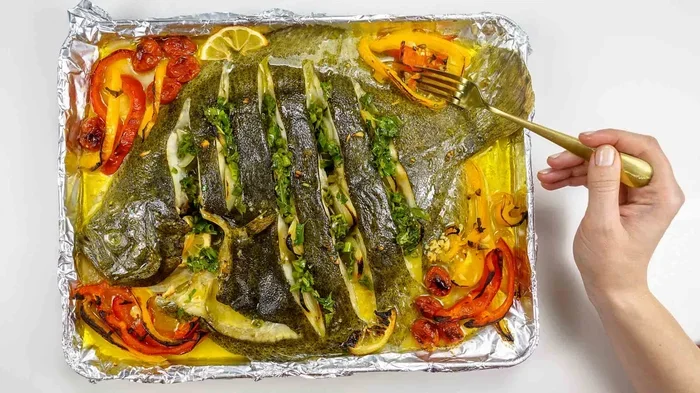
How Long To Cook Turbot Fillets In The Oven Perfectly
Learning how long to cook turbot fillets in the oven is simple once you know the right temperature and timing. Most turbot fillets bake perfectly at 400°F for 12 to 20 minutes, depending on thickness. This guide covers everything from prep to plating so your fish turns out moist and flavorful every time. You will learn the ideal oven temperature for turbot, seasoning tips, and common mistakes to avoid.
There is something truly special about oven-baked turbot. It is a delicate white fish with a clean, mild flavor that pairs beautifully with almost any seasoning. Whether you are a beginner cook or a seasoned home chef, mastering the turbot fillet bake time can take your seafood game to the next level.
Many people worry about cooking fish in the oven. They fear it will dry out or stick to the pan. But with the right turbot cooking temperature and a few simple tricks, you can pull off a restaurant-quality dish at home. This guide walks you through everything you need to know.
We will cover the exact timing, the best oven settings, seasoning ideas, and how to tell when your fish is perfectly done. By the end, you will feel confident enough to bake turbot fillets in oven any night of the week.
Key Takeaways
- Standard Bake Time: Turbot fillets typically need 12 to 20 minutes at 400°F (200°C).
- Thickness Matters: Thicker fillets need more time, while thin pieces cook faster.
- Internal Temperature: The fish is done when it reaches 145°F (63°C) internally.
- Seasoning Boosts Flavor: Simple ingredients like lemon, butter, and herbs elevate baked turbot.
- Avoid Overcooking: Turbot dries out quickly, so keep a close eye on it.
- Resting Is Key: Let the fillets rest for 3 to 5 minutes after baking for the best texture.
- Prep Ahead: Proper seasoning and room-temperature fish cook more evenly.
📑 Table of Contents
- Understanding Turbot and Why It Is Great for Oven Cooking
- How Long To Cook Turbot Fillets In The Oven: The Complete Guide
- Step-by-Step: How to Prepare Turbot Fillets for the Oven
- Best Seasoning and Flavor Combinations for Baked Turbot
- Common Mistakes to Avoid When Baking Turbot
- How to Tell When Turbot Fillets Are Done
- Serving Suggestions and Side Dishes for Baked Turbot
- Expert Tips for Perfect Oven-Baked Turbot Every Time
- Storing and Reheating Leftover Baked Turbot
- Conclusion
Understanding Turbot and Why It Is Great for Oven Cooking
Turbot is a flatfish found in the Atlantic and Mediterranean waters. It has firm, white flesh with a subtle sweetness that sets it apart from other white fish like cod or halibut. Chefs love turbot because it holds its shape well during baking and does not fall apart easily.
Compared to other seafood oven recipes, turbot offers a unique texture. The flesh is dense yet tender, which makes it forgiving for oven cooking. It also absorbs flavors beautifully, so your seasoning choices really shine through.
What Makes Turbot Different from Other White Fish
Not all white fish behaves the same way in the oven. Here is a quick look at what makes turbot stand out:
- Firmer Texture: Turbot holds together better than flaky fish like tilapia.
- Thicker Fillets: Turbot fillets are often cut thicker, which means more oven time.
- Mild Flavor: It takes on seasonings without overpowering them.
- Fewer Bones: Turbot fillets are typically boneless, making them easier to serve.
- High Protein: A serving of turbot delivers lean protein with very little fat.
Because of these qualities, bake turbot fillets is one of the most reliable methods for preparing this fish. The oven gives you even heat distribution, which helps cook the fillet uniformly from edge to center.
How Long To Cook Turbot Fillets In The Oven: The Complete Guide
The turbot fillet oven bake time depends on several factors. Thickness is the biggest one. A thin fillet might only need 12 minutes, while a thick cut could take up to 20 minutes or slightly more. Let us break this down clearly.
Standard Baking Time by Fillet Thickness
Here is a general guide for turbot fillets in oven timing based on thickness:
- Thin fillets (under 1 inch): 10 to 12 minutes at 400°F (200°C).
- Medium fillets (1 to 1.5 inches): 14 to 17 minutes at 400°F (200°C).
- Thick fillets (over 1.5 inches): 18 to 22 minutes at 400°F (200°C).
These times assume you are baking at 400°F. If you adjust the temperature, the time will change too. Always use a meat thermometer to check the turbot internal temperature. The fish is done when it reaches 145°F (63°C) in the thickest part.
Why Oven Temperature Matters So Much
The oven temperature for fish is just as important as the timing itself. Too low, and your turbot will take forever and turn mushy. Too high, and the outside dries out before the inside cooks through.
400°F (200°C) is the sweet spot for most oven-baked turbot recipes. At this temperature, the fish cooks quickly enough to retain moisture but slowly enough to develop a light golden crust on top. If you prefer a softer texture, you can drop the temperature to 375°F and add a few extra minutes.
For those who like a crispy top, try 425°F but reduce the time slightly. Just watch it closely. Cooking white fish fillets at high heat requires attention, because the difference between perfectly done and overcooked is only a minute or two.
Step-by-Step: How to Prepare Turbot Fillets for the Oven
Preparation is the step most people skip, and it makes all the difference. Taking a few extra minutes to prep your turbot fish fillets properly leads to much better results.
Step 1: Pat the Fillets Dry
Remove the turbot fillets from the refrigerator about 15 minutes before cooking. Use a paper towel to pat them dry on both sides. Moisture is the enemy of a good sear and even baking. Dry fish browns better and seasons more evenly.
Step 2: Season Generously
Seasoning is where you can get creative. A basic blend works beautifully for turbot fish recipe beginners:
- Olive oil or melted butter (1 to 2 tablespoons per fillet)
- Salt and freshly ground black pepper
- Fresh lemon juice (a squeeze per fillet)
- Minced garlic (1 to 2 cloves per fillet)
- Fresh herbs like dill, parsley, or thyme
For something bolder, try adding smoked paprika, a pinch of cayenne, or a drizzle of honey. The key is to coat the top and sides evenly. Let the seasoned fillets sit for 5 to 10 minutes so the flavors penetrate the fish.
Step 3: Choose the Right Pan and Lining
Use a baking dish or a sheet pan lined with parchment paper or lightly greased with oil. Parchment paper prevents sticking and makes cleanup a breeze. If you want a crispy bottom, a light brush of oil on the pan helps conduct heat evenly.
Place the fillets skin-side down if the skin is still on. The skin acts as a natural protector and keeps the flesh moist during baking. If your fillets are skinless, just lay them flat in the pan.
Best Seasoning and Flavor Combinations for Baked Turbot
Turbot with lemon and butter is a classic combination for a reason. The richness of butter complements the mild sweetness of the fish, and lemon adds brightness. But there are many other flavor profiles that work wonderfully.
Mediterranean Style
Top your oven-baked turbot with sliced tomatoes, Kalamata olives, capers, and a drizzle of olive oil. Add fresh oregano and a sprinkle of feta cheese in the last few minutes of baking. This style pairs perfectly with crusty bread and a simple green salad.
Asian-Inspired
Mix soy sauce, sesame oil, ginger, and a touch of honey for an umami-rich glaze. Brush it on the fillets before baking. Garnish with sliced scallions and sesame seeds right after they come out of the oven.
Herb-Butter Crust
Combine softened butter with chopped fresh herbs like parsley, chives, and tarragon. Spread a thin layer over each fillet before baking. The butter melts into the fish, creating a silky, flavorful crust that is hard to beat.
Common Mistakes to Avoid When Baking Turbot
Even experienced cooks make mistakes with cooking turbot fillets in oven. Knowing what to avoid saves you from dry, flavorless fish.
Overcooking the Fish
This is the number one mistake. Turbot goes from perfectly moist to dry and chalky very quickly. Set a timer and check the fish a couple of minutes before the recommended time is up. Remember, the fish continues cooking slightly after you remove it from the oven.
Skipping the Resting Period
Once your baked turbot fillets come out of the oven, let them rest for 3 to 5 minutes. This allows the juices to redistribute throughout the flesh. Cutting into the fish immediately causes the moisture to escape, leaving you with a drier result.
Using Too Much or Too Little Seasoning
Too much salt can overwhelm the delicate flavor of turbot. Too little leaves the fish tasting bland. Start with a light hand and taste as you go. You can always add more, but you cannot take it away.
Not Preheating the Oven
Putting fish into a cold oven leads to uneven cooking. The outside may overcook while the center stays raw. Always preheat your oven to the target turbot cooking temperature before placing the fillets inside.
How to Tell When Turbot Fillets Are Done
Knowing the visual and tactile cues for done fish is a skill that improves with practice. Here is how to tell your turbot fish fillets are ready:
- Color: The flesh turns from translucent to opaque white throughout.
- Flake Test: Gently press the top of the fillet with a fork. If it flakes easily and separates into white pieces, it is done.
- Internal Temperature: Use an instant-read thermometer. 145°F (63°C) is the target.
- Texture: The fish should feel firm but still slightly springy. It should not feel mushy or rubbery.
- Juices: When you cut into the thickest part, the juices should run clear, not milky.
If you are unsure, it is better to pull the fish out a minute early. You can always put it back for a short time, but you cannot undo overcooked fish.
Serving Suggestions and Side Dishes for Baked Turbot
The right sides can turn a simple turbot fillet recipe into a complete meal. Here are some ideas that pair beautifully with oven-baked turbot:
- Roasted vegetables: Asparagus, zucchini, and cherry tomatoes roasted in the oven alongside the fish.
- Garlic mashed potatoes: A creamy, comforting base for the flavorful fish.
- Rice pilaf: Lemon herb rice absorbs the juices and complements the turbot perfectly.
- Fresh salad: A light arugula salad with lemon vinaigrette balances the richness of the fish.
- Crusty bread: Great for soaking up any remaining sauce or butter from the pan.
- Steamed green beans: Simple, healthy, and a natural pairing for white fish.
For a complete meal, serve the turbot with a light sauce. A lemon butter sauce, a drizzle of good olive oil with fresh herbs, or a white wine reduction all work beautifully. Keep the sauce light so it does not overpower the delicate flavor of the fish.
Expert Tips for Perfect Oven-Baked Turbot Every Time
Here are some turbot cooking tips from experienced cooks and chefs that will elevate your results:
- Bring fish to room temperature: Taking the fillets out 15 minutes before baking helps them cook more evenly.
- Use a wire rack: Placing fillets on a wire rack set over a baking sheet allows hot air to circulate underneath, promoting even cooking.
- Add liquid to the pan: A splash of white wine, broth, or lemon juice in the bottom of the pan creates steam that keeps the fish moist.
- Do not crowd the pan: Give each fillet space so heat circulates freely around every piece.
- Fresh herbs are better: Dried herbs can taste dusty. If you only have dried, use half the amount of fresh herbs.
- Butter baste halfway through: Spoon melted butter over the fillets midway through baking for extra richness and color.
- Let the oven do the work: Avoid opening the oven door too often. Every time you open it, the temperature drops and cooking time increases.
Storing and Reheating Leftover Baked Turbot
If you have leftovers from your turbot fish oven recipe, proper storage keeps the fish tasting great for the next day.
Let the fish cool to room temperature within two hours of cooking. Store it in an airtight container in the refrigerator. Properly stored, baked turbot keeps well for up to 2 days.
To reheat, place the fillets in a baking dish, cover with foil, and warm at 300°F for 8 to 10 minutes. The foil traps moisture and prevents the fish from drying out. Avoid microwaving if possible, as it tends to make the flesh rubbery and unevenly heated.
You can also flake leftover turbot into salads, pasta dishes, or fish tacos. Cold turbot works wonderfully in these applications too.
Conclusion
Baking turbot fillets in the oven is one of the simplest and most rewarding ways to prepare this beautiful fish. The key is mastering the timing, temperature, and seasoning. With a turbot fillet bake time of 12 to 20 minutes at 400°F, you can have a delicious, healthy meal on the table in under half an hour.
Remember the essentials: pat the fish dry, season well, preheat the oven, and use a thermometer to check doneness. Avoid the common mistakes of overcooking and skipping the resting period. With a little practice, you will bake turbot like a pro every single time.
Now that you know how long to cook turbot fillets in the oven, it is time to get into the kitchen. Pick up some fresh turbot fillets, grab your favorite seasonings, and enjoy the process. The results will speak for themselves.
Frequently Asked Questions
What is the best temperature to bake turbot fillets?
The best turbot cooking temperature is 400°F (200°C). This heat level cooks the fish quickly while keeping it moist and developing a light golden top. You can adjust to 375°F for a gentler cook or 425°F for a crispier finish.
How do I know if my turbot fillet is done?
The fish is done when it turns opaque white, flakes easily with a fork, and reaches an internal temperature of 145°F (63°C). The flesh should feel firm yet slightly springy. Clear juices running from the thickest part are another reliable sign.
Can I bake turbot fillets with the skin on?
Yes, baking turbot fillets in oven with the skin on is a great idea. The skin protects the flesh and keeps it moist. Place the fillets skin-side down in the pan. The skin will become crispy and easy to remove after baking if you prefer not to eat it.
How long should I let turbot rest after baking?
Let baked turbot rest for 3 to 5 minutes before serving. This resting period allows the juices to settle back into the fish, resulting in a moister and more flavorful bite. Skipping this step can lead to drier fillets.
What are the best seasonings for baked turbot?
Classic turbot with lemon and butter is a crowd favorite. Fresh herbs like dill, parsley, and thyme also work beautifully. For something different, try a Mediterranean blend with olive oil, garlic, and tomatoes, or an Asian-inspired glaze with soy sauce and sesame oil.
Can I freeze leftover baked turbot?
Yes, you can freeze leftover oven-baked turbot. Wrap the fillets tightly in plastic wrap and then in aluminum foil or place them in an airtight freezer bag. They keep well for up to 3 months. Thaw overnight in the refrigerator and reheat gently at 300°F.