Can I Put A Glass Top In The Oven And What Happens Next
You should never put a glass top in the oven unless it is specifically labeled as oven safe. Most glass cooktops are not designed to handle the high temperatures inside an oven, and doing so can lead to cracking, shattering, or permanent damage. Understanding what happens when glass meets oven heat can save you from costly repairs and potential kitchen hazards. This guide covers everything you need to know about glass top stove safety, oven-safe materials, and what to do if your glass top gets accidentally exposed to oven heat.
Have you ever been mid-cook and wondered, can I put a glass top in the oven? Maybe you were transferring a dish, cleaning up, or just curious about what your glass cooktop can handle. Either way, this question comes up more often than you might think.
The short answer is no for most glass tops. Standard glass stovetops are not built to handle oven heat. But the full story is more interesting than a simple yes or no. Let us walk through everything you need to know about glass top stove oven safety, what really happens when glass meets high heat, and how to protect your cooktop from damage.
Your glass top stove is a beautiful, sleek addition to any kitchen. It heats evenly, cleans easily, and looks fantastic. But that smooth, glossy surface has limits. Understanding those limits is the key to keeping your glass cooktop in great shape for years to come.
Key Takeaways
- Glass tops are not oven safe: Most glass cooktops cannot withstand oven temperatures above 350°F and will crack or shatter.
- Thermal shock is the main danger: Sudden temperature changes cause glass to expand or contract unevenly, leading to breakage.
- Check for oven-safe labels: Some specialty glass products are designed for oven use, but standard glass tops are not.
- Accidental exposure needs quick action: If your glass top goes in the oven, turn it off immediately and let it cool slowly.
- Replacement is often the only fix: A cracked glass top usually cannot be repaired and needs full replacement.
- Prevention is simple: Always double-check what goes in the oven and keep glass tops on the stovetop only.
📑 Table of Contents
- What Is a Glass Top Stove?
- Can I Put A Glass Top In The Oven?
- Why Does Glass Break in High Heat?
- Glass Top Stove Care and Maintenance
- What Materials Are Actually Oven Safe?
- What To Do If Your Glass Top Gets Accidentally Exposed to Oven Heat
- Common Myths About Glass Tops and Ovens
- How To Choose the Right Cookware for Your Glass Top
- Final Thoughts
What Is a Glass Top Stove?
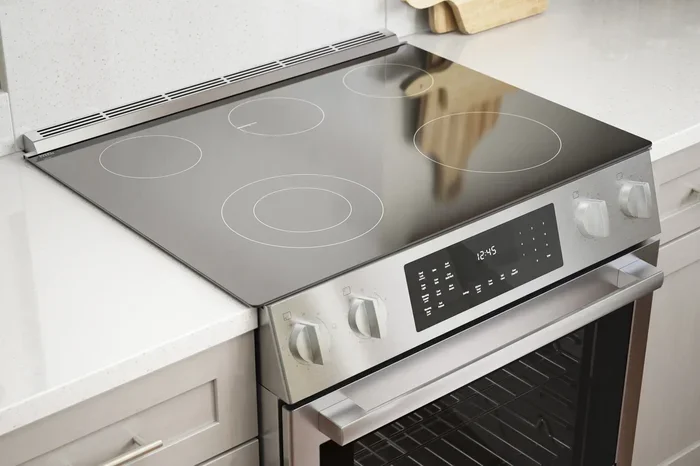
A glass top stove uses a smooth glass-ceramic surface to transfer heat to your cookware. Underneath that glass layer, there are electric coils or radiant heating elements. The glass itself acts as a barrier between the heat source and your pots and pans.
Not all glass is the same. The glass used in cooktops is usually tempered glass or ceramic glass. These materials are treated to handle heat, but only up to a certain point. They are designed for stovetop cooking, not for sitting inside a hot oven.
Tempered Glass vs. Ceramic Glass
Tempered glass is regular glass that has been heated and cooled rapidly to increase its strength. It can handle moderate heat, but it is not built for extreme temperature swings. Ceramic glass, on the other hand, is specially engineered to handle higher temperatures and thermal shock better. Some oven-safe bakeware uses ceramic glass.
Here is the important part: the glass on your glass top stove is neither fully tempered glass nor fully ceramic glass in the oven-safe sense. It is a glass-ceramic composite designed for stovetop use only. That distinction matters a lot.
Can I Put A Glass Top In The Oven?
The direct answer to can I put a glass top in the oven is almost always no. The glass surface of your cooktop is not meant to be removed and placed inside an oven. It is not designed to handle the sustained high temperatures that ovens produce.
Most glass tops can handle temperatures up to about 300°F to 350°F on the stovetop surface. Oven temperatures typically range from 350°F to 500°F or higher. That temperature gap is where problems start.
What Happens If You Put a Glass Top in the Oven?
If you somehow get a glass top into an oven, several things can go wrong. The glass may crack, shatter, or warp. Here is what could happen step by step:
- Thermal expansion: The glass begins to expand as it heats up. If the heat is uneven, one side expands faster than the other.
- Stress fractures: The uneven expansion creates internal stress. Tiny cracks start to form beneath the surface.
- Shattering: If the temperature gets high enough, the glass can shatter completely. This is dangerous and can damage your oven too.
- Warping: Even if the glass does not shatter, it can warp or deform. A warped glass top will not sit flat on the stove anymore.
The bottom line is that putting a glass top in the oven is a serious risk. It can ruin the glass, damage your oven, and even create a safety hazard from broken glass shards.
Why Does Glass Break in High Heat?
Understanding why glass breaks in high heat helps you avoid mistakes in the future. The main culprit is something called thermal shock.
Thermal shock happens when different parts of a material experience different temperatures at the same time. Imagine one side of your glass top heating up to 500°F while the other side stays cool. The hot side expands, the cool side does not. The glass cannot handle that uneven force, so it cracks.
Common Causes of Thermal Shock for Glass Tops
- Placing a cold glass top near a heat source: This is the most common cause. If a glass top is cold and goes into a preheated oven, the temperature difference is extreme.
- Moving from oven to cold counter: Even oven-safe glass needs to cool gradually. Placing hot glass on a cold surface causes rapid contraction.
- Spot heating: Placing a small pot on a glass top in the oven creates a hot spot. The rest of the glass stays cooler, leading to uneven stress.
- Pre-existing micro-cracks: Over time, tiny invisible cracks develop in glass. High heat makes these cracks grow until the glass fails.
The glass cooktop on your stove is built to handle stovetop temperatures. It heats up and cools down at a controlled rate. An oven environment is completely different, and the glass simply was not made for it.
Glass Top Stove Care and Maintenance
Taking care of your glass top stove goes a long way in preventing damage. While you cannot put the glass top in the oven, you can do plenty of things to keep it in excellent condition.
Daily Cleaning Tips
- Wipe the surface after every use with a soft cloth.
- Use a glass cooktop cleaner for stubborn stains.
- Avoid abrasive scrubbers that can scratch the surface.
- Clean spills as soon as they happen to prevent staining.
Preventing Heat Damage
- Always use cookware that is the right size for the burner.
- Do not slide pots and pans across the glass surface.
- Let the cooktop cool naturally after cooking.
- Avoid placing hot cookware directly from the stove onto a cold surface.
What NOT to Do on a Glass Top Stove
- Do not use cast iron pans with rough bottoms.
- Do not drag heavy pots across the surface.
- Do not use the glass top as a cutting board.
- Do not place oven-hot glass bakeware directly on the cooktop.
- Do not ignore small cracks or chips. They will grow over time.
Following these simple care tips will extend the life of your glass top stove and keep it looking great.
What Materials Are Actually Oven Safe?
If you are looking for cookware or surfaces that can go in the oven, there are plenty of safe options. Here is a quick comparison of common materials and their oven safety.
| Material | Oven Safe? | Max Temperature | Notes |
|---|---|---|---|
| Glass Top Stove Surface | No | Stovetop only | Not designed for oven use |
| Tempered Glass Bakeware | Yes | Up to 450°F | Must be labeled oven safe |
| Ceramic Bakeware | Yes | Up to 500°F | Great for even heating |
| Stainless Steel | Yes | Up to 500°F+ | Very durable |
| Cast Iron | Yes | Up to 500°F+ | Heavy but excellent heat retention |
| Aluminum Foil | Yes | Up to 400°F | Not recommended for acidic foods |
| Plastic Handles | No | Below 200°F | Check manufacturer guidelines |
| Wooden Handles | No | Not recommended | Can burn or char |
As you can see, the glass top stove surface is the only item on this list that is not oven safe. If you need to transfer food from the stove to the oven, use proper oven-safe cookware instead.
What To Do If Your Glass Top Gets Accidentally Exposed to Oven Heat
Accidents happen. Maybe you set a glass top on the oven door while cleaning, or a piece of glass somehow ended up inside the oven. Here is what you should do right away.
Immediate Steps
- Turn off the oven: Do not open the door if the glass is inside. Let it cool down slowly with the door closed.
- Do not touch the glass: If the glass is hot, wait for it to cool completely before touching it.
- Inspect for damage: Once cool, look for cracks, chips, or warping. Even small cracks mean the glass is compromised.
- Do not use the glass top: If it has been exposed to oven heat, it may not be safe to use on the stove anymore.
- Dispose of broken glass safely: If the glass shattered, wrap the pieces in newspaper and dispose of them carefully.
When To Replace the Glass Top
If your glass cooktop has been exposed to oven heat and shows any signs of damage, replacement is usually the safest option. Using a damaged glass top can lead to further cracking during normal stovetop use, which can be dangerous.
Contact the manufacturer or a professional appliance repair service to discuss glass top replacement options. In many cases, the cost of replacement is worth the safety and performance you get back.
Common Myths About Glass Tops and Ovens
There are a lot of myths floating around about glass tops and oven use. Let us clear up some of the most common ones.
Myth 1: All Glass Can Go in the Oven
This is simply not true. Only glass that is specifically labeled as oven safe should go in the oven. Your glass top stove is not oven safe.
Myth 2: Glass Tops Can Handle Any Temperature
Glass tops have a maximum temperature rating, usually around 350°F. Exceeding that temperature, even briefly, can cause damage.
Myth 3: A Quick Peek in the Oven Will Not Hurt
Even a short exposure to oven heat can cause thermal shock. The damage might not be visible right away, but it weakens the glass over time.
Myth 4: Glass Tops Are the Same as Oven-Safe Glass
They are completely different. Oven-safe glass is specially manufactured to handle high temperatures and rapid temperature changes. Your glass top stove is not made from that material.
How To Choose the Right Cookware for Your Glass Top
Since you cannot put a glass top in the oven, your focus should be on choosing the right cookware for your stovetop. The right pots and pans make a big difference in performance and longevity.
Best Cookware for Glass Top Stoves
- Flat-bottomed stainless steel: Heats evenly and is gentle on the glass surface.
- Enamel-coated cast iron: Provides excellent heat retention without scratching.
- Flat-bottomed aluminum: Lightweight and heats quickly.
- Ceramic-coated cookware: Non-stick and smooth on the glass surface.
Cookware to Avoid
- Rough-bottomed cast iron: The rough surface can scratch and crack the glass.
- Warped pans: A warped bottom creates hot spots and uneven pressure.
- Pots with decorative edges: These can scratch the glass surface during cooking.
Choosing the right cookware for glass top stoves is one of the best ways to protect your investment and cook more efficiently.
Final Thoughts
The answer to can I put a glass top in the oven is a clear and firm no. Glass tops are designed for stovetop cooking only. They cannot handle the high and sustained temperatures inside an oven. Doing so risks cracking, shattering, and permanent damage to the glass surface.
Glass top stove safety is all about understanding the limits of your cooktop. Know what your glass top can and cannot handle. Take proper care of the surface. Use the right cookware. And if an accident happens, act quickly and safely.
Your glass cooktop is a valuable part of your kitchen. Treat it right, and it will serve you well for many years. Keep this guide handy for reference, and share it with anyone else who might be wondering about glass top oven safety.
Stay safe, cook smart, and enjoy the smooth, easy-clean surface of your glass top stove for years to come.
Frequently Asked Questions
Can a glass top stove be used in an oven?
No, a glass top stove surface is not designed for oven use. It is built only for stovetop cooking and cannot handle the high temperatures inside an oven. Attempting to use it in an oven can cause cracking, shattering, or permanent damage.
What temperature can a glass top stove handle?
Most glass top stoves can handle surface temperatures up to about 300°F to 350°F during normal cooking. However, they are not designed for the sustained high temperatures that ovens produce, which can range from 350°F to 500°F or more.
How do I know if my glass is oven safe?
Look for an oven-safe label or symbol on the bottom of the glass item. Oven-safe glass will have a clear temperature rating printed on it. If there is no label, assume it is not oven safe and do not risk putting it in the oven.
What should I do if my glass top cracks from heat?
Turn off the heat source immediately and let the cooktop cool completely. Do not attempt to use a cracked glass top, as it can break further during cooking. Contact a professional for glass top repair or replacement options.
Can I remove the glass top from my stove and use it elsewhere?
It is not recommended. The glass top is a sealed unit that is specifically designed to work with the heating elements beneath it. Removing it can void the warranty, create safety hazards, and damage the glass surface.
Are there any glass surfaces that are safe in the oven?
Yes, some glass products are specifically designed for oven use. Look for borosilicate glass or tempered glass bakeware that is labeled as oven safe. These products are made from different materials than the glass on your stovetop and can handle high oven temperatures safely.
=== CONCLUSION ===
Can I put a glass top in the oven is a question with a very clear answer: no. Your glass top stove is a stovetop appliance, not an oven component. Understanding this simple fact can save you from expensive repairs, dangerous breakage, and unnecessary frustration.
Take care of your glass cooktop by following proper maintenance tips, using the right cookware, and avoiding any exposure to oven heat. If an accident occurs, act quickly and safely. And when in doubt, always check the manufacturer’s guidelines for your specific model.
Your kitchen deserves the best care, and your glass top stove deserves to be used the way it was designed. Keep it on the stovetop, keep it clean, and it will keep cooking for you meal after meal.