Is Wax Paper Safe To Put In The Oven Without Melting
Wax paper is not oven safe and can melt or catch fire at high temperatures. The wax coating on wax paper has a low melting point, which makes it dangerous inside a hot oven. Always use parchment paper or silicone baking mats when you need heat-resistant liners for baking and cooking.
Have you ever been mid-recipe and wondered, “Is wax paper safe to put in the oven?” You are not alone. Many home cooks reach for wax paper without thinking twice. It looks similar to parchment paper, and it works great for wrapping leftovers or lining countertops. But when heat enters the picture, things change fast.
The short answer is no. Wax paper is not oven safe. The wax coating on wax paper has a low melting point. When exposed to high temperatures, it will melt, smoke, and in some cases, even catch fire. This is a serious kitchen safety concern that every home cook should understand. In this article, we will explore everything you need to know about using wax paper in the oven. You will learn what happens when wax paper meets heat, how it differs from parchment paper, and what safe alternatives you can use instead.
Understanding the difference between wax paper and other kitchen papers can save you from a messy cleanup or, worse, a kitchen fire. Let us dive in and break down the facts in a simple, clear way.
Key Takeaways
- Wax paper melts in the oven: The wax coating cannot handle high heat and will liquify at temperatures above 200°F.
- Parchment paper is the safer choice: It is treated to withstand oven temperatures up to 450°F.
- Wax paper works for cold and room-temperature tasks: Wrapping food, lining drawers, and preventing sticking at room temp is perfectly fine.
- Never use wax paper under a broiler: Direct high heat will cause it to smoke and potentially ignite.
- Check the manufacturer’s guidelines: Not all wax papers are identical, and some may have slightly different heat tolerances.
- Silicone baking mats are a great reusable alternative: They are oven safe and eco-friendly.
- Know the difference between wax paper and parchment paper: They are not interchangeable for baking.
📑 Table of Contents
- What Is Wax Paper and How Does It Work?
- Can You Put Wax Paper in the Oven? The Truth
- Wax Paper vs Parchment Paper: What Is the Difference?
- What Happens When You Put Wax Paper in the Oven?
- Safe Ways to Use Wax Paper Around Heat
- How to Choose the Right Paper for Your Oven
- Common Mistakes People Make With Kitchen Papers
- Expert Tips for Safe and Smart Baking
- Final Thoughts on Wax Paper and Oven Safety
What Is Wax Paper and How Does It Work?
Wax paper is a thin paper that has been coated with a layer of food-grade wax. This wax gives the paper a smooth, moisture-resistant surface. People use it for many kitchen tasks. It is great for wrapping sandwiches, lining baking sheets for cold preparations, and preventing food from sticking to surfaces at room temperature.
The wax used on wax paper is typically a blend of paraffin wax or soybean wax. These waxes are food safe, but they are not heat resistant. The coating is designed to handle cold and room-temperature environments. It works well for storing food in the refrigerator or wrapping items for lunch boxes.
Wax paper is also known as greaseproof paper in some regions. It is a versatile kitchen tool when used correctly. But its limitations become very clear once heat is introduced. The wax coating begins to soften and melt at relatively low temperatures. This is the core reason why wax paper should never go in a hot oven.
The Melting Point of Wax Paper
Most wax coatings on wax paper start to melt at around 200°F (93°C). A typical home oven operates at temperatures well above this. Baking temperatures often range from 300°F to 450°F. Even a warm oven setting of 250°F is enough to cause problems. The wax will begin to liquify and may seep onto your food or the inside of your oven.
At higher temperatures, the paper itself can begin to brown and scorch. In extreme cases, the wax paper can ignite. This is a real fire hazard that should never be taken lightly. Even a small flame in the oven can spread quickly if not addressed immediately.
The melting point of wax paper makes it fundamentally unsuitable for any cooking or baking application that involves heat. Always keep wax paper away from open flames, hot surfaces, and heated ovens.
Can You Put Wax Paper in the Oven? The Truth
The honest answer is no. You should never put wax paper in the oven while it is heating up or while the oven is hot. The wax coating will melt, and the paper can burn. This applies to all oven types, including conventional ovens, convection ovens, and toaster ovens.
Some people have asked, “What if the oven is only warm?” Even a warm oven can cause the wax to soften. And if the wax paper touches a hot baking sheet or the oven rack directly, the damage happens even faster. The paper can stick to your food, leave wax residue, and create an unpleasant taste.
There is one common scenario where people mistakenly use wax paper in the oven. They place it on a baking sheet at room temperature and then put the sheet into a preheated oven. This is still dangerous. The paper will heat up quickly and begin to fail. It may not ignite immediately, but the risk is real and not worth taking.
What the Manufacturer Says
Most wax paper manufacturers clearly state that their product is not oven safe. The packaging usually includes warnings about heat exposure. Always read the label before using any kitchen paper product. If the package says “not for oven use,” take that advice seriously.
Some brands may use slightly different wax blends or coatings. But the fundamental limitation remains the same. No standard wax paper is designed to withstand oven temperatures. Do not rely on myths or kitchen shortcuts when it comes to oven safety.
Wax Paper vs Parchment Paper: What Is the Difference?
This is one of the most common questions in the kitchen. Wax paper and parchment paper look similar, but they are very different. Understanding the difference can prevent kitchen accidents and improve your baking results.
What Is Parchment Paper?
Parchment paper is treated with sulfuric acid or zinc chloride during manufacturing. This process gives it a non-stick surface and makes it heat resistant. Parchment paper is oven safe and can handle temperatures up to 450°F, depending on the brand.
There are two main types of parchment paper. Bleached parchment paper is white and has been processed. Unbleached parchment paper is brown and more natural. Both types are safe for oven use. Parchment paper is the go-to choice for lining baking sheets, cake pans, and roasting pans.
Key Differences at a Glance
Here is a simple comparison to help you choose the right paper for the job:
- Wax paper: Coated with food-grade wax. Not oven safe. Best for cold and room-temperature uses. Melts at around 200°F.
- Parchment paper: Treated for heat resistance. Oven safe up to 450°F. Ideal for baking, roasting, and cooking.
- Silicone baking mats: Reusable and oven safe. Can handle temperatures up to 480°F. Great for eco-conscious bakers.
The table below summarizes the key differences between wax paper and parchment paper:
- Heat resistance: Wax paper melts; parchment paper withstands high heat
- Non-stick properties: Both offer non-stick surfaces, but parchment paper performs better in the oven
- Cost: Wax paper is usually cheaper; parchment paper costs a bit more
- Reusability: Neither is typically reusable, but silicone mats are
- Best uses: Wax paper for wrapping and cold prep; parchment paper for baking and roasting
When in doubt, always reach for parchment paper if you plan to use the oven. It is a small investment that pays off in safety and better baking results.
What Happens When You Put Wax Paper in the Oven?
Understanding the science behind what happens when wax paper is exposed to oven heat can help you avoid dangerous mistakes. Let us walk through the process step by step.
Stage One: The Wax Begins to Soften
As the oven temperature rises, the wax coating on the paper starts to soften. At around 200°F, the wax begins to melt. You may not see dramatic changes right away, but the paper is already compromised. The non-stick surface starts to break down.
Stage Two: The Paper Browns and Scorchs
Once the wax melts away, the paper underneath is exposed to direct heat. Without the protective wax layer, the paper will begin to brown. At higher temperatures, it will scorch and turn black. The paper becomes brittle and fragile.
Stage Three: Potential Fire Hazard
At very high temperatures or if the paper touches a heating element, it can catch fire. Paper burns easily, and a small flame in the oven can escalate quickly. This is why it is so important to never use wax paper in the oven, even for short periods of time.
The risks of using wax paper in the oven include melted wax on your food, smoke in your kitchen, potential fire damage, and ruined baked goods. None of these outcomes are worth the convenience of grabbing the wrong paper.
Safe Ways to Use Wax Paper Around Heat
Wax paper is still a useful kitchen tool. You just need to use it in the right situations. There are many tasks where wax paper shines without any heat involved.
Room-Temperature and Cold Uses
Wax paper works great for wrapping sandwiches and cheese. It prevents sticky foods from clinging to surfaces. You can line drawers and shelves to keep them clean. Wax paper is also excellent for wrapping gifts or protecting work surfaces when decorating cookies with icing.
In the refrigerator, wax paper helps keep food fresh. It can be used to wrap fruits and vegetables or to separate layers of baked goods. The moisture-resistant coating prevents sticking and keeps things organized.
Cold Baking Prep
You can use wax paper to prepare ingredients before they go into the oven. For example, you might line a tray with wax paper to hold cookie dough pieces before baking. Just make sure to remove the wax paper before the tray goes into the hot oven.
This is a helpful trick for busy bakers. It keeps your workspace clean and makes cleanup faster. But remember, the wax paper must be removed before any heat is applied.
When to Choose Wax Paper Over Parchment Paper
Wax paper is the better choice when no heat is involved. It is often cheaper than parchment paper, which makes it ideal for everyday tasks like wrapping and storing food. If you are organizing your kitchen or prepping ingredients for a cold recipe, wax paper gets the job done well.
However, for any task that involves an oven, a microwave, or a hot surface, parchment paper or a silicone baking mat is the safer option. Always match the paper to the task to keep your kitchen safe and your food tasting great.
How to Choose the Right Paper for Your Oven
Choosing the right paper for oven use comes down to understanding your cooking needs. Here are some practical tips to guide your decision.
Check the Label
Always look for “oven safe” on the package. Parchment paper and silicone baking mats will clearly state their heat tolerance. If a product does not mention oven use, assume it is not safe for that purpose.
Know Your Oven Temperature
Different recipes call for different temperatures. Before you start baking, check what temperature your recipe requires. Make sure your chosen paper can handle that heat. Parchment paper works well for most home baking temperatures, which range from 300°F to 425°F.
Consider Reusable Options
Silicone baking mats are a fantastic reusable alternative. They last for years and can handle very high temperatures. They are also more environmentally friendly than disposable paper products. Investing in a few silicone mats can save money and reduce waste over time.
Keep Wax Paper for Non-Oven Tasks
Wax paper has its place in the kitchen. Use it for wrapping, storing, and cold food prep. Keep a roll in your pantry for these everyday tasks. Just keep it far away from the oven and any heat source.
Common Mistakes People Make With Kitchen Papers
Even experienced cooks sometimes make mistakes with wax paper and parchment paper. Here are a few common errors to avoid.
Mistake one: Using wax paper on a hot baking sheet. Always double-check that you are using parchment paper or a silicone mat when the pan is hot.
Mistake two: Confusing wax paper with parchment paper. They look similar on the roll. Take a moment to read the label before you use either one.
Mistake three: Leaving wax paper in the oven after baking. If you used the wrong paper, remove it immediately if it has not burned. Turn off the oven if you see smoke or smell burning wax.
Mistake four: Assuming all wax papers are the same. Different brands may use different wax blends. But none of them are designed for oven use. Do not take chances.
Avoiding these simple mistakes will keep your kitchen safe and your baking results consistent. A little extra attention goes a long way in preventing kitchen accidents.
Expert Tips for Safe and Smart Baking
Professional bakers and cooking experts agree on a few key principles. Use parchment paper for oven baking. Keep wax paper for cold tasks. And always prioritize safety in the kitchen.
If you are new to baking, start with parchment paper. It is forgiving and easy to work with. You can find it at most grocery stores for a reasonable price. Once you get into the habit of using the right paper, it becomes second nature.
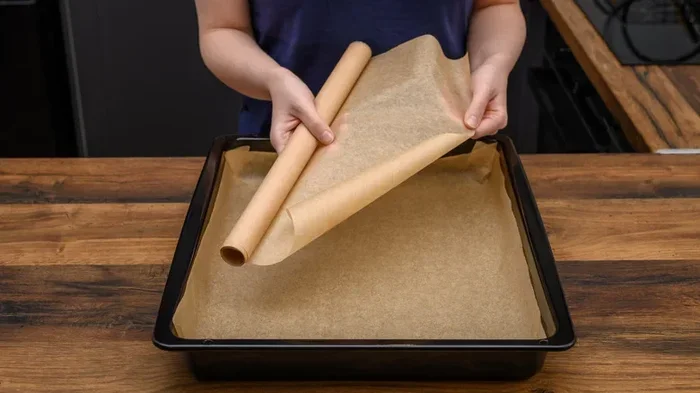
Another expert tip is to trim parchment paper to fit your baking sheet snugly. Loose paper can shift during baking and even touch the oven heating elements. A well-fitted piece of parchment paper ensures even baking and prevents accidents.
Finally, keep a fire extinguisher in your kitchen. Even with the best precautions, accidents can happen. Being prepared gives you peace of mind and adds an extra layer of safety to your cooking routine.
Final Thoughts on Wax Paper and Oven Safety
So, is wax paper safe to put in the oven? The answer is a clear and firm no. Wax paper is not designed for heat exposure. The wax coating melts at low temperatures, and the paper can burn or ignite at higher temperatures. Using wax paper in the oven is a safety risk that no one should take.
Instead, reach for parchment paper or a silicone baking mat when you need an oven-safe liner. These alternatives are affordable, widely available, and designed specifically for high-heat cooking and baking. They will give you the non-stick performance you want without the danger.
Wax paper remains a valuable kitchen tool for cold and room-temperature tasks. Use it for wrapping, storing, and prep work, and you will get the most out of this versatile product. Just remember to keep it away from heat, and you will enjoy a safe and happy cooking experience.
Understanding the difference between wax paper and parchment paper is one of the simplest yet most important kitchen skills you can develop. Take a moment to check your supplies, read the labels, and make the right choice every time. Your kitchen, your food, and your peace of mind will thank you.
Frequently Asked Questions
Can you put wax paper in the oven at a low temperature?
No. Even at low temperatures, wax paper is not safe for oven use. The wax coating begins to soften and melt at around 200°F, and most ovens operate well above that. Always use parchment paper or a silicone baking mat instead, regardless of the temperature setting.
What happens if you accidentally leave wax paper in the oven?
If the wax paper is exposed to heat, the wax will melt and the paper may scorch or catch fire. Turn off the oven immediately if you notice smoke or a burning smell. Remove the wax paper carefully once the oven has cooled. Check your food for any wax residue before eating.
Is wax paper the same as parchment paper?
No, they are not the same. Wax paper is coated with food-grade wax and is not heat resistant. Parchment paper is treated to withstand high temperatures and is safe for oven use. Always check the label to make sure you are using the right paper for the right task.
Can you use wax paper for baking cookies?
You can use wax paper to arrange cookie dough on a tray before baking. However, you must remove the wax paper before placing the tray in the oven. For baking cookies directly on a lined sheet, use parchment paper or a silicone baking mat instead.
What temperature does wax paper melt at?
Most wax papers have a melting point around 200°F (93°C). This is well below typical baking temperatures, which range from 300°F to 450°F. Because of this low melting point, wax paper should never be used inside a heated oven.
Are there any oven-safe wax papers available?
Standard wax paper is not oven safe. Some manufacturers may offer specialty products, but these are rare and clearly labeled for specific heat applications. For everyday baking and cooking, parchment paper and silicone baking mats are the safest and most reliable choices.
=== CONCLUSION ===
Wax paper is a handy kitchen tool, but it has clear limits. The answer to “is wax paper safe to put in the oven” is always no. Wax paper melts, smokes, and can even catch fire when exposed to oven heat. Always choose parchment paper or silicone baking mats for any task that involves high temperatures. Keep wax paper for cold storage, wrapping, and room-temperature prep. By making this simple switch, you protect your food, your kitchen, and your family. Safe cooking starts with the right tools, and now you have the knowledge to use them correctly every single time.