Everything You Need To Know About Conveyor Ovens Explained
A conveyor oven is a continuous cooking system that moves food along a belt through heated chambers for fast, consistent baking and cooking. These ovens are widely used in commercial food production, bakeries, and manufacturing plants to handle high volumes with excellent temperature control. Understanding how they work helps businesses boost throughput and maintain quality in every batch.
A conveyor oven is one of the most important tools in modern food production. If you have ever wondered how bakeries and snack factories produce thousands of loaves of bread, cookies, or pizza every hour, the answer is a conveyor oven. This machine uses a moving belt to carry food through heated sections, cooking each item evenly and quickly.
Unlike a regular home oven, a conveyor oven never stops moving. Food enters one end and exits the other, fully cooked, in a continuous flow. This design makes it perfect for businesses that need to cook large amounts of food in a short time. Whether you run a small bakery or a large food processing plant, understanding how a conveyor oven works can change the way you think about cooking at scale.
In this guide, we will break down everything you need to know. We will cover how these ovens work, the different types available, their many benefits, and how to pick the right one for your business. By the end, you will have a clear picture of why conveyor ovens are a game-changer in the food industry.
Key Takeaways
- Continuous Cooking: A conveyor oven moves food steadily through heat zones, enabling nonstop production lines and high-volume output.
- Multiple Types Available: From tunnel ovens to modular designs, there is a conveyor oven system for nearly every food application.
- Consistent Results: Automated heat transfer and thermal efficiency reduce human error and ensure uniform cooking every time.
- Wide Range of Uses: These ovens serve bakeries, snack factories, pizza chains, and food processing facilities worldwide.
- Smart Investment: Choosing the right commercial oven depends on throughput needs, space, energy efficiency, and budget.
- Easy Maintenance: Regular cleaning and belt inspection keep a baking conveyor running smoothly for years.
📑 Table of Contents
What Is A Conveyor Oven?
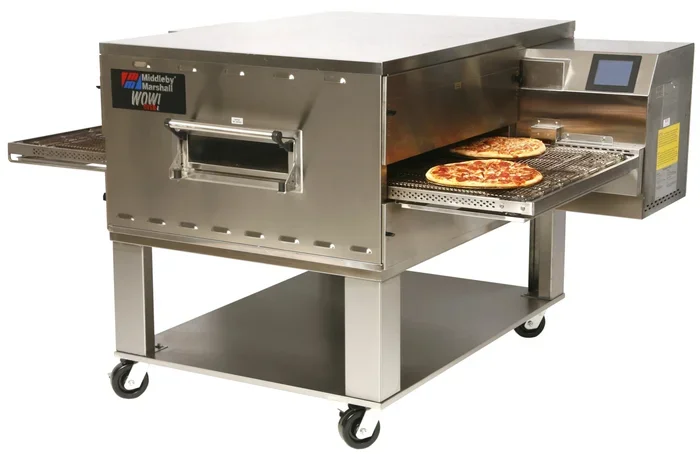
A conveyor oven is a cooking device that uses a belt or chain system to move food through a heated chamber. The food travels on a conveyor belt while it is exposed to heat from multiple sources. This setup allows for continuous cooking, which means the oven never has to be loaded and unloaded one item at a time.
Think of it like an assembly line, but for cooking. Raw or semi-prepared food goes in on one side, and perfectly cooked food comes out on the other. The speed of the belt controls how long each item spends in the heat, which directly affects how crispy, baked, or toasted it becomes.
Key Parts of a Conveyor Oven
Every conveyor oven has a few essential components that make it work:
- Conveyor Belt: This is the moving surface that carries the food. It is usually made of metal mesh or wire, which allows heat to pass through evenly.
- Heating Elements: These can be gas burners, electric coils, or infrared panels that generate the heat needed for cooking.
- Chamber: The enclosed space where the food travels through. It is designed to hold heat efficiently and maintain even temperature control.
- Drive Motor: This powers the belt movement and lets operators adjust the speed to match cooking requirements.
- Cooling Zone: Some models include a section at the end where food cools down before being removed.
Each part plays a role in delivering consistent heat transfer and reliable results. When all these components work together, the oven can handle a steady stream of food without any drop in quality.
How Is It Different From a Regular Oven?
A standard home oven heats a stationary space. You place food inside, close the door, and wait. A conveyor oven does the opposite. It moves food continuously through a heated tunnel, which means cooking happens nonstop. This difference is huge when you need to produce large quantities quickly.
Another key difference is thermal efficiency. Because a conveyor oven is designed for continuous use, it retains heat better and uses energy more wisely than a regular oven that heats up and cools down repeatedly.
How Does A Conveyor Oven Work?
The operation of a conveyor oven is straightforward, but the engineering behind it is impressive. Food is placed on the belt, either manually or through an automatic feeding system. The belt then moves the food into the heated chamber, where it passes through different temperature zones.
Each zone can be set to a different temperature, allowing for complex cooking processes in a single pass. For example, one zone might sear the surface of a product while another zone bakes the inside fully. This multi-zone capability is one of the biggest advantages of a baking conveyor system.
The Role of Belt Speed
The speed of the conveyor belt is one of the most important factors in cooking quality. Faster belt speeds mean less time in the heat, which produces lighter or less cooked results. Slower speeds mean more exposure to heat, which leads to darker, crispier, or more thoroughly cooked food.
Operators can adjust the belt speed based on the product being cooked and the desired outcome. This level of control is what makes conveyor ovens so versatile. A pizza bakery might use a slower speed for thick-crust pies and a faster speed for thin-crust pizzas, all on the same machine.
Heat Sources and Temperature Control
Conveyor ovens can use different heat sources depending on the application:
- Electric Heaters: These are common in smaller commercial ovens and offer precise temperature control.
- Gas Burners: Gas-powered models are popular in high-volume food production because they deliver strong, consistent heat at lower operating costs.
- Infrared Panels: These provide direct radiant heat, which cooks food faster and more evenly than conventional methods.
Most modern conveyor oven systems come with digital controls that let operators set exact temperatures for each zone. This ensures every batch comes out the same way, which is critical for maintaining brand consistency in mass production settings.
Types Of Conveyor Ovens
Not all conveyor ovens are the same. Different industries need different designs, and manufacturers have created several types to meet those needs. Let us look at the most common ones.
Tunnel Ovens
A tunnel oven is the most traditional type of conveyor oven. It has a long, enclosed chamber that resembles a tunnel. The belt runs through the entire length, and food enters at one end and exits at the other. Tunnel ovens are ideal for bread baking, biscuit production, and any application that requires long, even cooking.
These ovens are built for high throughput and can run for hours without stopping. They are a staple in large food processing plants where volume is the top priority.
Modular Conveyor Ovens
Modular ovens are designed with separate sections that can be added or removed based on production needs. This flexibility makes them popular among businesses that may need to scale up or change their cooking process over time. Each module can have its own heating element, so you can customize the heat treatment for different products.
Vertical Conveyor Ovens
A vertical conveyor oven uses an upward-moving belt instead of a horizontal one. This design saves floor space, which is a major advantage in busy kitchens and smaller production facilities. Vertical models are often used for toasting, baking, and drying applications where space is limited but output still needs to be high.
Inline Conveyor Ovens
Inline ovens are designed to integrate directly into an existing production line. They connect seamlessly with other equipment like mixers, formers, and packaging machines. This integration reduces the need for manual handling and speeds up the entire process from raw ingredient to finished product.
Benefits Of Using A Conveyor Oven
Switching to a conveyor oven offers many advantages for food businesses. Here are the most compelling reasons why so many companies in the food industry rely on them.
High Throughput and Efficiency
The biggest benefit of a conveyor oven is its ability to handle massive volumes. While a traditional oven might bake a few trays at a time, a conveyor oven processes food continuously. This means higher throughput, faster turnaround times, and the ability to meet large orders without stress.
For businesses that supply restaurants, grocery stores, or distributors, this efficiency is essential. A baking conveyor system can produce hundreds or even thousands of units per hour, depending on the model and product.
Consistent Quality
Human error is one of the biggest challenges in cooking. With a conveyor oven, the process is automated. Once the settings are dialed in, every item receives the same amount of heat for the same amount of time. This consistency is invaluable for brands that need every product to look and taste the same.
Temperature control is precise and repeatable. You will not get undercooked or overcooked batches because the machine does the work for you.
Energy Savings
Conveyor ovens are designed for thermal efficiency. Because they run continuously, they do not waste energy on repeated heating and cooling cycles. Many modern models also include insulation and heat recovery systems that further reduce energy consumption.
Over time, these savings can be significant, especially for businesses running multiple shifts or producing at high volumes. A well-maintained conveyor oven system can lower your energy bills while still delivering excellent cooking results.
Reduced Labor Costs
Automation is a major advantage. With a conveyor oven, fewer workers are needed to monitor and operate the cooking process. The belt moves the food automatically, and digital controls handle temperature settings. This frees up staff to focus on other important tasks, like quality checks or packaging.
Common Applications
Conveyor ovens are used across many sectors of the food industry. Their versatility makes them suitable for a wide range of products and cooking methods.
Bakeries and Bread Production
Bakeries are one of the most common users of conveyor ovens. From sandwich bread to baguettes, a baking conveyor can handle loaves of all sizes at high speed. The consistent heat ensures every loaf rises and bakes evenly, which is critical for quality bread.
Pizza Chains and Restaurants
Fast-casual pizza chains depend on conveyor ovens to cook hundreds of pizzas every day. The even heat transfer ensures the crust is crispy and the cheese is perfectly melted every time. Popular chains around the world rely on these ovens as a core part of their cooking system.
Snack and Chip Manufacturing
Snack factories use conveyor ovens for baking and frying potato chips, pretzels, and other snack products. The precise temperature control ensures each batch has the right texture and color. These ovens also handle seasonings well, since the consistent heat helps them adhere evenly.
Meat and Poultry Processing
Food processing plants use conveyor ovens for cooking, roasting, and heat treatment of meat and poultry products. The continuous belt system allows for efficient processing of large quantities while maintaining food safety standards.
Drying and Dehydration
Beyond cooking, conveyor ovens are also used for drying fruits, vegetables, herbs, and other products. By adjusting the temperature and belt speed, operators can control the moisture content precisely. This makes them valuable in the production of dried snacks, jerky, and herbal teas.
How To Choose The Right Conveyor Oven
Picking the right conveyor oven for your business requires careful thought. The wrong choice can lead to wasted space, higher costs, and inconsistent results. Here are the key factors to consider.
Assess Your Production Volume
Start by understanding how much food you need to produce. A small bakery might only need a compact commercial oven with a narrow belt, while a large food processing plant requires a wide, high-speed tunnel oven. Match the oven capacity to your current needs and future growth plans.
Consider the Products You Cook
Different products require different cooking conditions. Thin crackers need high heat for a short time, while dense bread loaves need lower heat for longer. Think about what you are cooking and choose a conveyor oven that can handle those requirements.
Evaluate Space and Layout
Measure the available space in your facility. A vertical conveyor oven might be the best choice if floor space is limited. For larger facilities, a horizontal tunnel oven might fit better and offer higher capacity.
Check Energy Efficiency
Look for models with strong thermal efficiency ratings. Electric models are often easier to install, while gas models tend to have lower running costs. Consider your local energy prices and availability when making this decision.
Budget and Return on Investment
Conveyor ovens represent a significant investment, but they pay for themselves over time through increased throughput, lower labor costs, and consistent product quality. Calculate the potential return based on your production goals before making a purchase.
Quick Tips for Maintenance
- Clean the belt regularly to prevent grease buildup and ensure even cooking.
- Inspect heating elements monthly for signs of wear or damage.
- Lubricate moving parts according to the manufacturer’s schedule.
- Calibrate temperature sensors at least once every quarter.
- Keep a log of maintenance activities to track the oven’s health over time.
Common Mistakes to Avoid
One common mistake is buying an oven that is too small for your needs. This leads to bottlenecks and missed production targets. Another mistake is ignoring temperature control settings. Always test and calibrate your oven before starting full production runs. Skipping regular maintenance is also a costly error that can shorten the life of your conveyor oven system and lead to uneven cooking results.
Conclusion
A conveyor oven is more than just a cooking machine. It is the backbone of modern food production, enabling businesses to cook faster, more consistently, and more efficiently than ever before. Whether you are baking bread, cooking pizza, or drying snacks, the right conveyor oven can transform your operations.
From tunnel ovens to modular designs, there is a conveyor oven for every need and budget. The key is understanding your production goals, choosing the right type, and maintaining the equipment properly. With the right conveyor oven in place, you can scale up your food processing operations with confidence, knowing that every product will come out perfectly cooked every single time.
If you are considering adding a conveyor oven to your business, now is the time to explore your options. The investment pays off quickly through higher output, lower costs, and the quality that your customers deserve.
Frequently Asked Questions
What is a conveyor oven used for?
A conveyor oven is used for continuous cooking, baking, toasting, and drying in commercial food production. It is ideal for bakeries, pizza chains, snack factories, and food processing plants that need to produce large volumes of food quickly and consistently.
How does a conveyor oven differ from a regular oven?
A regular oven cooks food in a stationary chamber, while a conveyor oven moves food continuously on a belt through heated zones. This allows for nonstop production lines and much higher throughput compared to traditional ovens.
What types of conveyor ovens are available?
Common types include tunnel ovens, modular ovens, vertical ovens, and inline ovens. Each type is designed for specific applications and space requirements, making conveyor ovens versatile for many different food production needs.
Are conveyor ovens energy efficient?
Yes, modern conveyor ovens are designed for excellent thermal efficiency. Because they run continuously, they avoid the energy waste of repeated heating and cooling cycles. Many models also feature advanced insulation and heat recovery systems.
How do I maintain a conveyor oven?
Regular maintenance includes cleaning the belt, inspecting heating elements, lubricating moving parts, and calibrating temperature sensors. Following the manufacturer’s maintenance schedule will keep your conveyor oven system running smoothly and extend its lifespan.
Can a conveyor oven handle different types of food?
Absolutely. Conveyor ovens are highly versatile and can be used for bread, pizza, snacks, meat, dried fruits, and much more. By adjusting belt speed and temperature control settings, operators can customize the cooking process for a wide variety of products.