How To Use Aga Oven Simple Steps For Delicious Results
Learning how to use Aga oven is easier than you think. This guide walks you through every step, from understanding your controls to cooking mouthwatering meals. You will master temperature zones, roasting, baking, and slow cooking with confidence. Whether you are a beginner or a seasoned cook, these tips will transform your Aga cooking experience.
There is something magical about an Aga oven. It sits in your kitchen like a trusty friend, always ready to help you cook something wonderful. Many people admire these classic range cookers but feel unsure about how to use them. The good news is that once you understand the basics, Aga oven cooking becomes second nature.
This guide will walk you through every step. You will learn about the controls, the different heat zones, and how to prepare meals that impress everyone at the table. Whether you just bought your first Aga range cooker or have had one for years, there is always something new to discover. Let us dive in and make your cooking journey fun and rewarding.
Key Takeaways
- Understand Your Zones: Each Aga oven has distinct heat zones for different cooking needs.
- Master the Controls: Knowing your knobs and settings is the first step to perfect cooking.
- Use the Right Temperature: Matching dishes to the correct heat zone makes a big difference.
- Maintain Regularly: Proper cleaning and care keeps your Aga running smoothly for years.
- Avoid Common Mistakes: Skipping preheating and overloading the oven are top errors to dodge.
- Experiment Freely: Once you understand the basics, creativity in the kitchen knows no bounds.
📑 Table of Contents
Understanding Your Aga Oven
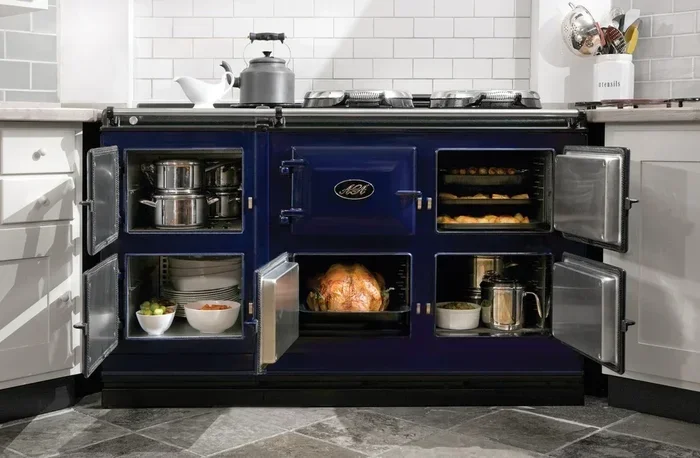
A traditional Aga oven is a cast iron range cooker that has been around for nearly a century. Unlike modern ovens with digital screens, the Aga uses a simple, mechanical design. The heavy cast iron body stores heat and spreads it evenly across all cooking areas. This is what makes Aga cooking so special and consistent.
The oven has different compartments, each with its own temperature. The hotplate at the top provides direct heat for frying and sautéing. Below that, you will find the boiling ring and the simmering ring. The main oven sits in the middle, and the warming drawer is at the bottom. Each part plays a role in your daily cooking routine.
The Cast Iron Advantage
The cast iron construction of an Aga cooker is its greatest strength. It absorbs heat slowly and releases it evenly. This means there are no hot spots inside the oven. Your food cooks uniformly, which is perfect for roasting and baking. The heavy doors seal tightly, keeping heat locked inside for maximum energy efficiency.
Cast iron also means the oven stays warm for a long time. Even after you turn off the controls, the residual heat keeps cooking your food gently. This is ideal for slow cooking dishes like stews and casseroles. It is like having a built-in timer that never runs out.
Getting To Know The Controls
Before you start cooking, it helps to understand the Aga oven controls. The knobs may look simple, but they control a lot of functions. Each knob manages a specific part of the cooker. Learning what they do is the key to mastering Aga oven settings.
The main Aga control knobs include switches for the hotplate, boiling ring, simmering ring, main oven, and warming drawer. Some models also have a separate control for the roasting compartment. Each knob has positions marked with numbers or symbols. Understanding these markings will make your life much easier.
Reading the Knob Positions
The hotplate knob usually has a low, medium, and high setting. The boiling ring is the most powerful and reaches the highest temperature quickly. The simmering ring stays at a lower, gentler heat. This dual-ring design gives you flexibility for different cooking tasks.
The main oven knob controls the overall temperature of the central compartment. Most Aga ovens operate between 250 and 450 degrees Fahrenheit. The warming drawer sits at a lower temperature, perfect for keeping dishes warm before serving. Knowing these positions helps you plan your meals better.
Mastering Different Cooking Zones
One of the best things about an Aga range cooker is the multiple cooking zones. Each zone has a specific temperature range and purpose. Learning how to use each zone is essential for great results. Once you understand the zones, you can cook several dishes at once with ease.
The Hotplate Zone
The hotplate sits on the top of the cooker. It provides direct, intense heat for frying, searing, and sautéing. Use the hotplate for cooking bacon, frying eggs, or browning meat. The Aga hotplate heats up quickly and maintains a steady temperature. This makes it perfect for everyday cooking tasks.
Always preheat the hotplate before adding food. Place your pan on the surface and let it warm for a minute or two. This prevents food from sticking and ensures even cooking. The hotplate also works well for making sauces and reducing liquids.
The Boiling and Simmering Rings
Below the hotplate, you will find two rings. The boiling ring delivers high heat for bringing water to a rapid boil. Use it for pasta, rice, and vegetables. The simmering ring stays at a lower temperature, ideal for gentle cooking. It is perfect for soups, stews, and delicate sauces.
The beauty of these two rings is that you can use them together. Start boiling water on the boiling ring while simmering your sauce on the other. This saves time and makes your cooking process more efficient. Aga range cooking shines when you use all the zones at once.
The Main Oven Zone
The main oven is the heart of the Aga cooker. It provides consistent, moderate heat for roasting, baking, and slow cooking. The temperature stays even throughout the cavity, which means your roasts come out perfectly cooked every time. Use the main oven for Sunday roasts, baked potatoes, and casseroles.
The main oven also works beautifully for baking bread and pastries. The steady heat creates a wonderful crust on loaves of bread. Cakes and cookies bake evenly without the need for rotating pans. This is one reason why many home bakers love their Aga ovens.
The Warming Drawer
At the bottom of the cooker, the warming drawer keeps dishes at serving temperature. It operates at a low, gentle heat. Use it to warm plates before a dinner party or to keep food hot while you finish other dishes. The warming drawer is also great for proofing bread dough.
Do not overload the warming drawer with too many dishes. Give each item space so the heat can circulate properly. This small compartment is a handy feature that sets the Aga apart from many modern ovens.
Step By Step Cooking Guide
Now that you know your way around the Aga oven, let us talk about how to cook with it. Following a simple process every time will help you achieve consistent, delicious results. The steps below cover everything from preheating to serving.
Step 1: Preheat Your Aga Oven
Preheating is essential when using an Aga stove. Unlike electric ovens that heat up in minutes, the Aga takes longer. Plan ahead and give your oven at least 20 to 30 minutes to reach the desired temperature. This waiting period is worth it for the even heat it provides.
To preheat, turn the main oven knob to the correct setting. If you are roasting at high heat, set the knob to a higher number. For gentle baking, use a lower setting. The oven will slowly absorb heat until it reaches the target cooking temperature. You can use an oven thermometer to check if you are unsure.
Step 2: Choose the Right Cooking Method
Decide what cooking method suits your dish best. Roasting works well for meats and root vegetables. Baking is ideal for bread, cakes, and pastries. Slow cooking is perfect for tough cuts of meat and hearty stews. Each method uses a different temperature zone inside the Aga.
Think about the dish you want to make and match it to the right zone. A beef roast goes in the main oven at high heat. A quiche bakes best at a moderate temperature. Soups and stews benefit from the simmering ring or a low oven setting. Making the right choice improves your results every time.
Step 3: Set the Temperature and Timer
Once you know your cooking method, set the temperature. Most Aga oven temperature guides recommend starting with a medium setting and adjusting from there. Aga ovens are forgiving, so small temperature variations do not ruin your food. This makes them great for beginners.
Use a timer to keep track of cooking times. Since the Aga does not have a built-in digital timer, use your phone or a kitchen timer. Check your food regularly, especially during the first few times you cook with it. Over time, you will learn exactly how long each dish takes.
Step 4: Monitor and Adjust
One of the joys of cooking in an Aga oven is the hands-on experience. You can open the oven door to check on your food without losing much heat. Peek at your roast or bread to see how it is progressing. If the top is browning too fast, you can adjust the knob slightly.
Trust your senses when cooking. The smell of roasting meat tells you things are going well. The sound of a sizzling pan on the hotplate means your heat is right. Over time, you will develop an instinct for when your food is ready. This connection with your food is what makes Aga cooking so rewarding.
Step 5: Rest and Serve
After cooking, let your food rest before serving. Roasted meats benefit from a 10 to 15 minute rest. This allows the juices to redistribute, making the meat tender and flavorful. Use the warming drawer to keep side dishes hot while you rest the main course.
Serve your meal with confidence. When you cook with an Aga range cooker, the results speak for themselves. Your family and guests will notice the difference in taste and texture. Aga cooking rewards those who take the time to understand their appliance.
Maintenance And Care Tips
Taking care of your Aga oven ensures it lasts for decades. These cookers are built to endure, but regular maintenance keeps them running at their best. A well-maintained Aga also cooks more efficiently, saving you energy and money.
Daily Cleaning Routine
Wipe down the hotplate and simmering ring after each use. Food residue can build up quickly, especially on the cast iron surface. Use a damp cloth with a mild detergent to clean the exterior. For stubborn stains, a paste of baking soda and water works wonders.
Inside the oven, remove any crumbs or food debris regularly. A clean oven cooks better and smells fresher. The Aga warming drawer also needs occasional cleaning to prevent grease buildup. Keeping everything tidy takes just a few minutes each day.
Deep Cleaning Schedule
Set aside time each month for a deeper clean. Remove the oven shelves and soak them in warm soapy water. Scrub the interior walls with a gentle oven cleaner. Pay special attention to the door seals, as grease can accumulate there over time.
For the cast iron exterior, use a specialized Aga cleaner or a mix of vinegar and water. Avoid abrasive scrubbers that could scratch the surface. Regular deep cleaning prevents smoke and odors during cooking. It also helps maintain the energy efficiency of your cooker.
Seasoning and Protecting the Cast Iron
The cast iron parts of your Aga stove benefit from occasional seasoning. Rub a thin layer of vegetable oil onto the cold cast iron surfaces. Heat the oven to a low temperature for about an hour. This creates a natural protective layer that prevents rust and improves cooking performance.
Seasoning also helps with food release. Pots and pans on a well-seasoned Aga cook better and clean up more easily. Make this part of your seasonal maintenance routine. Your Aga will thank you with years of reliable performance.
Common Mistakes To Avoid
Even experienced cooks make mistakes with their Aga oven. Learning from common errors helps you avoid frustration and wasted food. Here are some pitfalls to watch out for.
Skipping Preheat
One of the biggest mistakes is not preheating long enough. The Aga oven needs time to build up heat evenly. Putting food in too early leads to uneven cooking and longer preparation times. Always give your oven the full preheat time before adding your dish.
Overloading the Oven
It can be tempting to fit as much food as possible into the oven. However, overcrowding blocks air circulation and leads to uneven cooking. Give each dish enough space to cook properly. If you need to cook multiple items, consider using different zones or cooking in batches.
Ignoring Temperature Zones
Every Aga oven has distinct temperature zones. Ignoring them means you might roast at the wrong temperature. High-heat dishes belong in the upper or main oven. Gentle warming belongs in the lower drawer. Using the right zone for each dish makes a noticeable difference in quality.
Neglecting Regular Maintenance
Skipping cleaning and maintenance leads to poor performance over time. Built-up grease affects smoke output and cooking efficiency. A neglected Aga may also develop unpleasant odors. Stick to a regular cleaning schedule and your cooker will reward you with great food every day.
Expert Tips For Better Aga Cooking
Want to take your Aga oven cooking to the next level? These expert tips will help you get the most out of your range cooker. Small changes in technique can lead to big improvements in flavor and texture.
Use heavy cookware. Cast iron and thick steel pans work best in an Aga. They distribute heat evenly and withstand high temperatures. Thin pans can warp or cause food to cook unevenly.
Keep a cooking journal. Note down temperatures and times for your favorite dishes. Over time, you will build a personal reference guide for Aga oven recipes. This makes cooking faster and more consistent.
Experiment with slow cooking. The Aga is perfect for low and slow dishes. Try braised meats, overnight oatmeal, or slow-cooked soups. The gentle, steady heat brings out deep, rich flavors.
Invest in an oven thermometer. While Aga ovens are reliable, a thermometer helps you fine-tune your settings. It is especially useful when you are trying a new recipe. Place it in the center of the oven for the most accurate reading.
Make the most of residual heat. After turning off the oven, it stays warm for a while. Use this residual heat to proof bread dough or keep a dish warm. This is a great way to save energy and get more from your cooker.
Conclusion
Learning how to use Aga oven opens up a world of delicious possibilities. From roasting Sunday dinners to baking fresh bread, your Aga can do it all. The key is understanding the controls, using the right cooking zones, and taking good care of your cooker.
With practice, Aga range cooking becomes a joy rather than a challenge. The even heat, the cast iron quality, and the timeless design make every meal special. Follow the steps in this guide, avoid common mistakes, and trust your instincts in the kitchen.
Your Aga cooker is more than an appliance. It is a kitchen companion that brings warmth and flavor to every dish you prepare. Start experimenting today, and you will discover why so many people love cooking with their Aga. Happy cooking!
Frequently Asked Questions
How long does it take to preheat an Aga oven?
A standard Aga oven takes about 20 to 30 minutes to preheat. The cast iron body heats up slowly but retains heat very well. For high-heat cooking, give it extra time to reach the right temperature.
Can I bake bread in an Aga oven?
Yes, baking bread in an Aga oven produces excellent results. The even heat distribution creates a beautiful crust and a soft interior. Many bakers prefer the Aga for its consistent, gentle warmth that is perfect for loaves and pastries.
What is the best way to clean an Aga oven?
Wipe down surfaces after each use with a damp cloth. For deeper cleaning, use a gentle oven cleaner and warm soapy water. Avoid abrasive materials that could scratch the cast iron finish.
Is an Aga oven energy efficient?
Aga ovens can be energy efficient, especially older models with cast iron construction. The heavy body retains heat well, reducing the need for constant reheating. Modern Aga models also offer improved energy efficiency features.
Can I use regular pans on an Aga hotplate?
Yes, you can use regular pans on the Aga hotplate. However, heavy-bottomed pans made of cast iron or thick steel work best. They distribute heat evenly and prevent hot spots that can burn your food.
What temperature should I use for roasting meat in an Aga oven?
For roasting meat, set the main oven to a high temperature, typically around 400 to 450 degrees Fahrenheit. This creates a good sear on the outside while keeping the inside juicy. Reduce the temperature after the initial sear for slower, more even cooking.