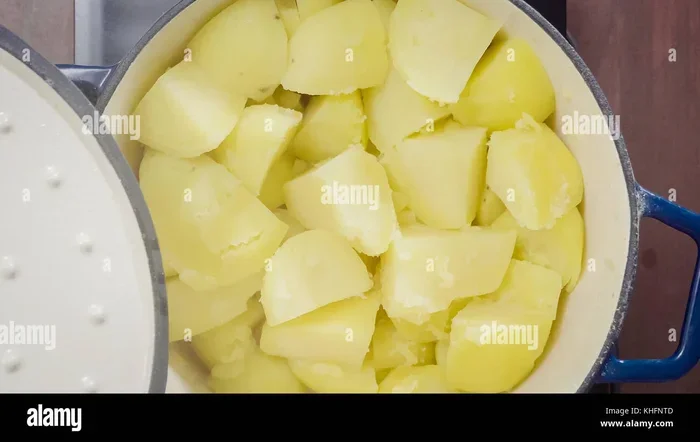
Can You Boil Potatoes In A Dutch Oven The Right Way
Yes, you can absolutely boil potatoes in a dutch oven, and it is one of the best ways to cook them evenly. A dutch oven provides excellent heat distribution and retains warmth perfectly, making it ideal for potato cooking. This guide covers everything from choosing the right potato type to timing and seasoning your dutch oven potatoes like a pro.
Have you ever stood over your stove wondering whether your trusty dutch oven is the right tool for boiling potatoes? Maybe you have one sitting on your shelf and you are not sure if it can handle the job. The good news is that boiling potatoes in a dutch oven is not only possible but actually one of the best ways to cook them.
A dutch oven is a heavy, thick-walled cooking pot with a tight-fitting lid. It distributes heat evenly and holds temperature beautifully. This makes it perfect for potato cooking of all kinds. Whether you want soft mashed potatoes, hearty potato soup, or simple boiled sides, a cast iron pot or enameled Dutch oven gets the job done right.
In this guide, we will walk through everything you need to know about can you boil potatoes in a dutch oven. We will cover potato types, timing, seasoning, and common pitfalls. By the end, you will feel confident using your Dutch oven for all your potato recipes.
Key Takeaways
- A dutch oven works great for boiling potatoes: Its heavy construction ensures even heat and consistent results.
- Choose the right potato variety: Yukon Gold, Russet, and red potatoes all perform differently in a dutch oven.
- Timing matters: Most potato pieces boil in 15 to 25 minutes depending on size and type.
- Season at the right stages: Salt the water early and add herbs during or after cooking for best flavor.
- Avoid common mistakes: Overcrowding the pot, using cold water incorrectly, and lifting the lid too often can ruin your results.
- A dutch oven doubles as a versatile cooking vessel: You can boil, simmer, bake, and roast with the same pot.
📑 Table of Contents
- Why Use a Dutch Oven for Boiling Potatoes
- Choosing the Right Potatoes for Dutch Oven Boiling
- How to Boil Potatoes in a Dutch Oven Step by Step
- Quick Tips for Perfect Dutch Oven Potatoes
- Common Mistakes to Avoid When Boiling Potatoes in a Dutch Oven
- Best Dutch Oven Potato Recipes to Try
- The Science Behind Boiling Potatoes in a Dutch Oven
- Key Takeaways
- Conclusion
Why Use a Dutch Oven for Boiling Potatoes
You might wonder why you should bother using a dutch oven instead of a regular saucepan. The answer comes down to heat control and versatility. A heavy bottom pot like a Dutch oven offers advantages that regular pots simply cannot match.
Even Heat Distribution
A dutch oven is made from thick materials like cast iron or enameled steel. This means heat spreads across the bottom and sides evenly. When you are boiling potatoes, hot spots can cause some pieces to cook too fast while others stay hard. A Dutch oven prevents this problem. Your potato pieces cook at the same rate, giving you uniform results every time.
Heat Retention
Another big advantage is heat retention. Once your water reaches a boil, a dutch oven holds that temperature steady. You do not need to crank the burner up high. A medium or low simmer works perfectly. This saves energy and prevents your potatoes from bouncing around too aggressively, which can break them apart.
Versatility Beyond Boiling
A dutch oven is a true kitchen staple. You can use it for boiling potatoes, then switch to baking, roasting, or stewing without washing and switching pots. This makes meal prep faster and easier. If you love dutch oven cooking, you already know this pot does it all.
Better Flavor Development
When you boil potatoes in a dutch oven, the lid traps steam and flavor. The closed environment helps seasonings penetrate the potatoes more deeply. You get tastier boiled potatoes compared to an open saucepan where steam escapes freely.
Choosing the Right Potatoes for Dutch Oven Boiling
Not all potatoes are created equal. The type of potato you choose affects texture, cooking time, and how well they hold up in a dutch oven. Let us look at the best options.
Yukon Gold Potatoes
Yukon Gold potatoes are a top choice for dutch oven potatoes. They have a buttery, creamy texture and thin, edible skins. They hold their shape well after boiling, which makes them great for potato salads or side dishes. Their medium starch content means they cook evenly in a heavy bottom pot.
Russet Potatoes
Russet potatoes are high in starch and have thick, rough skins. They boil well in a dutch oven but tend to break apart more easily. They are ideal for mashing after boiling. If you want fluffy mashed potatoes, Russets work wonderfully in your cast iron pot.
Red Potatoes
Red potatoes are waxy and firm. They hold their shape during potato boiling and have a smooth, creamy interior. They are excellent for soups and stews cooked in a dutch oven. Their thin skins add a nice texture and color to your dish.
New Potatoes
New potatoes are small, young potatoes with thin skins. They boil quickly and stay firm. They are perfect for dutch oven recipes where you want bite-sized potato pieces. Their cooking time is shorter than larger varieties, so keep an eye on them.
Comparison Table: Potato Varieties for Dutch Oven Boiling
| Potato Type | Texture After Boiling | Best For | Cooking Time |
|---|---|---|---|
| Yukon Gold | Creamy, holds shape | Salads, sides | 15-20 min |
| Russet | Fluffy, breaks apart | Mashing, baking | 20-25 min |
| Red Potato | Firm, smooth | Soups, stews | 15-20 min |
| New Potatoes | Firm, thin skin | Boiled sides | 10-15 min |
How to Boil Potatoes in a Dutch Oven Step by Step
Now that you know why a dutch oven works so well and which potatoes to choose, let us get into the actual process. Follow these steps for perfect boiled potatoes every single time.
Step 1: Wash and Prep Your Potatoes
Start by rinsing your potatoes under cold water. Use a vegetable brush to scrub off any dirt. You can peel them if you prefer, but leaving the skins on adds nutrients and texture. Cut larger potatoes into even pieces so they cook at the same rate. Uneven potato pieces lead to some being overcooked and others still hard.
Step 2: Add Potatoes to the Dutch Oven
Place your potato pieces into the dutch oven. Do not overcrowd the pot. You want enough room for the potatoes to move around freely. Overcrowding causes uneven cooking and can make your potatoes mushy. A good rule is to fill the pot no more than two-thirds full.
Step 3: Add Cold Water and Salt
Cover the potatoes with cold water. The water should sit about one inch above the potatoes. Adding cold water helps the potatoes cook evenly from the outside in. Add salt generously, about one tablespoon per quart of water. The salt seasons the potatoes from the inside as they absorb water during potato boiling.
Step 4: Bring to a Boil
Place the dutch oven on the stove over medium-high heat. Let the water come to a rolling boil. The heavy construction of the pot means it may take a few extra minutes to reach a boil compared to a thin saucepan. That is perfectly fine. The extra thermal mass helps maintain a steady boil once you get there.
Step 5: Reduce Heat and Simmer
Once the water boils, reduce the heat to medium-low. You want a gentle simmer, not a vigorous rolling boil. A calm simmer cooks potatoes more gently and prevents them from breaking apart. Let them cook for 15 to 25 minutes depending on the size of your potato pieces and the variety you chose.
Step 6: Test for Doneness
After about 15 minutes, test a potato piece by poking it with a fork. It should slide in easily with no resistance. If it still feels hard, continue cooking for another 3 to 5 minutes and test again. Different potato types have different cooking times, so always test before draining.
Step 7: Drain and Season
Once your potatoes are tender, carefully pour out the hot water using a colander or lid. Return the potatoes to the warm dutch oven and add butter, fresh herbs, or your favorite seasonings. Toss gently to coat. Serve immediately for the best taste and texture.
Quick Tips for Perfect Dutch Oven Potatoes
Here are some quick tips that make a big difference in your dutch oven potato cooking results:
- Start with cold water every time. Hot water cooks the outside of the potatoes faster than the inside, leading to uneven texture.
- Do not lift the lid too often. Every time you lift the lid, you lose heat and steam. This extends your cooking time and lowers the water temperature.
- Use enough water. The potatoes should be fully submerged. Too little water means uneven cooking and starchy, sticky water.
- Add vinegar to the water. A splash of white vinegar (about one teaspoon) helps potato skins hold their shape during potato boiling.
- Season the water, not just the potatoes. Salting the cooking water is the best way to season potatoes from the inside out.
- Let potatoes sit in the water for 2 to 3 minutes after draining. This helps steam off excess moisture and gives you a smoother texture for mashing.
Expert Insight
Professional chefs often recommend adding potatoes to cold, salted water and bringing the whole pot to a boil together. This technique, called “start from cold,” ensures the entire potato cooks evenly from edge to center. A dutch oven is especially well-suited for this method because of its superior heat retention.
Common Mistakes to Avoid When Boiling Potatoes in a Dutch Oven
Even experienced cooks make mistakes when boiling potatoes in a dutch oven. Here are the most common errors and how to avoid them.
Overcrowding the Pot
stuffing too many potatoes into your dutch oven is the number one mistake. When potatoes are crammed together, they cook unevenly and turn to mush. Give each piece room to move. If you have a large batch, cook them in two separate rounds.
Using Hot Water Instead of Cold
Some people skip the cold water step and add potatoes to already boiling water. This causes the outside to cook faster than the inside. The result is potatoes that are falling apart on the outside but still hard in the middle. Always start with cold water for even stovetop cooking.
Boiling Too Vigorously
A hard boil beats your potatoes against each other and the sides of the pot. This breaks them apart and makes them cloudy and starchy. Keep the heat at medium-low once boiling starts and let the potatoes simmer gently until done.
Under-Salting the Water
If your boiled potatoes taste bland, the problem is usually under-salted water. The potatoes absorb salt as they cook. Be generous with your seasoning. A well-salted cooking liquid is the secret to flavorful dutch oven potatoes.
Peeling Before Boiling
Many people peel potatoes before boiling them. This is a mistake. The skin protects the potato during cooking and holds its shape better. Peel after boiling when the skin slides off easily. If you are using Yukon Gold or red potatoes, the thin skins are delicious and nutritious.
Best Dutch Oven Potato Recipes to Try
Once you master the basics of boiling potatoes in a dutch oven, you can explore delicious recipes that use this technique as a starting point.
Classic Buttered Potatoes
Boil your potatoes until fork-tender, drain them, and return them to the warm dutch oven. Add butter, fresh parsley, garlic, and a pinch of black pepper. Toss gently and serve warm. This simple side dish pairs with almost any protein.
Dutch Oven Potato Salad
Boil red or Yukon Gold potatoes until just tender. Let them cool slightly, then cut into chunks. Mix with mayonnaise, mustard, celery, red onion, and fresh dill. The dutch oven keeps the potatoes at the perfect temperature for mixing and serving.
Hearty Potato Soup
Use your dutch oven to boil potato chunks, then add broth, cream, cheese, and vegetables. Let everything simmer together for a rich, comforting soup. The heavy lid of a dutch oven traps all the flavors inside.
Herbed Garlic Potatoes
Boil potato wedges in salted water, then toss them with olive oil, minced garlic, rosemary, and thyme. Return the pot to low heat for a few minutes to let the herbs infuse. These make an excellent side dish for roasted meats.
The Science Behind Boiling Potatoes in a Dutch Oven
Understanding why a dutch oven works so well for potato cooking comes down to basic physics. The thick walls of a Dutch oven act as a thermal battery. They absorb heat slowly and release it steadily. This creates a stable cooking environment that is hard to replicate with thinner pots.
When you place a dutch oven on the stovetop, the bottom and sides absorb heat from the burner. The thick material spreads this heat across the entire surface. There are no hot spots or cold zones. Every potato piece in the pot receives the same amount of heat.
The tight-fitting lid of a dutch oven plays an important role too. It traps steam inside the pot. This steam circulates around the potatoes, cooking them gently from all sides. The result is potatoes that are tender and evenly cooked throughout.
Compared to a thin saucepan, a dutch oven takes longer to heat up but holds its temperature much better. When you add cold potatoes to boiling water, a regular pot might lose a significant amount of heat. A dutch oven barely flinches. It recovers quickly and maintains a steady simmer. This is why dutch oven cooking produces such consistent results.
The material of your dutch oven also matters. Cast iron Dutch ovens offer superior heat retention. Enameled versions provide the same benefits with easier cleanup. Stainless steel Dutch ovens work well too, though they may not retain heat quite as long. No matter which type you own, you can achieve excellent boiled potatoes with the right technique.
Key Takeaways
- A dutch oven works great for boiling potatoes: Its heavy construction ensures even heat and consistent results.
- Choose the right potato variety: Yukon Gold, Russet, and red potatoes all perform differently in a dutch oven.
- Timing matters: Most potato pieces boil in 15 to 25 minutes depending on size and type.
- Season at the right stages: Salt the water early and add herbs during or after cooking for best flavor.
- Avoid common mistakes: Overcrowding the pot, using cold water incorrectly, and lifting the lid too often can ruin your results.
- A dutch oven doubles as a versatile cooking vessel: You can boil, simmer, bake, and roast with the same pot.
Conclusion
The answer to can you boil potatoes in a dutch oven is a resounding yes. In fact, it is one of the best ways to cook potatoes you can choose. A dutch oven gives you even heat, great flavor, and perfectly tender results every time.
Whether you prefer Yukon Gold, Russet, red potatoes, or new potatoes, your dutch oven handles them all beautifully. The key is to start with cold salted water, simmer gently, and avoid the common mistakes we covered in this guide.
Now that you know the right way to boil potatoes in a dutch oven, it is time to put this knowledge to work. Grab your pot, pick your favorite potato variety, and try one of the recipes we shared. You will be amazed at how simple and satisfying dutch oven potato cooking can be. Your kitchen staple just became even more essential.
Experiment with different seasonings, try new potato recipes, and enjoy the process. Cooking should be fun, and a dutch oven makes it easy. Happy cooking!
Frequently Asked Questions
Can you boil potatoes in a Dutch oven on an electric stove?
Yes, absolutely. A dutch oven works on all stovetop types including electric, gas, and induction. The heavy bottom of the pot distributes heat evenly on electric coils or smooth tops, giving you great results for boiling potatoes every time.
How long does it take to boil potatoes in a Dutch oven?
Most potato pieces take 15 to 25 minutes to boil in a dutch oven. Smaller pieces like diced potatoes or new potatoes cook faster, around 10 to 15 minutes. Larger chunks or whole potatoes may need 20 to 30 minutes. Always test with a fork to check doneness.
Do I need to season the water when boiling potatoes in a Dutch oven?
Yes, you should absolutely salt the water. Adding about one tablespoon of salt per quart of water seasons the potatoes from the inside as they absorb liquid during potato boiling. This is the best way to make sure your dutch oven potatoes taste flavorful and well-seasoned.
Can I boil potatoes with the lid on or off in a Dutch oven?
Keep the lid on while the water comes to a boil to save time. Once the water is boiling, you can leave the lid slightly ajar or remove it partially. A fully sealed lid can cause the water to boil over, especially with starchy potatoes like Russets. The lid helps retain heat but should not be completely sealed during an active boil.
What size Dutch oven is best for boiling potatoes?
A 5 to 7 quart dutch oven is ideal for boiling potatoes for a family of four. It gives enough room for potatoes to move freely without overcrowding. If you are cooking a larger batch, go with an 8 quart size. Make sure your potato pieces have enough space for even cooking.
Can I reuse the potato boiling water from my Dutch oven?
Yes, potato boiling water is starchy and full of flavor. You can use it as a base for soups, gravies, or sauces. Just strain out the potato pieces first. Many chefs save this liquid for adding body and richness to dutch oven recipes and other dishes.