How Long To Cook Pizza Dough In The Oven For Perfect Results
Cooking pizza dough in the oven typically takes between 10 and 15 minutes at temperatures between 450°F and 500°F. The exact how long to cook pizza dough in the oven depends on your oven type, dough thickness, and desired crust style. Thin crust pizzas bake faster at around 10 minutes, while thicker dough may need up to 15 minutes or slightly more. Understanding your oven and using the right tools makes all the difference.
There is nothing quite like pulling a fresh, hot pizza out of your own oven. The smell fills your kitchen, the crust turns golden, and you know you have created something truly special. But here is the question that trips up so many home cooks: how long to cook pizza dough in the oven?
The answer is not as simple as picking a single number. Your oven type, the thickness of your dough, the toppings you choose, and even the temperature all play a role. Whether you prefer a thin, crispy Neapolitan-style crust or a thick, chewy deep-dish base, the bake time changes. In this guide, we will walk you through everything you need to know about baking pizza dough to perfection. You will learn the ideal temperatures, timing for different crust styles, and simple tips that elevate your homemade pizza every single time.
By the end of this article, you will never second-guess your pizza bake time again. Let us dive in and make sure your next pizza comes out exactly the way you want it.
Key Takeaways
- Ideal Temperature Range: Most pizza dough cooks best between 450°F and 500°F for a crispy, golden crust.
- Thin Crust vs Thick Crust: Thin pizzas bake in 8-12 minutes, while thicker dough needs 12-18 minutes.
- Preheat Is Essential: Always preheat your oven for at least 30 minutes before baking.
- Use A Pizza Stone: A pizza stone or steel dramatically improves crust quality and reduces bake time.
- Watch For Golden Brown: Your pizza is done when the crust turns golden and the cheese bubbles.
- Dough Matters: Properly fermented dough at room temperature gives the best results.
- Avoid Over-Topping: Too many toppings lead to soggy centers and uneven cooking.
📑 Table of Contents
- The Ideal Oven Temperature For Pizza Dough
- How Long To Cook Pizza Dough In The Oven At Different Temperatures
- Step-By-Step Guide To Baking Pizza Dough
- Tips For Getting The Perfect Pizza Crust
- Common Mistakes People Make When Cooking Pizza Dough
- Expert Tips For Restaurant-Quality Pizza At Home
- Quick Tips For Perfect Pizza Every Time
- Conclusion
The Ideal Oven Temperature For Pizza Dough
Why Temperature Matters So Much
The temperature you choose has a massive impact on your final result. Too low, and your pizza turns out pale, doughy, and soggy. Too high, and the outside burns before the inside cooks through. Getting the temperature right is the single most important factor in how long to cook pizza dough in the oven.
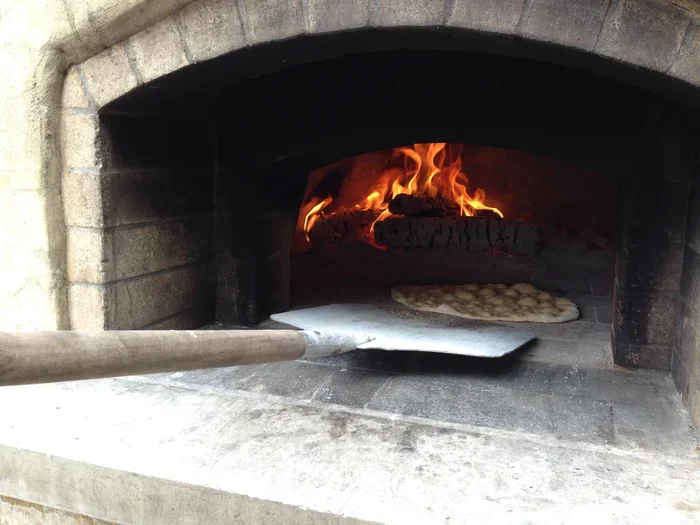
Most professional pizzaiolos bake at extremely high temperatures, often between 700°F and 900°F in a wood-fired oven. At those temperatures, a pizza cooks in just 60 to 90 seconds. Of course, most home ovens max out around 500°F to 550°F, which is still plenty hot to create amazing pizza. The key is finding the sweet spot for your specific setup.
Here are the general temperature guidelines for home baking:
- 400°F (200°C): Best for thick, pan-style pizzas. Expect a bake time of 15 to 20 minutes.
- 450°F (230°C): The sweet spot for most homemade pizzas. Bake time falls between 10 and 15 minutes.
- 500°F (260°C): Ideal for thin, crispy crusts. Pizza bakes in 8 to 12 minutes.
- 550°F (290°C): The highest most home ovens go. Creates a restaurant-quality Neapolitan-style crust in 6 to 10 minutes.
Best Oven Settings For Different Pizza Types
Not all pizza is created equal, and neither should your oven settings be. A deep-dish Chicago-style pizza needs lower heat for longer, while a thin New York-style slice benefits from higher heat and a shorter bake. Understanding this connection between pizza dough recipe style and oven temperature helps you dial in your perfect cook every time.
For a classic thin-crust pizza, set your oven to the highest temperature it can reach. If your oven goes to 550°F, use that setting. Place your pizza on the middle rack or the lowest rack for maximum bottom crispness. The pizza crust should look lightly golden and the cheese should be bubbling with slight brown spots after about 8 to 10 minutes.
If you are making a thicker, pan-style pizza, drop the temperature to around 425°F. The longer, slower bake allows the thick dough to cook through without burning the top. This style typically takes 15 to 20 minutes. The pizza bake time varies, but patience pays off with a perfectly cooked, fluffy interior.
How Long To Cook Pizza Dough In The Oven At Different Temperatures
Cooking At 400°F (200°C)
Baking at 400°F is the most common approach for beginners. This temperature works well for thick crusts, stuffed crusts, and pan pizzas. At this setting, how long to cook pizza dough in the oven is roughly 15 to 20 minutes.
The lower heat gives the thick dough time to rise and cook through evenly. You will notice the crust turning golden brown around the edges first. The center should feel firm when you gently press it with a spatula. If the top looks done but the base feels soft, give it a few more minutes on the lower rack.
One advantage of this temperature is flexibility. You can load up your pizza toppings without worrying about the top burning before the bottom cooks. This makes 400°F a forgiving choice for family pizza nights with lots of pizza cheese and sauce.
Cooking At 450°F (230°C)
450°F is the go-to temperature for most homemade pizza recipes. It strikes a great balance between a crispy bottom and a fully cooked interior. At this temperature, expect a bake time of 10 to 15 minutes.
This is the temperature I recommend for most people because it works with nearly every dough type. Whether you rolled your dough thin or kept it on the thicker side, 450°F delivers consistent results. The pizza dough gets enough heat to form a crisp exterior while the inside stays soft and airy.
Make sure your oven is fully preheated before sliding the pizza in. A properly preheated oven at 450°F means your pizza starts cooking immediately. This prevents the dough from sitting on a warm surface and becoming soggy.
Cooking At 500°F (260°C) And Higher
If you want a crispy, slightly charred crust that tastes like it came from a neighborhood pizzeria, crank your oven to 500°F or higher. At this temperature, how long to cook pizza dough in the oven drops to just 8 to 12 minutes.
The high heat rapidly creates steam inside the dough, which puffs up the crust and creates those beautiful air pockets. The exterior caramelizes quickly, giving you that signature crispy crust with a slight chewiness inside.
Keep a close eye on your pizza at these temperatures. Things move fast. Check at the 8-minute mark and look for a golden-brown base and bubbling cheese. Every oven runs a little differently, so your first few attempts at this temperature will help you learn your specific oven’s quirks.
| Oven Temperature | Crust Style | Bake Time | Best For |
|---|---|---|---|
| 400°F (200°C) | Thick / Pan | 15-20 min | Deep dish, stuffed crust |
| 450°F (230°C) | Medium | 10-15 min | Classic homemade pizza |
| 500°F (260°C) | Thin / Crispy | 8-12 min | Neapolitan-style, thin crust |
| 550°F (290°C) | Very Thin | 6-10 min | Restaurant-quality results |
Step-By-Step Guide To Baking Pizza Dough
Preparing Your Dough
Before you even think about turning on the oven, your pizza dough needs to be ready. Take your dough ball out of the refrigerator at least 1 to 2 hours before baking. Letting it come to room temperature is crucial for an even bake.
Cold dough does not stretch well and bakes unevenly. When the dough is at room temperature, the dough fermentation process has activated the yeast properly, giving you a lighter, airier pizza crust. Punch the dough down gently, divide it if needed, and shape it into your desired base.
Roll or stretch your dough to the thickness you prefer. A thin base cooks faster and crispier, while a thicker base needs more time. Remember that pizza dough thickness directly affects your bake time. A paper-thin Neapolitan base will cook in a fraction of the time compared to a thick, bready crust.
Preheating And Setting Up
Preheating is non-negotiable. Set your oven to your chosen temperature and let it heat for at least 30 minutes. Many people make the mistake of putting their pizza in too early, before the oven has reached full temperature.
If you have a pizza stone or baking steel, place it on the middle or lowest rack while the oven preheats. The stone absorbs heat and radiates it directly into the bottom of your pizza. This mimics the effect of a professional pizza oven and gives you a significantly crispier base.
Position your oven rack correctly. For thin pizzas, the lowest rack works best because it puts the dough closer to the bottom heat source. For thicker pizzas, the middle rack allows heat to circulate more evenly around the dough.
Baking And Checking For Doneness
Slide your assembled pizza onto the preheated stone or onto a floured baking sheet. Close the oven door and set a timer. Resist the urge to open the door too often, as every peek lets heat escape and can affect your bake time.
Start checking at the minimum time for your temperature. Look at the crust color and the cheese. The pizza crust should be golden brown, and the pizza cheese should be melted with a few golden-brown spots. If the top is browning too fast but the bottom is still pale, move the pizza to a lower rack or reduce the temperature slightly.
When the pizza looks done, carefully remove it and let it cool for 2 to 3 minutes before slicing. This resting period allows the cheese to set slightly, making it easier to cut clean slices.
Tips For Getting The Perfect Pizza Crust
Use A Pizza Stone Or Steel
A pizza stone is one of the best investments you can make for home pizza baking. It absorbs moisture from the dough during baking, which is the key to a crispy bottom. Without a stone, your pizza base can become soft and limp, especially if you are baking directly on a metal tray.
A baking steel works even better because it conducts heat more efficiently. Professional pizza makers swear by steel for achieving that signature charred, blistered crust. If you are serious about baking pizza at home, either a stone or steel will transform your results.
Don’t Skip The Preheating Step
This cannot be stressed enough. A cold oven and a cold stone mean your pizza dough sits and absorbs moisture instead of cooking. Always preheat for a full 30 minutes at minimum. The oven rack position also matters during preheating. Place your stone or steel on the rack before the oven reaches temperature so it heats up along with everything else.
Thin Crust Vs Thick Crust Timing
The thickness of your dough is the biggest variable in how long to cook pizza dough in the oven. Thin crusts need high heat and short bake times. Thick crusts need moderate heat and longer bake times. Here is a quick reference:
- Thin crust (1/8 inch): 8-12 minutes at 500°F+
- Medium crust (1/4 inch): 10-15 minutes at 450°F
- Thick crust (1/2 inch): 15-20 minutes at 400°F
- Deep dish (1+ inch): 20-25 minutes at 375-400°F
Common Mistakes People Make When Cooking Pizza Dough
Overloading With Toppings
It is tempting to pile on every topping you love, but too many toppings create problems. Excess moisture from vegetables, sauce, and cheese steams the dough from above, making it soggy and extending the bake time. Keep your toppings balanced and spread them evenly for the best results.
When you overload a pizza, the center stays undercooked even when the edges look done. This is one of the most common reasons people ask why their pizza dough does not cook through. Less is more when it comes to toppings.
Not Preheating Long Enough
A quick preheat of 10 or 15 minutes is not enough. Your oven needs time to reach a stable temperature, and your pizza stone or steel needs time to absorb that heat. A minimum of 30 minutes of preheating ensures your pizza starts cooking the moment it enters the oven.
Opening The Oven Door Too Often
Every time you open the oven door, you lose a significant amount of heat. This can add several minutes to your bake time and result in an unevenly cooked pizza. Set a timer, trust the process, and only open the door when you need to check the pizza near the end of the bake.
Expert Tips For Restaurant-Quality Pizza At Home
The Role Of Dough Fermentation
Great pizza starts with great dough, and great dough starts with proper fermentation. When your pizza dough recipe includes a long, slow rise in the refrigerator (24 to 72 hours), the flavor develops significantly. The yeast breaks down sugars in the flour, creating complex flavors and a better texture in the final pizza crust.
Cold-fermented dough is also easier to shape and stretch. It holds its form better and produces a crust with a nice chewiness and crisp exterior. If you have the time, cold-fermenting your dough is the single best thing you can do for flavor and texture.
Using A Baking Steel Instead Of A Stone
A baking steel conducts heat faster and more evenly than a traditional pizza stone. It stores more thermal energy, which means it gives your pizza an immediate burst of heat the moment it makes contact. This extra heat creates a bottom crust that is crispy and slightly charred, very similar to what you get in a professional wood-fired oven.
If you are serious about replicating pizzeria-quality results at home, a baking steel is worth the investment. Place it on the lowest rack, preheat for at least 45 minutes, and bake your pizza directly on the steel surface. The results are outstanding.
The Importance Of Dough Hydration
Dough hydration refers to the ratio of water to flour in your recipe. Higher hydration doughs (65-70% water) are wetter, stickier, and produce lighter, airier crusts with large open holes. Lower hydration doughs (55-60%) are firmer and easier to handle but produce a denser crust.
High hydration doughs bake slightly faster because the extra moisture creates steam during baking, which puffs up the crust quickly. However, they can be tricky to work with. If you are new to homemade pizza, start with a moderate hydration dough (60-65%) and adjust from there.
Quick Tips For Perfect Pizza Every Time
- Always use a pizza peel or floured surface to transfer pizza to the stone.
- Brush the crust edges with olive oil for extra golden color and flavor.
- Rotate your pizza halfway through the bake for even cooking.
- Let the pizza cool for 2-3 minutes before slicing to prevent toppings from sliding off.
- Keep a spray bottle of water nearby to spritz the oven walls if smoke appears.
- Use fresh pizza sauce and high-quality pizza cheese for the best flavor.
Conclusion
Mastering how long to cook pizza dough in the oven is one of the most rewarding skills you can develop in the kitchen. The key takeaways are simple: preheat your oven fully, use the right temperature for your crust style, and keep an eye on your pizza as it bakes. Whether you prefer a quick thin-crust pizza at 500°F or a slow-cooked deep dish at 400°F, understanding your bake times puts you in control.
The difference between a good homemade pizza and a great one often comes down to these small details. Invest in a pizza stone or baking steel, give your dough time to ferment, and resist the urge to overload with toppings. Follow these guidelines, and your pizza crust will turn out crispy, golden, and full of flavor every single time.
Now that you know the ins and outs of baking pizza dough, it is time to put this knowledge to work. Fire up your oven, prepare your favorite pizza dough recipe, and enjoy the satisfaction of creating a perfect homemade pizza. Your family and friends will thank you for it.
Frequently Asked Questions
Can I Cook Pizza Dough At 350°F?
Yes, you can, but the results will be different. At 350°F, your pizza will need 20 to 25 minutes and the crust will be softer and less crispy. This temperature works better for pan pizzas or deep-dish styles where you want a thicker, bread-like base. For a crispier crust, stick to 450°F or higher.
How Do I Know When My Pizza Is Done?
Your pizza is done when the crust turns golden brown, the cheese is fully melted with slight brown spots, and the edges look slightly puffed and crisp. Gently lift the pizza with a spatula to check if the bottom is golden and firm. If it looks and smells right, it is ready.
Should I Use A Pizza Stone Or A Baking Sheet?
A pizza stone or baking steel produces a much crispier bottom crust than a baking sheet. The stone absorbs moisture and radiates direct heat into the dough. If you do not have a stone, a lightly oiled baking sheet works fine, but expect a softer base. For the best results, invest in a pizza stone or steel.
Can I Use Frozen Pizza Dough?
Yes, frozen pizza dough works well but needs extra preparation. Thaw it in the refrigerator overnight, then let it come to room temperature for 1 to 2 hours before shaping. Frozen dough may need a slightly longer bake time because it starts colder. Follow the same temperature and timing guidelines for your dough thickness.
Why Is My Pizza Crust Soggy In The Middle?
A soggy middle usually means the oven was not hot enough, the pizza was overloaded with wet toppings, or the dough was too thick for the bake time. Make sure your oven is fully preheated, use a pizza stone, and keep toppings moderate. If using fresh vegetables, pat them dry first to reduce excess moisture.
How Long Can Pizza Dough Sit Out Before Baking?
Pizza dough should not sit out at room temperature for more than 2 to 3 hours before baking. Beyond that, the yeast continues to ferment and the dough can over-rise, becoming weak and sticky. For the best results, shape your dough and bake it within 2 hours of taking it out of the refrigerator.