How To Bake Egg Whites In Oven Perfectly Every Time
Baking egg whites in the oven is one of the simplest and healthiest ways to prepare a protein-packed meal or snack. This guide shows you exactly how to bake egg whites in oven settings for perfect results every single time. You will learn the right temperature, timing, and techniques that transform plain egg whites into delicious baked treats. Whether you want a low calorie egg bake for breakfast or a meringue-based dessert, this step-by-step article covers everything you need. Follow along and discover how easy it really is.
Key Takeaways
- Right Temperature Matters: Baking egg whites at 325°F to 350°F ensures even cooking and a beautiful golden finish every time.
- Whipping Technique Is Key: Achieving stiff peaks before baking gives your egg whites the right structure and texture.
- Parchment Paper Prevents Sticking: Always line your baking sheet with parchment paper or a silicone mat for easy release.
- Avoid Overbaking: Keep a close eye on your egg whites to prevent them from turning rubbery or yellow.
- Multiple Recipe Options: From baked egg white cups to meringue cookies, the oven opens up many delicious possibilities.
- Common Mistakes Are Easy to Avoid: Simple tips like room temperature eggs and clean bowls make a huge difference.
📑 Table of Contents
- Why Baking Egg Whites In The Oven Is A Great Idea
- What You Need Before You Start
- Step-by-Step Guide To Baking Egg Whites In The Oven
- Comparison: Different Oven Temperatures for Baking Egg Whites
- Best Egg White Recipes For The Oven
- Common Mistakes That Ruin Baked Egg Whites
- Expert Tips For Perfect Oven-Baked Egg Whites Every Time
- Conclusion
Why Baking Egg Whites In The Oven Is A Great Idea
Egg whites are one of the most underrated ingredients in the kitchen. They are pure protein, nearly zero fat, and incredibly versatile. When you bake egg whites in oven, you unlock a whole new world of quick, healthy, and delicious meals and snacks.
Many people think baking egg whites is complicated. It is not. With the right oven temperature and a little patience, anyone can do it. Baked egg whites make a fantastic breakfast, a high-protein snack, or even a light dessert. They fit perfectly into a low calorie egg bake routine for those watching their calorie intake.
The beauty of oven-baked egg whites lies in their simplicity. You need very few ingredients. You need even less equipment. And the results are always satisfying. Whether you are a beginner cook or a seasoned home chef, mastering this technique will serve you well.
Let us also talk about nutrition. Egg white nutrition is impressive. A single large egg white has about 17 calories and 3.6 grams of protein. That makes it a dream for fitness enthusiasts and anyone looking for a protein-rich snack without the extra fat found in yolks.
Beyond nutrition, baked egg whites are incredibly easy to customize. Add vegetables, cheese, herbs, or spices. The possibilities are endless. You can meal prep them for the week and grab them on the go. This makes healthy eating simple and convenient.
What You Need Before You Start
Essential Equipment for Baking Egg Whites
Before you start, gather a few basic items. You do not need anything fancy or expensive. Here is what you need:
- A standard oven: Any conventional oven works perfectly for this task.
- A baking sheet: A flat metal baking sheet is your best friend here.
- Parchment paper or a silicone baking mat: This prevents sticking and makes cleanup a breeze.
- A mixing bowl: Use a clean, dry bowl. Even a tiny bit of grease can ruin your egg whites.
- A hand mixer or whisk: You need this to whip the egg whites properly.
- A spatula: A rubber spatula helps you fold and transfer the egg whites gently.
- A measuring cup: For accurate portions of egg whites.
Choosing Your Egg Whites
You can use fresh eggs or carton egg whites. Both work well. Fresh eggs give you more control, but carton whites save time. If you use fresh eggs, crack them carefully and separate the whites from the yolks. Make sure no yolk drops into the whites. Fat prevents egg whites from whipping properly.
Room temperature egg whites whip up faster and better. Take them out of the fridge about 15 minutes before you start. This small step makes a big difference in your whipped egg whites volume.
Step-by-Step Guide To Baking Egg Whites In The Oven
Step 1: Preheat Your Oven
Start by preheating your oven to 325°F. This baking temperature is the sweet spot for egg whites. It cooks them evenly without browning too quickly. Some recipes call for 350°F, but 325°F gives you more control and a gentler cook.
Preheating is important. Do not skip this step. A hot oven from the start ensures your egg whites begin setting immediately. This leads to a better texture and structure.
Step 2: Prepare Your Baking Sheet
Line your baking sheet with parchment paper. Use a pencil or marker to draw circles on the paper if you are making egg white cups. These guides help you portion the egg whites evenly.
Alternatively, you can use a silicone baking mat. Both options work great. The key is to prevent the egg whites from sticking to the metal surface.
Step 3: Separate and Whisk the Egg Whites
Crack your eggs and separate the whites into your clean, dry bowl. Make sure there is no yolk or shell in the bowl. Even a small amount of fat will prevent the whites from whipping correctly.
Using your hand mixer or whisk, beat the egg whites on medium speed. After a minute or two, you will see them turn foamy. Add a tiny pinch of cream of tartar if you want extra stability. This helps achieve stiff peaks more easily.
Keep beating until the egg whites form firm, glossy peaks. When you lift the whisk, the peaks should stand straight up. This is called stiff peaks. If the peaks droop, keep whisking for another 30 seconds.
Step 4: Shape and Place on the Baking Sheet
Use a spoon or piping bag to place the egg whites onto your prepared baking sheet. If you drew circles earlier, stay within the lines. Each portion should be about 1/4 cup for a single serving.
Smooth the tops gently with the back of your spoon. You want an even thickness so they cook uniformly. Avoid making them too thin or too thick.
Step 5: Bake and Monitor
Place the baking sheet in the preheated oven. Set a timer for 10 minutes. Baking time can vary depending on your oven and how thick the egg whites are.
After 10 minutes, check the egg whites. They should be set on top and lightly golden on the edges. The center might still look slightly wet. That is okay. They will continue to cook on the hot baking sheet.
For a drier, more crisp texture, bake for an additional 3 to 5 minutes. But do not overbake. Overbaked egg whites become rubbery and lose their appeal.
Step 6: Cool and Serve
Remove the baking sheet from the oven. Let the egg whites cool for 2 to 3 minutes. They will firm up as they cool. Use a spatula to lift them off the parchment paper carefully.
Serve them immediately for the best texture. You can eat them plain or add toppings. Fresh herbs, diced vegetables, or a sprinkle of salt and pepper all work wonderfully.
Comparison: Different Oven Temperatures for Baking Egg Whites
| Temperature | Baking Time | Texture | Best For |
|---|---|---|---|
| 300°F | 15-20 minutes | Very soft, custard-like | Egg white soufflé style |
| 325°F | 10-15 minutes | Set center, soft edges | General baking, best all-around |
| 350°F | 8-12 minutes | Firm, slightly crisp edges | Crispier egg white cups |
| 375°F | 6-10 minutes | Crispy outside, risk of drying | Meringue crisps only |
The table above shows why 325°F is the recommended temperature for most oven-baked egg whites. It balances cooking time with texture perfectly. Higher temperatures work for specific recipes like meringue crisps, but they require more attention.
Best Egg White Recipes For The Oven
Baked Egg White Cups
Baked egg white cups are the most popular way to bake egg whites in oven settings. They are easy to make, fun to eat, and perfect for meal prep.
Here is a simple recipe to try:
- Preheat your oven to 325°F.
- Line a muffin tin with parchment paper liners.
- Pour egg whites into each liner, filling about 3/4 full.
- Add diced bell peppers, spinach, and a sprinkle of salt.
- Bake for 12 to 15 minutes until set.
- Cool for 2 minutes and remove from the tin.
These cups store well in the fridge for up to 3 days. Reheat them in the oven for 5 minutes before eating. They make a perfect grab-and-go breakfast.
Oven-Baked Meringue Nests
Meringue nests are a delightful treat. They use the same whipped egg whites technique but with sugar added. The sugar caramelizes slightly in the oven, creating a crispy, sweet shell.
To make them, whip egg whites with sugar until stiff peaks form. Pipe small nests onto a parchment-lined baking sheet. Bake at 225°F for 60 to 90 minutes. Let them cool completely before filling with whipped cream or fruit.
Egg White Soufflé
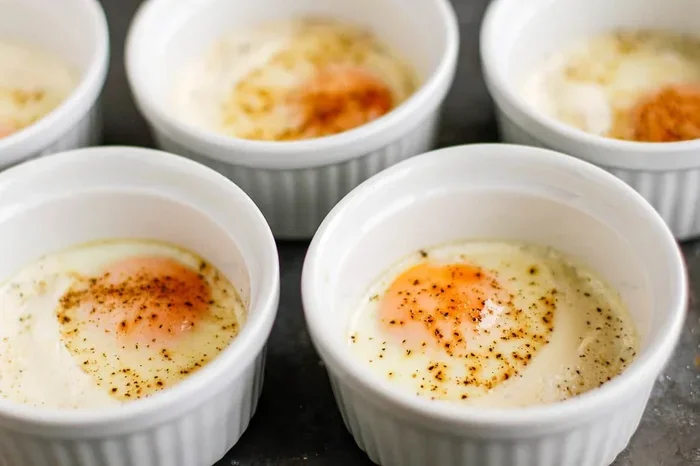
An egg white soufflé is a step up from basic baked egg whites. It requires a bit more technique but the results are restaurant-quality. Grease a ramekin, pour in the whipped egg whites, and bake at 350°F for 12 to 15 minutes. Serve immediately for the best rise and texture.
Low Calorie Egg White Pizza
For a fun twist, try a low calorie egg white pizza. Spread egg whites on a baking sheet in a circle. Bake for 5 minutes until partially set. Add sauce, cheese, and toppings. Return to the oven for another 5 to 7 minutes. You get a crispy, protein-packed pizza without the heavy dough.
Common Mistakes That Ruin Baked Egg Whites
Even though baking egg whites is simple, a few mistakes can ruin the results. Here are the most common ones and how to avoid them.
Using a Bowl With Grease
Egg whites will not whip properly if your bowl has any grease. Use a completely clean and dry bowl. Glass or stainless steel bowls work best. Avoid plastic bowls that may retain traces of fat.
Not Whipping Enough
Under-whipped egg whites will spread flat in the oven. They will not hold their shape. Always whip until you reach stiff peaks. The egg whites should be glossy and hold their form when you lift the whisk.
Overbaking
Overbaking is the number one mistake people make. Egg whites continue to cook after you remove them from the oven. Pull them out when they look slightly underdone in the center. They will set as they cool.
Skipping the Parchment Paper
Never skip the parchment paper or silicone mat. Egg whites stick to bare metal and are nearly impossible to remove without breaking. A little preparation saves you frustration later.
Adding Yolk to the Whites
Even a tiny bit of yolk in the whites prevents them from whipping. The fat in the yolk interferes with the protein structure. Be patient when separating eggs. If a yolk drops in, start over with a fresh bowl.
Expert Tips For Perfect Oven-Baked Egg Whites Every Time
Use an Electric Mixer
Hand-whipping egg whites takes a lot of effort and time. An electric mixer or hand whisk makes the process faster and more consistent. You will reach soft peaks and stiff peaks much more reliably.
Add a Pinch of Salt
A small pinch of salt in the egg whites before whipping helps stabilize them. It also enhances the flavor of the final product. Do not skip this tiny addition.
Experiment with Flavors
Baked egg whites are a blank canvas. Add vanilla extract for a sweet version. Mix in herbs like chives or dill for a savory twist. Stir in spices like paprika or garlic powder for extra flavor.
Make Them Ahead of Time
You can prepare egg whites the night before. Store them in a sealed container in the fridge. In the morning, pour them onto your baking sheet and bake. This saves valuable time during busy mornings.
Try Different Shapes and Sizes
Do not limit yourself to circles. Use cookie cutters on the parchment paper to create fun shapes. Make larger flat sheets for a different texture. Get creative with your presentation.
Pair with Healthy Toppings
Baked egg whites taste great with fresh vegetables, avocado, salsa, or a light cheese. These toppings add flavor and extra nutrients without adding too many calories. Keep it light and healthy.
Conclusion
How to bake egg whites in oven is a skill anyone can master with a little practice. The process is simple, the results are delicious, and the health benefits are outstanding. From basic baked egg white cups to elegant meringue desserts, the oven gives you endless options.
Remember the key points: use the right temperature, whip your egg whites to stiff peaks, and avoid common mistakes like grease and overbaking. With these tips, you will achieve perfect oven-baked egg whites every single time.
Start with the basic recipe and experiment from there. Try different flavors, shapes, and serving styles. Soon, baking egg whites will become second nature. You will wonder why you did not start sooner. Enjoy the process and the delicious, protein-packed results.
Frequently Asked Questions
Can I bake egg whites without adding any sugar or seasoning?
Yes, you absolutely can. Plain baked egg whites are already delicious and packed with protein. They have a mild, slightly tangy flavor that pairs well with almost any topping. This is the simplest form of bake egg whites in oven recipes and perfect for those who want a clean, unflavored protein source.
What is the best oven temperature for baking egg whites?
The ideal baking temperature for most egg white recipes is 325°F. This temperature cooks them evenly without drying them out or browning them too quickly. If you want a crispier texture, you can increase to 350°F, but keep a close eye on them to prevent overbaking.
How long does it take to bake egg whites in the oven?
Baking time typically ranges from 10 to 15 minutes at 325°F. Thinner portions cook faster, while thicker ones need a few extra minutes. Always check at the 10-minute mark. The egg whites should be set on top but still slightly soft in the center, as they continue to firm up while cooling.
Can I use a regular baking sheet without parchment paper?
You can, but it is not recommended. Egg whites stick to bare metal and are very difficult to remove without breaking. Always line your baking sheet with parchment paper or a silicone baking mat. This small step saves you from frustration and ensures clean, easy release every time.
Why did my baked egg whites turn yellow?
Yellow egg whites usually mean a small amount of yolk got mixed in during separation. Even a tiny bit of yolk fat prevents the whites from whipping and cooking properly. Next time, be extra careful when separating eggs. If this happens, you can still eat them, but the texture will be different from pure white egg whites.
Are baked egg whites healthy?
Yes, baked egg whites are extremely healthy. They are low in calories, fat-free, and high in protein. A serving of egg white nutrition provides essential amino acids without the cholesterol and fat found in yolks. They are an excellent choice for anyone looking for a protein-rich snack or a low calorie egg bake option.