How Does Oven Cleaner Work To Dissolve Baked On Grease
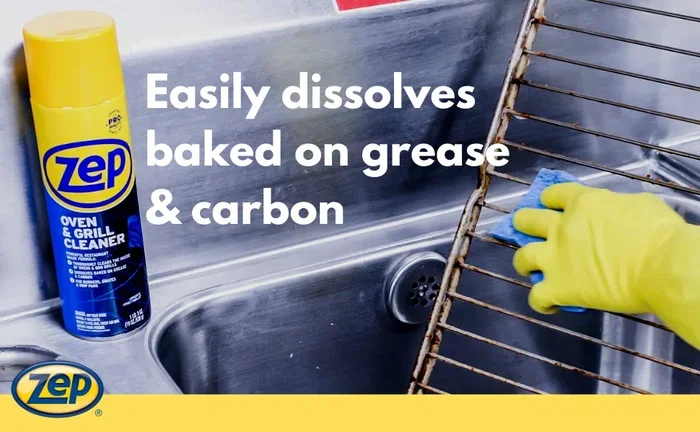
Oven cleaners use strong alkaline chemicals like sodium hydroxide to break down baked on grease through a process called saponification. The foam and spray formulas cling to tough grease and dissolve it without heavy scrubbing. Knowing how does oven cleaner work helps you use it safely and get sparkling clean ovens every time.
Ever opened your oven and felt like you were looking at a crime scene? Black, caked-on grease spots. Burnt food crusts that seem welded to the metal. It happens to all of us. The good news is that oven cleaner can handle this mess. But have you ever wondered how does oven cleaner work to dissolve baked on grease so effectively?
The answer lies in simple chemistry. Most oven cleaning products use powerful alkaline ingredients that break down fat and grease at a molecular level. This process turns tough, burnt-on residue into something soft and wipeable. In this guide, we will walk you through exactly how oven cleaning works, what ingredients do the heavy lifting, and how to use these products safely and effectively.
Whether you prefer a commercial spray, a foam gel, or a natural DIY solution, understanding the science behind grease removal helps you get better results. Let us dive in and explore the world of oven cleaning solutions and why they are so good at tackling baked on grease.
Key Takeaways
- Chemical Reaction: Oven cleaners use alkaline ingredients that turn grease into soap-like substances that wipe away easily.
- Saponification Process: This is the science behind how grease dissolves when it meets the active ingredients in oven cleaner.
- Foam Clings to Surfaces: The thick foam formula stays on oven walls so it can work on baked on grease for hours.
- Safety Matters: Always wear gloves and ensure good ventilation when using oven cleaner sprays and gels.
- Natural Alternatives Work Too: Baking soda and vinegar paste can also dissolve light grease without harsh chemicals.
- Timing Is Key: Letting the cleaner sit for several hours gives it time to break down even the toughest residue.
- Know Your Product: Different formulas work better for different levels of grease and baked on food.
📑 Table of Contents
- The Science Behind How Oven Cleaner Works
- Types of Oven Cleaners and How They Differ
- Step-by-Step: How to Use Oven Cleaner for Best Results
- Safety Tips When Using Oven Cleaner
- Natural Alternatives to Chemical Oven Cleaners
- Common Mistakes to Avoid When Cleaning Your Oven
- How Often Should You Clean Your Oven
- Expert Insights on Oven Cleaning
- Key Takeaways
- Conclusion
The Science Behind How Oven Cleaner Works
At its core, oven cleaner works through a chemical reaction called saponification. This big word simply means turning fat into soap. When alkaline substances meet grease, they break the molecular bonds that hold the grease together. The result is a soft, soapy substance that wipes away with little effort.
This is the same basic principle used in soap making. But oven cleaners take it much further. They use stronger chemicals and higher concentrations to handle the extreme buildup found inside ovens. The process works on both animal fats and plant-based oils that have been carbonized from high heat.
What Makes Oven Cleaners So Effective
Most commercial oven cleaning products rely on a few key ingredients. Each one plays a specific role in breaking down grease and burnt food residue.
- Sodium hydroxide (lye): This is the primary active ingredient in most heavy-duty oven cleaners. It is a strong base that drives the saponification process.
- Potassium hydroxide: A slightly different form of lye that works well in liquid and foam formulas.
- Surfactants: These compounds help the cleaner spread evenly and cling to vertical oven surfaces.
- Solvents: These help dissolve grease faster and penetrate deep into burnt-on layers.
- Foaming agents: These create the thick foam that sticks to oven walls and stays in place while working.
Together, these ingredients create a powerful grease dissolver that can handle weeks or even months of built-up grime. The foam formula is especially important because it clings to the top and sides of the oven. This means the cleaner stays where you put it instead of dripping off.
Types of Oven Cleaners and How They Differ
Not all oven cleaning products are the same. Different formulas suit different needs, and knowing the differences helps you choose the right one. Let us look at the main types available on the market today.
Aerosol Spray Cleaners
Aerosol oven cleaning spray is the most common type. You spray it directly onto the oven interior, and the chemicals start working immediately. These products are convenient and easy to apply. The spray mist covers a wide area, which is great for large ovens.
The downside is that aerosol sprays can create fumes. They also tend to drip more than foam products. For light to moderate grease buildup, an aerosol spray works well. For heavy buildup, you may want a thicker formula.
Foam and Gel Cleaners
Foam and gel cleaners are thicker than sprays. They stick to oven surfaces much better, which gives them more contact time with the grease. This means they work faster and more thoroughly on baked on grease.
You typically apply foam cleaners with a brush or sponge. The thick texture clings to vertical walls and the oven door. Many users prefer foam formulas because they stay put and do not run down onto the oven floor.
Natural and DIY Cleaners
If you want to avoid harsh chemicals, natural oven cleaners are a great option. The most popular DIY recipe uses baking soda and water to form a paste. You spread it inside the oven and let it sit overnight. The baking soda works as a mild degreaser and absorbs odors.
Some people add vinegar to the mix. The vinegar creates a fizzing reaction that helps lift loosened grease. Natural cleaners work best on light to moderate grease. For heavy buildup, you may need to apply the paste multiple times or leave it longer.
Self-Cleaning Oven Feature
Many modern ovens come with a self-cleaning cycle. This feature uses very high heat, usually around 900 degrees Fahrenheit, to burn off grease and food residue. The process turns baked on grease into ash that you can wipe away easily.
While this is convenient, the self-cleaning cycle produces a lot of heat and fumes. It also uses more energy. Some people prefer using a manual oven cleaner because it gives them more control and avoids the extreme heat cycle.
Step-by-Step: How to Use Oven Cleaner for Best Results
Using oven cleaner the right way makes a huge difference. Follow these steps to get the best grease removal results every time.
- Remove the oven racks. Clean them separately with warm soapy water or soak them in a bathtub with cleaner.
- Ventilate your kitchen. Open windows and turn on the range hood. Good airflow reduces fume exposure.
- Put on gloves. The chemicals in oven cleaners can irritate skin. Protective gloves are a must.
- Apply the cleaner evenly. Spray or spread the product across all greasy surfaces. Focus on the worst buildup areas.
- Let it sit. Most products need at least 30 minutes to several hours. For heavy grease, leave it overnight.
- Wipe away the residue. Use a damp cloth or sponge to remove the dissolved grease and cleaner.
- Rinse thoroughly. Wipe the oven interior several times with clean water to remove any cleaner residue.
Following these steps ensures that the oven cleaner has enough time to break down all the baked on grease. Rushing the process is the most common mistake people make. Give the product time to work, and your oven will come out sparkling clean.
Quick Tips for Tough Grease
- For extra tough buildup, apply a second coat of cleaner after the first round.
- Use a plastic scraper to remove large chunks of burnt food before applying cleaner.
- Warm the oven slightly (to about 200 degrees) before applying cleaner. The warmth helps the chemicals penetrate faster.
- Never mix different oven cleaning products. This can create dangerous chemical reactions.
- Clean your oven every few weeks to prevent heavy buildup that requires harsh chemicals.
Safety Tips When Using Oven Cleaner
Oven cleaner products contain strong chemicals that need respect and caution. The active ingredients are effective at dissolving grease, but they can also irritate skin, eyes, and lungs if not handled properly.
Protect Yourself
Always wear rubber gloves when handling oven cleaning products. The chemicals can cause skin irritation or burns with prolonged contact. If you are using a spray, consider wearing safety goggles to protect your eyes from splashes.
Work in a well-ventilated area. Open windows and doors, and turn on a fan if possible. The fumes from oven cleaners can be strong and cause breathing discomfort. If you have asthma or respiratory sensitivities, consider wearing a dust mask or taking breaks.
Keep Children and Pets Away
Store oven cleaners in a secure place out of reach of children and pets. The chemicals are toxic if ingested. Even the residue left inside an oven can be harmful if not rinsed away properly. Always rinse the oven interior thoroughly after cleaning.
Surface Safety
Be careful about where you spray or apply oven cleaner. These products can damage certain surfaces like painted finishes, plastic parts, and rubber seals. Protect the oven door glass and any rubber gaskets by covering them with a damp cloth during application.
Natural Alternatives to Chemical Oven Cleaners
Not everyone wants to use strong chemicals inside their oven. Fortunately, there are several natural alternatives that can also dissolve grease effectively.
Baking Soda Paste
Mix three parts baking soda with one part water to form a thick paste. Spread it over the greasy surfaces inside your oven. Let it sit for at least 12 hours. The baking soda works as a gentle degreaser and absorbs odors. After soaking, wipe away the paste with a damp cloth.
For stubborn spots, make a paste with baking soda and a small amount of water. Apply it directly to the problem area and let it sit for a few hours before scrubbing gently with a non-abrasive sponge.
Vinegar and Baking Soda
This classic combination creates a fizzing reaction that helps lift grease. After applying your baking soda paste, spray white vinegar over it. The bubbling action helps loosen baked on grease. Wipe clean with a damp cloth afterward.
While this method is less powerful than commercial oven cleaner, it works well for regular maintenance and light grease buildup. It is also safe for households with children and pets.
Lemon Water Steam Method
Fill a baking dish with water and add sliced lemons. Place it in the oven and heat to 200 degrees for about 30 minutes. The steam loosens grease and leaves a fresh citrus scent. After steaming, wipe the interior with a damp cloth. This method works best as a maintenance clean rather than a heavy-duty degreaser.
Common Mistakes to Avoid When Cleaning Your Oven
Even with the best oven cleaner, mistakes can happen. Here are some common errors that reduce cleaning effectiveness or damage your oven.
- Not letting the cleaner sit long enough: Rushing the process leaves behind grease. Always follow the recommended dwell time on the product label.
- Using too little product: A thin layer will not cover all the greasy surfaces. Apply generously to problem areas.
- Skipping the rinse: Cleaner residue left behind can produce fumes during your next cooking session. Always rinse thoroughly.
- Using abrasive scrubbers: Steel wool and harsh scrubbers can scratch oven surfaces. Use soft sponges or cloths instead.
- Ignoring the oven racks: The racks collect just as much grease as the oven walls. Remove and clean them separately.
- Mixing cleaning products: Combining different cleaners can create toxic fumes. Always use one product at a time and rinse between uses.
Avoiding these mistakes saves time and keeps your oven in good condition. A little patience goes a long way in achieving a truly clean oven.
How Often Should You Clean Your Oven
Regular cleaning prevents heavy grease buildup that requires harsh oven cleaner products. As a general rule, give your oven a thorough cleaning every three to six months. If you use your oven frequently, you may need to clean it more often.
For everyday maintenance, wipe down the interior with a damp cloth after spills occur. This prevents food from baking on and becoming difficult to remove. A little regular care reduces the need for deep cleaning sessions with strong chemicals.
Expert Insights on Oven Cleaning
Professional cleaners and appliance experts agree that prevention is the best strategy. Wiping spills immediately and using oven liners on the bottom rack can significantly reduce grease buildup. These simple habits mean less time scrubbing and fewer harsh chemicals needed.
Experts also recommend choosing the right product for the job. A heavy-duty oven cleaning spray works well for tough buildup. A milder foam or natural paste is better for regular maintenance. Matching the cleaner to the level of grease ensures the best results with the least effort.
One expert tip worth sharing is to clean your oven when it is slightly warm, not cold. The warmth helps the cleaner penetrate the grease faster. Just make sure the oven is cool enough to handle safely before applying any product.
Key Takeaways
- Chemical Reaction: Oven cleaners use alkaline ingredients that turn grease into soap-like substances that wipe away easily.
- Saponification Process: This is the science behind how grease dissolves when it meets the active ingredients in oven cleaner.
- Foam Clings to Surfaces: The thick foam formula stays on oven walls so it can work on baked on grease for hours.
- Safety Matters: Always wear gloves and ensure good ventilation when using oven cleaner sprays and gels.
- Natural Alternatives Work Too: Baking soda and vinegar paste can also dissolve light grease without harsh chemicals.
- Timing Is Key: Letting the cleaner sit for several hours gives it time to break down even the toughest residue.
- Know Your Product: Different formulas work better for different levels of grease and baked on food.
Conclusion
Understanding how does oven cleaner work makes the entire cleaning process much easier and safer. The science behind these products is straightforward. Alkaline ingredients like sodium hydroxide break down grease through saponification, turning tough baked on grease into a soft, wipeable residue. Whether you choose a commercial spray, a thick foam cleaner, or a natural baking soda paste, the key is giving the product enough time to do its job.
Always follow safety guidelines when using any oven cleaning product. Wear gloves, ventilate your space, and rinse thoroughly after cleaning. For lighter maintenance, natural alternatives like baking soda and vinegar work well and keep harsh chemicals out of your kitchen.
The best approach combines regular light cleaning with occasional deep cleaning sessions. This keeps your oven in great shape and reduces the need for heavy-duty degreasers. With the right knowledge and the right product, a clean oven is well within reach for everyone.
Now that you know the science and the practical steps, you are ready to tackle that greasy oven with confidence. Apply what you have learned here, choose the right method for your needs, and enjoy a sparkling clean oven that performs at its best.
Frequently Asked Questions
What is the main ingredient in most oven cleaners?
The main ingredient in most commercial oven cleaners is sodium hydroxide, also known as lye. This strong alkaline compound drives the saponification process that breaks down baked on grease into a soap-like substance that wipes away easily. Some products also use potassium hydroxide or other alkaline chemicals to boost cleaning power.
How long should you leave oven cleaner in the oven?
Most oven cleaning products need at least 30 minutes to a few hours to work effectively. For heavy baked on grease, leaving the cleaner overnight gives it the best chance to dissolve tough residue. Always check the product label for the recommended dwell time and follow those instructions carefully.
Can you use oven cleaner on a self-cleaning oven?
It is best to avoid using chemical oven cleaners on a self-cleaning oven. The high heat during the self-cleaning cycle can cause leftover chemical residue to produce harmful fumes. Stick to manual cleaning with mild, non-chemical methods for self-cleaning ovens, or use the self-cleaning feature as directed by the manufacturer.
Are there non-toxic oven cleaners that really work?
Yes, several non-toxic options work well for light to moderate grease. Baking soda paste, vinegar solutions, and lemon steam methods are all effective natural alternatives. For heavier buildup, look for plant-based or biodegradable oven cleaners that are free from harsh chemicals but still contain degreasing agents.
Why does oven cleaner foam when sprayed?
The foaming action comes from surfactants and foaming agents added to the formula. These ingredients help the cleaner cling to vertical oven surfaces instead of dripping off. The foam increases contact time between the cleaner and the grease, which makes the grease dissolving process more effective and thorough.
Is it safe to cook in the oven after using oven cleaner?
Yes, but only after you have rinsed the oven interior thoroughly. Residue from oven cleaner can produce fumes and affect the taste of food during cooking. Wipe the oven down several times with clean water after cleaning, and consider running the oven at a low temperature for a few minutes to evaporate any remaining traces of cleaner before cooking.