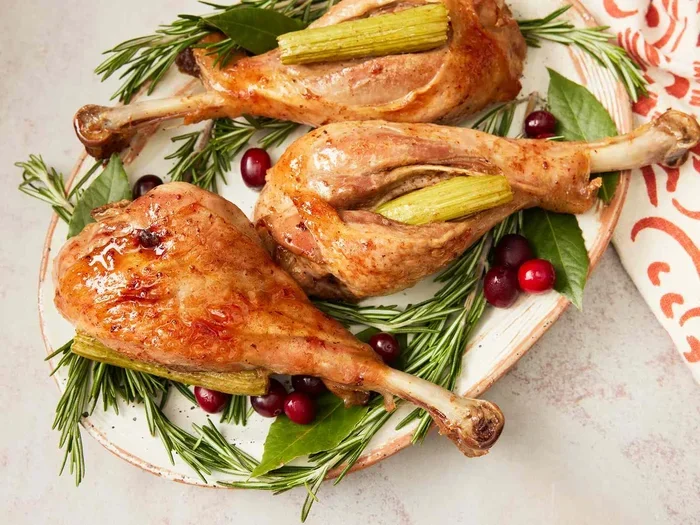
How Long Does It Take To Cook Turkey Legs In Oven At 350
Cooking turkey legs in oven at 350 degrees typically takes about 1 hour and 15 minutes to 1 hour and 45 minutes depending on the size of the meat. This guide will show you the exact cooking time for turkey legs and how to get perfectly juicy turkey legs with crispy skin. You will learn the right temperature, prep steps, and how to check if they are done. Follow these simple tips for a fall-off-the-bone turkey dinner your whole family will love.
Key Takeaways
- Perfect Temperature: Cooking at 350 degrees Fahrenheit ensures even cooking and juicy meat.
- General Timeframe: Plan for 75 to 90 minutes for most bone-in turkey legs.
- Use a Thermometer: Always check that the internal temperature reaches 165 degrees Fahrenheit.
- Rest the Meat: Letting the turkey rest for 10 to 15 minutes keeps it juicy.
- Crispy Skin: Remove foil for the last 15 to 30 minutes to crisp up the skin.
- Proper Prep: Dry the meat and season generously before baking for the best flavor.
📑 Table of Contents
Understanding Your Turkey Legs Before Cooking
Before you turn on your oven, it helps to know exactly what you are working with. Turkey legs come in different shapes and sizes depending on the bird. Understanding these differences makes the cooking process much smoother and less stressful. When you buy bone-in turkey legs, you get a lot more flavor than boneless cuts. The bone acts as a natural insulator during the oven-baked turkey process. This means the meat cooks slower and stays incredibly juicy. The bone also adds valuable nutrients to the broth if you decide to make gravy later. Many people love roasted turkey legs for holiday dinners or casual weekend meals. The rich, deep flavor and tender texture make them a favorite for any gathering. However, getting the timing and temperature exactly right is the biggest challenge for most home cooks.
Not all whole turkey legs are created equal. Some are larger than others, and the weight can vary significantly from one bird to the next. The size of your meat will directly affect the cooking time for turkey legs. A single drumstick cooking time is much shorter than a large thigh section connected to the drumstick. You might see packages labeled as whole turkey legs at the grocery store. These cuts include both the drumstick and the thigh connected by the joint. This cut is perfect for feeding a crowd because it looks impressive and serves a large portion. It also creates a beautiful presentation on a dinner table. Knowing exactly what kind of cut you have helps you plan the meal better. It ensures you do not overcook the outside while leaving the inside raw.
Another important factor is the freshness and quality of the meat. Frozen turkey legs need different handling than fresh ones. If you use frozen meat, you must thaw it completely before cooking. Thawing in the refrigerator takes about twenty-four hours for every five pounds of meat. Never try to thaw turkey legs on the kitchen counter. Leaving meat at room temperature invites harmful bacteria to grow quickly. Once thawed, pat the meat dry with paper towels. Dry skin is the secret to achieving crispy turkey skin later in the process. Taking these small preparation steps sets you up for a much better final dish. You will notice the difference in both texture and flavor when you serve the meal.
Turkey legs have been a beloved dish for centuries. They were a staple in traditional European cooking long before they became popular in American households. Many cultures have their own version of roasted bird legs. The dark meat of the leg is naturally fattier than the breast. This extra fat content makes it more forgiving during the roasting process. It is very hard to overcook a turkey leg if you follow the basic guidelines. The rich flavor of the dark meat pairs well with almost any seasoning. This versatility makes turkey legs a perfect canvas for your culinary creativity.
What Makes Bone-In Turkey Legs Special
The bone inside the leg adds a lot of value to the cooking process. It provides structure to the meat while it roasts. As the oven roasted turkey heats up, the bone absorbs and transfers heat evenly. This prevents the outside from burning before the inside is fully cooked. Bone-in cuts also contain more connective tissue than boneless pieces. This tissue breaks down slowly over time. It turns into gelatin, which makes the meat incredibly tender and moist. You want that fall-off-the-bone turkey texture. It is what separates a truly great meal from a merely good one. When you bite into a properly cooked bone-in leg, the meat should slide right off. The flavor is also richer because the bone marrow infuses the meat during cooking.
Choosing the Right Size for Your Meal
Size matters a lot when you are planning a meal for your family. A single turkey leg dinner portion usually weighs between one and two pounds. For a family of four, you need at least four legs to ensure everyone gets a full serving. Always check the weight on the package before you buy. This helps you estimate the total cooking time accurately. Larger legs need more time in the oven to cook through completely. Smaller legs cook faster and can dry out if you leave them in too long. Plan your turkey leg recipes based on the exact number of guests you are expecting. Buying a few extra legs is always a smart idea. Leftover turkey makes fantastic sandwiches and soups the next day, so do not worry about having too much.
Preparing Your Turkey Legs for the Oven
Turkey leg preparation is one of the most fun and creative steps in the whole process. This is where you add layers of flavor to the meat before it goes in the oven. A simple seasoning for turkey blend can completely transform a basic cut of meat. You do not need fancy or expensive ingredients to succeed. Olive oil, salt, black pepper, garlic powder, and smoked paprika work wonders together. Mix these dry ingredients in a small bowl. Drizzle a little olive oil over the turkey legs. Then rub the seasoning blend all over the meat. Make sure you cover every surface evenly. The seasoning creates a flavorful crust as it roasts. It also helps the skin crisp up beautifully in the heat of the oven.
Brining is an optional but highly effective step for turkey legs. Soaking the meat in a saltwater solution for a few hours adds moisture. It also seasons the meat deeply from the inside out. If you have the time, a quick brine makes a noticeable difference. Simply dissolve a quarter cup of salt in four cups of water. Submerge the turkey legs for two to four hours. Pat them dry thoroughly before applying your seasoning. This extra step ensures the meat stays incredibly juicy even if you accidentally cook it a few minutes too long.
Essential Seasoning Tips for Better Flavor
When you season your oven roasted turkey, less is often more. You want to enhance the natural flavor of the bird, not mask it. Avoid covering the meat with too much salt at first. Instead, use a light hand and taste as you go. Let the natural turkey flavor shine through the spices. If you like a little bit of heat, add some cayenne pepper to your mix. Fresh herbs like rosemary and thyme are excellent choices for the fall season. They add a wonderful, savory aroma to your kitchen while the meat cooks. You can also add a small splash of lemon juice to the seasoning. The acid in the lemon tenderizes the meat slightly. It also brightens the overall flavor profile and cuts through the richness of the dark meat.
Quick Tips for Maximum Flavor
- Always pat the turkey legs completely dry before you apply any seasoning.
- Let the seasoned meat sit at room temperature for thirty minutes before baking.
- Use a mix of fresh and dried herbs for the best aroma.
- Add a little brown sugar to your rub for beautiful caramelization.
- Do not skip the salt, but use it wisely to avoid over-salting.
- Separate the skin from the meat and rub seasoning directly under the skin.
The Cooking Process: How Long to Cook Turkey Legs
Now we get to the heart of the matter and answer the big question. How long does it take to cook turkey legs in oven at 350? The answer depends on a few different factors. Generally, you should plan for about one hour and fifteen minutes to one hour and forty-five minutes. This cooking time for turkey legs applies to standard bone-in cuts at three hundred and fifty degrees Fahrenheit. The oven temperature of 350 is a true sweet spot for this dish. It cooks the meat evenly all the way through without drying it out. You get a perfect balance of tender, juicy meat inside and crispy skin outside. Setting the right temperature is the first step to success.
Step-by-Step Baking Guide for Perfect Results
Follow these steps carefully to get perfect results every single time you cook this dish. First, preheat your oven to 350 degrees Fahrenheit. While the oven is heating, prepare your baking dish. Place the turkey legs skin-side up in the pan. Do not crowd the legs together. Leave some space between them so hot air can circulate freely. Next, pour a small amount of chicken broth or water into the bottom of the pan. This liquid keeps the meat moist during the long bake and prevents the drippings from burning. Cover the dish tightly with a sheet of aluminum foil. The foil traps steam and speeds up the cooking process significantly.
Put the covered dish in the center rack of your oven. Set a timer for sixty minutes. After one hour has passed, remove the foil carefully. Watch out for the hot steam that will escape. If you want extra crispy skin, increase the oven temperature to 400 degrees for the final phase. Continue baking for another fifteen to thirty minutes uncovered. This final step browns the outside beautifully and adds a satisfying crunch. The total time usually lands right around seventy-five to ninety minutes. Always rely on a thermometer to be absolutely sure.
Convection ovens circulate hot air, which can reduce cooking times slightly. If you use a convection setting, lower the temperature by about twenty-five degrees. Check the meat earlier than the standard time suggests. Conventional ovens heat from the bottom and top elements. This creates a slightly different cooking environment. Placing the dish on the center rack ensures even exposure to heat. Avoid placing the dish too close to the top or bottom elements. This prevents the skin from burning before the inside is cooked.
Common Mistakes to Avoid During Baking
Many home cooks make simple mistakes that can ruin their otherwise perfect bake turkey legs. One common error is setting the oven temperature too high. High heat dries out the meat before the inside has time to cook thoroughly. Another frequent mistake is skipping the resting period after cooking. Cutting into the meat too soon releases all the juices onto the cutting board. The turkey left in the pan becomes dry and tough to chew. Also, do not forget to check the internal temperature regularly. Guessing whether the meat is done is never a good idea. Avoid opening the oven door too often as well. Every time you open the door, the oven temperature drops significantly. This extends the total cooking time and can lead to uneven cooking. Finally, never cook frozen turkey legs directly in the oven without thawing them first. This leads to unsafe eating and poor texture.
Checking for Doneness: The Most Important Step
Knowing exactly when your juicy turkey legs are fully cooked is absolutely crucial for both safety and taste. Undercooked turkey is unsafe to eat and can cause foodborne illness. Overcooked turkey is unpleasant to chew and lacks moisture. You need to be precise and careful during this step. The internal temperature turkey must reach at least one sixty-five degrees Fahrenheit. This is the safe minimum recommended by food safety experts and health officials. However, many professional chefs prefer to cook the meat to one seventy degrees. This extra five degrees ensures the meat is incredibly tender. It allows the collagen in the connective tissue to break down completely. This results in that perfect fall-off-the-bone turkey texture everyone loves.
Using a Meat Thermometer Correctly
A meat thermometer is your absolute best friend in the kitchen. It takes all the guesswork out of determining if the meat is done. Insert the probe into the thickest part of the turkey leg. Make absolutely sure the tip does not touch the bone. The bone conducts heat differently than the surrounding muscle meat. A reading taken too close to the bone will be inaccurate and misleading. Check the temperature in at least two different spots on each leg. This ensures the entire leg is cooked evenly from edge to center. If the reading is below one sixty-five degrees, keep cooking. Check the temperature again every five minutes until you hit the target.
Visual and Touch Tests for Doneness
Besides using a thermometer, you can also use your senses to check the meat. Look for crispy turkey skin that is golden brown and evenly colored. The juices should run completely clear when you pierce the thickest part with a knife. If the juices look pink or red, the meat needs more time. You can also gently wiggle the leg bone with a pair of tongs. A fully cooked leg will move easily and loosely in its socket. The meat itself will feel firm yet still yields slightly to pressure. These visual and tactile signs, combined with a reliable thermometer reading, give you complete confidence. You will know exactly when your low and slow turkey is perfectly ready to come out of the oven.
Resting and Serving Your Turkey Legs
Once your oven-baked turkey reaches the right internal temperature, pull the dish out of the oven. But do not cut into the meat just yet. Resting the meat after cooking is a vital step that many people skip. It allows the juices to redistribute evenly throughout the muscle fibers. If you cut into the meat too soon, all those flavorful juices run out onto the cutting board. The meat left in the pan becomes dry and loses its appeal. Let the turkey rest for at least ten to fifteen minutes. Tent it loosely with a sheet of aluminum foil to keep it warm. This simple pause makes a huge difference in the final texture and taste of the meat.
Why Resting Matters So Much
During the cooking process, heat pushes the juices toward the center of the meat. As the meat cools slightly during resting, the muscle fibers relax. The juices spread back out evenly into the meat. This makes every single bite moist, flavorful, and satisfying. The resting time also allows the internal temperature to rise slightly. This carryover cooking finishes the job perfectly without overcooking the meat. You end up with a safe, perfectly cooked piece of turkey. Your roasted turkey legs will also be much easier to carve and serve. The meat will hold together better on the bone when it has rested.
Best Side Dishes to Serve with Turkey Legs
Turkey legs pair wonderfully with many different side dishes. Classic mashed potatoes are a perennial crowd favorite and go perfectly with dark meat. Steamed green beans add a fresh, crisp contrast to the rich meat. Roasted carrots bring out the natural sweetness of the meal beautifully. For a lighter option, serve a crisp garden salad on the side. You can also make a simple and delicious pan gravy. After removing the turkey legs, pour off most of the excess fat from the baking dish. Place the pan on the stovetop over medium heat. Add a cup of chicken broth and stir to deglaze the pan. Scrape up any browned bits stuck to the bottom. These bits are packed with flavor. Let the liquid simmer until it reduces by half. Stir in a tablespoon of butter for richness. This quick gravy elevates the entire meal and adds a restaurant-quality touch to your turkey leg dinner.
Expert Insights and Flavor Variations
Once you master the basic roasting method, you can get much more creative in the kitchen. Cooking is all about personal taste and experimenting with new ideas. You can easily adapt your turkey leg recipes to suit the specific tastes of your family. Adding a glaze during the final phase of cooking is a fantastic way to add complexity and sweetness. A simple honey and mustard glaze works wonders for a tangy flavor. Brush it on generously during the last fifteen minutes of baking. The sugar in the glaze caramelizes quickly under the intense heat. This creates a beautiful, sticky, and flavorful crust on the outside of the meat.
Adding Glazes and Sauces for Extra Flair
Glazes add a beautiful sheen and extra layers of flavor to your dish. You can use barbecue sauce for a smoky, sweet twist on the classic recipe. Teriyaki sauce brings an Asian-inspired flavor profile that is rich and savory. For a Mediterranean touch, use olive oil and fresh lemon juice as a base. Mix herbs like oregano and basil into the oil and lemon mixture. Brush this mixture over the meat before and during baking. The acid in the lemon tenderizes the surface of the meat slightly. The fresh herbs infuse the meat with a wonderful fragrance. These creative variations turn a simple weeknight dinner into a gourmet experience. Your guests will never guess how easy it was to make such a stunning dish.
Slow Cooker vs Oven Comparison
You can also cook turkey legs in a slow cooker if you prefer a hands-off approach. This method requires very little attention and is incredibly convenient for busy days. However, the oven gives you crispy turkey skin that a slow cooker simply cannot achieve. The slow cooker produces very tender meat, but the skin stays soft and pale. If you want that satisfying crunch and golden color, the oven is definitely the way to go. The slow cooker wins on pure convenience and moisture retention. Choose the cooking method that best fits your schedule and personal preferences. Both methods produce delicious bone-in turkey legs. It just comes down to whether you prefer crispy skin or ultra-tender, pulled meat.
Conclusion
Mastering how long to cook turkey legs in oven at 350 is simpler than you might think. With the right preparation and attention to detail, you can serve a stunning and delicious meal. Remember to thaw your meat properly, season generously, and use a meat thermometer to check the temperature. The exact time may vary based on the size of your legs, but aiming for seventy-five to ninety minutes gives you a great starting point. Do not rush the resting period after cooking. It is the final touch that makes your meat juicy, tender, and full of flavor. Now you have all the tools you need for a perfect turkey leg dinner. Get into the kitchen and enjoy the process. Your homemade oven roasted turkey will be a massive hit with everyone at the table, and you will feel proud of your cooking skills.
Frequently Asked Questions
Can I cook turkey legs at a different temperature?
Yes, you can adjust the temperature, but it will change the cooking time. Higher temperatures cook faster but can dry out the meat. Lower temperatures take longer but keep the turkey very moist. Stick to 350 degrees for the best balance of crispy skin and tender meat.
Do I need to cover turkey legs with foil?
Covering the turkey legs with foil for the first hour helps trap steam. This keeps the meat moist and cooks it evenly. You should remove the foil for the last part of the cooking time. This allows the skin to crisp up and turn golden brown.
How can I tell if turkey legs are done without a thermometer?
While a thermometer is the most accurate tool, you can use visual cues. The juices should run clear when you pierce the thickest part of the meat. The skin should be golden brown and crispy. The leg should wiggle easily in the socket when wiggled gently with tongs.
What is the best way to store leftover turkey legs?
Let the leftover turkey cool down to room temperature first. Then, place it in an airtight container and refrigerate it. Cooked turkey legs will stay fresh in the fridge for three to four days. You can also freeze them for up to three months for longer storage.
Can I use a frozen turkey leg directly in the oven?
It is not recommended to cook turkey legs from a frozen state. Thawing them first ensures they cook evenly and safely. Cooking frozen meat can leave the outside overcooked while the inside remains raw. Always thaw your turkey legs in the refrigerator before roasting.
How many turkey legs should I serve per person?
A single bone-in turkey leg is usually a generous portion for one person. If you are serving a large crowd, plan for one leg per guest. It is always better to have a few extra legs than to run out. Leftover turkey makes excellent sandwiches the next day.


