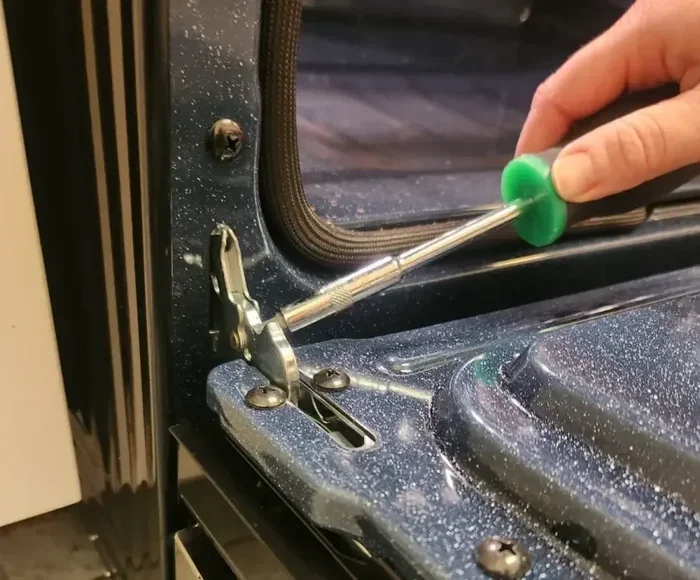
How To Get Oven Door Back On With Easy Step By Step Fixes
Learn how to get oven door back on with simple, safe fixes anyone can do at home. This guide covers hinge repairs, spring replacements, and alignment tips that actually work. Whether your oven door fell off or won’t stay shut, you will find clear steps to solve the problem fast. No fancy tools needed — just patience and the right instructions.
There is nothing more frustrating than reaching for your oven door and finding it hanging loose or completely detached. You were just baking dinner, and now the door swings open with a worrisome wobble. Maybe it fell off while you were cleaning, or perhaps it simply gave out one day without warning. Whatever the reason, the good news is that getting your oven door back on is usually a straightforward fix you can handle yourself.
This guide walks you through every step of how to get oven door back on with clear instructions and practical tips. We will cover the most common reasons doors come off, the tools you need, and the exact repair process for different oven models. By the end, you will feel confident enough to tackle this repair on your own — and save money on service calls.
Before you start, take a deep breath. Most oven door problems are not as scary as they look. With the right approach, you can have that door secure and functioning again in under an hour. Let us dive in.
Key Takeaways
- Most oven door issues are easy to fix: hinges, springs, and screws are the usual culprits behind a loose or fallen door.
- You need basic tools: a screwdriver, pliers, and a flashlight are all you need for most repairs.
- Safety comes first: always disconnect the oven before attempting any door repair.
- Alignment matters: even after reattaching the door, proper alignment ensures smooth operation and a good seal.
- Know when to call a pro: cracked glass or damaged frames need professional attention.
- Prevention saves time: regular cleaning and gentle handling extend the life of your oven door.
📑 Table of Contents
- Why Does an Oven Door Come Off?
- Tools You Will Need to Fix Your Oven Door
- How To Get Oven Door Back On: Step-by-Step Guide
- Common Oven Door Problems and How to Fix Them
- When to Call a Professional Instead of DIY
- Preventing Oven Door Issues in the Future
- Final Thoughts on Getting Your Oven Door Back On
Why Does an Oven Door Come Off?
Understanding why your oven door fell off helps you fix it correctly and prevent the same problem from happening again. Oven doors are held in place by a system of hinges, springs, screws, and pins. When any one of these parts fails, the door loses its support.
Worn Out Hinges
The most common reason for a loose or fallen oven door is worn-out hinges. Over months and years of opening and closing, the metal hinges wear down. The screw holes can become loose, or the hinge itself can bend or break. This is especially true in kitchens where the oven gets heavy daily use.
Broken Door Springs
Many ovens use springs to help the door open and close smoothly. These springs bear a lot of tension. When a spring snaps or loses its tension, the door can drop off its track. You might hear a loud pop before the door falls, which is a clear sign of a broken spring.
Loose or Missing Screws
Sometimes the fix is simple. Screws hold the hinges to the oven frame and the hinges to the door. If screws work themselves loose over time, the door becomes wobbly and eventually falls off. This is one of the easiest problems to fix.
Damaged Door Glass or Frame
In more serious cases, the door glass or frame itself may be damaged. A crack in the glass or a bent frame can throw off the alignment of the entire door assembly. This type of damage usually requires more involved repair or even a full door replacement.
Improper Cleaning or Force
Believe it or not, aggressive cleaning can cause an oven door to come off. Using too much force when scrubbing around the hinges or pulling the door at an odd angle can weaken the connection points. Always be gentle around the door mechanism when cleaning your oven.
Tools You Will Need to Fix Your Oven Door
Before you start the repair, gather everything you need. Having the right tools ready saves time and keeps you from scrambling mid-fix. The good news is that you do not need anything fancy.
Essential Tools List
- Phillips and flat-head screwdrivers: You will need these for most hinge screws and fasteners.
- Adjustable wrench or pliers: Helpful for tightening nuts and bolts on certain oven models.
- Flashlight: Lets you see inside the hinge area clearly.
- Replacement screws: Keep a small kit of assorted screws on hand.
- Replacement hinge kit: If your hinges are damaged beyond repair, a new kit makes the job easier.
- Needle-nose pliers: Great for holding small pins and springs in place.
- Soft cloth or towel: Protects the oven interior and door glass during the repair.
Safety Equipment
Safety should always come first. Wear thick work gloves to protect your hands from sharp edges and metal pins. Safety glasses are a good idea too, especially if you are dealing with broken springs. And most importantly, unplug your oven or turn off the circuit breaker before you start any repair work.
Quick Tip
Take a photo of the hinge area before you disassemble anything. This makes it much easier to remember how everything fits back together. Trust me — this simple step saves a lot of confusion later.
How To Get Oven Door Back On: Step-by-Step Guide
Now for the part you have been waiting for. Here is the complete process for getting your oven door back on. Follow these steps carefully, and your door will be secure in no time.
Step 1: Inspect the Door and Hinges
Lay the door on a flat, soft surface like a towel on your kitchen counter. Look closely at both hinges. Check for visible damage such as cracks, bends, or missing parts. Also examine the hinge area on the oven itself. If you see any broken pieces, you will need to replace them before reattaching the door.
While you are inspecting, clean out any food debris or grease buildup inside the hinge area. Built-up grime can prevent the hinge from sitting properly and cause the door to keep coming off.
Step 2: Remove Any Broken or Damaged Parts
If you found damaged hinges, springs, or screws, remove them carefully. Use your screwdriver or pliers to take out broken screws. For damaged hinges, you may need to unscrew them from both the door and the oven frame. Keep all the small parts together in a cup or bowl so nothing gets lost.
If your oven uses spring-loaded hinges, be very careful when removing a broken spring. The spring may still have tension and could snap unexpectedly. Use pliers and wear your gloves.
Step 3: Install New Hinges or Springs (If Needed)
If you are replacing any parts, now is the time. Insert the new hinge pins into the door first. Make sure they slide in smoothly and sit fully in the hinge bracket. Then attach the new hinges to the oven frame using the provided screws.
For spring replacements, hook the new spring onto the hinge bracket and the door frame. Make sure the spring is seated correctly — it should have slight tension when the door is closed. If the spring is too loose or too tight, it will not function properly.
Step 4: Reattach the Oven Door
With all parts in good condition or replaced, you can now reattach the door. Hold the door at a slight angle and slide the hinge pins into the oven frame brackets. You should feel them click or seat into place. Once both hinges are connected, gently lower the door into its closed position.
Check that the door sits evenly in the frame. Look at it from the front to see if it is level. If one side is higher than the other, you may need to adjust the hinge position slightly.
Step 5: Tighten All Screws and Test the Door
Once the door is on, go back and tighten all the hinge screws. Do not overtighten, as this can strip the holes or crack the plastic. A firm, snug fit is all you need.
Now open and close the door several times. Does it move smoothly? Does it stay closed without falling open? Does it seal properly against the oven frame? If everything looks and feels good, your repair is complete.
If the door still feels loose or does not close properly, check the hinge screws again. You may also need to adjust the hinge position by loosening one or two screws, repositioning the hinge, and then tightening it back up.
Quick Tip
Apply a thin layer of food-safe silicone lubricant to the hinge pins after reattaching the door. This helps the hinges move smoothly and prevents future sticking or squeaking.
Common Oven Door Problems and How to Fix Them
Not all oven door issues involve a completely detached door. Here are the most common problems and how to fix them.
Oven Door Won’t Close Fully
A door that won’t close all the way usually has a hinge alignment issue. Check if the hinges are even on both sides. If one hinge is lower or higher than the other, loosen the screws, adjust the position, and retighten. A door that does not close fully will not seal properly, which affects cooking performance and energy use.
Oven Door Rattles or Vibrates
A rattling door often means loose screws or a worn-out hinge pin. Tighten all the screws first. If the rattling continues, the hinge pin may be worn down and need replacement. Sometimes a small rubber gasket or pad inside the hinge can also cause rattling if it has shifted out of place.
Oven Door Handle Is Loose
A loose handle is different from a fallen door but still annoying. Check the screws that hold the handle to the door glass panel. Tighten them gently. If the handle itself is cracked or broken, you will need to replace it. Most replacement handles are inexpensive and easy to install.
Oven Door Glass Is Cracked or Shattered
Cracked glass is a more serious issue. It can affect the oven’s insulation and cooking performance. If the glass is cracked, you should replace it as soon as possible. Replacement glass panels are widely available for most oven brands. The process involves removing the inner door panel, taking out the broken glass carefully, and installing the new pane.
Comparison Table: Common Oven Door Issues
| Problem | Likely Cause | Fix Difficulty | Cost to Fix |
|---|---|---|---|
| Door fell off completely | Broken hinge or spring | Moderate | Low to medium |
| Door won’t close fully | Misaligned hinges | Easy | Free to low |
| Door rattles or vibrates | Loose screws or worn pin | Easy | Low |
| Loose door handle | Worn screws or cracked handle | Easy | Low |
| Cracked door glass | Impact or thermal stress | Moderate to hard | Medium to high |
| Door won’t open or close | Broken spring or latch | Moderate | Low to medium |
When to Call a Professional Instead of DIY
Most oven door repairs are well within the range of a handy homeowner. But there are situations where calling a professional is the smarter choice.
Signs You Need a Professional
- The oven frame itself is damaged: If the door frame is bent or warped, a simple hinge fix will not solve the problem.
- Electrical or electronic issues: If your oven has electronic door locks or sensors, a professional can handle the wiring safely.
- Multiple parts are broken: If several components failed at once, it could signal a deeper underlying issue that needs expert diagnosis.
- You are not comfortable with the repair: There is no shame in calling a pro. A qualified technician can usually fix the problem in under an hour.
- Your oven is still under warranty: DIY repairs may void your warranty. Check your warranty terms before attempting any fix.
Expert Insight
According to appliance repair professionals, most oven door issues that seem complicated are actually simple hinge or spring problems. However, they strongly recommend calling a technician if you notice any gas leaks, electrical sparks, or unusual smells during the repair. Safety always comes first.
Preventing Oven Door Issues in the Future
Once you have your oven door back on, you want to keep it working properly for years to come. Prevention is always better than repair, and a few simple habits can make a big difference.
Regular Maintenance Tips
- Clean the hinges regularly: Wipe down the hinge area with a damp cloth after deep cleaning sessions. Grease and food buildup can corrode metal parts over time.
- Handle the door gently: Avoid slamming the oven door shut. The impact can loosen screws and stress the hinges over time.
- Check screws periodically: Every few months, inspect the hinge screws and tighten any that feel loose. This takes just a couple of minutes and prevents bigger problems.
- Avoid hanging heavy items on the door: Some people use the oven door handle to hang oven mitts or other items. The extra weight puts unnecessary strain on the hinges.
- Use the self-cleaning cycle wisely: Excessive use of the self-cleaning cycle can cause thermal expansion that stresses the door components. Use it only when necessary.
Quick Tip
Set a calendar reminder every three months to check your oven door hinges and screws. This small habit can save you from an unexpected door failure during a busy cooking session.
Common Mistakes to Avoid
- Overtightening screws: This strips the threads and makes the problem worse. Tighten until snug, not forced.
- Using the wrong replacement parts: Not all oven hinges are the same. Check your oven model number before ordering replacements.
- Ignoring small problems: A slightly loose door today can become a fallen door tomorrow. Address small issues early.
- Forcing the door back on: If the door does not slide into place easily, something is misaligned. Do not force it or you risk breaking more parts.
Final Thoughts on Getting Your Oven Door Back On
Getting your oven door back on does not have to be a stressful experience. With the right tools, a little patience, and the steps outlined in this guide, most homeowners can complete the repair in under an hour. The key is to take your time, inspect all the parts carefully, and make sure everything is aligned before tightening the final screws.
Remember that how to get oven door back on is really about understanding the basic mechanism. Hinges hold the door, springs control the movement, and screws keep everything secure. When one of these components fails, the door comes off. But when you fix or replace the failed part, the door goes right back on.
If you ever feel unsure about any step, do not hesitate to consult your oven’s user manual or reach out to a professional. There is no substitute for safety and confidence in your repair work. Keep your oven well-maintained, handle the door with care, and it will serve you faithfully for many more years of delicious home cooking.
Now that you know exactly how to get oven door back on, go ahead and give it a try. You will be glad you did — and your next home-cooked meal will taste even better knowing you handled the repair yourself.
Frequently Asked Questions
How long does it take to get an oven door back on?
Most repairs take between 20 and 45 minutes, depending on the extent of the damage. Simple hinge reattachment can be done in under 20 minutes, while replacing a broken spring or hinge may take closer to 45 minutes.
Can I use my oven while the door is off?
No, you should not use your oven without the door attached. The door provides important insulation and safety. Cooking without the door can cause heat damage, uneven cooking, and serious burn risks.
How much does it cost to replace oven door hinges?
Replacement hinges typically cost between 15 and 40 dollars per pair, depending on your oven brand and model. If you hire a professional, labor costs may add another 50 to 100 dollars to the total.
What should I do if the hinge screw holes are stripped?
If the screw holes are stripped, try using slightly larger screws or filling the holes with toothpicks and wood glue, then reinserting the original screws. For metal frames, you can use a thread repair kit available at most hardware stores.
Do all oven doors use the same hinge system?
No, oven hinge systems vary by brand, model, and door type. Some ovens use a pivot hinge, while others use a spring-loaded hinge. Always check your specific model before purchasing replacement parts.
How often should I inspect my oven door hinges?
A quick inspection every three to six months is ideal. During these checks, look for loose screws, worn pins, and any signs of rust or corrosion. Catching small issues early prevents the door from coming off unexpectedly.