How To Keep Thanksgiving Food Warm And Fresh In Oven
Keeping your thanksgiving food warm in oven is easier than you think. With the right temperature settings and simple covering methods, your holiday dishes stay fresh and delicious for hours. This guide covers everything from turkey to side dishes so your dinner comes out perfect every time.
Thanksgiving dinner is a big deal. You spend hours in the kitchen cooking a turkey, making side dishes, and baking pies. But here is the real challenge: getting everything to the table hot and fresh. When you have a table full of dishes, timing can get tricky. Some things cook faster than others. Some dishes need to rest before serving. That is where keeping thanksgiving food warm in oven becomes a total game changer.
Whether you are hosting a small family dinner or a big holiday feast, knowing how to hold your food at the right temperature makes all the difference. No one wants a cold turkey or soggy mashed potatoes. In this guide, we will walk you through simple, proven methods to keep every dish warm, fresh, and ready to serve. You will learn the best oven settings, the right covering tricks, and how to handle each part of your holiday meal with confidence.
Key Takeaways
- Set your oven between 170°F and 200°F to keep food warm without drying it out.
- Use aluminum foil or oven-safe lids to trap moisture and maintain freshness.
- Rest your turkey for 30 to 45 minutes before serving to lock in juices.
- Use a food thermometer to make sure dishes stay above 140°F for safety.
- Stagger your cooking times so everything is ready around the same time.
- The towel-and-foil method works great for casseroles and side dishes.
- Never leave cooked food out for more than two hours to prevent bacteria growth.
📑 Table of Contents
Why Keeping Thanksgiving Food Warm Matters
The Importance of Serving Temperature
Serving temperature affects both taste and texture. Hot food tastes better. It smells better too. When dishes cool down, they lose their flavor and appeal. Gravy gets thick. Mashed potatoes turn lumpy. Turkey skin goes soft instead of crispy. By keeping thanksgiving food warm in oven, you preserve the quality of every dish on your table.
There is also a psychological element to warm food. People eat more slowly and enjoy meals more when everything is served at the right temperature. A warm, inviting spread makes your guests feel welcome and well taken care of. It sets the tone for a wonderful holiday gathering.
Food Safety Considerations
Food safety is a serious concern during holiday meals. The danger zone for cooked food is between 40°F and 140°F. Bacteria grow rapidly in this range. If your dishes sit out for too long, they can become unsafe to eat.
The United States Department of Agriculture recommends keeping hot foods at 140°F or above. Using your oven to hold dishes at a safe temperature is one of the easiest ways to protect your guests. This is especially important when you are serving a large crowd and food sits out for several hours during the meal.
Here are some key food safety tips to keep in mind:
- Always use a food thermometer to check internal temperatures.
- Reheat leftovers to 165°F before serving again.
- Do not let cooked dishes sit at room temperature for more than two hours.
- Store leftovers in the fridge within two hours of cooking.
Preparing Your Oven Before Thanksgiving Day
Setting the Right Temperature
Before you start cooking, you need to know what temperature to use for holding food. The ideal range for keeping thanksgiving food warm in oven is between 170°F and 200°F. This low temperature keeps dishes warm without overcooking them.
Most ovens have a “warm” setting that falls in this range. If your oven does not have a warm setting, set it to the lowest temperature available. Some ovens go as low as 150°F, which works fine for short holding periods. Avoid setting your oven above 200°F for holding purposes, as this can dry out your food and ruin the texture.
Here is a quick temperature guide for common thanksgiving dishes:
- Turkey: Hold at 170°F to 180°F
- Casseroles and side dishes: Hold at 170°F to 200°F
- Dinner rolls and bread: Hold at 170°F
- Mashed potatoes and gravy: Hold at 180°F to 200°F
- Pies and desserts: Hold at 150°F to 170°F
Choosing the Right Dishes for the Oven
Not all dishes are oven-safe. Before you place anything in the oven to keep it warm, check the container. Glass, ceramic, and metal baking dishes work great in the oven. Avoid plastic containers, melamine plates, and wooden serving bowls, as they can crack or melt at high temperatures.
If you are using a dish straight from the refrigerator, let it sit at room temperature for a few minutes before placing it in the warm oven. A cold dish can crack when exposed to heat. Also, make sure your dish has an oven-safe lid or cover. If it does not, you can use aluminum foil to cover it tightly.
Best Methods to Keep Food Warm In The Oven
Using Aluminum Foil
Aluminum foil is the simplest and most affordable way to keep food warm in the oven. It reflects heat back toward the food and traps moisture inside. This prevents dishes from drying out while they wait to be served.
Here is how to do it right:
- Wrap the dish tightly in two layers of foil. One layer is not enough for proper heat retention.
- Leave a small gap between the food surface and the foil to allow steam to circulate.
- Do not seal the foil completely airtight or moisture can build up and make the food soggy.
- Remove the foil just before serving to let the food breathe and maintain its texture.
This method works especially well for roasted vegetables, casseroles, and baked sides. It is also great for keeping your turkey warm while it rests before carving.
Using Oven-Safe Lids and Covers
If you have oven-safe glass or ceramic lids, they are even better than foil. They create a tighter seal that holds in more heat and moisture. Many modern baking dishes come with matching lids designed for oven use. These are worth investing in if you host holidays regularly.
Oven-safe silicone lids are another great option. They are flexible, easy to clean, and can handle temperatures up to 400°F. They work well for covering bowls and dishes that do not come with their own lids.
The Towel and Foil Method
This is a pro trick for keeping casseroles and side dishes warm for a long time. Here is how it works:
- Wrap your dish in a clean kitchen towel.
- Cover the towel with aluminum foil.
- Place the wrapped dish in the oven at 170°F.
The towel adds an extra layer of insulation. Combined with the foil, it keeps your dish warm for up to an hour or more without drying it out. This method is perfect for dishes like green bean casserole, sweet potato gratin, or mac and cheese.
How To Keep Specific Thanksgiving Dishes Warm
Turkey
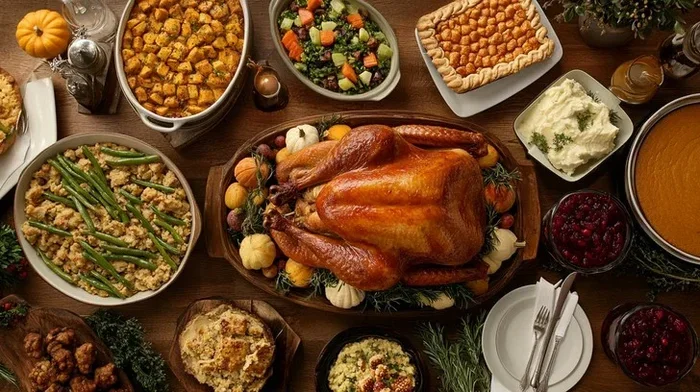
The turkey is the star of the show. But it needs proper handling after cooking. Once your turkey is done, remove it from the oven and let it rest on a carving board for at least 30 to 45 minutes. This resting period allows the juices to redistribute throughout the meat, making it more flavorful and easier to carve.
After resting, you have a few options for keeping the turkey warm:
- Place it in a warm oven at 170°F loosely covered with foil.
- Use a heated serving platter or warming tray underneath.
- Wrap the whole bird in towels and foil for extended holding without drying it out.
Never carve the turkey too early. Once you cut into it, the juices start escaping, and the meat cools down faster. Keep the turkey whole until you are ready to serve it to your guests.
Side Dishes and Casseroles
Side dishes are often the hardest to manage on thanksgiving day. You have mashed potatoes, green beans, stuffing, cranberry sauce, and more, all needing attention at the same time. The key to managing side dishes is timing and staging.
Cook side dishes in stages based on their holding time. Dishes that hold well in the oven, like green bean casserole or sweet potato souffle, can go in first. Dishes that do not hold heat as well, like steamed vegetables or salad, should be prepared closer to serving time.
For casseroles, use the towel and foil method described earlier. Place them on the middle rack of the oven where heat is most even. If you have multiple dishes, rotate them halfway through the holding period to ensure even warmth.
Breads and Dinner Rolls
Fresh bread is a thanksgiving staple. But bread cools quickly once it comes out of the oven. To keep rolls and bread warm, wrap them in a clean kitchen towel and place them in the oven at 150°F to 170°F.
Do not leave bread in the oven for too long, or it will become dry and hard. Fifteen to twenty minutes is usually enough. If you are serving dinner rolls, you can also warm them up again at 300°F for five minutes just before serving. This gives them a fresh-from-the-oven taste.
Mashed Potatoes and Gravy
Mashed potatoes and gravy need special attention because they can form a skin when they cool. To keep mashed potatoes warm, transfer them to an oven-safe serving dish, cover with a lid or foil, and place in the oven at 180°F to 200°F.
For gravy, use a small saucepan on the stovetop instead of the oven. Stir it occasionally to keep it from forming a skin. If you must keep gravy warm in the oven, place the sealed container in a warm water bath first to prevent curdling or separation.
Common Mistakes to Avoid When Keeping Food Warm
Overheating Your Food
One of the biggest mistakes people make is setting the oven too high. A temperature above 200°F for holding purposes will dry out your food, overcook it, or even burn the edges. Remember, the goal is to maintain warmth, not to continue cooking.
If you are unsure about the temperature, use an oven thermometer. Many ovens do not display the actual temperature accurately. An inexpensive oven thermometer placed inside can tell you exactly what is going on. This small tool can save your holiday meal from overheating disasters.
Leaving Food Out Too Long
It is tempting to take everything out of the oven early and let it sit on the table. But this is a food safety risk. Cooked food should not sit at room temperature for more than two hours. After that, bacteria can multiply to dangerous levels.
Instead, keep dishes in the oven until just before serving. Set a timer so you remember to pull them out at the right time. This keeps your food safe and ensures your guests get the best quality meal.
Using the Wrong Containers
As mentioned earlier, not every container is safe for oven use. Plastic, melamine, and some decorated ceramics can release harmful chemicals or crack under heat. Always check the bottom of your dish for an oven-safe symbol before placing it in the warm oven.
When in doubt, transfer food to a known oven-safe dish before warming. It is better to be safe than sorry, especially when you are serving a holiday meal to family and friends.
Pro Tips for a Stress-Free Thanksgiving Dinner
Timing Your Cooking Schedule
The secret to a smooth thanksgiving meal is a well-planned schedule. Start by working backward from your desired serving time. If dinner is at 5:00 PM, plan to pull the turkey out of the oven by 4:15 PM to allow for resting time. Side dishes should be ready by 4:30 PM so everything can be kept warm while the turkey rests.
Write out a cooking timeline the night before. Include start times, cook times, and holding times for each dish. Share this timeline with any helpers in the kitchen so everyone is on the same page. A good plan eliminates last-minute panic and lets you enjoy the holiday with your family.
Using Multiple Ovens or Appliances
If you have access to more than one oven, use them strategically. Cook the turkey in one oven and side dishes in the other. This gives you more control over timing and temperature for each dish.
Slow cookers and Instant Pots are also great helpers for thanksgiving day. Use a slow cooker to keep dishes like stuffing, mashed potatoes, or gravy warm while the oven handles the turkey and casseroles. A warming tray on the buffet table is another excellent tool for keeping individual servings hot as guests serve themselves.
The Steam Pan Trick
Here is a trick that many professional caterers use. Place a shallow pan of hot water on the rack below your food dishes. The steam adds moisture to the oven environment, which helps prevent food from drying out. This is especially helpful for dishes that tend to dry out during long holding periods, like roasted vegetables and casseroles.
Simply fill a rimmed baking sheet with a few inches of hot water and place it on the rack below your dishes. The steam will circulate gently and keep everything moist. This simple addition can make a noticeable difference in the quality of your held dishes.
Key Takeaways
- Set your oven between 170°F and 200°F to keep food warm without drying it out.
- Use aluminum foil or oven-safe lids to trap moisture and maintain freshness.
- Rest your turkey for 30 to 45 minutes before serving to lock in juices.
- Use a food thermometer to make sure dishes stay above 140°F for safety.
- Stagger your cooking times so everything is ready around the same time.
- The towel-and-foil method works great for casseroles and side dishes.
- Never leave cooked food out for more than two hours to prevent bacteria growth.
Conclusion
Thanksgiving is all about bringing people together around a delicious meal. But a great meal starts with smart preparation. Now you know exactly how to keep thanksgiving food warm in oven using simple, effective methods that anyone can use.
From setting the right temperature to using the towel-and-foil trick, these tips will help you serve a warm, fresh, and safe holiday dinner. You will feel more confident in the kitchen and more present with your guests when you are not rushing to keep up with everything.
Remember, the goal is not just to feed people. It is to create a warm, welcoming experience that everyone remembers fondly. When your dishes come out perfectly warm and delicious, it sets the tone for the entire celebration. So take a deep breath, follow these steps, and enjoy your thanksgiving feast with the people you love most.
Happy cooking, and happy holidays to you and your family!
Frequently Asked Questions
What temperature should I set my oven to keep thanksgiving food warm?
Set your oven between 170°F and 200°F for holding cooked dishes. This low temperature keeps food warm without overcooking or drying it out. Always use an oven thermometer to verify the actual temperature inside your oven.
How long can I keep cooked thanksgiving food in the oven safely?
You can safely keep cooked food in a warm oven for up to two hours. After that, bacteria can start to grow if the food drops below 140°F. Use a food thermometer to check the temperature periodically and discard any food that has been in the danger zone too long.
Can I cover food with aluminum foil in the oven to keep it warm?
Yes, covering food with aluminum foil is one of the best ways to keep it warm and moist in the oven. Use two layers of foil for better heat retention. Leave a small gap so steam can circulate and prevent the food from becoming soggy.
Should I rest my turkey before putting it back in the warm oven?
Absolutely. Resting your turkey for 30 to 45 minutes after cooking allows the juices to redistribute, making it more flavorful and juicy. After resting, place the turkey loosely covered with foil in the warm oven at 170°F until it is time to serve.
What dishes should I not keep warm in the oven?
Avoid keeping dishes with a lot of cream or dairy in the oven for too long, as they can separate or form a skin. Steamed vegetables and fresh salads are best prepared just before serving. Gravy is better kept warm on the stovetop with occasional stirring.
How do I reheat leftover thanksgiving food safely?
Reheat leftovers to an internal temperature of 165°F before serving. Use the oven at 325°F for solid dishes like casseroles and meats. For soups and gravies, use the stovetop and stir frequently to ensure even heating throughout.