How To Soften Bread In Oven With These Simple Tricks
Learning how to soften bread in the oven is one of the easiest kitchen skills you can pick up. Whether your loaf has gone hard or your slices turned crispy, the oven brings back that fresh-baked feel fast. With just a few simple steps, water, and a little patience, you can enjoy soft, warm bread any time of day. This guide covers every method, tip, and mistake to avoid so your bread always tastes its best.
There is nothing worse than slicing into a loaf of bread only to find it hard, dry, and nearly impossible to chew. Stale bread happens to everyone. You buy a beautiful loaf, plan to enjoy it over the week, and then life gets busy. Before you know it, your bread has turned into a brick. But here is the good news. You do not need to throw it away. Learning how to soften bread in the oven can save your loaf and your dinner plans.
Many people reach for the microwave when their bread goes stale. And yes, it works. But the microwave often creates uneven results. Some spots get hot while others stay hard. The oven, on the other hand, warms bread gently and evenly. It restores the soft interior while keeping the crust from getting too tough. Whether you are dealing with a whole loaf, a baguette, or just a few slices, the oven is your best friend.
So let us walk through every trick, tip, and method you need to know. By the end of this guide, you will never toss stale bread again. You will know exactly how to bring it back to life using nothing more than your oven, a little water, and a few minutes of your time.
Key Takeaways
- Quick Oven Method: A damp paper towel and low heat can soften bread in just 5 to 10 minutes.
- Right Temperature Matters: Keeping your oven between 300°F and 350°F prevents drying out your bread further.
- Moisture Is Key: Adding steam or a wet towel helps restore softness without making bread soggy.
- Avoid Common Mistakes: Overheating or skipping the moisture step are the top errors people make.
- Storage Tips Help Too: Proper bread storage after softening keeps it fresh for days.
- Oven Beats Microwave: The oven gives you even, natural softness while a microwave can make bread rubbery.
📑 Table of Contents
- Why Bread Goes Stale in the First Place
- How To Soften Bread In the Oven — Step by Step
- How Long To Soften Bread in the Oven
- Common Mistakes to Avoid When Softening Bread
- Tips To Keep Bread Soft Longer
- Comparing Methods — Oven vs. Other Techniques
- Expert Insights on Bread Softening
- How To Soften Bread In the Oven for Different Occasions
- Frequently Asked Questions
- Final Thoughts
Why Bread Goes Stale in the First Place
Before we dive into the how, it helps to understand the why. Staling is a natural process that happens to all baked goods. When bread cools after baking, the starch molecules inside begin to crystallize. This process is called retrogradation. It makes the bread firm, dry, and hard to the touch. Many people think staling means the bread has lost moisture. But that is only part of the story.
The real culprit is the reorganization of starch molecules. They form tight crystals that push water to the surface. This is why old bread sometimes feels dry on the outside but still has some moisture inside. Understanding this helps you know why certain methods work better than others. The oven tackles both the crystal formation and the moisture loss at the same time.
What Happens to Bread Over Time
Within just a few hours of baking, bread begins to lose its fresh texture. The crust hardens first. Then the inside starts to firm up. By the next day, a loaf can feel completely different from when you first bought it or baked it. Temperature plays a big role too. Bread stored in a cold place, like a refrigerator, actually stales faster than bread kept at room temperature.
This is a common mistake many people make. They put their bread in the fridge to keep it fresh longer. But the cold temperatures speed up starch crystallization. The bread goes stale faster in the fridge than it would on the counter. So if you are not going to eat your bread within a day or two, freezing it is a much better option.
Why Your Oven Is the Best Tool for Softening Bread
The oven works by gently reheating the bread. This heat melts the starch crystals and allows the bread to absorb moisture again. When you add a little steam or a damp towel, you create the perfect environment for softening. The oven does this evenly across the entire loaf or slice. You get consistent results every time.
Unlike the microwave, which uses high-frequency waves that can create hot spots, the oven surrounds the bread with gentle, indirect heat. This means your bread comes out soft throughout, not just in some areas. It also means the crust gets refreshed rather than destroyed. For anyone who loves crusty bread but wants a soft inside, the oven is the clear winner.
How To Soften Bread In the Oven — Step by Step
Now let us get to the good part. Here is exactly how to soften bread in the oven using the most effective methods. Each method works well, so feel free to pick the one that fits your situation best.
The Basic Oven Method
This is the simplest way to bring stale bread back to life. You need almost nothing to make it work. Here is what to do:
- Preheat your oven to 300°F or 350°F. Keep the temperature low to avoid drying the bread out further.
- Take your stale loaf or slices and lightly run them under warm water. Just a quick pass under the faucet is enough.
- Wrap the bread loosely in aluminum foil. This traps moisture inside while the heat works.
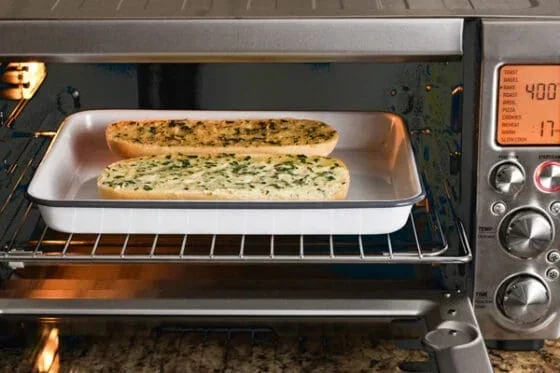
- Place the wrapped bread on a baking sheet and put it in the oven.
- Let it heat for 5 to 10 minutes for slices or 10 to 15 minutes for a whole loaf.
- Remove the foil for the last 2 minutes if you want a slightly crispier crust.
- Take the bread out and let it cool for a minute or two before slicing or serving.
This method works beautifully for almost any type of bread. Whether it is a sandwich loaf, a sourdough boule, or a baguette, the basic oven method delivers great results. The key is keeping the heat low and not rushing the process.
The Damp Paper Towel Method
If you do not have aluminum foil, a damp paper towel works just as well. This method is especially great for individual slices. Here is how it goes:
- Preheat your oven to 300°F.
- Take a few slices of stale bread and place them on a baking sheet.
- Dampen a paper towel and lay it loosely over the slices. Do not soak the towel — just make it slightly moist.
- Put the baking sheet in the oven and heat for 5 to 7 minutes.
- Check the bread. It should feel soft and warm to the touch.
- Remove the paper towel and serve immediately.
This method adds moisture directly to the bread surface. The steam created by the damp towel penetrates the hard crust and softens the interior. It is fast, easy, and requires no special tools. Keep a box of paper towels in your kitchen at all times for this trick.
Using Steam for Even Softer Results
For the softest possible bread, try adding steam to the equation. This is the same principle professional bakers use when creating fresh loaves. Steam keeps the crust flexible during baking, and it can do the same when reheating stale bread.
To use steam, place a small oven-safe dish of water on the rack below your bread. The water will create a humid environment inside the oven. This extra moisture prevents the bread from drying out while it heats. It is especially helpful for artisan breads with thick, hard crusts. The steam softens the crust while the gentle heat warms the soft interior.
How Long To Soften Bread in the Oven
Timing matters a lot when you are trying to soften bread. Too little time and the bread stays hard. Too much time and you end up drying it out even more. Here is a simple guide to help you get the timing right every time.
Temperature and Time Guide for Different Bread Types
Different breads need different amounts of time and heat. A thin baguette slice will soften much faster than a thick sourdough loaf. Here is a quick reference table to guide you.
| Bread Type | Oven Temperature | Time Needed | Best Method |
|---|---|---|---|
| Sandwich Loaf Slices | 300°F | 5 to 7 minutes | Damp paper towel |
| Whole Loaf | 300°F to 350°F | 10 to 15 minutes | Foil wrap method |
| Baguette | 300°F | 5 to 8 minutes | Steam method |
| Artisan Sourdough | 325°F | 8 to 12 minutes | Foil wrap with steam |
| Rolls or Buns | 300°F | 5 to 7 minutes | Damp paper towel |
| Frozen Bread | 325°F | 10 to 15 minutes | Foil wrap method |
These times are approximate. The age and dryness of your bread will affect how long it needs. Always check your bread a minute or two before the suggested time. You can always add more heat, but you cannot undo overcooked bread.
Signs Your Bread Is Ready
How do you know when your bread is soft enough? There are a few easy ways to tell. First, press gently on the top of the loaf or slice. It should give slightly and feel soft, not hard or cardboard-like. Second, smell the bread. If it smells warm and slightly toasty, it is probably ready. Third, check the crust. It should feel flexible, not rock-hard.
Another good test is to tear a small piece off. The inside should feel tender and slightly moist. If it still feels dry or crumbly, give it another minute or two in the oven. Remember, the bread will continue to soften slightly as it cools, so do not overdo it.
Common Mistakes to Avoid When Softening Bread
Even with the best intentions, it is easy to make mistakes when trying to restore stale bread. Here are the most common errors and how to avoid them.
Overheating Your Bread
The biggest mistake people make is setting the oven too high. They think more heat equals faster results. But high temperatures do the opposite. They dry out the bread even more and can turn a soft loaf into a hard, burnt mess. Always keep your oven at 300°F to 350°F. Low and slow is the way to go.
Skipping the Moisture Step
Another common error is putting dry bread straight into the oven without any moisture. This just reheats the bread and makes it even harder. You must add moisture in some form — whether it is a damp towel, a light spritz of water, or steam in the oven. Without moisture, the heat will only accelerate the staling process.
Using the Wrong Container
Some people toss their bread directly onto a bare baking sheet without any cover. This exposes the bread to direct dry heat, which is not ideal. Always wrap your bread in foil or cover it with a damp towel. This creates a little greenhouse effect that traps moisture and heat where you need it most.
Leaving Bread in Too Long
Patience is important here. It can be tempting to leave the bread in the oven while you finish other tasks in the kitchen. But bread can go from perfectly soft to overdone in just a couple of minutes. Set a timer and check on your bread regularly. It is much easier to add a minute or two than to deal with bread that has dried out again.
Tips To Keep Bread Soft Longer
Once you have successfully softened your bread, you want to keep it that way. Proper storage makes a huge difference in how long your bread stays fresh and soft.
Proper Storage Techniques
The best way to store soft bread is at room temperature in a bread bag or a bread box. These containers allow just enough airflow to prevent mold while keeping the bread from drying out too quickly. Avoid storing bread in plastic bags that seal completely. Without ventilation, moisture builds up and creates a damp environment where mold thrives.
If you have a large loaf that you cannot finish in a few days, consider slicing it and freezing half. Bread freezes remarkably well. Wrap the slices tightly in plastic wrap or foil, place them in a freezer bag, and store them in the freezer for up to three months. When you are ready to eat, you can use the same oven method to soften frozen slices directly from the freezer.
Best Containers for Bread Freshness
Not all bread containers are created equal. A ceramic bread crock with a lid works great because it maintains a steady humidity level. Paper bags are also a good option for crusty breads like baguettes. They absorb excess moisture while keeping the interior soft. Avoid storing bread near heat sources like the oven or stove. The warmth will dry it out quickly.
For sliced sandwich bread, the original packaging works fine if you seal it tightly after each use. Many modern bread bags come with a twist tie or clip designed to keep air out. If your bread came in a flimsy bag, transfer it to a reusable airtight container. Your bread will stay soft for an extra day or two.
Comparing Methods — Oven vs. Other Techniques
There are several ways to soften bread, and each has its pros and cons. Let us compare the most popular methods so you can choose the best one for your needs.
Oven vs. Microwave vs. Steaming
The oven method gives you the most even, natural results. It warms the bread gently and restores both the crust and the interior. The microwave is faster, but it can create a rubbery texture. Microwaves heat water molecules unevenly, which means some parts of the bread get too hot while others stay hard. Steaming is excellent for bread with very thick crusts, but it requires more effort and equipment.
For everyday use, the oven method is the clear winner. It takes only a few extra minutes compared to the microwave, but the results are far superior. You get soft, warm bread with a refreshed crust that tastes almost as good as fresh-baked. If you are in a real rush, the microwave works in 10 to 15 seconds. But for the best results, always choose the oven.
Here is a quick comparison of the three methods.
| Method | Time Required | Softness Result | Texture Quality | Ease of Use |
|---|---|---|---|---|
| Oven | 5 to 15 minutes | Excellent — soft throughout | Natural, even warmth | Easy |
| Microwave | 10 to 30 seconds | Good — but uneven | Can be rubbery or soggy | Very Easy |
| Steaming | 5 to 10 minutes | Very Good — great for crusty bread | Soft crust, moist interior | Moderate |
As you can see, the oven method offers the best balance of results, ease, and quality. It is the method I recommend most often for how to soften bread in the oven. Whether you are making a sandwich, serving dinner bread, or reheating leftover pizza bread, the oven delivers consistent, satisfying results every time.
Expert Insights on Bread Softening
Professional bakers and pastry chefs have a few tricks up their sleeves that go beyond the basic methods. Here are some expert tips that can take your bread softening to the next level.
One baker I spoke with always spritzes her stale bread with a light mist of water before wrapping it in foil. She says even a few extra drops make a noticeable difference in the final texture. Another tip from a bread enthusiast is to add a slice of apple or a damp cloth inside the foil wrap. The apple releases moisture slowly as the bread heats, creating a gentle steaming effect that softens the bread beautifully.
Some experts also recommend brushing a very thin layer of olive oil or butter on the crust before reheating. This adds flavor and helps the crust become flexible rather than hard. It is a small detail that makes a big difference, especially for artisan breads with thick, crusty exteriors.
How To Soften Bread In the Oven for Different Occasions
Softening bread in the oven is useful in many situations. Here are a few common scenarios where these tricks come in handy.
Making French Toast: Stale bread is actually ideal for French toast, but you do not want it rock-hard. A quick 5-minute oven session brings it to the perfect texture. The bread absorbs the egg mixture beautifully when it is slightly soft but still has some structure.
Reheating Sandwiches: If you have made sandwiches ahead of time, the bread can get soggy or hard in the fridge. Warming the sandwich in the oven at 300°F for 3 to 5 minutes refreshes the bread and melts the fillings at the same time. Wrap the sandwich in foil for the best results.
Serving Dinner Bread: Nothing impresses dinner guests like warm, soft bread at the table. If your bread has been sitting out, a quick trip to the oven makes it taste freshly baked. Serve it with butter or olive oil for a simple, elegant touch.
Reviving Bakery Bread: Bakery breads often come without preservatives, which means they stale faster than supermarket bread. The oven method is perfect for reviving these artisanal loaves. The gentle heat respects the delicate crumb structure and brings back the bakery-fresh experience.
Frequently Asked Questions
Can you soften bread in the oven without water?
You can, but adding moisture gives much better results. Without water, the oven can actually dry bread out more. If you must skip the water, use a lower temperature around 275°F and keep a close eye on the bread. Covering it with foil helps trap whatever moisture is already inside the loaf.
How long does softened bread last after reheating?
Properly softened bread stays soft for about 1 to 2 days at room temperature. After that, it will begin to stale again. If you want it to last longer, store it in an airtight container or freeze it. Reheating from frozen using the oven method works just as well as reheating day-old bread.
Is it safe to eat bread that has been left out overnight?
Yes, it is generally safe. Bread is a low-moisture food that resists bacterial growth. However, if you see visible mold or the bread smells off, throw it away. When in doubt, it is better to be safe than sorry. The oven method can revive bread that has simply gone stale, but it cannot fix bread that has gone bad.
Can you use this method for gluten-free bread?
Yes, gluten-free bread responds well to the oven softening method. However, gluten-free bread tends to dry out faster than regular bread, so it may need a shorter heating time. Start with 3 to 5 minutes at 300°F and check frequently. The damp paper towel method works especially well for gluten-free varieties.
Why does my bread get hard again after softening?
This usually happens because the bread was not stored properly after softening. Exposure to air causes moisture to evaporate, and the bread firms up again. To prevent this, store softened bread in an airtight container or bread bag. If you are not going to eat it within a day, freeze it instead.
Can you soften bread in the oven without foil?
Absolutely. You can use a damp paper towel, a silicone baking cover, or even an oven-safe lid instead of foil. The key is to trap moisture around the bread while it heats. Any cover that keeps steam in will work. Just avoid leaving the bread completely uncovered, as that will dry it out.
Final Thoughts
Learning how to soften bread in the oven is one of those simple kitchen skills that makes a real difference in your daily life. It saves money, reduces food waste, and means you always have soft, warm bread ready when you need it. Whether you use the basic foil method, the damp paper towel trick, or the steam technique, the results are easy to achieve and well worth the effort.
The key takeaways are simple. Keep your oven temperature low, add moisture, cover your bread, and watch it carefully. Avoid common mistakes like overheating or skipping the water step. And once your bread is soft again, store it properly so it stays that way.
Next time you find yourself staring at a hard, stale loaf, do not throw it away. Reach for your oven and give these tricks a try. You will be amazed at how quickly bread comes back to life. With just a few minutes and a little water, you can enjoy fresh, soft bread any time you want. Happy baking, and happy eating!