The Complete Guide On How To Use Ilve Oven Like A Pro
Learning how to use Ilve oven is easier than you think, and this guide walks you through every step with confidence. Whether you just unboxed your new Ilve oven or want to unlock its full potential, you will find clear instructions on Ilve oven settings, cooking modes, preheating, cleaning, and troubleshooting. By the end, you will cook like a professional chef right in your own kitchen.
Opening a brand new Ilve oven for the first time feels exciting. These professional-grade appliances bring restaurant-quality cooking into your home. But let us be honest. The Ilve oven manual can feel overwhelming at first glance. All those buttons, symbols, and settings might leave you wondering where to even start.
The good news is that learning how to use Ilve oven does not need to be complicated. With a little guidance, you will be roasting, baking, and brooding like a seasoned chef in no time. This guide breaks everything down into simple, easy-to-follow steps. You will learn about the Ilve oven control panel, cooking modes, temperature settings, and much more. Whether you own a built-in Ilve oven or a double oven model, this guide has you covered.
We will also share practical tips on Ilve oven cleaning, rack positioning, and troubleshooting common issues. By the time you finish reading, you will feel completely confident using your Ilve oven every single day. Let us dive right in.
Key Takeaways
- Master the Control Panel: Understanding your Ilve oven control panel is the first step to effortless cooking.
- Preheat Correctly: Always preheat your Ilve oven for consistent and even cooking results.
- Use the Right Rack Position: Ilve oven rack positioning affects browning, crispiness, and cook time.
- Explore All Cooking Modes: From convection to steam cooking, each mode serves a unique purpose.
- Keep It Clean: Regular Ilve oven cleaning and self-cleaning cycles maintain performance and hygiene.
- Troubleshoot Smartly: Knowing common Ilve oven troubleshooting steps saves time and money.
- Follow Safety Guidelines: Proper Ilve oven safety practices protect you and your family.
📑 Table of Contents
Getting Started With Your Ilve Oven
Unboxing and Installation
Before you start cooking, you need to set up your Ilve oven properly. Carefully remove the oven from its packaging. Check for any shipping damage or loose parts. Most Ilve built-in oven models require professional installation, especially if you are connecting gas or hardwiring electricity.
If you have a countertop or freestanding model, the process is simpler. Make sure the oven sits on a flat, stable surface. Leave enough space around the unit for proper ventilation. Check that your kitchen outlet matches the oven’s power requirements.
Understanding the Ilve Oven Control Panel
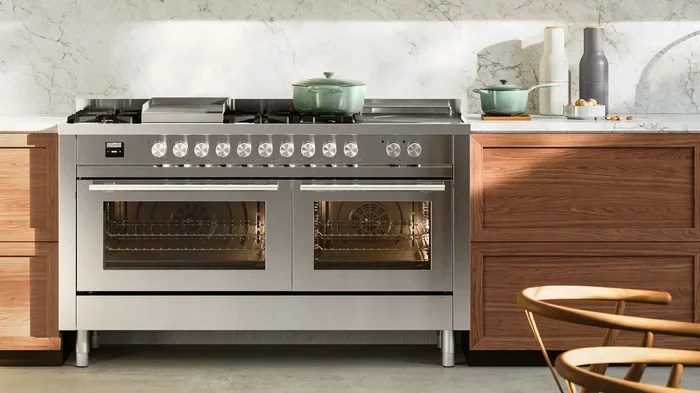
The Ilve oven control panel is the brain of your appliance. At first glance, it might look like a spaceship dashboard. But once you understand each control, it all makes sense.
Most Ilve oven models feature a digital display with touch buttons or rotary dials. Here is what you will typically find:
- Temperature Control: Sets the desired cooking temperature in degrees Fahrenheit or Celsius.
- Mode Selector: Lets you choose between bake, broil, convection, steam, and other cooking modes.
- Timer: Sets the cooking duration. Many models offer both countdown timers and automatic shut-off.
- Start/Stop Buttons: Activates or pauses your selected cooking program.
- Presets: Pre-programmed settings for common dishes like pizza, bread, cookies, and roasted meats.
Take a few minutes to explore each button before you start cooking. Familiarity with the Ilve oven control panel will make your cooking experience smoother and more enjoyable.
Mastering Ilve Oven Settings and Temperature Control
How to Set the Temperature Correctly
Ilve oven temperature control is precise and responsive. Most models offer a wide range, typically from 100°F to 550°F. This range covers everything from slow dehydration to high-heat pizza baking.
When setting the temperature, keep these tips in mind:
- Always preheat before placing food inside. Preheating your Ilve oven ensures even heat distribution from the start.
- Use the convection setting for roasting and baking. The fan circulates hot air for faster, more uniform cooking.
- For delicate items like custards or soufflés, use conventional bake mode without convection to avoid over-browning.
- Check your food with an oven thermometer if you are unsure about accuracy.
Cooking Modes Explained
One of the best things about how to use Ilve oven is the variety of cooking modes available. Each mode serves a different purpose and brings out the best in your food.
Here is a breakdown of the most common Ilve oven cooking modes:
- Bake Mode: Uses top and bottom heating elements for even, all-around heat. Perfect for cakes, cookies, and casseroles.
- Broil Mode: Uses only the top element for intense, direct heat. Ideal for melting cheese, browning dishes, or searing meats.
- Convection Mode: Adds a fan to circulate hot air. Reduces cooking time and promotes even browning.
- Steam Mode: Introduces moisture into the oven cavity. Great for bread baking, vegetables, and fish.
- Combi Mode: Combines convection with steam for professional-level results. Excellent for roasting and proofing dough.
- Pizza Mode: Uses bottom heat at high temperatures for a crispy crust. Perfect for homemade pizza nights.
Experimenting with these modes will help you discover what works best for different recipes. Start with simple dishes and gradually try more advanced techniques.
How to Preheat Your Ilve Oven
Why Preheating Matters
Preheating your Ilve oven is one of the most important steps in cooking. Skipping this step can lead to unevenly cooked food, longer bake times, and disappointing results. When you preheat, the entire oven cavity reaches the target temperature before your food goes in.
Think of it like warming up a car engine on a cold morning. You want everything running smoothly before you start driving. The same principle applies to your Ilve oven.
How Long Does Preheating Take?
Most Ilve oven models preheat within 10 to 15 minutes. However, this can vary depending on the model and the temperature you are targeting. Higher temperatures naturally take longer to reach.
Here is a quick tip: many modern Ilve ovens have a preheat indicator light or beep. Wait until this signal sounds before loading your food inside. This small habit makes a big difference in cooking consistency.
Proper Rack Positioning for Better Results
Why Rack Position Matters
Ilve oven rack positioning plays a huge role in how your food cooks. Where you place the rack determines how much heat your dish receives and how evenly it browns. Getting this right can elevate your cooking from average to outstanding.
Best Rack Positions for Common Cooking Tasks
Here are some general guidelines for rack positioning in your Ilve oven:
- Middle Rack: The default position for most baking and roasting. It provides balanced heat from top and bottom elements.
- Upper Rack: Best for broiling and browning the top of dishes like lasagna or gratins.
- Lower Rack: Ideal for pizza, bread, and dishes that need a crispy bottom crust.
- Dual Rack Cooking: Some Ilve double oven models allow you to cook on two levels simultaneously. Rotate trays halfway through for even results.
Avoid overcrowding the oven. Leaving space between dishes allows hot air to circulate freely. This is especially important when using convection mode.
Ilve Oven Cleaning and Maintenance
Daily Cleaning Tips
Keeping your Ilve oven clean improves its performance and extends its lifespan. After every use, wipe down the interior with a damp cloth once the oven has cooled. Remove any food splatters or grease spots promptly. This prevents buildup and keeps your oven smelling fresh.
Here are some simple daily cleaning habits:
- Wipe the oven interior with a soft, damp cloth after each use.
- Clean the oven racks with warm soapy water.
- Wipe the door glass inside and out for a clear view of your food.
- Empty the crumb tray regularly to prevent smoke and odors.
Using the Self-Cleaning Feature
Most Ilve oven models come with a self-cleaning function. This feature heats the oven to very high temperatures, burning off grease and food residue into ash. Once the cycle completes, you simply wipe away the ash with a damp cloth.
Use the self-cleaning feature every few months or as needed. Keep in mind that the self-cleaning cycle can take two to four hours. It also produces some heat and odor, so make sure your kitchen is well-ventilated during the process.
Deep Cleaning Schedule
For a thorough deep clean, follow this schedule:
- Weekly: Wipe interior surfaces and clean the crumb tray.
- Monthly: Remove and wash oven racks. Clean the door seals with a mild solution.
- Quarterly: Run the self-cleaning cycle and inspect the heating elements.
- Annually: Check the Ilve oven warranty and schedule a professional inspection if needed.
Troubleshooting Common Ilve Oven Issues
Oven Not Heating Up
If your Ilve oven is not heating, start by checking the power source. Make sure the oven is properly plugged in or that the circuit breaker has not tripped. For gas models, verify that the gas supply valve is open.
Next, check if the oven light works. If the light turns on but the oven does not heat, the heating element may need replacement. Contact an authorized service technician for Ilve oven troubleshooting and repairs.
Uneven Cooking Results
Uneven cooking is a common concern with any oven. If your food is browning on one side but not the other, try rotating the tray halfway through the cook time. Also, check that you are using the correct rack position for the dish you are preparing.
If the problem persists, the convection fan might be malfunctioning. In that case, it is best to consult the Ilve oven manual or reach out to customer support.
Oven Running Too Hot or Too Cold
Temperature accuracy is crucial for consistent cooking. If your Ilve oven temperature seems off, invest in an oven-safe thermometer. Place it inside the oven and compare the reading to the display.
If there is a significant difference, you may need to recalibrate the oven. Some Ilve oven models allow you to adjust the temperature offset through the control panel. Refer to your Ilve oven manual for specific instructions.
Safety Tips for Using Your Ilve Oven
Essential Safety Practices
Ilve oven safety should always be a priority. These appliances operate at very high temperatures, and proper handling prevents accidents and injuries.
- Never leave your Ilve oven unattended while broiling or using high heat.
- Use oven mitts or heat-resistant gloves when handling hot trays and racks.
- Keep flammable items like towels and paper away from the oven opening.
- Teach children about oven safety and establish a safe zone around the appliance.
- Do not use the oven to heat your home or dry clothing.
Ventilation and Installation Safety
Proper ventilation is essential, especially for gas Ilve oven models. Ensure your kitchen has adequate airflow to prevent carbon monoxide buildup. If you smell gas, turn off the oven immediately and open windows. Contact a professional technician right away.
For built-in Ilve oven installations, follow all manufacturer guidelines. Improper installation can lead to electrical hazards, gas leaks, or fire risks. Always hire a certified professional for complex installations.
Conclusion
Learning how to use Ilve oven is a rewarding journey. From understanding the Ilve oven control panel to mastering cooking modes, rack positioning, and cleaning routines, every step brings you closer to professional-quality results at home. Your Ilve oven is a powerful tool, and now you have the knowledge to use it confidently.
Remember to always preheat your Ilve oven before cooking, explore different cooking modes for various dishes, and keep up with regular maintenance and cleaning. If you ever run into issues, refer back to the troubleshooting tips in this guide. And never underestimate the importance of oven safety in your daily routine.
With practice and patience, your Ilve oven will become the most-used appliance in your kitchen. Enjoy every meal you create, and take pride in the delicious dishes you bring to the table. Happy cooking!
Frequently Asked Questions
How do I reset my Ilve oven after a power outage?
After a power outage, simply unplug your Ilve oven for 30 seconds, then plug it back in. This resets the control panel and clears any error codes. If the issue persists, consult your Ilve oven manual for model-specific reset instructions.
Can I use metal utensils inside my Ilve oven?
Yes, metal trays, racks, and oven-safe cookware are perfectly safe inside your Ilve oven. However, avoid placing plastic, wooden, or silicone items with low heat resistance inside. Always check manufacturer guidelines for cookware compatibility.
How often should I run the self-cleaning cycle on my Ilve oven?
Running the self-cleaning cycle every two to three months is usually sufficient for most households. If you cook frequently or notice heavy grease buildup, you may need to clean more often. Always follow the Ilve oven manual instructions for the self-cleaning process.
What is the difference between convection and conventional bake mode?
Convection mode uses a fan to circulate hot air, resulting in faster and more even cooking. Conventional bake mode relies on stationary top and bottom heating elements. Convection is great for roasting and baking multiple dishes at once, while conventional bake works best for delicate items like cakes.
Does the Ilve oven come with a warranty?
Yes, most Ilve oven models include a manufacturer warranty that covers parts and labor for a specified period. The length and coverage of the Ilve oven warranty vary by model and region. Register your product on the official Ilve website to activate and track your warranty.
Is it normal for the Ilve oven door to get hot during use?
The exterior of an oven will naturally become warm during use, but the door should not be too hot to touch. If the Ilve oven door is excessively hot, check the door seals for damage or gaps. Worn seals can cause heat to escape and may need replacement for optimal energy efficiency and safety.