How Long To Cook Egg In Oven At 350 For Perfect Results
How long to cook egg in oven at 350 depends on the style you want. Soft baked eggs take about 12 to 15 minutes, while hard baked eggs need 20 to 25 minutes. This guide covers exact times, temperatures, and pro tips for oven-baked eggs that turn out perfectly every single time.
How Long To Cook Egg In Oven At 350 is a question many home cooks ask when they want a fuss-free breakfast. Baking eggs in the oven at 350 degrees Fahrenheit is one of the easiest and most reliable methods you can use. It gives you perfectly cooked eggs every time without standing over a hot stove. Whether you prefer soft and creamy or firm and golden, the oven delivers beautiful results. In this guide, you will learn the exact times, simple steps, and helpful tips for how long to cook egg in oven at 350 to get the perfect outcome.
Many people are surprised to learn that oven-baked eggs are incredibly versatile. You can make individual egg cups, large frittatas, or even a full egg casserole. The hands-off nature of oven cooking means you can prepare other breakfast items while your eggs bake. Plus, cleanup is usually much easier than dealing with a greasy stovetop. This method also scales beautifully, making it perfect for feeding a family or meal prepping for the week ahead.
Cooking eggs in the oven at 350 degrees works so well because the heat surrounds the egg evenly. Unlike a frying pan where one side gets more direct heat, the oven bathes the eggs in consistent warmth. This means no more flipping, no more worrying about uneven cooking, and no more burned edges. Once you try how long to cook egg in oven at 350, you may never go back to stovetop eggs again.
Key Takeaways
- 350°F is the ideal temperature: It cooks eggs evenly without drying them out or burning the edges.
- Soft baked eggs need 12 to 15 minutes: They stay creamy and runny inside, perfect for dipping toast.
- Hard baked eggs take 20 to 25 minutes: Great for meal prep, egg muffins, and casseroles.
- Grease your pan well: This prevents sticking and makes cleanup a breeze.
- Use egg rings for neat shapes: They help portion control and give your eggs a professional look.
- Let eggs rest after baking: Residual heat continues cooking them, so pulling them early is key.
- Oven-baked eggs are hands-off: You can prep other breakfast items while they cook.
📑 Table of Contents
- Why Cooking Eggs In The Oven At 350 Is A Great Choice
- How Long To Cook Egg In Oven At 350 For Different Results
- Step-By-Step Guide To Baking Eggs At 350 Degrees
- Easy And Delicious Oven Egg Recipes To Try
- Tips And Tricks For Perfect Oven-Baked Eggs
- Common Mistakes To Avoid When Baking Eggs In The Oven
- Conclusion
Why Cooking Eggs In The Oven At 350 Is A Great Choice
Baking eggs in the oven at 350 degrees offers many benefits that go beyond just convenience. Once you understand why this method works so well, you will wonder why you did not try it sooner. The oven provides a gentle, even heat that cooks eggs consistently from all sides. This is especially helpful when you are cooking multiple eggs at once.
Even Heat Distribution
One of the biggest advantages of using the oven is the even heat. A stovetop burner creates a hot spot right above the flame, but the oven spreads warmth throughout the entire space. This means every part of your egg gets the same amount of heat. The result is a uniform texture with no overcooked edges or undercooked centers.
Hands-Off Cooking
When you bake eggs in the oven, you set the timer and walk away. There is no need to stand over the stove stirring or flipping. You can prepare other breakfast items like toast, bacon, or fruit while your eggs cook. This hands-off approach makes how long to cook egg in oven at 350 ideal for busy mornings when you need to feed a family quickly.
Meal Prep Friendly
Oven-baked eggs are fantastic for meal prep. You can bake a large batch on Sunday and enjoy them throughout the week. Egg muffins, egg casseroles, and baked egg cups all reheat well in the microwave. This makes the oven method a top choice for anyone who wants grab-and-go breakfasts during the week.
Easy Cleanup
Frying eggs on the stove often leaves a greasy pan that needs scrubbing. Baking eggs in the oven uses sheet pans or muffin tins, which are much easier to clean. Many people line their pans with parchment paper or silicone mats for even less cleanup. A quick wipe or a throw in the dishwasher, and you are done.
How Long To Cook Egg In Oven At 350 For Different Results
The answer to how long to cook egg in oven at 350 depends on the texture you want. Different styles of baked eggs require different times. Below is a complete breakdown of cooking times for various egg preparations at 350 degrees Fahrenheit.
| Egg Style | Cooking Time | Texture |
|---|---|---|
| Soft Baked Eggs | 12 to 15 minutes | Creamy, runny yolk |
| Medium Baked Eggs | 15 to 18 minutes | Semi-set yolk, firm white |
| Hard Baked Eggs | 20 to 25 minutes | Fully set yolk and white |
| Egg Muffin Cups | 18 to 22 minutes | Firm throughout, easy to hold |
| Egg Casserole | 25 to 35 minutes | Set and sliceable, golden top |
| Frittata | 20 to 30 minutes | Firm and sliceable, fluffy |
Soft Baked Eggs: 12 to 15 Minutes
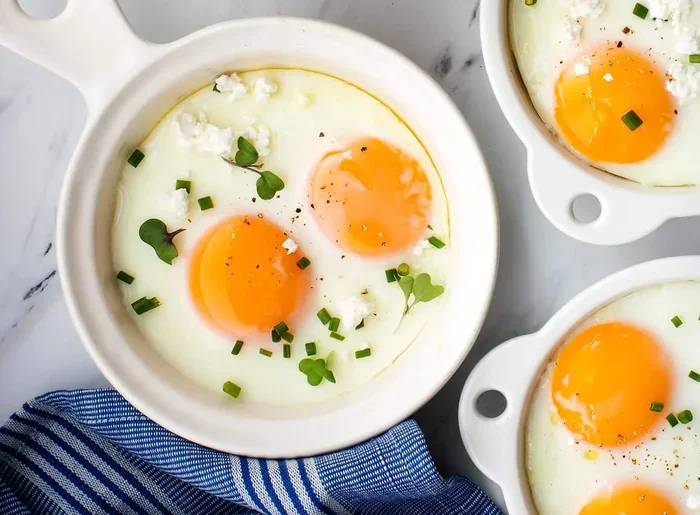
Soft baked eggs at 350 degrees are perfect for those who love a runny yolk. These eggs cook for about 12 to 15 minutes and have a creamy, liquid center. They are wonderful served in a ramekin with a sprinkle of salt and pepper. You can also top them with cheese, herbs, or a drizzle of hot sauce. Soft baked eggs pair beautifully with toast for dipping. The whites set completely while the yolk stays beautifully runny.
Medium Baked Eggs: 15 to 18 Minutes
Medium baked eggs strike the perfect balance between creamy and firm. At 15 to 18 minutes, the yolk is semi-set with a slightly jammy center. The whites are fully cooked and hold their shape. This style is great for egg bake dishes where you want a bit more structure but still enjoy a rich, creamy yolk. Medium baked eggs work wonderfully in breakfast sandwiches or served alongside roasted vegetables.
Hard Baked Eggs: 20 to 25 Minutes
Hard baked eggs at 350 degrees are fully cooked through with a firm yolk and set white. These take 20 to 25 minutes and are ideal for meal prep. Hard baked eggs slice well, pack nicely for lunch, and can be eaten cold or reheated. They are also the base for many egg casserole recipes and egg muffin cups. If you like your eggs fully cooked with no runny parts, this is your go-to time frame for how long to cook egg in oven at 350.
Egg Muffin Cups: 18 to 22 Minutes
Egg muffin cups are one of the most popular ways to bake eggs at 350 degrees. You crack eggs into a greased muffin tin and add your favorite mix-ins like cheese, diced vegetables, or cooked sausage. They bake for 18 to 22 minutes and come out as perfectly portioned, easy-to-hold egg cups. These are amazing for breakfast on the go and store well in the fridge for up to five days.
Egg Casserole and Frittata: 25 to 35 Minutes
For larger dishes like egg casseroles and frittatas, the cooking time extends to 25 to 35 minutes at 350 degrees. These dishes combine eggs with vegetables, cheese, meat, and bread in a deep baking dish. The longer cooking time ensures everything is heated through and the eggs are fully set. A golden crust on top forms naturally when you bake these dishes long enough. Let them rest for five minutes before slicing to help them hold their shape.
Step-By-Step Guide To Baking Eggs At 350 Degrees
Now that you know the timing, let us walk through the process step by step. Following these simple instructions will help you achieve perfect oven-baked eggs every single time. The process is straightforward and requires very little prep work.
- Preheat your oven to 350°F. Always let the oven reach the target temperature before placing your eggs inside. This ensures even cooking from the moment the eggs go in.
- Choose your baking dish or pan. Use a muffin tin for individual egg cups, a ramekin for soft baked eggs, or a deep baking dish for casseroles and frittatas.
- Grease your pan well. Use butter, cooking spray, or a drizzle of olive oil. This prevents the eggs from sticking and makes serving and cleanup much easier.
- Crack your eggs gently. Place them carefully into the prepared pan. For egg muffins, crack one egg per cup. For casseroles, beat your eggs with milk, salt, and pepper first.
- Add your fillings and seasonings. This is where you can get creative. Add cheese, herbs, diced vegetables, cooked meat, or spices to customize your eggs.
- Place the pan in the oven. Put it on the center rack for the most even heat distribution. Avoid opening the oven door too often, as this lets heat escape.
- Set a timer. Use the times from the table above as your starting point. Check for doneness a couple of minutes before the minimum time if you prefer softer eggs.
- Check for doneness. The eggs are ready when the whites are fully set and the yolks reach your desired consistency. Insert a toothpick into the center to check.
- Let the eggs rest. Remove them from the oven and let them sit for two to three minutes. Residual heat continues cooking them, so pulling them slightly early is perfectly fine.
- Serve and enjoy. Your oven-baked eggs are ready to eat. Serve them hot with toast, fruit, or your favorite breakfast sides.
Important Temperature Notes
The egg cooking temperature of 350 degrees Fahrenheit is the sweet spot for most egg-baking recipes. It is hot enough to cook eggs thoroughly but gentle enough to prevent rubbery textures. If you set the oven too high, the edges of your eggs will brown and toughen before the center is fully cooked. If you set it too low, the eggs will take much longer and may dry out. Stick with 350 degrees for the best oven-baked eggs every time.
Easy And Delicious Oven Egg Recipes To Try
Once you master how long to cook egg in oven at 350, you can start experimenting with different recipes. Here are some of the most popular and delicious ways to bake eggs in the oven.
Egg Muffin Cups
Egg muffin cups are the ultimate grab-and-go breakfast. Simply grease a muffin tin, crack an egg into each cup, and add your favorite fillings. Cheese, spinach, diced bell peppers, and cooked bacon are all fantastic options. Beat a few extra eggs with a splash of milk, salt, and pepper, then pour the mixture over your fillings. Bake at 350 degrees for 18 to 22 minutes until the eggs are fully set. Let them cool, store them in the fridge, and reheat them in the microwave for a quick breakfast all week long.
Egg Casserole
An egg casserole is a hearty breakfast dish that feeds a crowd. Line a baking dish with bread slices, pour a mixture of beaten eggs, milk, and seasonings over the top, and add layers of cheese and vegetables. Bake at 350 degrees for 25 to 35 minutes until the center is firm and the top is golden. Egg casseroles are perfect for Sunday brunch or holiday breakfasts. They also make excellent leftovers that taste just as good the next day.
Frittata
A frittata is an Italian-style egg dish that is incredibly easy to make in the oven. Sauté your favorite vegetables and meat in a cast iron skillet, pour beaten eggs over the top, and transfer the skillet to the oven. Bake at 350 degrees for 20 to 30 minutes until the eggs are set and the top is slightly puffed. Frittatas are endlessly customizable. Try combinations like mushroom and cheese, ham and pepper, or zucchini and herb. They are a wonderful way to use up leftover vegetables from the week.
Baked Egg Cups With Cheese
For a simple yet delicious option, try baked egg cups with cheese. Crack eggs into a greased ramekin or muffin cup, top with shredded cheese, and bake at 350 degrees for 12 to 15 minutes for soft eggs or 18 to 22 minutes for firmer eggs. The cheese melts into a beautiful golden blanket over the eggs. Add a pinch of paprika, a sprinkle of chives, or a dash of hot sauce for extra flavor. These are perfect for a quick and elegant breakfast.
Tips And Tricks For Perfect Oven-Baked Eggs
Getting great results with how long to cook egg in oven at 350 comes down to a few simple tips and tricks. These pro tips will help you elevate your oven-baked eggs from good to absolutely perfect every single time.
- Always preheat your oven. Putting eggs into a cold oven leads to uneven cooking. Let the oven reach 350 degrees before placing your dish inside.
- Use room temperature eggs. Eggs that have been sitting out for 15 to 20 minutes cook more evenly than cold eggs straight from the fridge. They also blend better with other ingredients.
- Grease your pan generously. Whether you use butter, oil, or cooking spray, a well-greased pan ensures your eggs slide out cleanly and do not stick.
- Do not overcrowd the pan. Give each egg enough space to cook properly. Overcrowding leads to uneven cooking and makes it hard to remove eggs without breaking them.
- Add a splash of milk or cream. Beating eggs with a small amount of milk or cream before baking creates a softer, creamier texture. This is especially helpful for egg casseroles and frittatas.
- Use an egg ring for neat shapes. Egg rings help you create perfectly round, uniform eggs in the oven. They are especially useful for making English muffin-style egg sandwiches.
- Season at the end. Salt can draw moisture out of eggs if added too early. Add salt and pepper after baking for the best flavor and texture.
- Check for doneness early. Every oven is slightly different. Start checking a couple of minutes before the minimum recommended time to avoid overcooking.
- Let eggs rest after baking. Giving your eggs two to three minutes to rest after removing them from the oven allows the heat to distribute evenly and the texture to set.
- Experiment with add-ins. The beauty of oven-baked eggs is how customizable they are. Try different cheeses, vegetables, herbs, and meats to find your perfect combination.
Quick Tips For Beginners
If you are new to baking eggs in the oven, start with simple soft or medium baked eggs in a ramekin. This gives you a small, manageable batch to practice with. Once you feel confident, move on to egg muffin cups and larger dishes like frittatas. Remember that egg doneness is a matter of personal preference, so do not be afraid to adjust the cooking time to suit your taste. The more you practice how long to cook egg in oven at 350, the more intuitive the process becomes.
Common Mistakes To Avoid When Baking Eggs In The Oven
Even though baking eggs is straightforward, there are a few common mistakes that can lead to disappointing results. Knowing what to avoid will save you time, eggs, and frustration.
Overcooking the Eggs
The most common mistake is leaving eggs in the oven too long. Overcooked eggs become rubbery and dry. The whites turn tough and the yolks become chalky. Always set a timer and check for doneness a few minutes early. Remember that residual heat continues cooking the eggs after you remove them from the oven. This carryover cooking means you should pull your eggs slightly before they look fully done.
Using the Wrong Pan
Not all pans work well for baking eggs. Thin, dark pans can cause the bottom of your eggs to burn. Nonstick pans and light-colored baking sheets work best for oven-baked eggs at 350 degrees. If you use a dark pan, reduce the temperature by 25 degrees or check the eggs earlier than recommended.
Skipping the Grease
Skipping the grease might seem like a small shortcut, but it leads to eggs that stick to the pan and break apart when you try to remove them. Always grease your pan thoroughly, whether you use butter, oil, or cooking spray. For muffin tins, a light coating of spray or a dab of butter in each cup works perfectly.
Opening the Oven Door Too Often
Every time you open the oven door, you let out valuable heat. This can cause your eggs to cook unevenly and increase the overall cooking time. Resist the urge to peek through the oven window every few minutes. Instead, set your timer and trust the process. Check the eggs only when the timer goes off.
Not Beating Eggs Well Enough
For egg casseroles and frittatas, not beating the eggs thoroughly leads to uneven texture. Some parts may be too thick while others are too thin. Beat your eggs until the whites and yolks are fully combined before pouring them into the baking dish. Adding milk or cream and whisking everything together creates a smoother, more uniform result.
Adding Too Many Wet Ingredients
While add-ins make baked eggs delicious, adding too many wet vegetables or ingredients can make the dish watery. If you are using fresh vegetables like spinach or mushrooms, sauté them first to remove excess moisture. Patting vegetables dry before adding them to your egg mixture also helps prevent a soggy final product.
Conclusion
How Long To Cook Egg In Oven At 350 is a simple yet essential skill that every home cook should master. The beauty of this method lies in its simplicity, consistency, and versatility. Whether you want soft and creamy baked eggs for a weekend brunch or firm egg muffin cups for a busy weekday morning, the 350-degree oven delivers amazing results every time. Soft baked eggs need about 12 to 15 minutes, medium eggs take 15 to 18 minutes, and hard baked eggs require 20 to 25 minutes. Larger dishes like egg casseroles and frittatas need 25 to 35 minutes to cook through completely.
Remember to always preheat your oven, grease your pan well, and check for doneness a few minutes early. Avoid common mistakes like overcooking, using the wrong pan, and skipping the grease. With these tips and the times outlined in this guide, you are fully equipped to make delicious oven-baked eggs at home. Start with the basic soft or medium baked egg, experiment with your favorite add-ins, and soon you will be baking eggs in the oven like a pro. The next time someone asks how long to cook egg in oven at 350, you will have all the answers they need.
So go ahead, preheat your oven to 350 degrees, crack some eggs, and enjoy the easy, delicious world of oven-baked eggs. Your mornings will never be the same again.
Frequently Asked Questions
Can I bake eggs at 350 degrees without a pan?
Yes, you can bake eggs directly in oven-safe ramekins, mugs, or even muffin tins without needing a traditional baking pan. Just make sure whatever you use is oven-safe and grease it well to prevent sticking. Silicone molds and ceramic ramekins work wonderfully for this purpose.
How do I know when baked eggs are done?
Baked eggs are done when the whites are completely set and opaque, and the yolks reach your preferred consistency. For soft eggs, the yolk should still be liquid. For medium eggs, the yolk will be slightly jammy. For hard eggs, the yolk will be fully firm. Insert a toothpick into the center to check if it comes out clean.
Can I add vegetables and cheese to my oven-baked eggs?
Absolutely! Adding vegetables like spinach, bell peppers, onions, and mushrooms makes your oven-baked eggs more nutritious and flavorful. Cheese such as cheddar, mozzarella, or feta melts beautifully into eggs. Just make sure to sauté wet vegetables first to remove excess moisture before adding them to your eggs.
How long do oven-baked eggs last in the fridge?
Oven-baked eggs stored in an airtight container last up to five days in the refrigerator. Egg muffin cups and egg casseroles reheat well in the microwave for 30 to 60 seconds. Make sure the eggs are fully cooled before storing them to prevent condensation and sogginess.
Is it better to bake eggs at 350 or 375 degrees?
350 degrees is the recommended temperature for most egg-baking recipes because it provides gentle, even heat. 375 degrees works too but requires closer monitoring since the higher heat can cause the edges to cook faster than the center. Stick with 350 degrees for the most reliable and consistent results.
Can I bake eggs from frozen?
It is best to use fresh or fully thawed eggs for baking. Frozen eggs may release extra moisture during cooking, which can affect the texture and cooking time. If you must use frozen eggs, thaw them completely in the refrigerator overnight and pat them dry before adding them to your baking dish.