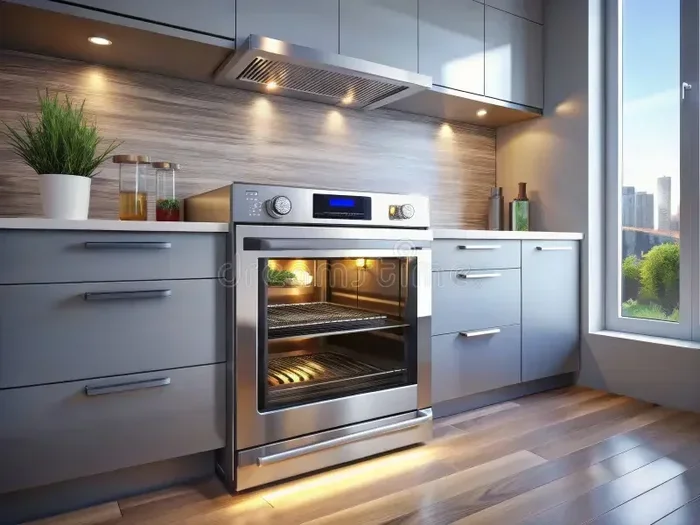
Are 13amp Ovens Good Enough For Your Everyday Kitchen
A 13amp oven is a standard household oven that runs on a regular UK three-pin plug. Most people find that 13amp ovens deliver solid everyday cooking performance without needing a special electrical setup. They are affordable, easy to install, and perfect for basic to moderate baking and roasting tasks. However, if you are a serious cook or need high heat fast, you may want to look at higher-powered options.
Key Takeaways
- Standard and Accessible: A 13amp oven uses a regular household plug, making it simple to set up in any kitchen.
- Good for Everyday Cooking: Most home cooks find 13amp ovens more than enough for baking, roasting, and reheating.
- Affordable Options: These ovens tend to be budget-friendly compared to higher-powered or built-in models.
- Limited for Heavy Use: If you cook large meals frequently or need very high temperatures, a 13amp oven may feel slower.
- Energy Efficient: Lower wattage means less electricity consumption, which can save on bills over time.
- Great for Small Spaces: 13amp ovens work well in flats, small kitchens, and student homes.
- Know Your Needs: Choosing the right oven depends on your cooking habits, kitchen size, and budget.
📑 Table of Contents
- What Is a 13amp Oven and Why Does It Matter?
- Are 13amp Ovens Good for Everyday Cooking?
- 13amp Oven vs Other Oven Types: How Do They Compare?
- Key Features to Look for in a 13amp Oven
- Common Uses and Best Applications for a 13amp Oven
- Are There Any Drawbacks to a 13amp Oven?
- Final Verdict: Is a 13amp Oven Good Enough for You?
- Conclusion
What Is a 13amp Oven and Why Does It Matter?
A 13amp oven is an electric oven that draws power from a standard UK three-pin socket rated at 13 amps. This is the most common type of oven found in British homes. Most plug-in ovens, countertop models, and some small built-in ovens fall into this category. You do not need a dedicated circuit or an electrician to install one. You simply plug it in and start cooking.
The term “13amp” refers to the maximum current the oven draws. In practical terms, this means the oven typically runs at around 3000 watts or less, depending on the model and voltage. This is enough to heat the oven and cook food effectively for most household tasks. But it does mean there are limits to what a 13amp oven can do compared to larger, hardwired models.
Many people buy a 13amp oven without even thinking about the technical details. They just want something that works. And for the majority of everyday cooks, that is exactly what they get. The real question is whether it matches your specific cooking needs and lifestyle.
How Does a 13amp Oven Work?
A 13amp oven uses heating elements powered by the standard mains supply. The heating elements warm up and distribute heat inside the oven cavity. Some models use a fan to circulate hot air, while others rely on natural convection. The temperature is controlled by a thermostat that switches the heating elements on and off to maintain the set temperature.
The 13amp power limit means the heating elements are not as powerful as those in a 15amp or hardwired oven. This affects how quickly the oven reaches the target temperature and how much heat it can sustain at once. For most cooking tasks, this difference is barely noticeable. But for high-heat cooking or large roasts, it can matter.
Are 13amp Ovens Good for Everyday Cooking?
The short answer is yes. For most households, a 13amp oven handles everyday cooking tasks very well. Baking cakes, roasting vegetables, heating up leftovers, and cooking frozen meals all work perfectly fine. The oven reaches cooking temperature in a reasonable time and maintains it steadily throughout the cooking process.
Home cooks who prepare meals most days of the week will find a 13amp oven to be a reliable companion. It is not the fastest option on the market, but it gets the job done. If you are not a professional chef or a competitive baker, the performance of a standard 13amp oven will likely surprise you with how capable it really is.
What Can You Cook in a 13amp Oven?
The range of dishes you can prepare in a 13amp oven is broad. Here are some examples of what works well:
- Baked goods: Cakes, cookies, bread, pastries, and muffins all bake beautifully in a standard 13amp oven.
- Roasted meals: Chicken, potatoes, casseroles, and lasagna cook evenly in most models.
- Reheating: Leftovers and takeaways heat up quickly and evenly.
- Frozen foods: Chips, pies, and ready meals cook just fine in a 13amp oven.
- Slow cooking: Lower temperature dishes like stews and braises work especially well.
The key is understanding that a 13amp oven performs best at moderate temperatures and with standard portion sizes. If you are cooking for a large family or preparing multiple dishes at once, you might notice the oven working harder to keep up.
Quick Tips for Best Results
- Preheat your 13amp oven for at least 10 to 15 minutes before baking.
- Avoid opening the door too often, as it loses heat quickly.
- Use the middle rack for even heat distribution.
- Do not overload the oven with too many dishes at once.
- Place dishes in the centre for the most consistent cooking.
13amp Oven vs Other Oven Types: How Do They Compare?
Not all ovens are the same. When you are shopping for a new oven, it helps to understand how a 13amp oven compares to other types. This comparison will help you decide if a 13amp oven is the right choice for your home.
13amp Oven vs 15amp Oven
A 15amp oven draws more power and typically reaches higher temperatures faster. These models are often hardwired into the kitchen electrics rather than plugged into a socket. A 13amp oven is easier to install and move, but a 15amp oven offers better performance for heavy cooking.
For most home cooks, the difference in daily performance is small. A 13amp oven will cook your food just as thoroughly. It may just take a few extra minutes to preheat. If you rarely push your oven to its limits, the 13amp model is more than enough.
13amp Oven vs Convection Oven
A convection oven uses a fan to circulate hot air. This is a feature, not a power type. You can find 13amp convection ovens that combine the standard 13amp plug with fan-assisted cooking. These are excellent for even browning and faster cooking times.
If you are choosing between a standard 13amp oven and a 13amp convection oven, the fan-assisted model is usually the better pick. It cooks more evenly and reduces hot spots. The power draw remains the same, so you do not need a special socket.
13amp Oven vs Built-in Oven
Built-in ovens are often hardwired and can run on higher amperage. A 13amp built-in oven does exist and is a popular choice for kitchens where a dedicated circuit is not available. These ovens offer the same cooking performance as a plug-in 13amp oven but are installed at a different height in the kitchen.
The main advantage of a 13amp oven over a hardwired model is flexibility. You can unplug it, move it, or replace it without hiring an electrician. For renters or people who move homes often, this is a big plus.
Comparison Table
| Feature | 13amp Oven | 15amp Oven | Built-in Hardwired Oven |
|---|---|---|---|
| Power Source | Standard plug socket | Dedicated circuit | Hardwired electrics |
| Installation | Plug and play | Requires electrician | Requires electrician |
| Wattage Range | Up to 3000W | Up to 3500W | Up to 4000W+ |
| Portability | High | Low | None |
| Everyday Cooking | Excellent | Very Good | Excellent |
| High-Heat Performance | Good | Very Good | Excellent |
| Cost | Lower | Medium | Higher |
| Best For | Small to medium households | Regular heavy cooking | Serious home cooks |
Key Features to Look for in a 13amp Oven
Not all 13amp ovens are created equal. When you are shopping for one, there are specific features that make a big difference in everyday use. Knowing what to look for helps you find the best 13amp oven for your kitchen and your budget.
Temperature Range
A good 13amp oven should offer a temperature range of at least 50°C to 250°C. This covers everything from slow warming to high-heat roasting. Some models go even higher, which is useful for pizza or artisan bread. Check the temperature range before you buy to make sure it suits the types of dishes you cook most often.
Cooking Modes
Look for a 13amp oven that offers multiple cooking modes. The most useful ones include:
- Top and bottom heating: Great for baking and roasting.
- Fan-assisted: Circulates hot air for even cooking.
- Grill: Perfect for toasting and browning dishes.
- Defrost: A handy feature for thawing frozen foods quickly.
The more cooking modes your 13amp oven has, the more versatile it becomes. Even a basic model with three or four modes can handle most cooking tasks with ease.
Oven Capacity
The size of the oven cavity matters a lot. A 13amp oven with a capacity of 60 to 70 litres is ideal for most households. It can fit a standard roasting tin, a baking tray, and a small dish all at once. If you have a very small kitchen, a compact 13amp oven with 40 to 50 litres may be more practical.
Expert Insight
According to kitchen appliance experts, the sweet spot for a 13amp oven is around 65 litres. This size offers enough cooking space without taking up too much counter or floor space. It also heats up efficiently without overloading the heating elements.
Ease of Cleaning
Nobody wants to spend hours scrubbing their oven after a cooking session. Look for a 13amp oven with a non-stick interior or a catalytic lining. These surfaces help break down grease and food splatters during cooking. Some models even have a removable crumb tray that makes cleaning a breeze.
Safety Features
A good 13amp oven should include safety features like a cool-touch door, an interior light, and a timer with an auto-shutoff. These features protect your family and make the oven much easier and safer to use every day.
Common Uses and Best Applications for a 13amp Oven
A 13amp oven fits naturally into many kitchen setups. It is not just a budget compromise. In many cases, it is the smartest and most practical choice. Here are the situations where a 13amp oven truly shines.
Small Kitchens and Flats
If you live in a flat or a small apartment, a 13amp oven is often the best option. These ovens are compact, plug into a standard socket, and do not require any electrical modifications. They take up minimal space while still delivering reliable cooking results. For single people, couples, or small families, a 13amp oven is more than enough.
Student Homes and Rental Properties
Students and renters benefit greatly from a 13amp oven. There is no need to call an electrician or modify the kitchen wiring. You can move the oven with you when you relocate. The affordable price point also makes it a practical choice for people who do not want to invest heavily in kitchen appliances.
Occasional and Everyday Cooking
If you cook a few times a week and mostly prepare simple to moderate meals, a 13amp oven is a perfect match. It handles everything from Sunday roasts to midweek pasta bakes with ease. The oven preheats in a reasonable time and cooks food evenly at standard temperatures.
Secondary or Backup Oven
Some households use a 13amp oven as a second oven. This is especially helpful during holidays or when hosting guests. A plug-in 13amp oven can sit on the kitchen counter or a separate table and handle extra dishes while the main oven is in use. It is a flexible and cost-effective solution.
Common Mistakes to Avoid
- Overcrowding the oven: Packing too many dishes in at once blocks airflow and leads to uneven cooking.
- Skipping preheating: A 13amp oven takes a bit longer to reach temperature. Skipping preheat can result in undercooked food.
- Ignoring the manual: Every 13amp oven has specific guidelines. Reading the manual helps you get the best performance.
- Using the wrong cookware: Dark or oversized trays can affect heat distribution in a 13amp oven.
- Setting the temperature too high: A 13amp oven works best at moderate settings. Cranking it to maximum can strain the heating elements.
Are There Any Drawbacks to a 13amp Oven?
It is fair to look at both sides before making a decision. A 13amp oven has some limitations that are worth understanding. This helps set realistic expectations and ensures you choose the right appliance for your needs.
The main drawback is the power limit. A 13amp oven cannot sustain very high heat output for extended periods. If you frequently cook at temperatures above 250°C or need to roast very large cuts of meat, the oven may struggle to maintain consistent heat. In these cases, a higher-powered oven would be a better fit.
Another consideration is preheat time. Because a 13amp oven has less heating power, it takes a little longer to reach the target temperature compared to a more powerful model. This is not a dealbreaker for most people, but it is something to be aware of if you are used to a faster oven.
Finally, a 13amp oven may not be ideal for very large households. If you have five or more family members and cook big meals every night, the smaller cavity and lower power output could feel limiting. In these situations, a larger built-in oven with higher wattage might serve you better.
Expert Insight
Appliance testers note that the gap between a 13amp oven and a higher-powered model is smaller than most people think. In blind taste tests and cooking comparisons, home cooks often cannot tell the difference in the final dish. The 13amp oven holds its own in most real-world cooking scenarios.
Final Verdict: Is a 13amp Oven Good Enough for You?
So, are 13amp ovens good enough? For the vast majority of home cooks, the answer is a resounding yes. A 13amp oven delivers reliable, consistent cooking performance for everyday meals, baking, roasting, and reheating. It is easy to install, affordable to buy, and simple to use. These are qualities that make a kitchen appliance genuinely good.
If you live alone or with one or two other people, a 13amp oven is almost certainly all you need. If you cook a few times a week and enjoy trying new recipes, this type of oven will serve you well for years. The key is to choose a model with the right features for your cooking style and to use it properly.
On the other hand, if you are a passionate home chef who cooks complex meals daily or needs very high heat regularly, you might want to explore higher-powered options. But even then, a 13amp oven makes a fantastic backup or secondary oven that complements your main cooking setup.
At the end of the day, a 13amp oven is one of the most practical and sensible choices for a household kitchen. It balances performance, convenience, and cost in a way that works for most people. If you are in the market for a new oven and want something straightforward and dependable, a 13amp oven deserves a serious look.
Conclusion
A 13amp oven is a solid, dependable choice for everyday kitchen cooking. It offers the right balance of performance, affordability, and ease of use for most households. Whether you are a beginner cook or a seasoned home chef, a 13amp oven can handle your regular meals with confidence. The key is to understand its strengths and limitations and to choose a model that fits your cooking habits. With the right 13amp oven in your kitchen, you will find that everyday cooking becomes simpler, more enjoyable, and consistently satisfying. Do not overlook this practical and proven kitchen appliance. It might just be the perfect fit for your home.
Frequently Asked Questions
Can a 13amp oven handle baking bread?
Yes, a 13amp oven can bake bread very well. Most bread recipes call for temperatures between 180°C and 220°C, which is well within the range of a standard 13amp oven. The key is to preheat the oven properly and avoid opening the door too early. A 13amp oven produces consistent, even heat that creates a good crust and a soft crumb inside.
Is a 13amp oven the same as a standard oven?
In the UK, a 13amp oven is essentially the standard household oven. It runs on a regular three-pin plug and does not require any special electrical setup. Most plug-in ovens sold for home use are 13amp models. So when people refer to a “standard oven,” they are usually talking about a 13amp oven.
Can I use a 13amp oven with an extension lead?
It is not recommended to use an extension lead with a 13amp oven. Ovens draw a significant amount of current, and an extension lead can overheat or cause a safety hazard. Always plug a 13amp oven directly into a wall socket. If your socket is not near the oven, consider having a new socket installed by a qualified electrician.
How long does a 13amp oven take to preheat?
A 13amp oven typically takes 10 to 15 minutes to preheat to 180°C. This is slightly longer than a higher-powered oven but still very reasonable. To speed things up, make sure the oven is empty and the door is closed properly. Avoid opening the door repeatedly, as this lets heat escape and slows down the preheating process.
Are 13amp ovens energy efficient?
Yes, a 13amp oven tends to be more energy efficient than higher-powered models. Because it draws less electricity, it uses less power during each cooking session. Over time, this can lead to noticeable savings on your energy bills. Choosing an 13amp oven with good insulation and a fan-assisted feature can improve efficiency even further.
What size 13amp oven is best for a family of four?
For a family of four, a 13amp oven with a capacity of 60 to 70 litres is ideal. This size provides enough space to cook a roast, a baking tray, and a small dish at the same time. It is large enough for everyday family meals but not so big that it wastes energy heating an empty cavity. Look for a model with multiple shelves and a clear interior light for the best experience.