Can You Put Paper Baking Cups In The Oven Safely
Yes, you can put paper baking cups in the oven safely, but only if you follow the right temperature limits and use the correct type of liner. Most standard paper baking cups can handle oven temperatures up to 400-450°F, making them perfect for muffins, cupcakes, and other baked goods. Always check the manufacturer’s guidelines and never exceed the recommended heat threshold to avoid fire hazards or burnt liners.
Have you ever stood in front of your oven wondering whether your favorite paper baking cups can handle the heat? It is a question that comes up surprisingly often among home bakers. The good news is that you can put paper baking cups in the oven safely, as long as you know what you are doing. Using the wrong type of liner or exceeding the temperature limit can lead to a messy disaster or even a fire hazard. This guide covers everything you need to know about paper baking cup oven safety, from choosing the right liner to setting the correct temperature.
Baking with paper liners is one of the easiest ways to enjoy muffins, cupcakes, and other treats without the hassle of greasing pans. But not every paper liner behaves the same way inside a hot oven. Some can handle high heat like a champ, while others will curl, burn, or even catch fire. Understanding the difference between oven-safe paper baking cups and regular liners is the first step toward stress-free baking. Whether you are a beginner or a seasoned baker, this article will give you the confidence to use paper baking cups the right way every single time.
Key Takeaways
- Paper baking cups are oven safe: Most standard paper liners can withstand temperatures between 350°F and 450°F when used correctly.
- Check the label every time: Not all paper baking cups are created equal. Always verify the heat-resistant rating before placing them in the oven.
- Use a muffin tin for support: Paper baking cups need a rigid muffin tin to hold their shape and prevent the sides from falling into the batter.
- Wax-coated cups have limits: Wax-lined paper baking cups can melt or ignite at high temperatures. Stick with uncoated or parchment-lined options.
- Never reuse disposable cups: Reusing paper baking cups weakens the structure and increases the risk of fire or collapsing batter.
- Silicone cups are a great alternative: If you bake frequently, silicone baking cups offer higher heat resistance and long-term savings.
📑 Table of Contents
- Can You Put Paper Baking Cups In The Oven Safely?
- Understanding the Heat Limits of Paper Baking Cups
- Types of Paper Baking Cups and Their Oven Safety
- Step-by-Step Guide to Using Paper Baking Cups in the Oven
- Common Mistakes People Make with Paper Baking Cups
- Expert Tips and Pro Baking Advice
- Conclusion
Can You Put Paper Baking Cups In The Oven Safely?
What Are Paper Baking Cups?
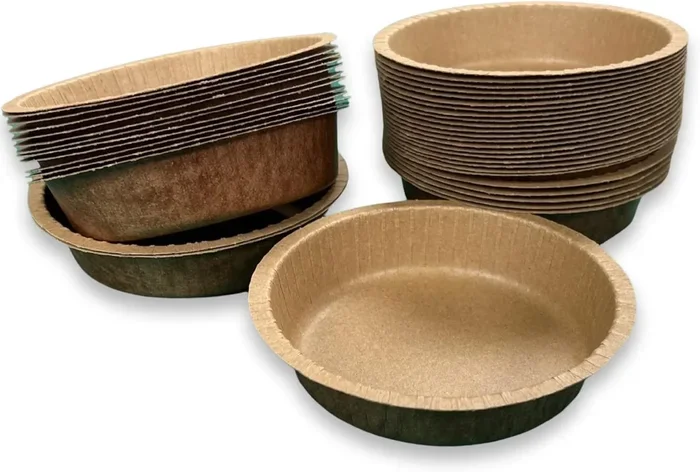
Paper baking cups are small, cone-shaped liners made from food-grade paper. They are designed to line the inside of a muffin tin or cupcake pan. Their main job is to keep baked goods from sticking to the metal while making cleanup a breeze. You will find them in most grocery stores, and they come in a wide range of colors, patterns, and sizes.
Most paper baking cups are made from food-safe paper that is naturally heat resistant. Some are treated with a thin layer of wax or a special coating to add extra strength. These liners are meant to be disposable, which makes them incredibly convenient for casual baking and entertaining guests. You simply fill them, place them in a muffin tin, and pop them into the oven.
However, convenience does not mean you should be careless. Not all paper liners are built to handle the same level of heat. The safety of your paper baking cups depends on the material, the coating, and the temperature you set. That is why reading the packaging before baking is so important.
How Do Paper Baking Cups Perform in the Oven?
When you place paper baking cups in a preheated oven, the paper absorbs moisture from the batter while the outer surface is exposed to dry heat. This combination helps the cup hold its shape during baking. A well-made paper liner will stand tall along the sides of the muffin tin, giving your cupcakes or muffins a clean, professional look.
The paper fibers in oven-safe liners are designed to withstand temperatures commonly used for baking. Most standard recipes call for oven temperatures between 325°F and 375°F. At these levels, quality paper baking cups perform beautifully. They soften slightly but maintain their structure. The batter cooks evenly inside the cup, and the paper peels away cleanly once the treats have cooled.
That said, paper is still paper. It is not flame-proof. Exposing paper baking cups to temperatures beyond their rated limit can cause browning, charring, or worse. Understanding the heat limits of your specific liners is essential for safe and successful baking.
Understanding the Heat Limits of Paper Baking Cups
The Role of Coatings and Linings
The coating on a paper baking cup plays a big role in how it handles heat. Some cups come with a thin wax coating that helps them resist grease and moisture. Wax-coated paper baking cups work fine at moderate temperatures. However, the wax can begin to melt at temperatures above 400°F. In extreme cases, the melted wax can ignite, creating a serious fire hazard inside your oven.
Other paper baking cups are lined with a thin layer of parchment or a food-safe silicone coating. These liners are generally more heat resistant than wax-coated versions. Parchment-lined cups can often handle temperatures up to 450°F without any issues. If you are unsure about the coating on your liners, look for words like oven safe or heat resistant on the packaging.
There are also uncoated paper baking cups made from heavy-duty paperboard. These are a great option for bakers who want to avoid any coatings altogether. They are naturally heat resistant and work well at standard baking temperatures. The trade-off is that they may not be as grease-resistant as coated versions, so you might need to lightly grease the tin before adding the cups.
What Temperature Is Too High?
Most standard paper baking cups are rated for temperatures up to 400°F to 450°F. This covers the vast majority of baking recipes, from muffins at 350°F to quick breads at 400°F. However, some specialty recipes call for higher temperatures, such as certain artisan breads or pizzas baked at 500°F or above. In these cases, paper baking cups are not recommended.
Here is a simple rule of thumb. If your baking temperature exceeds 450°F, do not use paper baking cups. The risk of the paper scorching, catching fire, or releasing harmful fumes is simply too high. For high-heat applications, consider using silicone baking cups or bare metal muffin tins instead.
It is also worth noting that oven hotspots can create uneven heating. Even if your oven is set to 375°F, certain spots inside the oven may be significantly hotter. This can cause paper baking cups to brown or burn on one side while the other side remains untouched. To avoid this, place your muffin tin in the center of the oven and rotate it halfway through baking.
Types of Paper Baking Cups and Their Oven Safety
Not all paper baking cups are the same. Different types offer different levels of heat resistance and functionality. Understanding the options available helps you make informed choices for every baking project.
Standard Paper Baking Cups
Standard paper baking cups are the most common type found in supermarkets. They are made from food-grade paper and usually come in a pack of 24 or 48. These cups are designed for everyday baking and work perfectly at temperatures between 350°F and 400°F. They are lightweight, affordable, and available in a rainbow of colors.
Most standard paper baking cups are uncoated or have a very thin food-safe lining. They are perfectly oven safe for regular baking recipes. Just make sure they fit snugly inside your muffin tin to prevent the sides from collapsing into the batter.
Wax-Coated Paper Cups
Wax-coated paper baking cups have a thin layer of wax applied to the inside and sometimes the outside. This coating adds a layer of grease resistance, which can be helpful when baking particularly moist or oily batters. However, the wax coating has a lower heat tolerance than uncoated paper.
Wax-coated cups are generally safe up to about 350°F. If you plan to bake at higher temperatures, it is best to avoid wax-coated liners. The melted wax can not only ruin your baked goods but also pose a fire hazard inside the oven. Always check the packaging to confirm whether your paper baking cups are wax-coated.
Parchment Paper Cups
Parchment paper baking cups are among the most heat resistant options available. Parchment is naturally non-stick and can handle temperatures up to 450°F. These cups are slightly thicker than standard paper liners and offer excellent structural support. They are a favorite among professional bakers and serious home bakers alike.
Parchment paper cups are also more eco-friendly than their wax-coated counterparts. They are often made from unbleached, natural materials and do not contain harmful chemicals. If you want the best combination of oven safety and quality, parchment paper baking cups are an excellent choice.
| Type of Paper Cup | Heat Resistance | Grease Resistance | Best For |
|---|---|---|---|
| Standard Paper Cups | Up to 400°F | Low | Everyday muffins and cupcakes |
| Wax-Coated Paper Cups | Up to 350°F | High | Moist batters at moderate temps |
| Parchment Paper Cups | Up to 450°F | Medium | High-heat baking and professional use |
Step-by-Step Guide to Using Paper Baking Cups in the Oven
Using paper baking cups in the oven is simple, but doing it correctly makes a big difference in both safety and results. Follow these steps every time for the best outcome.
Choosing the Right Cups for Your Recipe
Start by checking the packaging of your paper baking cups. Look for any temperature rating or oven-safe symbol. If the package does not mention a temperature limit, stick to standard baking temperatures of 350°F to 375°F to be safe. Choose a cup size that matches your muffin tin. Standard muffin cups work for most recipes, while mini or jumbo cups are available for specialty baking.
Consider the type of recipe you are making. For delicate cupcakes with light batter, a sturdy parchment paper cup is ideal. For simple muffins, standard paper cups work just fine. If you are baking something with a very wet or oily batter, a wax-coated cup might seem tempting, but remember to keep the temperature moderate.
Placing Them Properly in the Muffin Tin
Always place paper baking cups inside a muffin tin before adding batter. The tin provides the rigid support that paper cups need to stand upright. Without a tin, the cups will flop over and spill batter into the oven. This not only creates a mess but can also be a fire hazard if the batter drips onto the oven floor or heating elements.
Press each cup gently into the muffin tin to ensure it sits flat against the bottom. Smooth out any wrinkles or folds in the paper, as these can cause uneven baking. The cup should stand straight and tall, with the opening wide enough to hold the batter without spilling over.
Setting the Right Temperature
Preheat your oven before placing the muffin tin inside. This ensures even heat distribution from the start. Set the temperature according to your recipe, but never exceed 450°F when using paper baking cups. If your recipe calls for a higher temperature, consider using a metal muffin tin without liners or switching to silicone baking cups.
Place the muffin tin in the center rack of the oven. This position allows for the most even heat circulation around the paper cups. Avoid placing the tin too close to the top or bottom heating elements, as direct exposure to intense heat can cause the paper to scorch or ignite.
Quick Tips for Using Paper Baking Cups
- Always use a muffin tin: Never place loose paper cups directly in the oven without a supporting tin.
- Do not overfill: Fill each cup no more than two-thirds full to prevent batter from overflowing and touching the oven walls.
- Check for damage: Inspect paper cups before use. Tears, holes, or weak spots can cause the cup to collapse during baking.
- Use fresh cups every time: Never reuse disposable paper baking cups, as they lose structural integrity after the first use.
- Let them cool: Allow baked goods to cool in the cups for at least 5 minutes before removing them. This helps the paper hold its shape.
Common Mistakes People Make with Paper Baking Cups
Even experienced bakers can make mistakes when using paper baking cups. Knowing what to avoid saves time, ingredients, and most importantly, keeps your kitchen safe.
Overfilling the Cups
One of the most common errors is filling paper baking cups too full. When batter rises during baking, it expands. If the cup is filled to the brim, the batter will overflow. This can cause the paper to stick to the oven walls or drip onto the heating elements. Overflowing batter can also create smoke and grease buildup inside the oven, which is both a fire hazard and a cleaning nightmare.
The sweet spot is to fill each cup about two-thirds full. This gives the batter enough room to rise without spilling over the edges. For cupcakes with tall frosting, a slightly lower fill level works even better.
Using the Wrong Type of Liner
Not every paper liner is suitable for oven use. Some decorative paper cups are designed for serving only and are not meant to go in the oven. These cups may contain dyes, adhesives, or coatings that are not food safe at high temperatures. Always check the label to confirm that your paper cups are specifically labeled as baking cups or oven safe.
Similarly, avoid using regular wax paper or parchment sheets cut into circles as a substitute for proper baking cups. While parchment paper itself is oven safe, it does not have the structural shape of a baking cup and will not stand up properly in the muffin tin.
Skipping the Muffin Tin
This mistake is more common than you might think. Some bakers place paper baking cups directly on a baking sheet without a muffin tin. While this might seem like a time-saver, it is not safe. Without the rigid support of a muffin tin, the paper cups will collapse under the weight of the batter. The result is a baked mess and a very difficult cleanup.
Always use a muffin tin when baking with paper cups. If you do not have a muffin tin, consider investing in a silicone baking mat or using a different baking method altogether.
Expert Tips and Pro Baking Advice
Paper vs. Silicone Baking Cups
If you bake regularly, you might wonder whether to stick with paper baking cups or switch to silicone alternatives. Both have their advantages, and the right choice depends on your baking habits and priorities.
Silicone baking cups are reusable, dishwasher safe, and can handle temperatures up to 450°F or higher. They are more environmentally friendly since you can use them hundreds of times. Silicone cups also provide excellent heat distribution, which can lead to more evenly baked goods. However, they can be more expensive upfront and may not give you the same classic paper cup look.
Paper baking cups are affordable, convenient, and perfect for occasional baking. They come in endless colors and patterns, making them ideal for themed parties and gift-giving. The downside is that they are single-use, which generates more waste. For most home bakers, a combination of both options works best. Use paper cups for special occasions and silicone cups for everyday baking.
Can You Reuse Paper Baking Cups?
The short answer is no. Paper baking cups are designed to be disposable. After one use, the paper becomes weakened from absorbing moisture and exposure to high heat. Reusing a paper baking cup increases the risk of it collapsing during baking. The weakened paper may also scorch or burn at a lower temperature than a fresh cup would.
Some bakers try to reuse cups that look clean after removing the baked good. This is not recommended. Even if the cup appears intact, its structural integrity has been compromised. For the best results and safest baking, always use a fresh paper baking cup for every batch.
Quick Tips for Better Baking Results
- Grease the muffin tin first: Lightly greasing the tin before placing paper cups inside helps them grip the surface and prevents sliding.
- Match cup size to batter volume: Use mini cups for bite-sized treats and standard cups for full-sized muffins.
- Store cups properly: Keep paper baking cups in a cool, dry place to prevent moisture damage before use.
- Experiment with flavors: Add a sprinkle of cinnamon or cocoa powder inside the paper cup before pouring in the batter for an extra flavor boost.
- Use a muffin top pan: For oversized cupcakes, a muffin top pan with larger paper cups gives you that perfect domed shape.
Conclusion
The answer to the question can you put paper baking cups in the oven is a clear yes, with a few important conditions. As long as you use the right type of liner, stay within the recommended temperature range, and always place the cups in a muffin tin, you can bake with confidence. Paper baking cups are a simple, effective, and convenient tool that makes baking easier and cleanup faster.
Remember to check the packaging for temperature ratings and avoid wax-coated cups at high heat. Choose parchment-lined cups for the best combination of safety and performance. And never reuse disposable cups, no matter how tempting it might be. By following the tips and guidelines in this article, you will enjoy perfectly baked muffins, cupcakes, and treats every time you use paper baking cups in the oven.
Baking should be fun and stress-free. With the right knowledge, using paper baking cups safely becomes second nature. So go ahead, preheat your oven, line your muffin tin, and create something delicious. Happy baking!
Frequently Asked Questions
Can paper baking cups catch fire in the oven?
Yes, paper baking cups can catch fire if exposed to temperatures beyond their rated limit or if they are placed too close to a heating element. Always check the temperature rating on the packaging and never exceed 450°F when using standard paper liners. Keeping the muffin tin in the center of the oven also reduces the risk of fire.
What temperature can paper baking cups withstand?
Most standard paper baking cups are safe for oven temperatures up to 400°F to 450°F. Wax-coated cups have a lower tolerance, usually around 350°F. Parchment paper cups can handle the highest heat, often up to 450°F. Always refer to the manufacturer’s guidelines on the packaging before baking.
Are wax-coated paper baking cups safe for the oven?
Wax-coated paper baking cups are safe at moderate temperatures up to about 350°F. However, the wax coating can melt and potentially ignite at higher temperatures. For recipes that require baking above 350°F, it is best to use uncoated or parchment-lined paper cups instead.
Can you reuse paper baking cups after baking?
No, paper baking cups are designed for single use only. After baking, the paper absorbs moisture and weakens, making it prone to collapsing or burning during a second use. Always use a fresh cup for each batch to ensure the best results and safest baking experience.
Do you need a muffin tin when using paper baking cups?
Yes, you should always place paper baking cups inside a muffin tin. The tin provides the rigid support that paper cups need to stand upright during baking. Without a tin, the cups will collapse under the weight of the batter and create a mess in your oven.
What is the best alternative to paper baking cups for high-heat baking?
Silicone baking cups are the best alternative for high-heat baking. They are reusable, can withstand temperatures above 450°F, and provide excellent heat distribution. Metal muffin tins without liners are another option for recipes that require very high temperatures. Both alternatives eliminate the fire risk associated with paper liners at extreme heat.