How Long To Cook Grouper In Oven At 400 For Perfect Results
Knowing how long to cook grouper in oven at 400 is the key to perfectly baked fish every time. Grouper fillets typically need 15 to 20 minutes at 400°F depending on thickness. This guide covers timing, seasoning, temperature checks, and pro tips for oven-baked grouper that stays moist and flavorful.
There is something magical about how long to cook grouper in oven at 400. It is one of those simple techniques that turns a plain piece of fish into a restaurant-quality meal. Whether you are a beginner in the kitchen or a seasoned home cook, mastering this method will change the way you prepare seafood. Grouper is a mild, white fish that bakes beautifully. It pairs well with almost any flavor profile you can imagine.
The beauty of baking grouper at 400 degrees Fahrenheit lies in the balance. The heat is hot enough to create a light golden crust on the outside. Yet it is gentle enough to keep the inside moist and flaky. Many people overcomplicate fish cooking. But the truth is, bake grouper at 400 and you will rarely go wrong. This guide will walk you through every detail, from timing to seasoning to serving. By the end, you will feel confident enough to make this dish your go-to weeknight dinner.
Key Takeaways
- Standard cook time: Grouper fillets bake at 400°F for 15 to 20 minutes, depending on thickness.
- Internal temperature matters: Cook grouper to 145°F for safe, flaky results.
- Thickness changes everything: Thicker fillets need more time; thin pieces cook faster.
- Seasoning is simple: Olive oil, lemon, garlic, and herbs make excellent grouper seasoning.
- Avoid overcooking: Check the fish early to keep it moist and tender.
- Oven type varies: Convection ovens may reduce bake time by 2 to 3 minutes.
- Serving ideas: Pair oven-baked grouper with roasted veggies, rice, or a fresh salad.
📑 Table of Contents
- Why 400°F Is the Ideal Temperature for Grouper
- How Long To Cook Grouper In Oven At 400: The Complete Guide
- Perfect Grouper Seasoning and Preparation
- How to Tell When Grouper Is Done
- Common Mistakes When Baking Grouper at 400°F
- Serving Ideas and Side Dishes for Baked Grouper
- Storing and Reheating Leftover Grouper
- Health Benefits of Eating Grouper
- Expert Insights on Baking Grouper
- Key Takeaways
- Conclusion
Why 400°F Is the Ideal Temperature for Grouper
Temperature control is the backbone of great oven-baked grouper. Not all oven temperatures work equally well for fish. Some recipes call for lower heat, while others push the temperature higher. So why does 400°F stand out as the sweet spot?
At 400°F, the oven delivers even, consistent heat around the fish. This helps the grouper cook uniformly from edge to center. Lower temperatures, like 350°F, take longer and can dry out the fish. Higher temperatures, like 425°F or 450°F, risk burning the exterior before the inside is done. 400°F hits the perfect middle ground.
Another reason this temperature works so well is the Maillard reaction. This is the chemical process that creates browning and flavor on the surface of food. At 400°F, the grouper fillet develops a subtle golden color without turning crispy or hard. The result is a delicate exterior that gives way to a tender, juicy interior. White fish baking at this temperature also allows any added breadcrumbs or coatings to crisp up nicely without overcooking the fish beneath.
Convection vs. Conventional Ovens
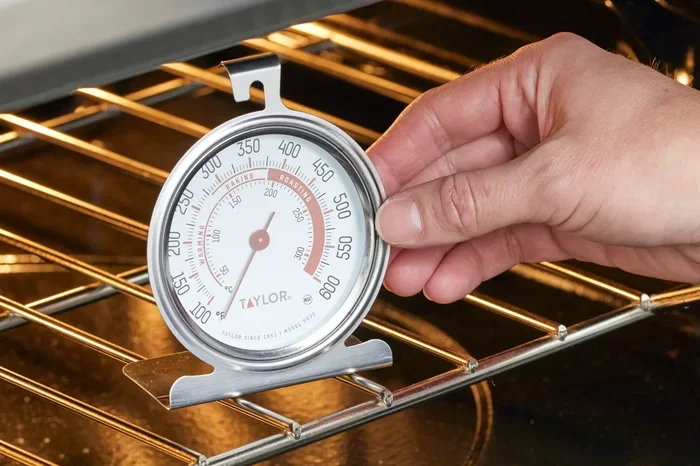
If you have a convection oven, you might need to adjust your approach slightly. Convection ovens use a fan to circulate hot air, which cooks food faster and more evenly. This means grouper fillets in a convection oven may be done in 12 to 17 minutes instead of 15 to 20. Reduce the temperature by about 25°F if your recipe does not already account for convection settings. Always check the fish a few minutes early to prevent drying it out.
How Long To Cook Grouper In Oven At 400: The Complete Guide
The short answer is 15 to 20 minutes. But the real answer depends on several factors. Let us break down what affects the cook time for grouper fish in oven at 400.
Cook Time Based on Fillet Thickness
Thickness is the single biggest factor in determining how long your grouper needs in the oven. Here is a general guide:
- Thin fillets (1/4 inch): 10 to 12 minutes at 400°F
- Medium fillets (1/2 inch): 12 to 15 minutes at 400°F
- Standard fillets (3/4 inch): 15 to 18 minutes at 400°F
- Thick fillets or steaks (1 inch): 18 to 22 minutes at 400°F
These times assume room-temperature fillets placed on a single layer. If you stack fillets or crowd the pan, the cook time increases. The heat cannot circulate properly, and the fish may steam instead of bake. Always arrange the grouper fillet pieces with space between them for the best results.
Bone-In vs. Boneless Grouper
Boneless grouper fillets cook faster and more evenly than bone-in pieces. Bones act as insulators, meaning the meat around them takes longer to reach the safe internal temperature. If you are cooking a bone-in grouper steak, add 3 to 5 minutes to the standard time. Use a meat thermometer to check doneness near the bone, as that is the last part to cook through.
Fresh vs. Frozen Grouper
Fresh grouper cooks more predictably than frozen. If you are using frozen fillets, thaw them completely before baking. Place the fish in the refrigerator overnight to defrost safely. Cooking frozen grouper directly in the oven at 400°F will lead to uneven results. The outside may overcook while the center remains frozen. Thawed grouper fish time is always more reliable and produces better texture.
Perfect Grouper Seasoning and Preparation
Seasoning is where you can truly make grouper dinner recipe your own. The fish has a mild, slightly sweet flavor that absorbs seasonings beautifully. You do not need complicated ingredients to make it shine.
Simple Seasoning Blend
For a classic approach, keep it simple. Here is what you need:
- 2 tablespoons olive oil
- 1 teaspoon sea salt
- 1/2 teaspoon black pepper
- 2 cloves garlic, minced
- 1 tablespoon fresh lemon juice
- 1 teaspoon paprika or dried herbs
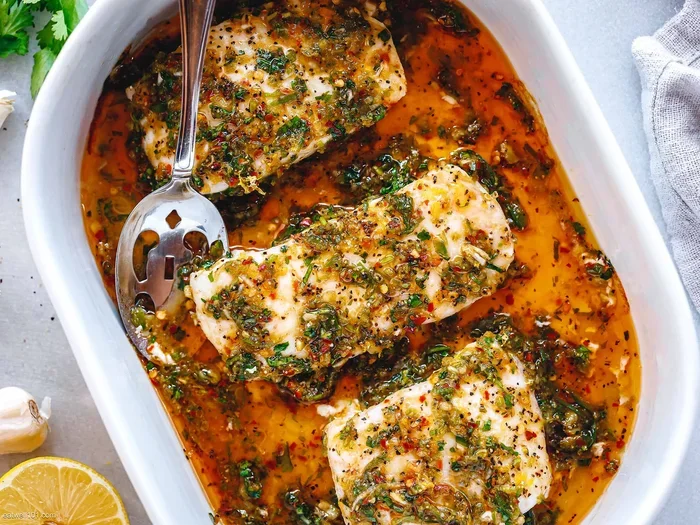
Pat the grouper dry with a paper towel before seasoning. Moisture on the surface prevents the spices from sticking. Drizzle the olive oil over the fillets, then sprinkle the seasoning evenly on both sides. The olive oil also helps the fish stay moist during baking. It creates a thin barrier that locks in juices.
Flavor Variations for Baked Grouper
Once you master the basics, you can experiment with different flavor profiles. Here are some popular grouper seasoning ideas:
- Mediterranean style: Add oregano, basil, sun-dried tomatoes, and a drizzle of balsamic glaze.
- Asian-inspired: Use soy sauce, ginger, sesame oil, and a sprinkle of sesame seeds.
- Southwestern: Try cumin, chili powder, lime zest, and a touch of honey.
- Southern comfort: Coat with a light cornmeal crust and add cayenne pepper for heat.
Each variation changes the character of the dish while keeping the cooking time the same. The grouper cooking tips remain consistent regardless of which direction you go.
Should You Use Parchment Paper or Aluminum Foil?
This is a common question among home cooks. Parchment paper is the better choice for most people. It prevents sticking without reacting to the acid in lemon juice or tomatoes. Aluminum foil works too, but it can cause the bottom of the fish to steam rather than bake. If you want a crispy bottom on your grouper fillets, skip the foil and use a lightly greased baking sheet or parchment paper instead.
How to Tell When Grouper Is Done
Timing gives you a rough estimate, but the real indicator is the fish itself. Learning how to check for doneness is one of the most valuable fish cooking guide skills you can develop.
Use a Meat Thermometer
The most accurate way to check grouper fish internal temperature is with an instant-read thermometer. Insert it into the thickest part of the fillet. When the temperature reaches 145°F, the fish is done. At this point, the grouper should be opaque white and flake easily with a fork. Remove it from the oven as soon as it hits 145°F. The residual heat will continue to cook the fish slightly as it rests on the pan.
The Fork Test
If you do not have a thermometer, use the fork test. Gently press the thickest part of the fillet with a fork. The fish should flake apart in clean, separate pieces. If it still feels translucent or resistant in the center, it needs more time. Check again every 2 minutes. Overcooked grouper becomes dry and chalky, so err on the side of pulling it out a little early.
Visual Cues
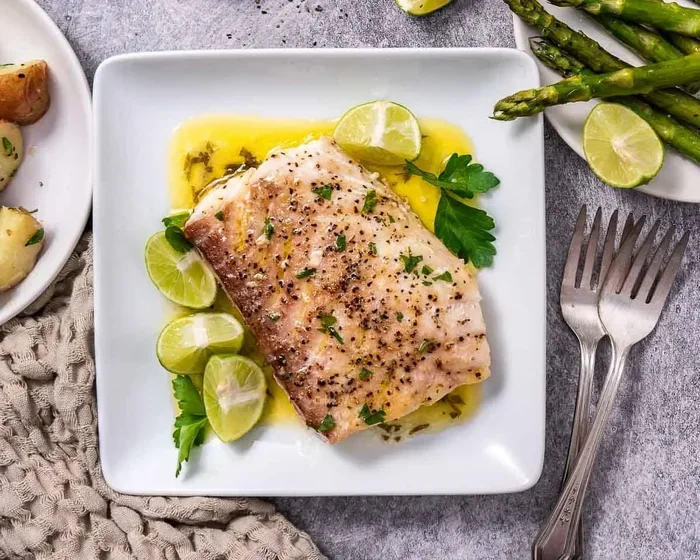
Freshly baked grouper should look uniformly white throughout. There should be no translucent or glassy areas remaining. The surface should be lightly golden if you used oil or a light breadcrumb coating. The fish should also have a pleasant, mild aroma. If you smell anything fishy or ammonia-like, the fish may have gone bad before cooking. Always check the freshness of your seafood before it goes in the oven.
Common Mistakes When Baking Grouper at 400°F
Even experienced cooks make mistakes with oven roasted fish. Being aware of these pitfalls helps you avoid them and achieve better results every time.
Overcooking the Fish
This is the number one mistake people make with grouper fish time. Grouper is a lean fish with low fat content, which means it dries out quickly once it passes the ideal doneness point. Set a timer and check the fish a few minutes before the recommended end time. It is always better to pull it out slightly underdone than to let it turn into a dry, rubbery brick.
Skipping the Preheat
Some people throw the grouper in a cold oven and hope for the best. This leads to uneven cooking and longer bake times. Always preheat your oven to 400°F before placing the fish inside. A hot oven ensures the grouper starts cooking immediately and develops that lovely golden color on the outside.
Overcrowding the Pan
Crowding traps steam and prevents proper heat circulation. The result is soggy grouper instead of crispy, baked perfection. Give each fillet at least an inch of space on the baking sheet. If you are cooking a large batch, use two sheets or bake in two rounds.
Not Bringing the Fish to Room Temperature
Cold fish straight from the refrigerator cooks unevenly. The outside may be done while the center is still cold. Take the grouper out of the fridge 10 to 15 minutes before baking. This small step makes a big difference in even cooking and better texture.
Using Too Much Seasoning or Acid
Grouper is delicate. Heavy seasoning can overpower its natural flavor. Lemon juice is great, but too much can start to “cook” the fish before it even goes in the oven, creating a mushy texture. Use acid sparingly and balance it with oil and salt for the best results.
Serving Ideas and Side Dishes for Baked Grouper
The right sides can turn a simple baked grouper into a memorable meal. Here are some ideas that pair wonderfully with healthy fish recipe options.
Best Side Dishes
- Roasted vegetables: Asparagus, zucchini, bell peppers, and cherry tomatoes roast beautifully alongside grouper at 400°F.
- Rice pilaf: A light lemon rice pilaf soaks up the juices from the fish perfectly.
- Garlic mashed potatoes: Creamy and comforting, a classic pairing for baked seafood.
- Fresh salad: A bright mixed greens salad with a light vinaigrette balances the richness of the fish.
- Grilled corn: Adds a smoky, sweet element that complements the mild flavor of grouper.
For a complete seafood dinner, keep the sides simple and fresh. Grouper has a delicate taste, and heavy sides can mask it. Let the fish be the star of the plate.
Sauces That Pair Well with Baked Grouper
A great sauce can elevate baked grouper from simple to stunning. Try a lemon butter sauce, a mango salsa, or a light tartar sauce. Mango salsa is especially good during the summer months. The sweetness of the mango contrasts beautifully with the mild grouper. A drizzle of good-quality olive oil and a squeeze of fresh lemon right before serving also works wonders.
Storing and Reheating Leftover Grouper
If you have leftovers from your grouper oven recipe, store them properly to enjoy them the next day. Place the cooled fish in an airtight container and refrigerate within two hours. Leftover grouper keeps well in the fridge for up to 3 days.
When reheating, avoid the microwave if possible. It tends to dry out fish quickly and can make it rubbery. Instead, reheat in the oven at 300°F for about 8 to 10 minutes. Cover the fish loosely with foil to trap moisture. This method preserves the texture and flavor much better than any other reheating option.
Health Benefits of Eating Grouper
Beyond its delicious taste, grouper offers several nutritional benefits. It is a lean protein source, making it an excellent choice for those watching their calorie intake. Grouper is also a good source of omega-3 fatty acids, which support heart health and reduce inflammation. It provides vitamin B12, selenium, and phosphorus. Adding bake grouper to your weekly meal rotation is an easy way to boost your intake of high-quality protein and essential nutrients.
Compared to fattier fish like salmon, grouper is lower in calories and fat. This makes it a great option for lighter meals. Pair it with vegetables and whole grains for a balanced, nutritious plate. A single serving of oven-baked grouper with roasted veggies makes for a satisfying seafood oven recipe that supports a healthy lifestyle.
Expert Insights on Baking Grouper
Professional chefs often share the same advice when it comes to grouper cooking tips. Keep it simple. Let the quality of the fish speak for itself. Start with fresh, sustainable grouper whenever possible. Look for fillets that are bright white, firm to the touch, and free of strong odors.
Chef recommendations also emphasize the importance of resting the fish after baking. Let the grouper sit on the pan for 3 to 5 minutes after removing it from the oven. This allows the juices to redistribute throughout the fillet. Cutting into it immediately causes the juices to run out, leaving the fish drier than it should be. That short rest makes a noticeable difference in texture and moisture.
Another pro tip is to brush the fillets with a thin layer of butter before baking. The butter adds richness and helps the seasoning adhere to the surface. It also contributes to a more golden, appetizing finish. This small addition takes the dish to the next level without adding much effort.
Key Takeaways
- Standard cook time: Grouper fillets bake at 400°F for 15 to 20 minutes, depending on thickness.
- Internal temperature matters: Cook grouper to 145°F for safe, flaky results.
- Thickness changes everything: Thicker fillets need more time; thin pieces cook faster.
- Seasoning is simple: Olive oil, lemon, garlic, and herbs make excellent grouper seasoning.
- Avoid overcooking: Check the fish early to keep it moist and tender.
- Oven type varies: Convection ovens may reduce bake time by 2 to 3 minutes.
- Serving ideas: Pair oven-baked grouper with roasted veggies, rice, or a fresh salad.
Conclusion
Mastering how long to cook grouper in oven at 400 is easier than you might think. The process is straightforward, the results are impressive, and the cleanup is minimal. Whether you are cooking for yourself, your family, or guests, baked grouper is a dish that delivers every time. The key is paying attention to thickness, using a meat thermometer, and pulling the fish out at just the right moment.
Remember the basics: preheat your oven, season simply, and give the fish enough space on the pan. Avoid the common mistakes that lead to dry, overcooked fish. With a little practice, you will be able to prepare oven-baked grouper almost without thinking about it. The timing will become second nature, and you will start experimenting with different seasonings and serving styles on your own.
Grouper is a versatile, healthy, and delicious fish that deserves a regular spot in your rotation. Next time you are at the seafood counter, grab a fresh fillet and try this method at home. You will be amazed at how a simple grouper fish recipe can turn into one of the best meals you have ever made. So preheat that oven to 400°F, season your grouper, and enjoy the process of creating something truly satisfying from scratch.
The beauty of this approach is its simplicity. You do not need fancy equipment or hard-to-find ingredients. Just a hot oven, a good fillet, and a little confidence. Once you nail the timing and temperature, you will open the door to a world of healthy fish recipe possibilities. Grouper is waiting, and your next great meal is just 15 to 20 minutes away.
Frequently Asked Questions
Can I cook grouper at 350°F instead of 400°F?
Yes, you can, but it will take longer. At 350°F, expect the cook time to increase by about 5 minutes. The lower temperature means the fish bakes more slowly and may not develop the same golden color on the outside. 400°F is recommended for the best balance of crisp exterior and moist interior.
How do I know if my grouper is overcooked?
Overcooked grouper looks dry, chalky white, and falls apart in mushy pieces. It lacks the moist, flaky texture that properly baked fish should have. If the internal temperature exceeds 150°F, the fish has likely gone too far. Always check early and pull it out at 145°F for the best results.
Can I bake grouper with skin on at 400°F?
Absolutely. Baking grouper with the skin on adds flavor and helps protect the fish from drying out. Place the fillet skin-side down on the baking sheet. The skin will crisp up slightly at 400°F and make flipping or serving easier. Just make sure the skin is scaled and cleaned before baking.
What is the best way to thaw frozen grouper before baking?
The safest method is to thaw frozen grouper in the refrigerator overnight. Place the fillets on a plate lined with paper towels and let them sit in the fridge for 12 to 24 hours. Avoid thawing at room temperature, as this can promote bacterial growth. Once thawed, pat the fish dry before seasoning and baking.
Can I add breadcrumbs to my grouper before baking at 400°F?
Yes, a light breadcrumb coating adds a nice crispy texture to baked grouper. Dip the fillets in beaten egg or melted butter, then press them into seasoned breadcrumbs. Bake at 400°F for 15 to 20 minutes. The breadcrumbs will turn golden and crunchy while keeping the fish moist inside. This technique works great for a more indulgent version of your grouper dinner.
How long does leftover baked grouper last in the fridge?
Leftover baked grouper keeps in the refrigerator for up to 3 days when stored in an airtight container. Make sure the fish has cooled to room temperature before sealing it. Reheat gently in the oven at 300°F for 8 to 10 minutes, covered loosely with foil, to maintain the best texture and flavor.