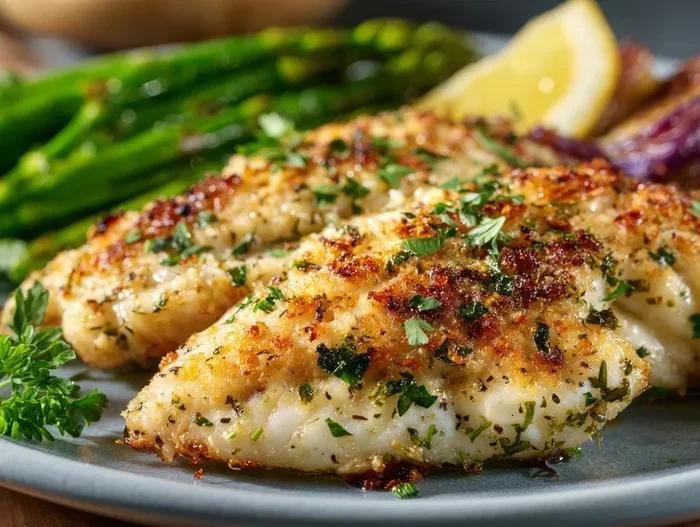
How Long To Cook Stuffed Flounder In The Oven Perfectly
How Long To Cook Stuffed Flounder In The Oven perfectly requires the right temperature and timing. This guide provides a step-by-step approach to baking tender, flavorful fish with delicious stuffing. You will learn the exact minutes and temperatures needed for a flawless seafood dinner every time.
Baking fish can feel tricky, especially when you are working with a delicate variety like flounder. If you have ever wondered how long to cook stuffed flounder in the oven, you are in the right place. This guide will walk you through every step to ensure your fish turns out perfectly moist and flavorful. Many home cooks avoid baking fish because they fear it will stick to the pan or dry out quickly. But with the right approach, you can create a restaurant-quality meal in your own kitchen. The secret lies in understanding how heat interacts with this delicate protein.
How Long To Cook Stuffed Flounder In The Oven depends on a few key factors. The thickness of your fillets, the type of stuffing you use, and your oven temperature all play a role. But do not worry. We will break it all down so you can serve a stunning seafood dinner without any stress. Whether you are cooking for a weeknight family meal or a special occasion, this method guarantees success. You will be surprised at how simple it is to achieve restaurant-quality results at home. This dish is perfect for a dinner party or a quiet weeknight meal.
Flounder is a fantastic choice for baked dishes because it has a mild flavor and a tender texture. Unlike stronger fish like salmon or mackerel, flounder does not overwhelm the palate. This makes it an excellent option for people who are not used to eating fresh fish. The delicate nature of the fillet means it pairs beautifully with a wide variety of fillings and sauces. You can easily customize the recipe to match your personal taste preferences and dietary needs. Proper fillet preparation starts with patting the fish dry and ensuring it is the right thickness for even cooking.
When you bake flounder, you are not just making a delicious meal; you are also preparing a highly nutritious dish. Flounder nutrition is impressive, offering a great source of lean protein and essential omega-3 fatty acids without a lot of calories. This makes it a perfect choice for health-conscious eaters who still want to enjoy a comforting, home-cooked meal. Incorporating fish into your weekly meal plan is one of the best decisions you can make for your overall health. You can even save the flounder cheeks for a separate crispy snack after you have filleted the fish.
Key Takeaways
- Optimal Temperature: Bake at 375 degrees Fahrenheit for even cooking.
- Standard Cooking Time: Plan for 20 to 25 minutes depending on fillet thickness.
- Use a Meat Thermometer: Ensure the internal temperature reaches 145 degrees Fahrenheit.
- Moisture is Key: Use a foil tent to keep the delicate fish from drying out.
- Let it Rest: Allow the fish to rest for 3 to 5 minutes before serving.
- Customize the Stuffing: Get creative with herbs, cheese, and seafood add-ins.
📑 Table of Contents
What Is Stuffed Flounder and Why Make It?
Stuffed flounder is a delightful dish where you take thin flounder fillets and fill them with a savory mixture. The fish is then rolled or folded around the filling and baked until it is just cooked through. It is an elegant meal that looks impressive but is surprisingly easy to prepare. When you serve this dish at the table, guests will think you spent hours in the kitchen, even if you only started thirty minutes before.
Many people love fresh fish because it cooks quickly and absorbs flavors beautifully. Flounder is a mild white fish that pairs well with almost any stuffing. Whether you prefer a breadcrumb-based filling or a vegetable medley, the result is a tender and juicy meal. The gentle cooking process in the oven preserves the natural moisture of the fish while the stuffing adds a burst of complementary flavors. This combination creates a harmonious bite that is both comforting and sophisticated.
Making stuffed flounder is also a great way to use up leftover ingredients. If you have half a cup of cooked rice, some chopped vegetables, or a bit of cheese, you can turn them into a delicious filling. This flexibility makes the recipe both economical and creative. You never have to worry about wasting food when you have a versatile base like flounder. It is the ultimate clean-out-the-fridge recipe that always tastes gourmet.
Historically, stuffed fish dishes have been popular in coastal communities around the world. Fishermen would stuff their catch with local herbs and grains to create a complete meal in one packet. Today, this tradition continues, but we have access to an even wider variety of ingredients. You can draw inspiration from Mediterranean, Asian, or classic American cuisines when designing your perfect stuffing.
Choosing the Right Flounder Fillets
When shopping for flounder, look for fillets that are about one-quarter to one-third inch thick. Thinner fillets will cook much faster, while slightly thicker ones might need a few extra minutes. Always check for a fresh, ocean-like smell. The flesh should be bright and translucent, not dull or slimy. If the fish smells overly fishy, it is best to choose a different piece.
If you cannot find fresh flounder, frozen fillets work just as well. Just make sure to thaw them completely in the refrigerator before you start. Pat the fish dry with paper towels before you begin preparing your fish stuffing. This step removes excess moisture and helps the coating stick better. Moisture is the enemy of a good bake, so taking the time to dry the fillets is well worth the effort. Wet fish will steam instead of bake, resulting in a mushy texture.
When selecting your fillets, try to find pieces that are roughly the same size. This ensures that all the fillets will finish cooking at the same time. Uneven fillets can lead to some pieces being overcooked while others are still raw in the middle. Consistency is key when you are preparing a baked flounder recipe for a group of people. Taking the extra time to sort your fillets before you start will save you from serving unevenly cooked fish.
Another important factor is the skin. You can bake flounder with the skin on, which helps hold the fillet together during cooking. However, many people prefer to remove the skin for a cleaner eating experience. If you leave the skin on, make sure to score it lightly with a sharp knife. This prevents the skin from curling up in the heat and ensures even cooking throughout the seafood flavor profile.
The Best Stuffing Combinations
The stuffing is where you can get creative. A classic lemon butter sauce base mixed with breadcrumbs creates a wonderful texture. You can also add herbs like parsley, dill, or chives for extra freshness. These aromatic herbs release their oils during baking, infusing the fish with a wonderful fragrance that will fill your kitchen with a mouthwatering aroma.
For a heartier meal, try mixing cooked shrimp or crab meat into your seafood flavor blend. Spinach and ricotta cheese also make a fantastic vegetarian option. No matter what you choose, keep the stuffing moist but not wet. Too much liquid can make the bottom of your baking dish soggy and prevent the stuffing from browning properly. You want the filling to hold its shape once it is cooked.
Another excellent option is to use cooked quinoa or couscous as a base for your stuffing. These grains absorb flavors wonderfully and provide a nice nutty contrast to the soft fish. You can mix in some sun-dried tomatoes, pine nuts, or feta cheese for an Mediterranean twist. Adding a bit of diced onion and garlic to the base of your stuffing will build a deep, savory foundation. The possibilities are truly endless when you are working with flounder nutrition and mild flavors that readily absorb other ingredients.
Do not be afraid to add a touch of heat if you enjoy spicy food. A pinch of red pepper flakes or a dash of hot sauce in your stuffing can add a wonderful kick. Just be mindful of the overall balance. The stuffing should complement the delicate fish, not overpower it. A little goes a long way when it comes to adding spice to your easy fish recipe.
How Long To Cook Stuffed Flounder In The Oven: Time and Temperature
Getting the oven temperature right is the most important part of this recipe. Most chefs recommend baking stuffed flounder at 375 degrees Fahrenheit. This moderate heat allows the fish to cook evenly without drying out. It is the perfect balance between cooking the fish thoroughly and keeping it tender. Finding the right temperature is the foundation of any successful baked fish dish.
So, how long to cook stuffed flounder in the oven? As a general rule, plan for about 20 to 25 minutes. However, this cooking time can vary based on the thickness of your fillets and the density of your stuffing. A thinner fillet with a light stuffing might be done in just 15 minutes, while a thicker, heavily stuffed piece could take up to 30 minutes. Always rely on visual and tactile cues rather than the clock alone.
It is always better to check the fish early rather than late. Overcooked fish cannot be undone, but undercooked fish can usually go back in for a few more minutes. Set your timer for 15 minutes and start checking the progress. This proactive approach helps you catch the perfect moment to pull the dish out of the oven. Every oven is slightly different, so your first few attempts might require a little experimentation.
Standard Oven Temperature for Flounder
Setting your oven to 375 degrees Fahrenheit is the sweet spot for baked flounder recipe success. This temperature is hot enough to lightly brown the top but gentle enough to cook the fish through without toughening it. If you set the oven too high, the outside will burn before the inside is cooked. Conversely, too low a temperature will cause the fish to steam rather than bake, leaving you with a pale, soggy result.
If you preheat your oven properly, the fish will start cooking immediately upon contact with the heat. This helps lock in moisture and creates a slight crust on the exterior. Avoid opening the oven door too frequently, as this releases the heat and can cause the fish to cook unevenly. Trust the process and let the oven do its work. A good quality oven thermometer can be a lifesaver if you suspect your oven runs hot or cold.
For those using a convection oven, you might want to lower the temperature by about 25 degrees Fahrenheit. Convection ovens circulate hot air, which cooks food faster and more evenly. This means your cooking time might be slightly shorter as well. Keep a close eye on the fish during the last few minutes to prevent it from drying out in the rapid airflow.
Calculating the Exact Cooking Time
To calculate the exact cooking time, consider the size of your fillets. A standard six-ounce fillet will take roughly 20 minutes at 375 degrees. If your fillets are larger or your stuffing is very dense, add three to five extra minutes. Always use a sharp knife or a fork to test for doneness at the thickest part of the roll. The fish should be opaque throughout and flake easily when prodded gently.
The best way to know if your fish is done is to check the internal temperature. You want the thickest part of the fillet to reach 145 degrees Fahrenheit. At this internal temperature, the fish will be opaque and flake easily with a fork. Always use a meat thermometer for the most accurate results. This simple tool removes all the guesswork from the equation and takes the anxiety out of baking fish.
Remember that the fish will continue to cook slightly after you take it out of the oven. This residual heat means you should pull the fillets out just before they reach the target temperature. Letting them rest for a few minutes allows the heat to distribute evenly throughout the fish, resulting in a perfectly cooked bite every time. This resting time is crucial for achieving the ideal texture and moisture level.
Step-by-Step Guide to Preparing Your Stuffed Flounder
Preparing stuffed flounder is a fun and rewarding process. Follow these steps to ensure your dish comes together perfectly every time. Even if you are a beginner in the kitchen, these instructions are easy to follow. You will be amazed at how professional the final result looks and tastes. The key is to take your time and enjoy the process of creating something delicious from scratch.
Before you start, gather all your ingredients and tools. You will need your flounder fillets, your prepared stuffing, some butter or olive oil, and a suitable baking dish. Having everything ready before you begin is the secret to a smooth cooking experience. This concept is called mise en place, and it is a habit that all great home cooks share. When your ingredients are prepped and measured out, the actual assembly goes by in a flash.
Prepping the Fish and Filling
Start by laying your flounder fillets flat on a clean surface. If the fillets are very long, you can cut them in half to make easier-to-handle portions. In a separate bowl, mix your breadcrumbs, chopped herbs, grated cheese, and any other ingredients you have chosen. The mixture should be moist enough to hold together when pressed, but not so wet that it becomes soggy. You can add a little olive oil or melted butter to your dry ingredients to achieve the right consistency.
Spread a thin layer of the stuffing mixture along the thicker edge of each fillet. Be gentle as you work. The goal is to create an even layer that will cook at the same rate as the fish. Once filled, carefully roll the fillets up like a jelly roll or fold them over. Secure them with toothpicks if necessary to keep the filling from escaping during the baking process. Using toothpicks also makes it easier to serve neat, uniform portions.
Assembling the Dish for Baking
Place your rolled fillets seam-side down in a greased baking dish. Make sure the fillets are not crowded. Leave a little space between each piece so the heat can circulate evenly. Crowding the dish traps steam and prevents the top from browning, which leads to a less appealing texture. A single layer of fillets is always better than stacking them.
Drizzle a bit of melted butter or olive oil over the top of the rolls. This adds richness and helps the exterior turn golden brown. If you are using a particularly wet stuffing, you might want to pour a thin layer of liquid in the bottom of the dish to create steam. Just be careful not to add too much, or the bottom will become mushy. A light coating of liquid is all you need to prevent sticking.
Tips for the Perfectly Baked Stuffed Flounder
Even with a great recipe, small mistakes can affect the final result. Here are some expert tips to elevate your easy fish recipe from good to absolutely spectacular. These small adjustments can make a huge difference in the final presentation and taste of your dish. The difference between a good baked fish and a great one often comes down to these final, finishing touches.
One of the most important things to remember is that flounder is a delicate fish. It requires gentle handling and careful monitoring. Treating it with respect in the kitchen will always yield the best results. Do not be afraid to adjust the recipe to suit your family’s preferences. Cooking is an art, and you are the artist. Make it your own.
Using Foil to Retain Moisture
One of the best baking tips is to cover your dish with aluminum foil for the first half of the cooking time. The foil acts as a foil tent, trapping steam and keeping the fish from drying out. This technique is especially helpful if your stuffing is on the drier side, as the trapped moisture will keep everything succulent and tender. The steam created under the foil gently cooks the fish, preserving its delicate texture.
After fifteen minutes, remove the foil to allow the top to brown. This two-step process ensures that the inside is fully cooked while the outside is beautifully crispy. Without the foil, the delicate fish might overcook before the top has a chance to turn golden. The contrast between the moist interior and the slightly crispy exterior is what makes this dish so special and visually appealing.
Adding a Crispy Topping
For an extra crunch, sprinkle a handful of panko breadcrumbs or grated Parmesan cheese over the fillets during the last five minutes of baking. This crispy topping adds a wonderful textural contrast to the soft, tender fish inside. Panko is particularly effective because it creates larger, crunchier flakes than regular breadcrumbs. It gives the dish a more rustic, artisanal look that is sure to impress your dinner guests.
You can also mix a little bit of paprika or garlic powder into your topping for extra flavor. Just be careful not to burn the cheese, as it can go from golden to burnt very quickly at high temperatures. Keep a close eye on the dish during these final minutes to achieve the perfect seafood flavor without any burnt bits. A watchful eye during the last few minutes of baking is the secret to a flawless finish.
Common Mistakes to Avoid When Baking Flounder
Even experienced cooks can make errors when baking delicate fish. Knowing what to avoid will save you from a dry, unappetizing dinner. Learning from the mistakes of others is one of the fastest ways to improve your cooking skills. Pay close attention to these common pitfalls so you can avoid them in your own kitchen.
Flounder is much more forgiving than you might think, but it does have its limits. Understanding these boundaries will help you achieve consistent, delicious results every single time you step into the kitchen. Confidence in the kitchen comes from knowing what can go wrong and how to prevent it. A little knowledge goes a long way toward protecting your dinner from disaster.
Overcooking the Delicate Fish
The biggest mistake people make is leaving the fish in the oven too long. Flounder is very thin and delicate, and it can go from perfectly done to dry and rubbery in just a few minutes. Once the fish flakes apart completely, it has likely lost most of its moisture and flavor. Overcooked fish is a tragedy, but it is entirely preventable with a little attention.
Always set a timer and check the fish a few minutes before the recommended cooking time is up. Remember, the fish will continue to cook slightly after you take it out of the oven due to residual heat. This carryover cooking is an important factor in achieving the right resting time. Pulling the fish out just a touch early can save you from a dry dinner. The internal temperature will continue to rise slightly during the resting period.
Skipping the Resting Period
Once your stuffed flounder is out of the oven, let it rest for three to five minutes before serving. This resting period allows the juices to redistribute throughout the fish, making each bite moist and flavorful. Cutting into the fish immediately causes the juices to run out onto the plate, leaving the fillet dry and less appetizing. It is a small wait that makes a huge difference.
A short rest makes a huge difference in the final texture and taste of your seafood dinner. Use this time to prepare your side dishes or plate your garnishes. When you finally sit down to eat, you will notice the difference in the tenderness and juiciness of the fish. The extra patience pays off in a much more enjoyable eating experience for everyone at the table.
Serving Suggestions and Flavor Pairings
Now that your fish is perfectly baked, it is time to think about what to serve alongside it. The right sides can turn a simple meal into a memorable feast. Pairing your flounder with complementary flavors and textures creates a balanced and satisfying plate. A well-planned meal always feels more special than a quick weeknight dinner. Presentation matters just as much as taste when it comes to creating a memorable dining experience.
Because flounder is a light fish, it pairs wonderfully with roasted vegetables. Asparagus, zucchini, and cherry tomatoes roast beautifully in the oven at the same temperature as the fish. This makes cleanup a breeze and allows you to prepare the entire meal in one go. The natural sweetness of roasted vegetables pairs beautifully with the savory stuffing. Roasting vegetables on the same sheet pan or in the same oven is a cook’s best friend.
Best Side Dishes for Stuffed Flounder
If you want a complete meal, serve the flounder over a bed of fluffy rice or with a side of crusty bread. The bread is perfect for soaking up any remaining lemon butter sauce on the plate. A fresh green salad also adds a nice crunch and balances the richness of the cheese and breadcrumbs. The combination of textures makes each bite interesting and satisfying.
For a lighter option, steamed green beans or broccoli make an excellent accompaniment. Their crisp texture and clean flavor provide a nice contrast to the rich, baked fish. You can also add a wedge of lemon to the plate for a burst of freshness that cuts through the richness of the cheese and butter. A simple side of mixed greens with a light vinaigrette is another fantastic choice that lets the fish remain the star of the show.
Sauce Options to Elevate the Dish
While the stuffing adds plenty of flavor, a sauce can take your dish to the next level. A simple lemon butter sauce is a classic choice. Just melt some butter, add fresh lemon juice, and a pinch of salt and pepper. The acidity of the lemon brightens the flavor of the fish and adds a lovely sheen to the plate. A drizzle of high-quality extra virgin olive oil at the end of cooking can also work wonders.
If you prefer something creamier, a dill yogurt sauce works wonderfully. Mix Greek yogurt with chopped dill, a squeeze of lemon, and a minced garlic clove. These sauce options add moisture and a burst of freshness that complements the mild flavor of the white fish. Drizzling a little extra sauce over the top just before serving makes the dish look and taste even more impressive. Sauces are the secret weapon of home cooks looking to elevate their everyday meals.
Baking stuffed flounder is a wonderful way to enjoy a delicious and healthy meal without spending hours in the kitchen. By understanding how long to cook stuffed flounder in the oven, you can confidently prepare this elegant dish for any occasion. Remember to keep your oven at 375 degrees Fahrenheit, monitor your cooking time closely, and never skip the resting period.
With the right oven temperature and a bit of patience, your seafood dinner will be the star of the table. The combination of tender white fish and savory fish stuffing creates a meal that is both comforting and sophisticated. Experiment with different seafood flavor combinations and sauce options to find your perfect version of this easy fish recipe.
Now that you have all the tools and tips you need, it is time to head to the kitchen and start cooking. Your family and friends will be impressed by your culinary skills, and you will enjoy every bite of that perfectly baked, fluffy fish. Happy cooking!
Frequently Asked Questions
Can I use frozen flounder for this recipe?
Yes, you can absolutely use frozen flounder, but you must thaw it completely in the refrigerator before stuffing and baking. Thawing ensures the fish cooks evenly and prevents a soggy texture. Pat the fillets dry after thawing to remove excess moisture.
What is the best stuffing for stuffed flounder?
The best stuffing depends on your personal taste, but a classic combination of breadcrumbs, herbs, and Parmesan cheese works wonderfully. You can also add cooked shrimp or crab for an extra seafood flavor. Just make sure the stuffing is moist but not overly wet to avoid a soggy bottom.
How do I know if the stuffed flounder is done?
The fish is done when it reaches an internal temperature of 145 degrees Fahrenheit and flakes easily with a fork. The flesh should be opaque and white, not translucent. Using a meat thermometer is the most reliable way to check for doneness.
Can I make stuffed flounder ahead of time?
Yes, you can prepare the stuffed flounder ahead of time and refrigerate it before baking. Just make sure to add a few extra minutes to the cooking time if the fish is cold from the fridge. Assembling it the night before saves time on the day you plan to serve it.
What sides go well with baked stuffed flounder?
Roasted vegetables like asparagus, zucchini, and cherry tomatoes pair perfectly with stuffed flounder. You can also serve it with rice, crusty bread, or a light green salad. A lemon butter sauce or dill yogurt sauce makes an excellent accompaniment to elevate the dish.
How do I prevent the fish from sticking to the baking dish?
To prevent sticking, generously grease your baking dish with butter or olive oil before placing the fillets inside. You can also line the dish with parchment paper for an even easier cleanup. Ensuring the fillets are placed seam-side down also helps them hold their shape and release easily.