How Long Does It Take To Reheat Leftovers In Your Oven
Reheating leftovers in the oven brings back crispy textures and original flavors that a microwave can’t match. How Long Does It Take To Reheat Leftovers In Your Oven depends on the food type, oven temperature, and whether you cover the dish. This guide gives you exact times, safe temperatures, and simple steps to reheat pizza, chicken, casseroles, and bread perfectly every time.
There is nothing quite like biting into a leftover slice of pizza with a crispy crust. Or enjoying a piece of roast chicken that tastes just as juicy as the night before. But achieving that perfect bite starts with one simple question: how long does it take to reheat leftovers in your oven. The answer is not a single number. It depends on what you are reheating, the size of the piece, and the oven temperature you choose.
Many people reach for the microwave because it is fast. But the microwave often turns crispy bread soggy and dries out meat edges. The oven, on the other hand, uses dry, circulating heat. This heat warms food evenly and helps restore the original texture. Reheating leftovers in oven takes a little more time, but the results are worth it. You get food that looks, feels, and tastes much closer to when it was first cooked.
This guide will walk you through everything you need to know. You will learn exact times for different foods, the best oven temperatures, and simple steps to avoid common mistakes. By the end, you will never waste leftovers again. You will turn yesterday’s meal into today’s delicious dinner with confidence.
Key Takeaways
- Oven Reheating Wins: The oven restores crispy textures and even heat, making leftovers taste almost as good as fresh.
- Time Varies By Food: Pizza takes 5-10 minutes, chicken needs 15-20 minutes, and casseroles require 10-25 minutes depending on depth.
- Low and Slow Is Best: A temperature of 325°F to 375°F prevents drying out while heating food thoroughly.
- Cover for Moisture: Use foil or a lid for meats and casseroles, but uncover for the last few minutes to crisp.
- Check Internal Temperature: Use a food thermometer to ensure leftovers reach 165°F for safety.
- Avoid the Microwave Trap: Microwaves make food soggy; the oven gives you control over crispiness.
- Rest Before Eating: Let reheated food sit for 2-3 minutes to redistribute juices and heat evenly.
📑 Table of Contents
Why Reheating Leftovers In The Oven Makes A Difference
The oven is a gentle, forgiving appliance. It surrounds food with warm air that heats from all sides. Reheating food in oven allows the outside to become crispy again while the inside warms through evenly. A microwave, by contrast, excites water molecules from the inside out. This often creates steam, which makes crusts soggy and edges rubbery.
When you reheat leftovers in oven, you also have more control. You can adjust the temperature, cover the dish, or leave it uncovered. You can watch the food and stop it the moment it is perfect. This control is why home cooks and chefs alike prefer the oven for reheating. It brings back the joy of the original meal.
The Oven vs. Microwave
Let us compare the two methods side by side. The microwave heats food in seconds or a couple of minutes. It is convenient and fast. But speed comes at a cost. Microwaves heat unevenly, creating hot spots and cold spots. They also remove moisture quickly, which can dry out bread, pizza, and fried foods. The oven takes longer, usually 5 to 25 minutes, but it restores texture. You get a crispy crust, a moist interior, and even browning.
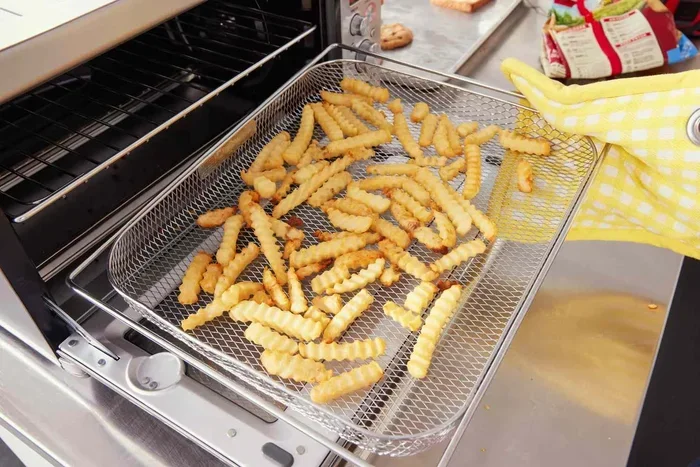
If you have ever reheated a french fry in the microwave, you know the sad, limp result. The same fry reheated in an oven becomes golden and crunchy again. That difference is why how long does it take to reheat leftovers in your oven is such a valuable question to answer. The extra time is a small price for a big flavor payoff.
Why Texture Matters
Texture is a huge part of how we enjoy food. A crispy pizza crust, a flaky piece of pastry, or a crunchy breadstick all rely on dry heat. When moisture builds up during reheating, those textures disappear. The oven keeps moisture away from the surface, allowing it to crisp. This is especially true for foods with a breading or batter, like fried chicken or onion rings. Oven reheating times are designed to preserve and restore that satisfying crunch.
How Long Does It Take To Reheat Leftovers In Your Oven: A Complete Time Guide
The general rule for reheating leftovers in oven is to use a moderate temperature between 325°F and 375°F. At this range, food warms through without overcooking the edges. But exact times vary. Below is a breakdown by food type so you can plan your reheating with confidence.
| Food Type | Oven Temp | Reheating Time | Cover? |
|---|---|---|---|
| Pizza (1-2 slices) | 375°F | 5-10 minutes | No (uncover) |
| Fried Chicken | 375°F | 10-15 minutes | No |
| Roast Chicken or Meat | 325°F | 15-20 minutes | Yes (foil) |
| Casseroles and Baked Dishes | 325°F | 10-25 minutes | Yes (foil or lid) |
| Bread and Pastries | 350°F | 5-8 minutes | No |
| Fried Foods (fries, onion rings) | 375°F | 5-8 minutes | No |
| Soups and Stews | 325°F | 15-20 minutes | Yes (lid) |
These times assume you are reheating standard portions. A very deep casserole might need the full 25 minutes, while a single slice of pizza will be ready in 5. Always check for doneness before serving.
Reheating Pizza
Pizza is the king of leftovers, and the oven is its best friend. Place slices on a baking sheet or directly on the oven rack. Bake at 375°F for 5 to 10 minutes. The cheese should melt and bubble, and the crust should crisp up. For extra crispiness, place a thin baking sheet or pizza stone in the oven while it preheats. The hot surface helps crisp the bottom instantly.
Do not use a microwave for pizza. It will turn the crust into a chewy, rubbery disc. The oven brings back the original crunch and keeps the cheese creamy. How long does it take to reheat leftovers in your oven when it is pizza? Just a few minutes, and the reward is enormous.
Reheating Chicken And Meat
Chicken, roast beef, and pork need more care because they can dry out quickly. The key is to keep moisture in while heating through. Place the meat in an oven-safe dish. Cover it tightly with aluminum foil. This traps steam, which acts as a gentle humidifier. Bake at 325°F for 15 to 20 minutes.
For bone-in pieces like drumsticks or thighs, you might need up to 25 minutes. Remove the foil for the last 5 minutes if you want a little crisp on the skin. Always check the internal temperature with a meat thermometer. The safe temperature is 165°F for poultry and 145°F for beef and pork followed by a 3-minute rest.
Reheating Casseroles And Baked Dishes
Casseroles, lasagna, and baked pasta are hearty leftovers that benefit from oven reheating. They often have a lot of sauce, which helps retain moisture. Transfer the dish to an oven-safe pan. Cover with foil and bake at 325°F. A shallow casserole might be ready in 10 minutes, while a deep dish could take 20 to 25 minutes.
Remove the foil during the last 5 minutes to warm the top. If the top looks dry, add a little splash of water or broth before covering again. This creates extra steam and keeps the surface moist. Reheating leftovers in oven works beautifully for these saucy dishes because the gentle heat blends flavors together again.
Reheating Bread And Pastries
Bread rolls, croissants, and pie crusts love a quick trip to the oven. Preheat to 350°F. Wrap the bread loosely in foil to prevent the outside from browning too fast. Heat for 5 to 8 minutes. For a crispier result, remove the foil for the last 2 minutes. Freshly baked bread should smell warm and look lightly golden.Fried pastries like churros or doughnuts can also be revived. Bake them at 375°F for 3 to 5 minutes. The high heat restores the crisp shell without making them greasy. This is one of the best oven reheating times to remember for breakfast leftovers.
The Perfect Oven Temperature For Reheating Leftovers
Temperature is the most important factor in how long does it take to reheat leftovers in your oven. Too hot, and the outside burns before the inside warms. Too cool, and the food dries out over a long period. The sweet spot is between 325°F and 375°F for most foods.
Low and Slow Vs. High Heat
Low and slow means 325°F. This temperature is ideal for meats, casseroles, and anything with a lot of sauce. It gives heat time to penetrate to the center without scorching the edges. High heat means 375°F or 400°F. This is best for pizza, fried foods, and bread where you want crispiness. The high heat quickly evaporates surface moisture and creates a golden crust.
A good rule of thumb: if the food has a crispy exterior you want to restore, use higher heat. If the food needs gentle warming to stay moist, use lower heat. Adjusting the temperature by just 25 degrees can change your results dramatically.
Using An Oven Thermometer
Many home ovens run hotter or cooler than the dial says. An oven thermometer is a cheap and simple tool that removes the guesswork. Place it inside the oven and check it before you add the food. If your oven runs 25°F hot, you might need to lower the setting or shorten the time. This small step ensures your reheating leftovers in oven times are accurate every time.
Quick Tips
- Always preheat the oven before adding food. Cold ovens lead to uneven heating.
- Place the dish in the center rack for the most even air circulation.
- If reheating multiple portions, arrange them in a single layer with space between pieces.
- For soups, use an oven-safe pot or deep dish to prevent spills.
Step-By-Step: How To Reheat Leftovers In The Oven
Follow these simple steps for perfect reheating leftovers in oven results every time. The process is easy and consistent across most food types.
- Preheat the oven. Set it to the recommended temperature (325°F to 375°F) and let it fully heat up. This usually takes 5 to 10 minutes.
- Choose the right dish. Use an oven-safe baking dish, sheet pan, or oven-safe skillet. Avoid plastic or paper containers that can melt or burn.
- Arrange the food evenly. Spread pieces out in a single layer. Overcrowding traps steam and creates uneven heating.
- Cover or uncover. For meats and casseroles, cover with foil or a lid to trap moisture. For pizza, bread, and fried foods, leave uncovered to encourage crisping.
- Set a timer. Use the times in the guide above as a starting point. Check the food a few minutes before the minimum time is up.
- Check for doneness. Use a food thermometer for meats. For other foods, look for bubbling, steaming, and a hot center when you cut into it.
- Let it rest. Remove the dish and let it sit for 2 to 3 minutes. This allows heat to distribute evenly through the food.
Prep Work
Before the food goes in the oven, take a few extra minutes to prep it properly. Transfer leftovers from the fridge to room temperature if possible. This reduces the time needed to heat them through. For pizza, place slices on a parchment-lined baking sheet so the cheese does not stick. For roasted vegetables, spread them out so no pieces are stacked on top of each other.
Covering Or Not Covering
The cover decision is critical. Covering traps steam, which gently heats the food and keeps it moist. Uncovering allows the surface to dry out and crisp. For roasted chicken or beef, cover for most of the time, then uncover for the final 5 minutes. For pizza, never cover. The steam would ruin the crust. Understanding this simple rule makes a huge difference in your results.
Checking For Doneness
Do not rely solely on the clock. Visual and tactile cues matter. Look for steaming around the edges. Cut into a thicker piece to check the center. Use a food thermometer for safety. Insert it into the thickest part of the meat or the center of the casserole. The reading should reach 165°F for all leftovers, according to food safety guidelines. This step ensures your reheat food safely and enjoy it without worry.
Expert Insight
Chef Maria Lopez, a professional chef with over 15 years of experience, always recommends the oven for reheating. She says, “The microwave is for speed, but the oven is for quality. When you take the extra 10 minutes, you are not just warming food. You are restoring its original character.” Her favorite trick is to place a small oven-safe dish of water on the rack below the food. This adds moisture to the oven environment, which prevents meats from drying out.
Common Mistakes People Make When Reheating Food
Even with the best intentions, mistakes happen. Knowing what to avoid helps you reheat leftovers in oven with perfect results every time. Here are the most common errors and how to fix them.
Overheating
The biggest mistake is leaving food in the oven too long. Overheating dries out meat, hardens bread, and turns crispy pizza into a tough, chewy disc. To avoid this, set a timer and check the food early. It is always better to add a couple of extra minutes than to ruin a meal by going too far.
Skipping The Foil
Some people skip the foil because they want a crispy top on everything. But for meats and casseroles, skipping the foil means the surface dries out before the center warms. Use foil for moisture-rich foods and remove it at the end for a quick crisp if desired. This is a simple step that makes a big difference in reheating leftovers in oven quality.
Using The Wrong Dish
Not all containers are oven-safe. Plastic, melamine, and some glass dishes can crack or release harmful chemicals when heated. Always transfer food to a ceramic, glass, or metal baking dish before reheating. A baking sheet works great for pizza and fried foods. Using the wrong dish can ruin your food and damage your oven.
Key Takeaways
- Set a timer and check early. Overheating is the most common cause of dry, unappetizing leftovers.
- Use foil for meats and casseroles. It traps steam and keeps the food juicy.
- Only use oven-safe dishes. Check the bottom of the container for an oven-safe symbol.
Pro Tips For Crispy, Delicious Reheated Food
Once you master the basics, these pro tips will take your reheated food to the next level. They are simple tricks that make a noticeable difference in taste and texture.
The Aluminum Foil Trick
For roasted meats and chicken, create a loose tent with aluminum foil. Do not wrap the food tightly. A loose tent allows some air to circulate while still trapping enough steam to keep the meat moist. This technique works wonders for pot roast, turkey, and grilled chicken. Remove the foil for the last 3 to 5 minutes to let the surface brown slightly.
Resting Time
Resting is not just for freshly cooked meat. It applies to reheated food too. When you take the dish out of the oven, let it sit uncovered for 2 to 3 minutes. During this time, the heat spreads evenly from the hot spots to the cooler center. The juices in meats redistribute, making every bite tender and flavorful. Skipping this step can lead to a hot edge and a cold middle.
Adding A Splash Of Water
If you are reheating rice, grains, or a dry casserole, add a tablespoon of water or broth before covering. The liquid creates steam, which gently heats the food and adds moisture back. This is especially helpful for leftover rice, which tends to harden in the fridge. A little splash of water transforms it from clumpy to fluffy again. This is one of the easiest ways to improve your oven reheating times results.
Quick Tips
- For extra crispy pizza, place a pizza stone or inverted baking sheet in the oven while preheating.
- Brush a little olive oil on bread or pastries before reheating for a golden, glossy finish.
- Reheat fried foods on a wire rack set over a baking sheet. This allows air to flow underneath, keeping the bottom crispy.
- Never reheat leftovers more than once. Store and reheat only the portion you plan to eat.
Conclusion
How Long Does It Take To Reheat Leftovers In Your Oven depends on the food, the temperature, and the method you use. But the answer is almost always better than the microwave. With the right temperature, a little foil, and a few minutes of patience, you can bring back the crispiness, moisture, and flavor of your favorite meals. Pizza comes out crunchy, chicken stays juicy, and casseroles taste fresh again.
Remember the simple steps: preheat, use the right dish, cover when needed, and check for doneness. Follow the time guide for your specific food, and always use a food thermometer for safety. These habits will turn your leftover nights into delicious victories. Reheating leftovers in oven is a skill anyone can master. It just takes a little knowledge and a hot oven. Now you have both. Go ahead and enjoy that next leftover meal like it is the first time.
Frequently Asked Questions
Can I reheat all leftovers in the oven?
Most leftovers reheat well in the oven, including pizza, meats, casseroles, and baked dishes. However, very delicate foods like seafood or creamy sauces might not fare as well. For those, a stovetop or microwave on low power is often better. The oven excels at restoring crispiness and even heat for heartier dishes.
Is it safe to reheat food in the oven multiple times?
Food safety experts recommend reheating leftovers only once. Each cycle of cooling and reheating increases the risk of bacterial growth. If you have a large batch, portion it out and reheat only what you plan to eat immediately. Store the rest in the fridge promptly.
What temperature should I use to reheat food safely?
The safest internal temperature for all reheated leftovers is 165°F. Use a food thermometer to check the thickest part of the food. Oven temperatures between 325°F and 375°F work best for even heating without drying out the edges. Always preheat the oven before adding the dish.
How do I keep reheated pizza from getting soggy?
The key is to keep the crust dry. Place pizza slices directly on the oven rack or on a preheated baking sheet. Do not cover the pizza with foil during reheating. The dry, circulating heat at 375°F crisps the bottom and melts the cheese without creating steam that makes the crust soggy.
Can I reheat food in an aluminum foil pan in the oven?
Yes, aluminum foil pans are safe for oven reheating. They heat evenly and make cleanup easy. However, avoid using foil to completely wrap the food if you want a crispy top. Use foil only to cover the dish loosely, and remove it for the last few minutes to allow the surface to brown and crisp.
How long can I store leftovers before reheating them in the oven?
The USDA recommends eating refrigerated leftovers within 3 to 4 days. After that, the risk of foodborne illness increases. If you will not eat them within that time, freeze the leftovers immediately. When you are ready to eat, thaw them in the fridge overnight and then reheat in the oven using the times and temperatures in this guide.