How Much Does It Really Cost To Replace Oven Insulation
Wondering about the oven insulation replacement cost? This guide breaks down real prices, DIY options, and when to call a pro. You’ll learn what affects the price, material choices, and how to save money while keeping your oven safe and efficient.
Your oven works hard every day. It heats up, cooks your food, and keeps your kitchen warm. But behind that metal box is a hidden hero: oven insulation. When that insulation wears out, your oven struggles. It uses more power, runs hotter on the outside, and may even become a safety hazard.
If you have noticed your oven taking longer to preheat or feeling too hot on the sides, the insulation might be failing. The big question is: what does it cost to fix? The oven insulation replacement cost can vary a lot. In this guide, we will walk you through the real numbers, the factors that change the price, and whether you should try a DIY fix or call a professional. By the end, you will know exactly what to expect and how to make the best decision for your appliance and your budget.
Key Takeaways
- Average cost: Replacing oven insulation typically runs between $100 and $400 for parts and labor, with DIY jobs often under $150.
- Material matters: Ceramic fiber and fiberglass insulation vary widely in price and heat resistance.
- DIY vs. pro: Simple door gasket swaps are easy DIY projects, but full insulation replacement often needs a technician.
- Safety first: Damaged insulation can cause heat loss, higher energy bills, and even fire risk.
- Energy savings: New insulation improves heat retention, cutting your energy bills by up to 10%.
- Longevity: Regular oven maintenance can extend insulation life by several years.
📑 Table of Contents
What Is Oven Insulation and Why Does It Matter?
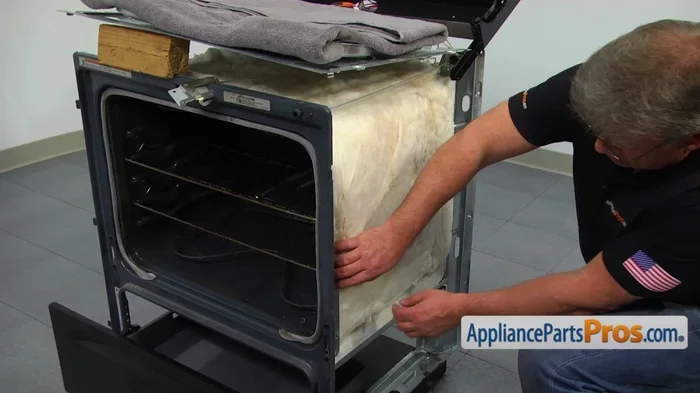
Oven insulation is the material that lines the inside walls and door of your appliance. Its main job is to trap heat inside the cooking chamber. Without it, your oven would waste energy and struggle to reach the right temperature. Think of it like a cozy blanket for your oven’s inner workings.
Most ovens use one of two types of insulation: fiberglass or ceramic fiber. Both are designed to handle extreme heat. Over time, however, insulation can break down. Moisture, grease, and constant temperature changes all take a toll. When the insulation thins or crumbles, your oven performance drops. You may notice longer cook times, uneven heating, or a hot exterior. That is when insulation replacement becomes necessary.
How Insulation Works in Your Oven
The insulation sits between the outer metal shell and the inner cooking chamber. It slows down the transfer of heat. This keeps the inside hot while the outside stays cool enough to touch. A good thermal insulation layer also helps your oven recover temperature quickly after you open the door. If the insulation is damaged, heat escapes. Your oven then uses more electricity or gas to maintain the set temperature. That means higher energy bills and a less efficient kitchen.
Signs Your Oven Insulation Is Failing
Spotting failing insulation early can save you money. Look for these common signs:
- The oven takes longer to preheat than it used to.
- The outside of the oven feels unusually hot during use.
- You see gaps, cracks, or missing material around the door seal.
- Your energy bills have crept up without a clear reason.
- Food cooks unevenly or burns more often.
If you notice any of these, it is worth checking the oven insulation replacement cost sooner rather than later. Ignoring the problem can lead to bigger repair bills or even a safety hazard.
The Real Cost to Replace Oven Insulation
The oven insulation replacement cost depends on several factors. There is no single price that fits every situation. To understand the numbers, let us break them down by what you are paying for and what type of oven you own.
Factors That Affect the Price
Several things influence how much you will pay for insulation repair or replacement:
- Oven type: A standard range oven is different from a built-in wall oven or a commercial unit.
- Extent of damage: A small patch costs less than a full insulation overhaul.
- Material chosen: Ceramic fiber insulation is more expensive than fiberglass but lasts longer.
- Labor costs: Hiring a technician adds a service fee, while DIY saves on labor but takes your time.
- Brand and model: Some ovens have custom-fit insulation panels that cost more.
All these factors can push the total repair expenses up or down. Getting a clear quote from a professional is the best way to know your exact number.
Average Cost Breakdown by Oven Type
Here is a general idea of what you might pay. These numbers reflect typical market rates in the United States and include both parts and labor.
| Oven Type | Average Cost Range | Typical Labor Included? |
|---|---|---|
| Standard Range Oven | $100 – $250 | Yes, if you hire a pro |
| Built-In Wall Oven | $150 – $400 | Yes, with part markup |
| Commercial/Heavy-Duty Oven | $300 – $800+ | Usually yes |
| DIY Replacement (Parts Only) | $40 – $150 | No labor cost |
These estimates cover oven insulation replacement for the insulation material and basic gasket work. If the oven control board or heating element also needs attention, the total bill will rise. Always ask for a detailed breakdown before approving any repair.
DIY vs. Professional Oven Insulation Replacement
One of the biggest decisions you will face is whether to tackle the job yourself or hire a professional. Both paths have clear pros and cons. Your choice will depend on your skill level, the oven model, and how much time you have.
When DIY Makes Sense
If you are handy and comfortable working with appliances, a DIY approach can save you a lot of money. Simple tasks like replacing an oven door gasket or cleaning out loose insulation debris are very doable. You can pick up a gasket kit for $20 to $60 and follow a video tutorial. The oven insulation replacement cost for parts alone is often under $100.
However, full insulation panel replacement is trickier. You must remove the inner door or access panels carefully. You also need to match the exact insulation thickness and heat rating. A wrong install can create hot spots or even a fire risk. If you are not confident, it is safer to call a pro.
Hiring a Pro: What to Expect
A professional appliance repair technician will start with a diagnostic check. They will measure the insulation thickness, inspect the door seal, and test for heat loss. Then they will give you a firm quote. Most pros charge a service call fee of $50 to $100, plus the cost of parts. The total oven repair cost for a full insulation job usually lands between $150 and $400.
Hiring a pro gives you a warranty on the work and the parts. It also ensures the job meets safety standards. For many homeowners, that peace of mind is worth the extra cost.
Common Insulation Materials and Their Costs
The material you choose plays a big role in the final price. Not all insulation is the same. Here is a closer look at the most common options used in ovens today.
Fiberglass Insulation
Fiberglass is the most common and budget-friendly option. It comes in batts or blankets and is easy to cut to size. The cost for a fiberglass insulation kit is usually between $30 and $80. It handles temperatures up to about 1,000°F. However, it can break down faster than ceramic fiber, especially in high-moisture environments. If you opt for fiberglass, make sure it is rated for appliance use, not just building insulation.
Ceramic Fiber Insulation
Ceramic fiber (also called alumina silica) is the premium choice. It is lighter, thinner, and handles higher heat than fiberglass. A ceramic fiber insulation sheet might cost $50 to $150 per panel. The insulation replacement cost is higher upfront, but ceramic fiber lasts longer and provides better heat retention. Many modern ovens come with ceramic fiber from the factory. If your oven uses it, matching that material during repair is a smart move.
Reflective Foil and Other Options
Some ovens use a reflective foil barrier as a supplement. This is not a replacement for bulk insulation but works well in the door. Foil replacement is inexpensive, often under $20. Other specialty materials include mineral wool and aerogel blankets. These are rare in home ovens but may appear in commercial units. Always check your oven manual to see what type of insulation it uses before you buy anything.
Material Cost Comparison
| Material | Typical Cost (Per Panel/Kit) | Max Temp Rating | Best For |
|---|---|---|---|
| Fiberglass | $30 – $80 | ~1,000°F | Budget repairs, standard ovens |
| Ceramic Fiber | $50 – $150 | ~2,300°F | Premium ovens, long-term durability |
| Reflective Foil | $10 – $25 | ~1,200°F | Door seals, supplementing bulk insulation |
| Mineral Wool | $60 – $120 | ~1,800°F | Commercial or high-heat ovens |
Choosing the right material keeps your oven running safely and efficiently. Using the wrong insulation can void your warranty or create a hazard. When in doubt, ask your appliance repair technician for a recommendation.
Is It Worth Replacing Oven Insulation?
This is a question many homeowners ask, especially when the quote comes in. The short answer is yes, in most cases. Let us look at why investing in insulation replacement makes sense.
Energy Savings and Long-Term Benefits
A well-insulated oven heats up faster and holds temperature better. That means your oven does not have to work as hard. Over time, this can reduce your energy bills. Some homeowners report a 5% to 10% drop in their cooking-related energy use after replacing worn insulation. If you cook often, those savings add up.
Beyond energy, a new insulation layer also improves oven performance. Your food cooks more evenly, and you waste less heat when you open the door. That is a win for your meals and your wallet. The oven insulation replacement cost can pay for itself in just a few months of better efficiency.
Safety Risks of Damaged Insulation
Do not ignore damaged insulation. When the inner lining breaks down, extreme heat can reach the outer shell. This creates a burn risk, especially in homes with children or pets. In worst-case scenarios, exposed wiring or nearby plastic parts can overheat and cause a fire. Replacing the insulation is a relatively small expense compared to the potential danger. If you see any signs of melting, scorching, or falling insulation material, turn off the oven and schedule a repair right away.
How to Extend the Life of Your Oven Insulation
You do not have to wait for insulation to fail. With a few simple habits, you can keep it in good shape for years. Prevention is always cheaper than replacement.
Maintenance Tips and Tricks
- Clean spills promptly: Food debris and moisture can eat away at insulation. Wipe up spills as soon as the oven cools down.
- Avoid abrasive cleaners: Harsh chemicals can degrade insulation material. Use a mild, non-abrasive oven cleaner.
- Check the door seal regularly: A worn oven gasket lets heat escape and puts extra stress on the insulation. Replace the gasket every few years.
- Do not overload the oven: Blocking vents with cookware can trap heat and damage insulation over time.
- Use the right cookware: Avoid placing oversized or warped pans that block airflow.
When to Call for Repairs
Even with good care, insulation will eventually wear out. If you notice any of the signs we covered earlier, do not wait. A small repair today can prevent a big bill tomorrow. A professional appliance repair service can inspect your oven and give you an honest assessment. Many companies offer free or low-cost diagnostics. That is an easy first step if you are unsure about the condition of your insulation.
Conclusion
The oven insulation replacement cost can range from a quick $100 DIY gasket swap to a $400 professional insulation overhaul. The exact number depends on your oven type, the material you choose, and whether you go the DIY route or hire a pro. What is clear is that ignoring damaged insulation is a false economy. It leads to higher energy bills, uneven cooking, and potential safety risks.
By understanding the factors that drive the price and the options available, you can make a confident decision. Whether you replace the insulation yourself or bring in a technician, the goal is the same: a safe, efficient oven that performs like new. Take care of your appliance today, and it will reward you with reliable cooking for years to come.
If you suspect your insulation is failing, start by getting a quote. Compare the oven insulation replacement cost from a couple of repair services. You will be glad you took action early. Your oven, your energy bill, and your peace of mind will all thank you.
Frequently Asked Questions
What is the average oven insulation replacement cost?
For most standard ovens, the total cost to replace oven insulation ranges from $100 to $400. This includes both parts and labor. DIY jobs with just the insulation material can be as low as $40 to $150. The final price depends on your oven type and the extent of the damage.
Can I replace oven insulation myself?
Yes, you can if you are comfortable with basic appliance repair. Replacing an oven door gasket or small insulation patch is a straightforward DIY project. However, full insulation panel replacement is more complex and may require professional help to ensure safety and proper fit.
How do I know if my oven insulation needs replacing?
Watch for signs like longer preheat times, a hot oven exterior, uneven cooking, or rising energy bills. If you see cracks, gaps, or missing material around the insulation, it is time to get a professional inspection. Early detection keeps repair costs lower.
What type of insulation is best for an oven?
Ceramic fiber insulation is the most durable and heat-resistant option, ideal for high-performance ovens. Fiberglass is a budget-friendly alternative that works well for standard models. Always match the material to your oven’s original specification to maintain safety and efficiency.
Does replacing oven insulation save energy?
Yes, it can. New insulation improves heat retention, so your oven reaches and holds temperature faster. This reduces the energy needed for cooking. Many homeowners notice a noticeable drop in their energy use after insulation replacement, especially if they cook frequently.
Is it safe to use an oven with damaged insulation?
No, it is not safe. Damaged insulation can expose outer surfaces to extreme heat, creating a burn risk. It can also lead to heat damage to internal components or even a fire hazard. If you suspect your insulation is compromised, stop using the oven and schedule a repair immediately.