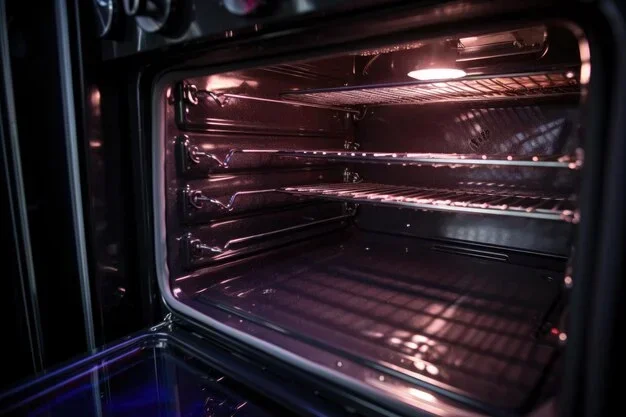
How To Clean Smoky Oven With These Easy Cleaning Tips
Cleaning a smoky oven is easier than you think. With simple household ingredients like baking soda and vinegar, you can remove stubborn grease, burnt residue, and unpleasant odors. This guide walks you through every step to restore your oven’s freshness and performance.
You open your oven and get hit with a wall of stale smoke odor. Burnt grease coats the walls. The door glass looks foggy and grimy. If this sounds familiar, you are not alone. A smoky oven is a common problem, especially for frequent bakers and home cooks. The good news is that how to clean smoky oven is much simpler than you might think.
You do not need expensive commercial products or hours of scrubbing. With a few household ingredients and some basic know-how, you can make your oven smell fresh and look like new again. This guide covers everything you need to know about cleaning a smoky oven the right way. From quick daily habits to deep-cleaning methods, we have got you covered.
Let us dive into the easiest and most effective ways to tackle that smoky mess. Whether your oven smells like last night’s dinner or looks coated in layers of baked-on grease, these tips will help you restore it to top condition.
Key Takeaways
- Baking soda and vinegar are your best friends: These natural cleaners cut through grease and neutralize smoke odors effectively.
- Regular maintenance prevents buildup: Wiping down your oven after each use keeps it cleaner for longer.
- Steam cleaning loosens tough grime: Using water and heat softens baked-on residue for easy removal.
- Oven racks need separate cleaning: They trap the most grease and smoke particles.
- Avoid harsh chemicals when possible: Natural alternatives are safer for your family and your appliance.
- Deodorizing is just as important as degreasing: Eliminating smoke smell ensures your kitchen stays fresh.
📑 Table of Contents
- Why Ovens Get Smoky in the First Place
- How To Clean Smoky Oven With Natural Methods
- Deep Cleaning a Smoky Oven Step by Step
- How To Clean the Oven Door Glass
- Cleaning and Deodorizing Oven Racks
- How To Prevent Smoke Buildup in Your Oven
- When To Call a Professional
- Comparing Natural vs Commercial Oven Cleaners
- Expert Insights on Oven Cleaning
- Key Takeaways
- Frequently Asked Questions
- Conclusion
Why Ovens Get Smoky in the First Place
Understanding why your oven gets smoky helps you prevent the problem. Most of the time, smoke comes from spilled food, excess grease, and high-temperature cooking. When food bits burn onto the oven walls, they create a sticky residue that builds up over time.
Common Causes of a Smoky Oven
- Food spills and drips: When grease or sauce spills onto the oven floor, it burns during the next heating cycle.
- Excess oil on food: Cooking fatty foods at high heat produces smoke that sticks to surfaces.
- Dirty oven racks: Grease trapped on racks heats up and creates smoke every time you cook.
- Old baked-on residue: Layers of past spills carbonize and smoke at even moderate temperatures.
- Faulty heating element: A damaged element can glow unevenly and cause excessive smoke.
Once you know the cause, you can address it directly. Regular cleaning and proper cooking habits go a long way in keeping your oven smoke-free.
How To Clean Smoky Oven With Natural Methods
Natural cleaning methods are safe, affordable, and incredibly effective. You probably already have most of these ingredients in your kitchen. Let us walk through the best approaches for how to clean smoky oven without harsh chemicals.
Baking Soda Paste Method
Baking soda is a gentle abrasive that cuts through grease without scratching your oven surfaces. It also absorbs odors beautifully.
- Mix three tablespoons of baking soda with one tablespoon of water to form a thick paste.
- Spread the paste evenly on the oven walls, floor, and door. Avoid the heating elements.
- Let it sit overnight or for at least eight hours.
- Wipe away the paste with a damp cloth. Use a sponge for tougher spots.
- Rinse thoroughly with clean water and dry with a soft towel.
This method works wonders on light to moderate smoke stains and grease buildup. For best results, repeat once a week if your oven gets heavy use.
Vinegar Steam Cleaning
White vinegar is a natural degreaser and deodorizer. When combined with heat and water, it creates steam that loosens baked-on grime.
- Fill a small oven-safe bowl with one cup of white vinegar.
- Place the bowl on the lowest oven rack.
- Heat the oven to 200 degrees Fahrenheit for about 15 minutes.
- Turn off the oven and let the steam sit for another 30 minutes.
- Wipe down all surfaces with a damp cloth.
The steam softens the burnt residue so it wipes away easily. This is one of the fastest ways to clean a smoky oven without scrubbing for hours.
Lemon Water Deodorizing
Lemon is a natural freshener that leaves your oven smelling citrus-clean. It also helps cut through light grease.
- Squeeze the juice of two lemons into a bowl of water.
- Place the bowl on the oven rack and heat at 250 degrees Fahrenheit for 10 minutes.
- Let it cool and wipe the interior with a soft cloth.
This method is perfect for mild smoke odors and as a refreshing touch after deeper cleaning.
Deep Cleaning a Smoky Oven Step by Step
For ovens that have not been cleaned in a while, a deep clean is necessary. This process tackles heavy grease, carbonized food, and stubborn smoke stains.
What You Will Need
- Baking soda
- White vinegar
- Dish soap
- Warm water
- Spray bottle
- Soft cloths and sponges
- Rubber gloves
- Old toothbrush for hard-to-reach spots
Step-by-Step Deep Clean Process
Step One: Remove the oven racks. Take out all racks, trays, and any removable parts. These pieces need separate cleaning because they hold the most trapped grease.
Step Two: Make a cleaning solution. Combine half a cup of baking soda, a few drops of dish soap, and enough warm water to make a spreadable paste. This is your primary oven degreaser for this method.
Step Three: Apply the paste. Spread it generously on all interior surfaces. Focus on the worst stained areas. Let it rest for at least 12 hours.
Step Four: Scrub and wipe. Use a damp sponge to scrub the paste away. An old toothbrush works great for corners and crevices. Rinse with clean water.
Step Five: Deodorize with vinegar. Spray a mixture of one part vinegar to one part water inside the oven. Wipe down again. The vinegar reacts with the baking soda residue and lifts remaining grime.
Step Six: Clean the racks. Soak them in hot soapy water for 30 minutes. Scrub with a sponge, rinse, and dry completely before placing them back.
After this process, your oven should look and smell completely fresh. This deep clean method is the most thorough answer to how to clean smoky oven at home.
How To Clean the Oven Door Glass
The oven door glass gets especially grimy because smoke and grease accumulate on it every time you cook. A cloudy door also blocks your view of food while it cooks.
Cleaning the Inside of the Door Glass
Make a paste of baking soda and water. Apply it to the glass and let it sit for 20 minutes. Scrub gently with a non-abrasive sponge. Wipe clean with a damp cloth.
Cleaning the Outside of the Door Glass
For the outer surface, spray a mix of equal parts water and white vinegar. Wipe with a microfiber cloth. This removes fingerprints, grease splatters, and smoke film.
Dealing With Stubborn Stains on Glass
If the glass still looks cloudy, try a paste of baking soda and hydrogen peroxide. Apply it, let it sit for 15 minutes, and wipe away. Repeat if needed until the glass is crystal clear.
Cleaning and Deodorizing Oven Racks
Oven racks absorb the most grease and smoke particles. They often need more attention than the oven interior itself. Here is how to clean them properly.
Soak and Scrub Method
- Fill your bathtub or a large sink with hot water.
- Add two tablespoons of dish soap and a half cup of baking soda.
- Submerge the racks and let them soak for two to three hours.
- Scrub each bar with a sponge or brush.
- Rinse thoroughly and dry completely before reinstalling.
Using a Oven Rack Cleaner Spray
If soaking does not do the job, try a dedicated oven rack cleaner spray. These products are designed to dissolve heavy grease and burnt-on food. Always follow the product instructions and rinse racks well after cleaning.
Preventing Rack Buildup
Place a sheet of aluminum foil on the oven floor before cooking. This catches drips and prevents them from splashing onto racks. Just remember to remove the foil before the next cooking cycle.
How To Prevent Smoke Buildup in Your Oven
Cleaning is only half the battle. Prevention keeps your oven smoke-free between deep cleans. A few simple habits make a huge difference.
Quick Prevention Tips
- Line the oven floor with foil: This catches spills before they burn onto surfaces.
- Clean up spills immediately: Wipe any drips as soon as the oven cools down.
- Use lower cooking temperatures: High heat burns food faster and creates more smoke.
- Cover dishes with lids: This prevents grease and juices from splattering inside.
- Clean your oven every two weeks: Regular light cleaning stops buildup from becoming a deep problem.
- Check the heating element: Replace any element that glows unevenly or sparks.
These small habits save you from the hassle of dealing with a smoky oven every time you bake or roast.
When To Call a Professional
Most smoky oven problems can be fixed with DIY methods. However, there are times when professional help is the right call.
If your oven produces excessive smoke even after a thorough cleaning, the heating element may be malfunctioning. A technician can diagnose and replace faulty parts safely. Also, if you have a self-cleaning oven and the smoke persists after the cycle, there may be an internal issue that needs expert attention.
Regular professional maintenance is also a good idea for heavy-use ovens. A service technician can inspect seals, elements, and internal components to keep your oven running efficiently.
Comparing Natural vs Commercial Oven Cleaners
When tackling how to clean smoky oven, you have two main options: natural cleaners or commercial products. Here is a quick comparison to help you decide.
| Factor | Natural Cleaners | Commercial Cleaners |
|---|---|---|
| Cost | Very affordable | Moderate to high |
| Safety | Non-toxic and family-safe | Contains harsh chemicals |
| Effectiveness | Great for light to moderate grime | Stronger on heavy buildup |
| Ease of Use | Simple to apply | Some require ventilation |
| Odor | Pleasant natural scent | Strong chemical smell |
| Environmental Impact | Eco-friendly | Contains synthetic ingredients |
For most home cooks, natural methods work perfectly. Commercial cleaners are useful for extreme cases but should be used with caution. Always ventilate your kitchen when using any chemical product.
Expert Insights on Oven Cleaning
Professional cleaners share a few insider tips that make oven cleaning faster and more effective.
Tip One: Always start cold. Clean your oven when it is completely cool. Hot surfaces can cause cleaning solutions to evaporate too quickly and reduce their effectiveness.
Tip Two: Let paste sit longer than you think. The longer baking soda paste sits on grease, the easier it is to wipe away. Overnight is ideal for tough stains.
Tip Three: Clean racks separately. Never try to scrub racks while they are still in the oven. Removing them gives you full access and better results.
Tip Four: Wipe after every use. A quick wipe with a damp cloth after each cooking session prevents buildup and makes deep cleans much less frequent.
Tip Five: Use steam before scrubbing. A quick steam session with vinegar and water softens grime before you even apply any cleaning paste. This cuts your scrubbing time in half.
Key Takeaways
- Baking soda and vinegar are your best friends: These natural cleaners cut through grease and neutralize smoke odors effectively.
- Regular maintenance prevents buildup: Wiping down your oven after each use keeps it cleaner for longer.
- Steam cleaning loosens tough grime: Using water and heat softens baked-on residue for easy removal.
- Oven racks need separate cleaning: They trap the most grease and smoke particles.
- Avoid harsh chemicals when possible: Natural alternatives are safer for your family and your appliance.
- Deodorizing is just as important as degreasing: Eliminating smoke smell ensures your kitchen stays fresh.
- Prevention is the best cure: Simple habits like lining the oven floor and wiping spills save you from heavy cleaning sessions.
Frequently Asked Questions
What is the best way to clean a smoky oven at home?
The best way is to use a baking soda paste and vinegar steam method. Apply baking soda paste to the interior, let it sit overnight, then wipe clean. Follow up with a vinegar steam session to loosen any remaining residue and deodorize the oven. This combination is safe, effective, and uses ingredients you already have at home.
Can I use a self-cleaning feature on a smoky oven?
Yes, most self-cleaning ovens can handle moderate smoke stains. The high heat burns off grease and food residue. However, if your oven produces excessive smoke during the self-clean cycle, there may be a buildup problem or a faulty component. Always ventilate your kitchen when using the self-cleaning feature.
How often should I clean my oven to prevent smoke buildup?
A light wipe-down every two weeks is ideal for most home cooks. Deep cleaning should happen every one to three months depending on how often you use the oven. Regular cleaning prevents grease from building up to the point where it produces smoke during normal cooking.
Is it safe to use oven cleaner spray around food?
Commercial oven cleaner sprays contain strong chemicals that are not safe to leave around food surfaces. If you use them, remove all oven racks and trays first. After cleaning, rinse the interior thoroughly and wipe it down multiple times. For a safer alternative, stick with natural baking soda and vinegar methods.
How do I remove smoke odor from my oven after cleaning?
Place a bowl of white vinegar or a bowl of baking soda inside the oven and leave it overnight. Both absorb lingering odors naturally. You can also heat a lemon-water mixture at a low temperature for 10 minutes to freshen the interior. Repeat if the smell persists.
What causes my oven to smoke even when it looks clean?
Sometimes smoke comes from hidden grease on the heating elements or oven walls that you cannot see easily. Old baked-on residue can also smoke at high temperatures even if the surface looks clean. A thorough deep clean with baking soda paste usually resolves this. If the problem continues, check the heating element for damage or wear.
Conclusion
How to clean smoky oven does not have to be a daunting task. With the right methods and a little consistency, you can keep your oven fresh, clean, and smoke-free. Natural ingredients like baking soda, vinegar, and lemon work wonders on grease, grime, and stubborn odors. Deep cleaning every few months combined with regular light maintenance makes all the difference.
Start with the simple tips in this guide and build a cleaning routine that works for you. Your oven will last longer, cook better, and keep your kitchen smelling great. Take action today, and say goodbye to smoky ovens for good.