How To Make Eggs In Oven And Get Perfectly Cooked Results
Learning how to make eggs in oven is one of the easiest ways to enjoy a hands-free breakfast or brunch. Whether you prefer scrambled, baked, or shirred eggs, the oven delivers consistent and evenly cooked results with minimal effort. This guide covers everything from basic methods to delicious recipes you can try today.
Cooking eggs in the oven might sound unusual at first. But once you try it, you will wonder why you ever stood over a hot stove stirring scrambled eggs. How to make eggs in oven is a simple skill that saves time, reduces mess, and delivers consistently great results. Whether you are feeding a crowd or meal prepping for the week, the oven handles eggs with ease.
This guide walks you through every method, recipe, and tip you need. You will learn the best temperatures, the right dishes to use, and common mistakes to avoid. By the end, you will feel confident making oven baked eggs like a pro. Let us dive in.
Key Takeaways
- Oven eggs are effortless: They require little stirring and give you more time for other tasks.
- Multiple methods work great: From baked eggs to frittatas, the oven handles them all beautifully.
- Temperature and timing matter: Getting these right ensures perfect texture every time.
- You need minimal equipment: Just an oven-safe dish, eggs, and a few ingredients.
- Meal prep becomes easier: Oven egg dishes store well and reheat perfectly for busy mornings.
- Avoid common pitfalls: Overcooking and wrong dish choice are the top mistakes to watch for.
📑 Table of Contents
- Why Cooking Eggs In The Oven Is A Game Changer
- What You Need Before You Start
- How To Make Eggs In Oven: Step-By-Step Methods
- Best Oven Egg Recipes To Try
- Common Mistakes To Avoid When Baking Eggs
- Expert Tips For Perfect Oven Eggs Every Time
- Comparison Table: Oven Egg Methods
- Quick Tips Section
- Conclusion
Why Cooking Eggs In The Oven Is A Game Changer
Many people stick to the stovetop because that is what they know. But oven cooking offers real advantages that change the way you think about breakfast. Once you understand the benefits, you will never go back.
Baked eggs free you from constant attention. No need to stand and stir. No risk of burning. You set the temperature, pop the dish in, and move on with your morning. This makes oven scrambled eggs and other egg dishes ideal for busy households.
Another big advantage is even cooking. The oven surrounds the dish with gentle heat. Every part of the egg cooks at the same rate. You avoid the rubbery edges and undercooked centers that plague stovetop eggs. The result is a creamy, uniform texture that tastes far better.
Scaling up is also much easier. Making eggs for one person on the stove is simple. Making eggs for eight people? That is a whole different story. But a large egg casserole or frittata in the oven handles any number of servings with the same ease as two eggs.
Who Should Try Oven Eggs
Oven eggs work well for many types of cooks. Busy parents love the hands-off approach. Meal preppers appreciate make-ahead convenience. People who dislike greasy stovetop splatter find the oven much cleaner. And anyone who wants restaurant-quality eggs at home will notice the difference right away.
What You Need Before You Start
Getting started with how to make eggs in oven requires very little. You do not need fancy equipment or expensive tools. A few basics are all you need to create delicious dishes every time.
Essential Equipment
- Oven-safe dish: A ceramic ramekin, cast iron skillet, or glass baking dish works perfectly. Make sure it is labeled oven-safe.
- Mixing bowl: For whisking eggs and combining ingredients smoothly.
- Whisk or fork: A simple whisk creates the best texture for scrambled and baked eggs.
- Non-stick spray or butter: Prevents sticking and adds flavor.
- Measuring cups and spoons: Accuracy matters for consistent results.
Key Ingredients
The base is always fresh eggs. Beyond that, your choices are wide open. Butter or olive oil adds richness. Salt and pepper form the foundation of flavor. Cheese, herbs, vegetables, and meats turn simple eggs into a full meal. Keep egg whites and egg yolks in mind too, as each brings different qualities to the dish.
Understanding Your Oven
Not all ovens heat the same way. Some have hot spots. Some run hotter on the top rack. Knowing your oven helps you adjust temperatures and placement. A simple oven thermometer can reveal a lot about how accurate your oven really is. This small tool makes a big difference in egg baking temperature control.
How To Make Eggs In Oven: Step-By-Step Methods
There are several ways to cook eggs in the oven. Each method produces a different texture and style. Let us walk through the most popular approaches so you can pick what works best for you.
Method 1: Baked Shirred Eggs
Shirred eggs are eggs baked gently in a ramekin with butter. This French classic, also called oeufs en cocotte, creates a silky, custard-like texture. The whites set softly while the yolks remain slightly runny.
- Preheat your oven to 375 degrees Fahrenheit.
- Butter a ramekin and crack two eggs inside.
- Add a splash of cream and a pinch of salt.
- Bake for 12 to 15 minutes until whites are set but yolks are still soft.
- Serve immediately with toast for dipping.
This method is perfect for a weekend brunch. The presentation looks elegant, and the taste is rich and satisfying.
Method 2: Oven Scrambled Eggs
Oven scrambled eggs are the ultimate low-effort breakfast. Instead of standing over a pan, you pour beaten eggs into a dish and let the oven do the work. The result is soft, creamy curds that taste better than stovetop versions.
- Preheat oven to 325 degrees Fahrenheit.
- Whisk 8 eggs with milk, salt, and pepper.
- Pour into a greased baking dish.
- Bake for 20 to 25 minutes, stirring halfway through.
- Remove when slightly soft and moist.
The key is low heat and patience. Rushing this process leads to dry eggs. Egg doneness should be checked early, as the eggs continue cooking after removal.
Method 3: Frittata And Egg Casserole
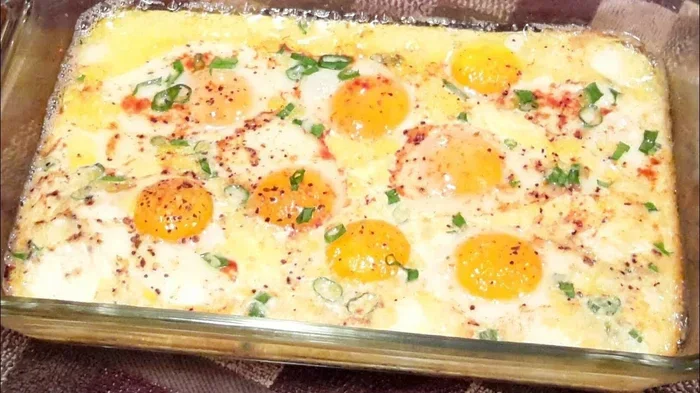
A frittata or egg casserole is the best choice for feeding a group. You add vegetables, cheese, and meats to beaten eggs, then bake until fully set. These dishes also reheat well, making them perfect for breakfast meal prep.
- Preheat oven to 350 degrees Fahrenheit.
- Sauté vegetables on the stovetop first.
- Whisk eggs with milk, salt, and herbs.
- Pour over vegetables in an oven-safe skillet.
- Add cheese on top and bake for 25 to 30 minutes.
- Let rest for 5 minutes before slicing.
This method turns leftover vegetables into a delicious breakfast casserole. It is one of the most versatile ways to use how to make eggs in oven techniques.
Method 4: Egg Muffins And Mini Egg Cups
Egg muffins are individual portions baked in a muffin tin. They are ideal for grab-and-go breakfasts. Each cup holds one or two eggs with your favorite mix-ins.
- Preheat oven to 350 degrees Fahrenheit.
- Grease a muffin tin generously.
- Crack one egg into each cup.
- Add diced vegetables, cheese, or cooked meat.
- Bake for 15 to 18 minutes until set.
- Cool and store in the fridge for up to five days.
These mini egg cups are a game changer for protein-rich eggs on the go. Kids love them too, and you can let them customize their own toppings.
Best Oven Egg Recipes To Try
Once you understand the basic methods, it is time to explore recipes. Here are some of the best oven egg dishes you can make starting today.
Spinach And Cheese Egg Bake
This recipe combines fresh spinach, melted cheese, and creamy eggs for a satisfying breakfast bake. Simply layer spinach in a baking dish, pour beaten eggs over the top, add cheese, and bake at 350 degrees for 20 minutes. It is ready in less time than it takes to toast bread.
Italian-Style Egg Casserole
Use sun-dried tomatoes, basil, and mozzarella for a Mediterranean twist on oven baked eggs. This casserole pairs well with crusty bread and a simple salad. It makes excellent leftovers for lunch the next day.
Veggie-Loaded Frittata
Dice bell peppers, onions, mushrooms, and zucchini. Sauté them lightly, pour over whisked eggs, and bake until golden. This egg bake recipe is full of flavor and nutrition. It works beautifully for a crowd and scales up easily.
Classic Western Egg Casserole
Add diced ham, bell peppers, onions, and cheddar cheese to a simple egg mixture. This hearty breakfast casserole is a favorite for Sunday mornings. It reheats well and keeps you full through a busy day.
Common Mistakes To Avoid When Baking Eggs
Even simple dishes have pitfalls. Knowing the common mistakes helps you avoid them and achieve better results every time.
Using The Wrong Temperature
Too high a temperature dries out eggs quickly. Egg baking temperature should stay between 325 and 375 degrees Fahrenheit for most methods. High heat causes the proteins to seize up and squeeze out moisture, leaving rubbery eggs.
Overcooking The Eggs
Ovens continue cooking food after removal. This carryover cooking means you should pull eggs out slightly before they look done. For shirred eggs, the yolks should still wobble slightly. For scrambled eggs, they should look moist and soft.
Skipping The Dish Prep
Greasing your dish properly prevents sticking. A cold dish can also cause uneven cooking. Always preheat the oven and prepare your dish before adding the eggs. This small step makes a noticeable difference in texture.
Overcrowding The Dish
Crowding prevents even heat circulation. Eggs need space to cook properly. For oven scrambled eggs or casseroles, use a dish large enough to allow the eggs to spread and set evenly.
Expert Tips For Perfect Oven Eggs Every Time
Small adjustments make a huge difference in your how to make eggs in oven results. These expert insights come from years of testing and refining oven egg techniques.
Use Room Temperature Eggs
Cold eggs do not mix as smoothly and cook unevenly. Take them out of the fridge 15 to 20 minutes before cooking. Room temperature egg whites and egg yolks blend more evenly and create a better texture.
Add A Splash Of Cream Or Milk
A small amount of dairy adds moisture and richness to baked eggs. It also softens the protein structure, creating a creamier result. About one tablespoon per egg is all you need.
Season At The Right Time
Salt draws moisture out of eggs if added too early. For the best texture, season just before baking or halfway through cooking. Fresh herbs and pepper added at the end bring bright, vibrant flavor.
Let Eggs Rest After Baking
Resting allows the eggs to finish setting gently. This is especially important for frittatas and casseroles. Five minutes of resting time makes slicing easier and texture more enjoyable.
Experiment With Mix-Ins
Do not be afraid to try new combinations. Roasted tomatoes, caramelized onions, smoked salmon, or even leftover roasted potatoes all work beautifully in oven egg dishes. Protein-rich eggs become even more satisfying with the right additions.
Invest In Quality Oven-Safe Dishes
A good ceramic ramekin or cast iron skillet distributes heat evenly. Cheap dishes may have hot spots that cause uneven cooking. A quality dish pays off in better results and longer lasting use.
Comparison Table: Oven Egg Methods
| Method | Best For | Temperature | Time | Difficulty |
|---|---|---|---|---|
| Shirred Eggs | Individual servings, brunch | 375 degrees F | 12-15 min | Easy |
| Oven Scrambled Eggs | Hands-free breakfast, families | 325 degrees F | 20-25 min | Easy |
| Frittata | Groups, meal prep | 350 degrees F | 25-30 min | Medium |
| Egg Muffins | Grab-and-go, meal prep | 350 degrees F | 15-18 min | Easy |
| Egg Casserole | Large gatherings, leftovers | 350 degrees F | 30-35 min | Medium |
Quick Tips Section
- Always preheat your oven before adding the eggs. A stable temperature from the start ensures even cooking.
- Check for doneness early. Ovens vary, so start checking a few minutes before the suggested time.
- Use parchment paper in ramekins for easy removal and cleanup.
- Add cheese in the last 5 minutes to prevent over-melting and browning.
- Let eggs rest for 5 minutes after removing from the oven. Carryover cooking finishes the job gently.
Conclusion
How to make eggs in oven is a skill that transforms your breakfast routine. It is simple, versatile, and delivers restaurant-quality results with minimal effort. From silky shirred eggs to hearty casseroles, the oven handles every style beautifully.
You now have the methods, recipes, and tips to create perfect oven eggs every time. Start with the basics, experiment with flavors, and soon you will wonder how you ever cooked eggs any other way. The oven is your best tool for baked eggs, egg muffins, and everything in between. Try it today and taste the difference for yourself.
Remember, the key is patience and attention to temperature. Avoid overcooking, use the right dish, and season thoughtfully. With these principles in mind, your oven egg recipes will consistently impress family and guests alike. Happy cooking!
Frequently Asked Questions
Can I use any type of egg for oven baking?
Yes, you can use chicken eggs, duck eggs, or even quail eggs for oven baking. Chicken eggs are the most common and widely available. Duck eggs are larger and richer, making them great for frittatas. Quail eggs work well for individual ramekin dishes. Choose based on availability and the dish you are preparing.
What is the best oven temperature for baking eggs?
Most oven egg recipes work best between 325 and 375 degrees Fahrenheit. Lower temperatures around 325 degrees are ideal for scrambled eggs and egg muffins. Higher temperatures around 375 degrees work well for shirred eggs and quick bakes. Always preheat your oven for consistent results.
How do I know when oven eggs are done?
For shirred eggs, the whites should be set but the yolks should still be slightly soft and wobbly. For scrambled eggs, they should look moist and slightly soft in the center. For frittatas and casseroles, a toothpick inserted in the center should come out clean. Remember that eggs continue cooking after removal from the oven.
Can I meal prep eggs baked in the oven?
Absolutely. Egg muffins, frittatas, and casseroles all reheat well and store in the fridge for up to five days. Egg muffins are especially convenient for grab-and-go breakfasts. Reheat individual portions in the microwave for 30 to 60 seconds, or warm the whole dish in the oven at 300 degrees for 10 minutes.
What dishes work best for baking eggs in the oven?
Ceramic ramekins, cast iron skillets, and glass baking dishes all work wonderfully. The key is that the dish must be labeled oven-safe. Ceramic and cast iron distribute heat evenly, which helps eggs cook uniformly. Avoid thin or plastic dishes that cannot handle oven temperatures.
Are oven eggs healthier than stovetop eggs?
Oven eggs can be just as healthy, and sometimes healthier, than stovetop versions. You typically need less butter or oil when baking. The gentle, even heat also preserves more of the egg’s natural nutrients. Adding vegetables and lean proteins makes oven egg dishes even more nutritious and balanced.