How To Make Kabab In Oven For Deliciously Juicy Results
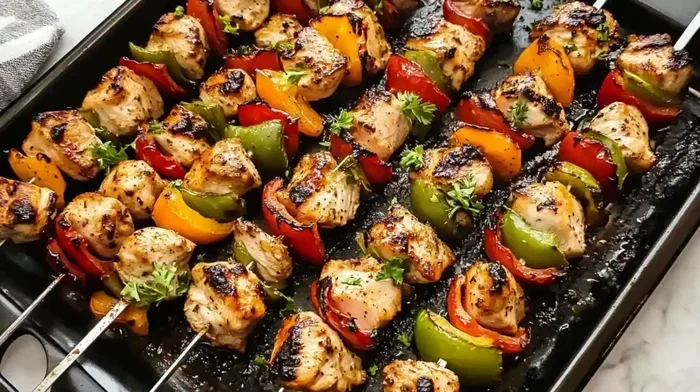
Learning how to make kabab in oven is easier than you think, and the results are incredibly juicy and full of flavor. This guide walks you through every step, from choosing the right spices to baking at the perfect temperature. Whether you love chicken, beef, or veggie kababs, you will find everything you need here. No grill required — just your oven and a little patience. Get ready to make kababs that rival your favorite restaurant.
Making kabab in oven at home is one of the most rewarding things you can do in the kitchen. It is simple, fun, and the results are absolutely delicious. Many people think kababs need a special grill or outdoor setup. That is not true at all. Your regular oven can produce kababs that are juicy, tender, and packed with flavor.
In this guide, we will show you exactly how to make kabab in oven step by step. You will learn about the best ingredients, the ideal oven temperature, and tricks that keep your kababs moist every single time. Whether you are a beginner or a seasoned cook, this article has something valuable for you. Let us get started.
The beauty of oven-baked kababs is that they cook evenly and require very little attention. You can prep the marinade in the morning, let it work its magic, and bake the kababs when you are ready. The aroma that fills your kitchen is absolutely incredible. Your family and guests will love it.
Key Takeaways
- Oven kababs are simple to make: You do not need a grill or special equipment to get great results.
- The right marinade matters: Yogurt, spices, and citrus juice keep kababs tender and juicy.
- Temperature and timing are key: Baking at 400°F for 15-20 minutes gives perfectly cooked kababs.
- Multiple kabab types work in the oven: Chicken, beef, seekh, and shami kababs all bake beautifully.
- Resting kababs after baking: This step locks in juices and improves flavor significantly.
- Pair with the right sides: Raita, naan, and fresh salads complete the kabab experience.
📑 Table of Contents
- Why Oven-Baked Kabab Is a Game Changer
- Essential Ingredients for Perfect Kabab
- Step-by-Step Oven Kabab Recipe
- Tips for Juicy and Tender Kabab
- Popular Kabab Varieties You Can Bake
- Serving Suggestions and Pairings
- Common Mistakes to Avoid When Baking Kababs
- Expert Insights on Oven Kababs
- Key Takeaways
- Conclusion
Why Oven-Baked Kabab Is a Game Changer
Convenience Without Compromise
One of the biggest reasons people choose to bake kabab in oven is convenience. You do not need to stand over a hot grill or worry about flare-ups. The oven gives you consistent heat from all sides, which means even cooking every time. This is especially helpful when the weather is cold or rainy and you do not want to fire up the outdoor grill.
Another advantage is control. When you bake kababs in the oven, you can monitor the temperature precisely. Most grills do not offer that level of control. With an oven, you set the temperature and let it do the work. This makes oven kabab recipe options very beginner-friendly.
Healthier Cooking Method
Baking kababs in the oven is also a healthier option compared to frying. When you fry kababs, they absorb extra oil, which adds calories and fat. Baking uses little to no oil, so your kababs stay lighter while still being full of flavor. If you are watching what you eat, oven-baked kababs are a great choice.
The oven also allows excess fat to drain away from the meat as it cooks. This means your kababs are not sitting in their own grease. The result is a cleaner, fresher taste that lets the spices shine through.
Consistent Results Every Time
Grilling can be unpredictable. Hot spots, wind, and uneven charcoal can all affect how your kababs cook. The oven eliminates these variables. When you follow the right temperature and timing, you get perfectly cooked kababs every single time. This consistency is why so many home cooks prefer baking over grilling.
Essential Ingredients for Perfect Kabab
The Meat Matters
The foundation of any great kabab is the meat. For chicken kabab in oven, boneless chicken thighs work best. They have more fat than breast meat, which keeps the kababs juicy. If you prefer beef, use ground beef with about 20% fat content. Lamb is also a popular choice for traditional seekh kababs.
Here are the best meat options for oven kababs:
- Chicken thighs: Juicy and flavorful, perfect for beginners
- Ground beef: Rich and hearty, great for seekh kababs
- Lamb mince: Traditional and aromatic, ideal for authentic taste
- Mix of beef and lamb: Combines the best of both worlds
The Marinade: Where the Magic Happens
The marinade is what transforms ordinary meat into restaurant-quality kababs. A good marinade adds flavor, tenderizes the meat, and keeps it moist during baking. The key components of a great kabab marinade include yogurt, lemon juice, ginger-garlic paste, and a blend of spices.
Here are the essential marinade ingredients:
- Yogurt: Tenderizes the meat and adds creaminess
- Lemon juice: Adds brightness and helps break down proteins
- Ginger-garlic paste: Provides deep, aromatic flavor
- Red chili powder: Adds heat and beautiful color
- Cumin and coriander: Earthy, warm flavors essential to kababs
- Salt and black pepper: Basic seasoning that enhances everything
- Fresh herbs: Cilantro and mint add freshness and aroma
Binding Agents for Shape
When making kababs from ground meat, you need something to hold them together. Breadcrumbs, eggs, and mashed potatoes are common binding agents. For shami kabab in oven, boiled lentils and eggs are traditional choices that work wonderfully. These ingredients help the kababs maintain their shape during baking without falling apart.
Step-by-Step Oven Kabab Recipe
Step 1: Prepare the Marinade
Start by mixing yogurt, lemon juice, ginger-garlic paste, and all your spices in a large bowl. Whisk everything together until you have a smooth paste. The marinade should be thick enough to coat the meat evenly but loose enough to penetrate deeply.
Add your meat to the bowl and mix thoroughly. Make sure every piece is covered in the marinade. Cover the bowl with plastic wrap and refrigerate for at least 2 hours. For the best flavor, marinate overnight. This gives the spices time to work into the meat fibers.
Step 2: Shape the Kababs
After marinating, take the meat out of the refrigerator. Let it sit at room temperature for about 15 minutes. This helps the kababs cook more evenly. Now it is time to shape them.
For seekh-style kababs, take small portions of the meat and slide them onto metal skewers. If you do not have skewers, you can shape them into flat patties. For shami kababs, form the mixture into round, flat discs about half an inch thick. Keep them uniform in size so they cook at the same rate.
Step 3: Preheat and Prep the Oven
Preheat your oven to 400°F (200°C). While the oven is heating up, line a baking sheet with parchment paper or aluminum foil. Lightly grease the surface with oil or cooking spray. This prevents the kababs from sticking and makes cleanup easier.
Place a wire rack on top of the baking sheet if you have one. The rack allows hot air to circulate around the kababs, which promotes even browning. If you do not have a rack, the kababs will still turn out great, but the bottom may be slightly softer.
Step 4: Bake the Kababs
Arrange the shaped kababs on the baking sheet or rack. Leave some space between each kabab so hot air can flow freely around them. Place the tray in the preheated oven and bake for 15 to 20 minutes.
After 10 minutes, carefully flip each kabab using tongs. This ensures both sides get golden brown and crispy. Continue baking for another 5 to 10 minutes. The kababs are done when they reach an internal temperature of 165°F for chicken and 160°F for beef.
Step 5: Rest and Serve
Once the kababs are out of the oven, let them rest for 3 to 5 minutes. This is a step many people skip, but it is important. Resting allows the juices to redistribute throughout the meat, making each bite more flavorful and juicy. Skip this step, and your kababs may dry out faster.
Serve your oven-baked kababs with naan bread, mint chutney, sliced onions, and a side of raita. A fresh salad on the side adds a nice contrast to the rich, warm kababs. Your meal is ready to enjoy.
Tips for Juicy and Tender Kabab
Do Not Skip the Marination Time
The marinade does the heavy lifting when it comes to flavor and tenderness. If you are short on time, a minimum of 2 hours will work. But if you can marinate overnight, the results are significantly better. The acids in the lemon juice and yogurt slowly break down the meat proteins, making the kababs incredibly tender.
Keep the Meat Cold Before Baking
Chilling the shaped kababs for 20 to 30 minutes before baking helps them hold their shape better. Cold meat does not spread or fall apart as quickly in the oven. This tip is especially helpful for patty-style kababs and shami kababs.
Use a Meat Thermometer
Overcooking is the number one enemy of juicy kababs. A meat thermometer takes the guesswork out of baking. Check the internal temperature and remove the kababs as soon as they are done. The temperature will continue to rise slightly as the kababs rest, so pull them off just before they reach the target.
Brush with Oil Before Baking
A light brush of oil on the kababs before they go in the oven helps them brown beautifully. It also creates a protective layer that locks in moisture. Use a neutral oil like vegetable or canola oil, and apply it with a pastry brush for even coverage.
Do Not Overcrowd the Baking Sheet
It is tempting to fit as many kababs as possible on one tray, but this is a mistake. Overcrowding traps steam and prevents proper browning. The kababs will steam instead of bake, which makes them soggy. Give each kabab enough space, and use multiple trays if needed.
Popular Kabab Varieties You Can Bake
Chicken Seekh Kabab
Chicken seekh kabab is perhaps the most popular oven kabab recipe in the world. It uses ground chicken mixed with spices, shaped onto skewers, and baked until golden. The result is a kabab that is smoky, slightly charred on the outside, and juicy on the inside. It pairs perfectly with naan and green chutney.
Beef Seekh Kabab
Beef seekh kababs have a richer, deeper flavor than chicken versions. Ground beef mixed with onions, spices, and a bit of breadcrumb makes a sturdy mixture that holds its shape well in the oven. These kababs are perfect for dinner parties and special occasions.
Shami Kabab
Shami kababs are unique because they include lentils and eggs in the mixture. This gives them a softer, more delicate texture compared to seekh kababs. Shami kabab in oven works wonderfully because the lentil mixture holds together easily during baking. They are a favorite among vegetarians and meat lovers alike.
Veggie Kabab
You do not need meat to enjoy oven kababs. Veggie kababs made from paneer, mixed vegetables, and chickpeas bake beautifully in the oven. They are a great option for family meals where not everyone eats meat. Brush them with a little oil and season with cumin and chili powder for the best results.
Lamb Chop Kabab
Lamb chops make excellent oven kababs when marinated properly. The fat in lamb keeps the meat incredibly tender during baking. Season the chops with garlic, rosemary, cumin, and a squeeze of lemon. Bake at 400°F for about 12 to 15 minutes for medium-rare. The result is a restaurant-quality dish you can proudly serve at home.
Serving Suggestions and Pairings
Classic Accompaniments
Kababs taste best with the right sides. Here are some classic pairings that elevate your meal:
- Naan or paratha: Warm bread is the perfect vessel for kababs
- Mint chutney: Fresh, herby, and slightly tangy
- Raita: Cool yogurt with cucumber and cumin balances the heat
- Onion rings: Raw red onions add a sharp, refreshing crunch
- Lemon wedges: A squeeze of fresh lemon brightens every bite
Rice Pairings
For a more substantial meal, serve your oven-baked kababs with rice. Basmati rice, biryani, or even simple steamed rice works well. The mild flavor of rice lets the kababs take center stage. You can also serve kababs over a bed of saffron rice for a more elevated presentation.
Salad Sides
A fresh salad adds a wonderful contrast to warm, rich kababs. A simple cucumber and tomato salad with a squeeze of lemon and a pinch of salt is all you need. For something more elaborate, try a mixed greens salad with a yogurt-based dressing. The creaminess of the dressing complements the kababs perfectly.
Common Mistakes to Avoid When Baking Kababs
Using Lean Meat Without Adjustments
Very lean meat dries out quickly in the oven. If you must use lean cuts, add extra yogurt or oil to the marinade. You can also mix in a small amount of ground fat to compensate. This keeps the kababs moist and prevents them from becoming tough.
Not Letting the Meat Rest
Cutting into kababs immediately after they come out of the oven releases all the juices. The meat becomes dry and loses its flavor. Always let them rest for at least 3 to 5 minutes. This small wait makes a huge difference in the final result.
Baking at Too Low a Temperature
Low temperatures cause kababs to cook slowly and release too much moisture. The meat steams instead of searing, which leads to a pale, soft exterior. Always bake at 400°F or higher for the best browning and texture. The high heat creates a beautiful crust while keeping the inside juicy.
Skipping the Flip
Flipping the kababs halfway through baking ensures even cooking and color on all sides. If you only bake them on one side, you will get uneven results. One side will be darker and crispier while the other remains pale and soft. A simple flip solves this problem completely.
Expert Insights on Oven Kababs
Why Resting the Meat Is Non-Negotiable
Professional chefs always emphasize the importance of resting meat after cooking. When kababs come out of the oven, the juices are concentrated in the center. If you cut immediately, those juices run out onto the plate instead of staying in the meat. Resting allows the juices to redistribute, resulting in a more succulent and flavorful bite every time.
The Secret to Smoky Flavor Without a Grill
One of the most common questions about indoor kabab baking is how to get that smoky grilled flavor. The answer is simpler than you think. Use smoked paprika or a touch of liquid smoke in your marinade. You can also place a small oven-safe dish of water on the bottom rack while baking. The steam helps create a more complex flavor profile that mimics outdoor grilling.
Make Ahead and Freeze for Convenience
One of the best things about oven kababs is that you can prepare them in advance. Shape the kababs, lay them on a tray, and freeze until solid. Then transfer them to a freezer bag. When you are ready to cook, bake them straight from frozen. Just add 3 to 5 extra minutes to the baking time. This makes weeknight kabab dinners incredibly easy.
Key Takeaways
- Oven kababs are simple to make: You do not need a grill or special equipment to get great results.
- The right marinade matters: Yogurt, spices, and citrus juice keep kababs tender and juicy.
- Temperature and timing are key: Baking at 400°F for 15-20 minutes gives perfectly cooked kababs.
- Multiple kabab types work in the oven: Chicken, beef, seekh, and shami kababs all bake beautifully.
- Resting kababs after baking: This step locks in juices and improves flavor significantly.
- Pair with the right sides: Raita, naan, and fresh salads complete the kabab experience.
- Avoid common mistakes: Using lean meat, skipping the flip, and not letting meat rest can all affect quality.
Conclusion
Making kabab in oven is one of the easiest and most satisfying things you can cook at home. With the right ingredients, a good marinade, and a hot oven, you can create kababs that are juicy, flavorful, and absolutely impressive. No special equipment is needed. No outdoor grill required. Just your oven and a little bit of patience.
We have covered everything from the best meats and marinades to step-by-step baking instructions and common mistakes to avoid. Now you have all the tools you need to make restaurant-quality kababs in your own kitchen. The recipes are flexible, so feel free to experiment with different spices, meats, and styles until you find your perfect combination.
Start with the basic recipe and build from there. Try new marinades, explore different kabab varieties, and discover what works best for your taste. Once you master the oven kabab recipe, you will never go back to store-bought or restaurant kababs again. The flavor, freshness, and satisfaction of homemade oven kababs are unbeatable.
So preheat your oven, gather your ingredients, and get ready to make the best kababs you have ever tasted. Your kitchen is about to become your favorite kabab restaurant. Happy cooking!
Frequently Asked Questions
Can I make kababs in the oven without skewers?
Absolutely. You can shape kababs into patties or small meatballs and place them directly on a baking sheet. This works great for shami kababs and patty-style seekh kababs. Just make sure they are uniform in size so they cook evenly.
What temperature should I bake kababs at?
The ideal temperature for baking kababs is 400°F (200°C). This high heat creates a nice sear on the outside while keeping the inside juicy. If you are using smaller kababs, you can lower the temperature slightly to 375°F to prevent overcooking.
How long do oven kababs take to cook?
Most oven kababs take 15 to 20 minutes to bake at 400°F. Thicker kababs may need a few extra minutes. Always use a meat thermometer to check the internal temperature. Chicken kababs should reach 165°F, and beef kababs should reach 160°F for best results.
Can I freeze raw kababs before baking them?
Yes, you can freeze shaped raw kababs for later use. Place them on a tray, freeze until solid, then transfer them to a freezer bag. When you are ready to bake, add 3 to 5 extra minutes to the cooking time. They will turn out just as delicious as fresh kababs.
What is the best meat for oven kababs?
Chicken thighs and ground beef are the most popular choices for oven kababs. Chicken thighs stay juicy because they have more fat than breast meat. Ground beef with about 20% fat content holds together well and bakes beautifully. Lamb is also an excellent option for traditional seekh kababs.
How do I keep my kababs from drying out in the oven?
The key is to not overcook them. Use a meat thermometer and remove kababs as soon as they reach the right internal temperature. Marinating the meat for several hours also helps retain moisture. Brushing kababs with a little oil before baking creates a protective layer that locks in juices.