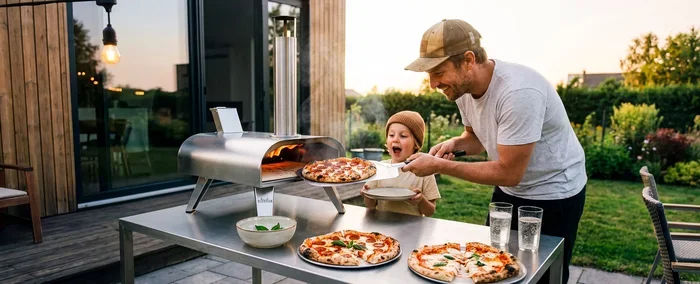
How To Start Pellet Pizza Oven And Get Cooking Fast
Learning how to start pellet pizza oven is simple and rewarding. This guide walks you through every step from setup to your first perfect pizza. You will learn preheating techniques, temperature control, and pro tips that save time and improve flavor. Whether you are a beginner or experienced griller, these methods work every time. Get ready to cook restaurant-quality pizza at home in under 30 minutes.
There is something magical about pulling a bubbling, golden-crusted pizza out of your own pellet pizza oven. The smell of wood-fired smoke, the crispy bottom, and the stretchy cheese all come together in a way that no regular oven can match. If you have been wondering how to start pellet pizza oven cooking at home, you are in the right place.
This guide covers everything you need to know. From unboxing your unit to sliding that first perfect pizza onto the stone, we have you covered. You do not need to be a professional chef or a grilling expert. With the right steps and a little practice, anyone can make incredible pizza at home. Let us dive in and get you cooking fast.
Key Takeaways
- Quick Setup: Starting your pellet pizza oven takes just minutes with the right preparation and fuel.
- Temperature Control: Mastering heat settings is the key to crispy crust and perfectly melted cheese.
- Right Tools Matter: A pizza peel, stone, and quality dough make a huge difference in results.
- Avoid Common Mistakes: Skipping preheating and overloading toppings are the top errors beginners make.
- Maintenance Extends Life: Regular cleaning keeps your pellet oven performing at its best for years.
- Versatile Cooking: Your pellet oven can do much more than pizza, from baking bread to smoking meats.
📑 Table of Contents
- Why A Pellet Pizza Oven Is Worth The Hype
- What You Need Before You Start Cooking
- Step-By-Step: How To Start Pellet Pizza Oven And Get Cooking
- Getting The Perfect Temperature For Pizza
- Tips For Making Amazing Pizza Every Time
- Common Mistakes To Avoid When Using A Pellet Pizza Oven
- Cleaning And Maintaining Your Pellet Pizza Oven
- Final Thoughts On Getting Started
Why A Pellet Pizza Oven Is Worth The Hype
Wood pellet pizza ovens have taken the backyard cooking world by storm. They combine the convenience of modern pellet grills with the authentic flavor of a traditional wood-fired oven. The result is pizza that tastes like it came straight from a Naples street corner.
Unlike gas or charcoal options, pellet ovens use compressed wood sawdust as fuel. This creates a clean, consistent burn with a subtle smoky flavor. The pellets feed automatically into the fire pot, which means less fuss and more time enjoying your food. Many models also double as versatile cooking machines. You can smoke ribs, bake bread, roast vegetables, and of course, make amazing pizza.
The biggest advantage of a pellet grill pizza setup is temperature control. Most units come with digital controllers that let you set the exact heat you want. This precision is essential for pizza, where even a 25-degree difference can change the outcome. Whether you want a slow smoke at 225 degrees or a scorching hot 700-degree bake, your pellet oven can handle it.
Who Should Use A Pellet Pizza Oven
Honestly, almost anyone. Families looking for fun weekend cooking projects love them. Backyard entertainers appreciate the quick heat-up time and impressive results. Even seasoned grill masters enjoy the consistency and ease that pellets provide. If you love pizza and want to elevate your home cooking, this is a fantastic tool to add to your kitchen or patio setup.
What You Need Before You Start Cooking
Before you learn how to start pellet pizza oven cooking, you need a few essentials. Having everything ready makes the process smooth and enjoyable. There is nothing worse than getting halfway through and realizing you are missing a key piece.
Essential Equipment
- Your pellet pizza oven: Choose a model that fits your needs and budget. Look for features like a digital controller, pizza stone, and adequate cooking space.
- Wood pellets: Use food-grade hardwood pellets. Hickory, apple, and cherry are popular choices that add great flavor to your pizza.
- Pizza peel: This long-handled paddle helps you slide pizza in and out of the hot oven safely.
- Pizza stone or steel: Most pellet ovens come with one, but a high-quality aftermarket option can improve heat retention.
- Pizza cutter or sharp knife: For serving your masterpiece cleanly.
- Thermometer: An infrared thermometer helps you verify the cooking surface temperature accurately.
Ingredients For Great Pizza
You do not need fancy ingredients, but quality matters. Start with a good pizza dough recipe. You can buy pre-made dough or make your own from scratch. Fresh mozzarella, San Marzano tomatoes, and basil are classic choices. Keep your pizza toppings simple at first. Overloading your pizza with too many ingredients leads to a soggy crust and uneven cooking.
Setting Up Your Outdoor Space
Place your pellet oven on a flat, stable surface away from overhangs and walls. Make sure there is plenty of clearance on all sides for airflow. Keep it away from wooden fences or deck railings. A level patio or concrete pad works best. Always check your owner manual for specific spacing requirements before your first cook.
Step-By-Step: How To Start Pellet Pizza Oven And Get Cooking
Now for the part you have been waiting for. Here is the exact process for how to start pellet pizza oven and get perfect results every time. Follow these steps closely and you will be eating great pizza in no time.
Step 1: Inspect And Clean Your Oven
Before your first use or after storage, give your oven a quick inspection. Remove any packaging materials, stickers, or debris. Check the hopper to make sure it is empty and clean. Look at the fire pot and remove any ash buildup from previous uses. Wipe down the cooking chamber with a dry cloth. This simple step ensures optimal performance and prevents flavor contamination.
Step 2: Load The Hopper With Pellets
Fill the hopper with your chosen wood pellets. Do not overfill it past the maximum line. Use high-quality food-grade pellets that are designed for cooking. Avoid pellets with added chemicals or flavor enhancers. Pour the pellets in slowly and tap the hopper gently to settle them in. You will typically get about one to two hours of cooking time per pound of pellets.
Step 3: Power On And Set Your Temperature
Plug in your oven and turn on the digital controller. For pizza, you want a very hot cooking surface. Set your temperature between 600 and 800 degrees Fahrenheit for authentic Neapolitan-style pizza. If your oven does not reach that high, aim for the highest setting it allows. The pellet grill temperature needs to be high enough to crisp the dough quickly while melting the cheese perfectly.
Step 4: Preheat The Pizza Stone
This is the most important step many people skip. Let your oven preheat for at least 15 to 20 minutes. The pizza stone needs to absorb enough heat to create that signature crispy bottom. Place your hand near the stone (without touching it) to feel the radiant heat. You should feel intense warmth radiating from the surface. If you have an infrared thermometer, check that the stone surface reaches at least 600 degrees before you start cooking.
Step 5: Prepare Your Pizza Dough
While your oven preheats, shape your dough. Flour your work surface generously. Stretch the dough by hand rather than using a rolling pin, which compresses the air bubbles. Aim for a round shape about 10 to 12 inches across. Keep the edges slightly thicker for that beautiful cornicione, or pizza rim. Add your sauce, cheese, and toppings sparingly. Less is more when it comes to pizza toppings for the best results.
Step 6: Launch Your Pizza Onto The Stone
Dust your pizza peel with flour or cornmeal. This prevents sticking. Gently shake the pizza to make sure it is not attached to the peel. Open the oven door carefully and slide the pizza onto the hot stone in one smooth motion. Close the door quickly to maintain heat. You should hear a satisfying sizzle when the dough hits the stone. That is exactly what you want.
Step 7: Monitor And Rotate
Most pizzas cook in 60 to 90 seconds at high temperatures. Watch carefully through the oven window or by opening the door briefly. Rotate the pizza halfway through cooking for even browning. The cheese should be bubbly and slightly charred in spots. The crust should be golden and firm. When it looks perfect, use your peel to pull the pizza out quickly.
Step 8: Rest And Serve
Let your pizza rest on a cutting board for 30 to 60 seconds. This allows the cheese to set slightly and makes slicing easier. Use a pizza cutter or sharp chef knife to portion your pie. Serve immediately while it is hot and crispy. Repeat the process for each additional pizza. You will get faster as you gain experience.
Getting The Perfect Temperature For Pizza
Temperature is the single most important factor in making great pizza. Understanding how your pellet pizza oven manages heat will dramatically improve your results.
Why High Heat Matters
High heat cooks pizza quickly, which creates the perfect contrast between a crispy exterior and a chewy interior. The intense heat also triggers the Maillard reaction, which gives your crust that beautiful golden-brown color and complex flavor. At lower temperatures, pizza tends to become soggy because the moisture from the toppings has time to soak into the dough.
Temperature Ranges For Different Styles
Different pizza styles call for different temperatures. Neapolitan pizza bakes at 800 to 900 degrees for just 60 to 90 seconds. New York-style pizza works well at 500 to 600 degrees for about 3 to 5 minutes. Detroit-style pizza does best at 450 to 500 degrees for 10 to 15 minutes. Understanding these ranges helps you dial in your settings for the style you love most.
Managing Heat With Pellets
One of the great benefits of a pellet oven is the ability to adjust temperature precisely. Start with a high heat setting for preheating. Once your pizza is cooking, you can lower the temperature slightly if needed. Some ovens have a “pizza mode” or a boost function that ramps up the heat quickly. Experiment with your specific model to find what works best for your setup.
Tips For Making Amazing Pizza Every Time
Even experienced cooks can benefit from a few expert tips. These simple adjustments can take your wood pellet pizza from good to absolutely outstanding.
Use The Right Dough Hydration
Dough with a hydration level of 60 to 65 percent works best for pellet ovens. This means for every 100 grams of flour, you use 60 to 65 grams of water. Higher hydration doughs are harder to handle at home but produce incredible open-crumb textures. If you are new to pizza making, stick with a standard recipe and work your way up.
Cold Dough Is Your Friend
Use cold dough straight from the refrigerator. Cold dough is easier to shape and holds its form better. It also prevents the toppings from cooking too quickly before the crust is done. Let the dough come to room temperature for about 10 minutes before stretching, but keep it cool to the touch.
Season Your Pizza Stone
Over time, your pizza stone develops a natural seasoning that enhances flavor. Avoid washing it with soap. Simply scrape off any residue after each use and let it dry completely. A well-seasoned stone contributes to better browning and a more authentic taste.
Experiment With Wood Pellet Flavors
Different pellet flavors create different taste profiles. Hickory adds a strong, classic smoke flavor. Apple provides a milder, slightly sweet aroma. Cherry gives a fruity, subtle hint. Try mixing pellets to create your own custom blend. Just make sure all pellets you use are labeled food-safe and designed for cooking.
Keep A Spray Bottle Handy
Have a spray bottle filled with water nearby. A quick mist on the pizza during the last 30 seconds of cooking helps develop a glossy, slightly charred crust. This technique mimics what professional pizza makers do in wood-fired ovens. It is a small trick that makes a big visual and textural difference.
Common Mistakes To Avoid When Using A Pellet Pizza Oven
Learning what not to do is just as important as learning what to do. Avoiding these common errors will save you frustration and improve your results dramatically.
Skipping The Preheat
This is the number one mistake beginners make. A cold stone means a soggy, pale crust. Always preheat your oven for at least 15 minutes before cooking. Give the stone enough time to absorb and radiate heat evenly. Patience here pays off in a big way.
Overloading Your Pizza
It is tempting to pile on toppings, but too much creates problems. Excess moisture from vegetables, sauce, and cheese steams the dough instead of letting it crisp. Use a light hand with sauce and spread cheese evenly rather than clumping it in one spot. Less topping equals better pizza every time.
Opening The Door Too Often
Every time you open the oven door, you lose heat. This is especially problematic at high temperatures. Try to check on your pizza quickly and close the door fast. Use the oven window if your model has one. Keep the door open only when you are actually placing or removing the pizza.
Using The Wrong Type Of Pellets
Not all pellets are created equal. Heating pellets from hardware stores often contain binders and chemicals not meant for food contact. Always purchase pellets specifically labeled as cooking-grade or food-safe. Your pizza deserves clean, pure fuel that enhances rather than contaminates the flavor.
Neglecting Regular Cleaning
A dirty oven performs poorly. Ash buildup restricts airflow and reduces temperature consistency. Grease buildup on the stone causes sticking and off-flavors. Clean your oven after every few uses. Empty the ash cup, brush the stone, and wipe down the cooking chamber. A little maintenance goes a long way.
Cleaning And Maintaining Your Pellet Pizza Oven
Proper maintenance keeps your pellet pizza oven running smoothly for years. A well-maintained oven cooks better, lasts longer, and produces more consistent results. The good news is that cleaning does not take much time when you make it a habit.
After each cook, let the oven cool down completely. Remove any remaining pellets from the hopper for long-term storage. Empty the ash cup and dispose of the ashes safely. Brush the pizza stone with a dry brush to remove any stuck-on residue. Wipe down the exterior with a damp cloth. Check the auger and fire pot for any pellet debris and clear it out.
Once a month, do a deeper cleaning. Inspect the fire pot for buildup and clean it thoroughly. Check the heat deflector plate for grease deposits. Look at the temperature probe to make sure it is clean and functioning correctly. If you store your oven outdoors, consider using a fitted cover to protect it from the elements.
Regular maintenance also means checking for wear and tear. Inspect the hopper for cracks, the auger for smooth rotation, and the igniter for proper function. Catching small issues early prevents bigger problems down the road. Your oven will reward you with better performance and more delicious pizza for years to come.
Final Thoughts On Getting Started
Learning how to start pellet pizza oven cooking is easier than most people think. With the right equipment, good ingredients, and a little practice, you can create restaurant-quality pizza in your own backyard. The process is rewarding, fun, and incredibly satisfying. You will impress your family and friends with every pie you pull from the oven.
Start simple. Master the basic techniques first. Then experiment with different dough recipes, pellet flavors, and topping combinations. Each cook will teach you something new. Before long, making pizza will become second nature. The aroma of wood-fired pizza filling your yard is a feeling everyone should experience.
Remember that every expert was once a beginner. Your first pizza might not be perfect, and that is completely okay. The beauty of a pellet pizza oven is that it is forgiving and consistent. Keep trying, keep adjusting, and most importantly, keep having fun with it. Your perfect pizza is just a few pellets away.
Frequently Asked Questions
How long does it take to preheat a pellet pizza oven?
Most pellet pizza ovens need 15 to 20 minutes to reach full cooking temperature. If you are aiming for the highest heat settings above 700 degrees, give it an extra 5 to 10 minutes. Always wait until the pizza stone is fully heated before launching your pizza.
Can I use a pellet pizza oven indoors?
No, pellet pizza ovens are designed for outdoor use only. They produce smoke, carbon monoxide, and require proper ventilation. Always place your oven on a stable outdoor surface away from structures, overhangs, and flammable materials.
What is the best wood pellet flavor for pizza?
Hickory and cherry are the most popular choices for pizza. Hickory provides a bold, classic smoky flavor, while cherry adds a milder, slightly sweet note. Apple pellets also work well for a subtle, fruity aroma. Always use food-grade pellets designed for cooking.
How do I know when my pizza is done?
Look for bubbly, slightly charred cheese and a golden-brown crust. The bottom should be firm and crispy. Most pizzas cook in 60 to 90 seconds at high temperatures. Use a pizza peel to check the bottom for even browning.
Do I need to season my pizza stone?
No, you do not need to season a pizza stone. In fact, seasoning can create a sticky surface. Simply keep your stone clean and dry. Over time, it will develop a natural non-stick patina from regular use that actually improves performance.
Can I cook other foods besides pizza in a pellet oven?
Absolutely. Pellet pizza ovens are incredibly versatile. You can smoke meats, bake bread, roast vegetables, and even make desserts. The precise temperature control makes them suitable for a wide range of cooking tasks beyond just pizza.
=== CONCLUSION ===
Starting your pellet pizza oven does not have to be complicated. With the right steps, a little patience, and quality ingredients, you can make amazing pizza at home every single time. Follow the preheating guidelines, manage your temperature carefully, and avoid the common mistakes outlined above. Your pellet pizza oven is a powerful tool that opens up a world of culinary possibilities. Get out there, fire it up, and start making the best pizza of your life today.