How To Use Blomberg Oven A Simple Step By Step Guide
Learning how to use your Blomberg oven is easier than you think. This guide walks you through every step, from powering on and setting the temperature to using convection, broil, and self-clean modes. Whether you own a Blomberg range or a standalone Blomberg oven, you will find practical tips, safety advice, and expert insights that make daily cooking a breeze.
So, you just got a new Blomberg oven. Congratulations! Whether it came as part of a Blomberg range or as a standalone unit, you are probably excited to start cooking. But let us be honest — opening that box and figuring out where everything goes can feel a little overwhelming at first.
The good news? Using a Blomberg oven is not as complicated as it looks. Once you understand the basic controls, a few key settings, and some simple best practices, you will be baking, roasting, and broiling like a pro in no time. This guide breaks everything down into easy, bite-sized steps. No jargon. No confusion. Just clear, practical advice that works.
We will cover everything from the very first setup to daily use, cleaning, and even troubleshooting. By the end, you will feel totally confident with your new kitchen appliance. Let us dive in.
Key Takeaways
- Easy Setup: Unbox, level, and connect your Blomberg oven in minutes with simple steps.
- Master the Controls: Understand the control panel, modes, and timer functions quickly.
- Perfect Baking: Learn the right rack placement and preheating for even results every time.
- Safety First: Follow essential safety tips to protect your family and your appliance.
- Troubleshooting Help: Solve common issues like uneven heating or error codes without calling a technician.
- Long-Term Care: Keep your oven running smoothly with regular cleaning and maintenance habits.
📑 Table of Contents
- Getting to Know Your Blomberg Oven
- Setting Up Your Blomberg Oven for the First Time
- Understanding Oven Modes and Settings
- Step-by-Step Guide: How To Use Your Blomberg Oven Daily
- Oven Cleaning and Maintenance Tips
- Common Mistakes and How To Avoid Them
- Troubleshooting Common Blomberg Oven Issues
- Expert Tips for Getting the Most Out of Your Blomberg Oven
- Why Choose a Blomberg Oven?
- Final Thoughts
Getting to Know Your Blomberg Oven
Before you plug anything in or press a single button, it helps to know what you are working with. Every Blomberg oven model has a few core parts. Understanding these will make the rest of the guide much easier to follow.
The Control Panel
The control panel is the brain of your oven. It is usually located on the front, right at eye level. You will see buttons or knobs for things like temperature, cooking mode, and timer. Most Blomberg oven models use a digital display, but some older or budget models still use dial controls. Either way, the layout is designed to be simple and intuitive.
Common buttons you will find include:
- Mode Selector — lets you choose bake, broil, roast, or convection.
- Temperature Up/Down — adjusts the heat level.
- Timer — sets the cooking duration.
- Start/Stop — powers the cooking cycle on and off.
- Self-Clean — activates the high-heat cleaning cycle.
The Oven Door and Light
The oven door on a Blomberg oven is typically made of double or triple-pane glass. This keeps the heat inside while letting you watch your food cook. Many models also have an oven light that turns on automatically when you open the door or during cooking. This small feature is a game-changer because you can check on your dishes without losing heat.
The Racks and Tray
Inside the oven cavity, you will find at least one or two adjustable racks and a shallow baking tray. The racks slide in and out on tracks, and you can position them at different heights depending on what you are cooking. This is something we will talk more about in the baking section.
Setting Up Your Blomberg Oven for the First Time
Setting up a new oven is one of those tasks that seems bigger than it actually is. With a Blomberg oven, the process is straightforward. Just follow these steps carefully.
Step 1: Unbox and Inspect
Carefully remove the oven from its packaging. Check for any visible damage during shipping. Look at the inside of the oven cavity and make sure there are no leftover packing materials, plastic wraps, or stickers. Some manufacturers place protective strips inside the oven during transit. Remove these completely before using the oven.
Step 2: Clean Before First Use
Even if the oven looks clean, give it a wipe-down with a soft, damp cloth. Use mild soap and warm water. Avoid harsh chemicals or abrasive scrubbers. This removes any dust or residue from the manufacturing and shipping process.
Step 3: Level the Oven
If your Blomberg oven is a freestanding model, make sure it sits level on the floor. An unlevel oven can cause doors to close improperly and may affect cooking performance. Use a bubble level to check, and adjust the feet if needed.
Step 4: Connect to Power
Plug the oven into a grounded electrical outlet. Make sure the outlet matches the voltage requirements listed on the rating plate. Most Blomberg oven models in the US run on a standard 120V outlet, but larger ranges may require a 240V connection. When in doubt, consult a licensed electrician.
Step 5: Run a Test Cycle
Before you cook anything important, run a quick empty test cycle. Set the oven to 350°F and let it heat for about 15 minutes. This burns off any remaining manufacturing residue and helps you confirm that everything is working correctly. You might notice a slight smell during this first run. That is completely normal and nothing to worry about.
Understanding Oven Modes and Settings
This is where the magic happens. Knowing what each oven mode does will transform the way you cook. Let us break down the most common settings found on a Blomberg oven.
Bake Mode
Bake mode is the most commonly used setting. It uses the bottom heating element to produce gentle, even heat. This mode is perfect for cookies, cakes, casseroles, and bread. When you select bake, the oven temperature settings will rise and then maintain a steady heat throughout the cooking process.
Quick Tip: Always place your food on the center rack for the most even heat distribution in bake mode.
Broil Mode
Broil mode uses the top heating element to produce intense, direct heat. This is ideal for melting cheese, browning the top of a dish, or searing meat. Most Blomberg oven models let you choose between high and low broil. High broil delivers maximum heat for quick searing, while low broil gives you more control.
Keep a close eye on food when broiling. Because the heat comes from above, dishes can go from perfectly golden to burnt in a matter of seconds.
Convection Mode
Convection mode uses a fan to circulate hot air throughout the oven cavity. This creates a more uniform cooking environment and is excellent for roasting vegetables, baking pastries, and cooking multiple dishes at once. The Blomberg convection oven feature can also reduce cooking times by about 25% compared to standard bake mode.
When using convection, lower the recommended temperature by about 25°F. The moving air transfers heat more efficiently, so your food cooks faster and more evenly.
Roast Mode
Roast mode combines both the top and bottom heating elements. This creates a hotter environment that is ideal for cooking large cuts of meat, whole chickens, or hearty root vegetables. The result is a beautifully browned exterior with a juicy interior.
Self-Clean Mode
The self-cleaning oven feature on many Blomberg oven models uses extremely high temperatures — typically around 900°F — to burn off grease and food residue. After the cycle finishes, all that is left is a small amount of ash that you can wipe away with a damp cloth.
Important Safety Note: Never use the self-clean cycle without proper ventilation. Open a window and turn on the exhaust fan. The process can produce smoke and odors, especially if the oven has not been cleaned in a while.
Step-by-Step Guide: How To Use Your Blomberg Oven Daily
Now that you know the basics, let us walk through a typical cooking session. This step-by-step breakdown will help you feel confident every time you use your Blomberg oven.
Step 1: Prep Your Food
While this sounds obvious, preparation is the most overlooked step. Make sure your food is ready to go before you start preheating. This includes seasoning, marinating, or bringing ingredients to room temperature. Cold food placed in a hot oven can lead to uneven cooking.
Step 2: Preheat the Oven
Select your desired cooking mode and set the oven temperature settings. Most recipes call for preheating, and this is not just a suggestion. Preheating ensures the oven reaches the correct temperature before your food goes in. For most bake mode recipes, 350°F is the standard. For roasting, you might go higher — say 400°F or 425°F.
Most Blomberg oven models will beep or show a signal on the display when the target temperature is reached. Wait for that signal before placing your food inside.
Step 3: Position the Rack
Rack placement matters more than most people realize. Here is a quick guide:
- Top Rack: Best for broiling and browning the top of dishes.
- Center Rack: The default position for almost all baking and roasting.
- Bottom Rack: Ideal for crusty breads and pizzas that need intense bottom heat.
Step 4: Load the Oven
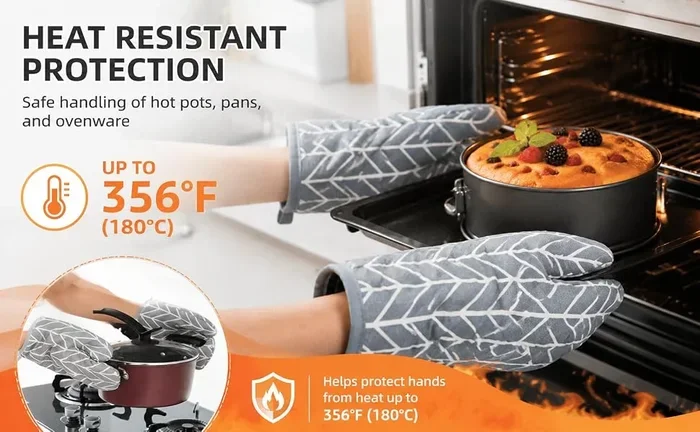
Place your dish on the oven rack carefully. Avoid opening the door too wide, as this releases heat and can affect cooking times. Use oven mitts or heat-safe gloves. The oven door glass will be hot, so be mindful of where you place your hands.
Step 5: Set the Timer
Use the timer settings on your Blomberg oven to track cooking duration. If your model has a countdown timer, set it before you close the door. This way, you can focus on other tasks in the kitchen while the oven does its work. When the timer goes off, the oven will typically beep to alert you.
Step 6: Check and Remove
When the timer sounds, open the door carefully and check your food. Use the oven light to inspect the color and texture without opening the door fully. If it needs more time, close the door and add a few minutes. When done, use oven mitts to remove the dish and place it on a heat-safe surface.
Oven Cleaning and Maintenance Tips
A clean oven performs better, lasts longer, and cooks more evenly. Taking care of your Blomberg oven does not have to be a chore. A little regular maintenance goes a long way.
Daily Cleaning Habits
After every cooking session, wipe up any spills or splatters while the oven is still warm (but not hot). Use a damp cloth with mild dish soap. This prevents food residue from building up and becoming harder to remove later. Keeping the oven interior clean also prevents smoke and odors during future cooking sessions.
Deep Cleaning Routine
Once a month, give your oven a deeper clean. Remove the racks and wash them separately with warm soapy water. For the interior, you can use a paste made from baking soda and water. Apply it to the walls, let it sit for 15 to 20 minutes, then wipe it away with a damp cloth.
If your Blomberg oven has the self-cleaning oven feature, use it every few months to keep the interior fresh. Just remember to remove the racks before running the cycle, as high heat can warp them.
Cleaning the Glass Door
The oven door glass can get grimy over time from steam and grease. Mix equal parts water and white vinegar in a spray bottle. Spray the glass, let it sit for a few minutes, and wipe it clean with a soft cloth. For stubborn spots, make a paste of baking soda and a little water, apply it gently, and scrub with a non-abrasive sponge.
Common Mistakes and How To Avoid Them
Even experienced cooks make mistakes when using their oven. Here are some common blunders and how you can avoid them with your Blomberg oven.
Skipping the Preheat
This is probably the number one mistake. Putting food into a cold oven leads to uneven cooking and longer bake times. Always wait for the oven to reach the target temperature before loading your dish.
Overcrowding the Oven
It can be tempting to fit as many dishes as possible on the racks, but overcrowding blocks airflow and leads to uneven cooking. Leave space between pans so hot air can circulate freely. If you need to cook multiple items, consider using the convection mode to improve air circulation.
Opening the Door Too Often
Every time you open the oven door, you lose heat and drop the internal temperature. This can significantly affect baking results. Try to resist the urge to peek too often. Use the oven light to check on your food instead.
Using the Wrong Rack Position
Placing a dish too close to the top element when baking can cause the top to burn while the bottom stays raw. Conversely, placing it too low can result in a pale top and an overcooked bottom. Stick to the center rack for most recipes, and adjust only when the recipe specifically calls for it.
Ignoring Error Codes
If your Blomberg oven displays an error code, do not ignore it. Most Blomberg oven manual guides include a section that explains what each code means. Common codes relate to the temperature sensor, door latch, or control board. Refer to the manual or contact Blomberg customer support for guidance.
Troubleshooting Common Blomberg Oven Issues
Sometimes things go wrong. Here are a few common problems and simple fixes you can try before calling for service.
Oven Not Heating Up
Check that the oven is properly plugged in and that the circuit breaker has not tripped. Make sure the door closes completely, as many Blomberg oven models will not heat if the door latch is not engaged. If the issue persists, the heating element may need to be replaced.
Uneven Cooking Results
Uneven heat is often caused by dirty racks or a misaligned oven rack. Remove and clean the racks thoroughly. Make sure they are inserted evenly and not tilted. If the problem continues, you may need to calibrate the oven temperature. Refer to your Blomberg oven manual for calibration instructions.
Excessive Heat or Burning
If your food is burning on the top but not cooking through on the bottom, the top heating element may be staying on too long. Try using bake mode instead of broil mode for recipes that need gentle, even heat. Also, check that you are not using a rack position that is too close to the top element.
Strange Noises During Cooking
A slight humming or fan noise during convection mode is completely normal. However, loud rattling or banging could mean a rack is loose or a tray is touching the interior wall. Remove all trays and racks, reinsert them properly, and try again.
Expert Tips for Getting the Most Out of Your Blomberg Oven
Want to take your cooking to the next level? Here are some insider tips that experienced bakers and home cooks swear by.
Invest in an Oven Thermometer
Even the best Blomberg oven can have slight temperature variations. An inexpensive oven thermometer placed inside the cavity will tell you the actual temperature, not just what the display says. This small tool can dramatically improve your baking results.
Use Parchment Paper
Lining baking sheets with parchment paper prevents sticking and promotes even browning. It also makes cleanup a breeze. Just make sure the parchment does not touch the heating elements directly.
Let the Oven Cool Between Uses
If you are doing multiple cooking sessions back to back, give the oven a few minutes to cool slightly. This reduces the risk of overheating the heating elements and extends the lifespan of your Blomberg oven.
Rotate Dishes Halfway Through
For long bakes like casseroles or large cakes, rotate the dish 180 degrees halfway through the cooking time. This compensates for any hot spots in the oven and ensures even browning on all sides.
Keep the Manual Handy
Your Blomberg oven manual is one of the most underrated resources. It contains model-specific information about cooking times, capacity limits, warranty details, and maintenance schedules. Keep it in a kitchen drawer or scan it and save it to your phone for easy access.
Why Choose a Blomberg Oven?
Blomberg has built a solid reputation in the kitchen appliance market. Their ovens are known for reliable performance, energy efficiency, and user-friendly design. The brand offers a wide range of models, from compact countertop units to full-size built-in ranges, so there is something for every kitchen and budget.
What sets Blomberg apart is the attention to detail. Features like intuitive control panel layouts, durable oven door glass, and efficient convection oven technology make these ovens a smart choice for everyday cooking. Plus, their self-cleaning oven function saves time and effort, which is something every home cook appreciates.
When you invest in a Blomberg oven, you are not just buying an appliance. You are getting a reliable partner in the kitchen that will serve you well for years to come — as long as you use and care for it properly.
Final Thoughts
Using a Blomberg oven does not have to be intimidating. From the first setup to daily cooking and long-term maintenance, this guide has covered everything you need to feel confident in the kitchen. Remember to preheat, use the right mode, position your racks correctly, and keep the oven clean.
The more you use your Blomberg oven, the more natural it will feel. Soon, you will not even think about the steps — you will just cook. And that is exactly how it should be. So go ahead, try a new recipe, experiment with convection mode, and enjoy the process of making great food with a reliable kitchen appliance by your side.
Happy cooking!
Frequently Asked Questions
How do I find the right temperature for baking in my Blomberg oven?
Most baking recipes call for 350°F as a standard temperature. However, every Blomberg oven can have slight variations. Use an oven thermometer to verify the actual temperature inside the cavity. Adjust by 10 to 25 degrees if needed based on your baking results.
Can I use aluminum foil inside my Blomberg oven?
Yes, you can use aluminum foil to line baking sheets or cover dishes. However, avoid letting the foil touch the heating elements, as this can cause sparking or damage. Also, do not completely seal the oven cavity with foil, as this can block airflow and affect cooking performance.
How long does the self-clean cycle take on a Blomberg oven?
The self-cleaning oven cycle typically takes between 2 to 4 hours, depending on the model and the level of grime. Refer to your Blomberg oven manual for the exact cycle time for your specific unit. Always ventilate the kitchen during and after the cycle.
Why is my Blomberg oven not reaching the set temperature?
This could be caused by a faulty temperature sensor, a worn heating element, or a door that is not sealing properly. Check the door latch and make sure there are no gaps. If the problem continues, consult the Blomberg oven manual for troubleshooting steps or contact Blomberg customer support for assistance.
What is the difference between bake mode and convection mode on a Blomberg oven?
Bake mode uses the bottom heating element for gentle, even heat. Convection mode adds a fan that circulates hot air throughout the cavity, resulting in faster and more uniform cooking. When using convection, reduce the temperature by about 25°F and check food earlier than the recipe suggests.
How often should I clean my Blomberg oven?
Wipe the interior after every use to prevent buildup. Perform a deeper clean with baking soda paste once a month. Use the self-cleaning oven function every few months for a thorough maintenance cycle. Regular cleaning keeps your oven performing at its best and extends its lifespan.