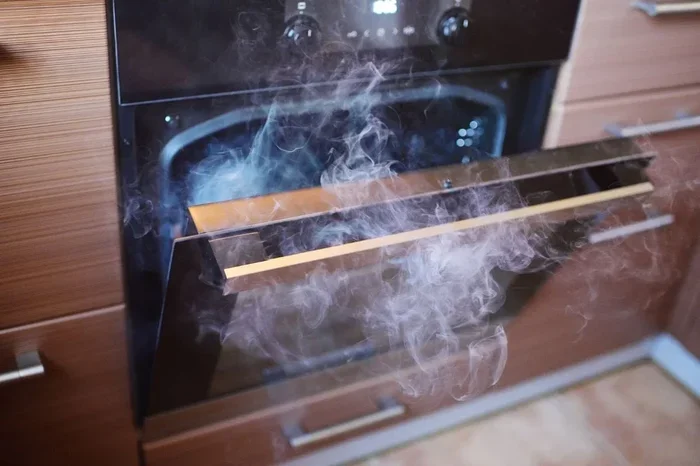
New Oven Smokes When First Turned On Easy Fixes Inside
A new oven smoking when first turned on is completely normal and happens in most kitchens. The smoke usually comes from manufacturing residue, protective coatings, and packaging materials burning off during the first few uses. With a few simple fixes like preheating empty and wiping down the interior, you can eliminate the smoke fast and get back to cooking with confidence.
You just unboxed your shiny new oven. You plug it in, turn the dial, and within minutes — smoke starts pouring out. Your heart drops. Did you buy a lemon? Is something broken? Before you call customer service or start panicking, take a deep breath. New oven smokes when first turned on is one of the most common questions homeowners ask, and the answer is almost always the same: it is totally normal.
This guide walks you through every reason your new oven might be smoking, how to fix it, and when to actually worry. Whether you just bought a gas oven, an electric oven, or a high-end convection model, this article has you covered. We will break down the causes, share easy fixes, and give you practical tips so you can use your new oven with total confidence from day one.
The good news is that smoke from a new oven is almost always harmless. It comes from things like manufacturing oils, protective coatings, and tiny bits of packaging material left behind during production. A little preparation and a few simple steps can make the smoking stop quickly. Let us dive into everything you need to know.
Key Takeaways
- Manufacturing residue is the #1 cause: Oils, coatings, and dust from production burn off during early uses.
- Running the oven empty at high heat for 30 minutes before cooking helps burn off residue safely.
- Smoke should last only a few uses — if it continues beyond 5-6 uses, investigate further.
- Proper ventilation and a clean oven interior dramatically reduce smoking during break-in.
- Know the difference between normal smoke and dangerous smoke to keep your home safe.
- Self-cleaning cycles can produce heavy smoke — this is normal but needs proper ventilation.
- Regular maintenance prevents future smoke issues and extends oven life.
📑 Table of Contents
Why Does a New Oven Smoke When First Turned On?
Understanding why your oven smokes is the first step to fixing it. New oven smoking is not a defect — it is a byproduct of the manufacturing process. Every new oven goes through assembly, packaging, and shipping before it reaches your kitchen. During this journey, various materials leave behind residue that burns off when the oven heats up for the first time.
The Science Behind the Smoke
Here is what is actually happening inside your oven. During manufacturing, factories apply protective oils and coatings to metal parts. These prevent rust and corrosion during storage and transit. When you heat the oven for the first time, these oils and coatings break down and produce smoke. It is the same concept as burning off a new pan before cooking in it.
The oven insulation materials can also release fumes when exposed to high heat for the first time. Fiberglass and other insulating materials sometimes off-gas during initial heating cycles. This is called oven off-gassing, and it is completely safe in small amounts. The smell might be a bit unpleasant, but it is not dangerous.
Normal Smoke vs. Abnormal Smoke
Not all smoke is created equal. Here is how to tell the difference between normal break-in smoke and something that needs attention:
- Normal smoke: Thin, white or light gray wisps that clear up within 10 to 20 minutes of preheating. The smell is mild and goes away after a few uses.
- Abnormal smoke: Thick, dark, or black smoke that does not go away. A burning plastic smell or electrical odor. Smoke that continues after multiple uses.
If you see thin white smoke that goes away quickly, you are dealing with the standard break-in process. If the smoke is dark, thick, or smells like burning plastic, you should investigate further. We will cover that in detail later in this article.
Common Reasons Your New Oven Smokes
Several factors can cause smoke from a new oven. Understanding each one helps you pinpoint the source and apply the right fix. Here are the most common reasons:
Manufacturing Residue and Protective Coatings
This is the number one culprit. During factory production, ovens are coated with thin layers of oil and protective chemicals. These coatings protect the metal surfaces from rust while the oven sits in warehouses and on store shelves. When you first turn on the oven, the heat breaks down these coatings and produces visible smoke.
The residue is usually found on the interior walls, the oven floor, the racks, and around the heating elements. Even if the oven looks clean when you unbox it, there is almost always a thin film you cannot see with the naked eye.
Heating Elements and First Use
The bake element and broil element in your oven can also contribute to smoking. New heating elements sometimes have a thin layer of oxidization or manufacturing dust on them. When they heat up, this dust burns off and creates smoke. This is especially noticeable in electric ovens where the elements glow red hot during preheating.
In gas ovens, the igniter and burner assembly can have similar residue. The first few times you light the oven, the burners may produce a bit of smoke as they burn off any factory residue. This typically stops after one or two uses.
Packaging Materials and Leftover Debris
Sometimes the cause is simpler than you think. Small pieces of packaging tape, cardboard, or plastic wrap can accidentally get left inside the oven during assembly or unboxing. When the oven heats up, these materials melt and smoke. This is more common than you might expect, so always do a quick visual inspection inside your oven before the first use.
Check the following spots carefully:
- Under the oven floor
- Behind the rear wall
- On the heating elements
- Inside the door glass layers
- Around the control panel
Self-Cleaning Cycle Smoke
Many modern ovens come with a self-cleaning feature. While convenient, the self-cleaning cycle can produce a lot of smoke during its first run. The extreme heat (usually around 900 degrees Fahrenheit) burns off all the grime, residue, and coatings inside the oven at once. This can create a significant amount of smoke and a strong odor.
If you run the self-cleaning cycle on a brand new oven, expect heavy smoke. This is normal. The oven is essentially incinerating all the manufacturing residue in one go. Just make sure your kitchen is well ventilated during the process.
Easy Fixes to Stop the Smoking
The good news is that fixing a smoking new oven is simple and usually takes less than an hour. Here are the most effective methods to eliminate smoke during the break-in period.
Step-by-Step Cleaning Before First Use
Before you ever turn on your new oven, give it a thorough cleaning. This removes loose debris, packaging fragments, and surface-level residue. Here is what to do:
- Remove all racks, trays, and any removable parts from the oven.
- Wipe down the interior walls, floor, and ceiling with a damp cloth.
- Use a mild dish soap solution — avoid harsh chemicals on a brand new oven.
- Dry everything completely with a clean towel.
- Inspect the heating elements for any visible debris or packaging material.
- Replace the racks and trays once the interior is dry.
This simple step alone can significantly reduce the amount of smoke your oven produces during its first few uses. It also removes any dust that accumulated during shipping and storage.
Running the Oven Empty
The most recommended method for breaking in a new oven is to run it empty at a high temperature. This burns off any remaining manufacturing residue safely. Here is the process:
- Make sure the oven is completely clean and dry inside.
- Set the oven to 400 degrees Fahrenheit.
- Leave the oven empty — no food, no pans, no racks if possible.
- Let it run for 30 minutes.
- Turn the oven off and let it cool completely.
- Wipe down the interior once it has cooled.
- Repeat this process one or two more times for best results.
During this process, you will likely see smoke and smell something. This is normal. Make sure your kitchen fan is on and a window is open for ventilation. The smoke should be light and clear up within the 30-minute window.
Ventilation Tips for Smoke-Free Cooking
Proper ventilation makes a huge difference when breaking in a new oven. Here are some quick tips:
- Turn on your range hood fan whenever you preheat a new oven.
- Open a nearby window to let fresh air circulate.
- Keep the oven door slightly ajar during the first preheat if smoke is heavy.
- Avoid running the self-cleaning cycle in a small, enclosed kitchen without ventilation.
Quick Tips to Reduce New Oven Smoke
Here are some bonus tips that make a real difference:
- Place a bowl of vinegar inside the oven while running the empty heat cycle. This helps absorb odors.
- Use white vinegar on a cloth to wipe down the interior before the first preheat.
- Avoid using the self-cleaning cycle for the first two or three normal uses. Let the oven burn off residue gradually instead.
- Read your oven manual — many manufacturers include specific break-in instructions.
How Long Should the Smoking Last?
One of the most common questions people ask is, “How long will my new oven smoke?” The answer depends on several factors, including the oven type, the amount of residue, and how you break it in.
Timeline for Different Oven Types
Here is a general timeline for how long new oven smoke lasts:
| Oven Type | Expected Smoking Duration | Smoke Severity |
|---|---|---|
| Electric Convection | 2 to 4 uses | Light to moderate |
| Gas Oven | 1 to 3 uses | Light |
| Self-Cleaning Electric | 3 to 5 uses (including self-clean) | Moderate to heavy during self-clean |
| Toaster Oven | 1 to 2 uses | Light |
| Wall Oven (Single) | 2 to 4 uses | Light to moderate |
In most cases, smoke from a new oven stops after the first three to five uses. If your oven is still producing significant smoke after five uses, something else may be going on. We will cover that below.
What to Expect During the Break-In Period
During the break-in period, you might notice a few things:
- A slight odor when you first preheat the oven
- Thin white smoke during the first preheat cycle
- The oven may heat unevenly on the first few uses
- The temperature might fluctuate slightly as the oven calibrates itself
All of these are normal. Modern ovens have complex internal components that need time to settle into their operating rhythm. Give your oven a few uses, and it will perform like a champ.
Common Mistakes That Make Smoking Worse
Here are mistakes that can extend or worsen the smoking problem:
- Skipping the empty preheat cycle: This leaves residue on the interior surfaces, causing more smoke during cooking.
- Using the self-cleaning cycle immediately: While it works, it can create excessive smoke if done too early.
- Cooking fatty foods during the first use: Fat drips onto hot surfaces and combines with residue, creating more smoke.
- Not ventilating properly: Without good airflow, smoke builds up and lingers longer.
Avoid these mistakes, and your new oven will smoke less and perform better from the start.
When to Worry About Oven Smoke
Most of the time, smoke from a new oven is harmless. But there are situations where smoke signals a real problem. Knowing the difference can keep your kitchen safe and your oven running properly for years.
Signs It Is More Than Normal
Watch out for these warning signs:
- Dark black smoke: This usually indicates something is burning beyond normal residue. Check for melted plastic or packaging material stuck inside.
- Burning plastic smell: This strongly suggests a piece of packaging or plastic component is trapped inside the oven.
- Electrical burning smell: A sharp, acrid smell like burning wires is not normal. Turn the oven off immediately and check the wiring or call a technician.
- Smoke that continues after multiple uses: If your oven is still smoking heavily after five uses, there may be a manufacturing defect or a component issue.
- Smoke coming from unusual areas: Smoke from behind the control panel or from under the oven is not normal and needs professional inspection.
Safety Precautions for New Oven Use
Safety should always come first. Here are some precautions to keep in mind:
- Never leave a smoking oven unattended during the first few uses.
- Keep a fire extinguisher nearby in your kitchen — it is a good practice regardless.
- If smoke triggers your oven smoke alarm, turn off the oven and ventilate the room immediately.
- Do not use water to extinguish oven smoke or any fire inside the oven.
- Unplug the oven if you notice smoke coming from electrical components or the control panel.
Expert Insight: When to Call a Professional
Most new oven smoking issues resolve on their own within a few uses. However, if you notice any of the following, it is time to call a professional technician:
- Smoke accompanied by sparking or popping sounds
- The oven tripping your circuit breaker during use
- Visible damage to the heating elements or wiring
- Smoke that returns after a period of normal use
A qualified appliance repair technician can diagnose the issue quickly and safely. Most new ovens come with a manufacturer warranty, so you may be covered for free repairs or replacements.
Preventing Smoke Issues in Your New Oven
Once your oven is broken in, you want to keep it running smoke-free. Regular maintenance and good habits go a long way toward preventing future smoke issues.
Regular Maintenance Tips
Keep your oven clean and smoke-free with these simple habits:
- Wipe up spills immediately: Food residue that bakes onto the oven floor creates smoke during future cooking sessions.
- Clean the oven every 1 to 2 months: A quick wipe-down with a mild cleaner keeps the interior fresh.
- Check the heating elements regularly: Look for food buildup or damage on the bake and broil elements.
- Use oven-safe cookware: Non-oven-safe materials can melt and produce smoke.
- Avoid overfilling pans: Overflowing food drips onto the oven floor and burns, creating smoke.
Quick Tips for Smoke-Free Cooking
These everyday tips help prevent smoke while cooking:
- Preheat the oven before placing food inside — this reduces cooking time and minimizes smoke from drips.
- Use a baking sheet or foil to catch food drips.
- Keep the oven temperature appropriate for the recipe — excessively high temperatures burn food faster.
- Clean the oven after every major cooking session, especially after roasting or broiling fatty foods.
By following these simple steps, you keep your oven clean, smoke-free, and performing at its best for years to come.
Final Thoughts on New Oven Smoke
New oven smokes when first turned on is a normal, expected part of the ownership experience. The smoke comes from manufacturing residue, protective coatings, and packaging materials that burn off during the first few heating cycles. With a little preparation — like cleaning the interior, running an empty preheat cycle, and keeping your kitchen ventilated — you can minimize the smoke and get back to cooking quickly.
Remember that most smoking issues resolve within three to five uses. If the smoke persists, smells like burning plastic, or appears abnormal, investigate the cause or contact a professional. Your new oven is a big investment, and taking a few simple steps during the break-in period pays off in reliable, smoke-free performance for years to come.
Now that you know what to expect and how to handle it, you can confidently use your new oven from day one. Happy cooking!
Frequently Asked Questions
Is it normal for a new oven to smoke when first turned on?
Yes, it is completely normal. Manufacturing residue, protective coatings, and packaging materials burn off during the first few uses, producing thin white smoke. This typically clears up after two to five uses.
How do I stop my new oven from smoking?
Clean the interior with a damp cloth before first use, run the oven empty at 400 degrees Fahrenheit for 30 minutes, and keep your kitchen well ventilated. These steps burn off residue quickly and reduce smoke significantly.
Why does my new oven smell bad when I first use it?
The smell comes from the same manufacturing oils and coatings that cause smoke. It is harmless and usually fades after a few preheating cycles. Placing a bowl of vinegar inside during the first empty heat cycle can help absorb odors.
How many times should I run my new oven before cooking food in it?
Most experts recommend running the oven empty at 400 degrees Fahrenheit for 30 minutes, two to three times. This ensures most of the manufacturing residue is burned off before you cook food inside.
When should I be concerned about smoke from my new oven?
Be concerned if the smoke is thick and dark, smells like burning plastic or electrical components, or continues after five or more uses. These could indicate a manufacturing defect or a trapped piece of packaging that needs professional attention.
Can a self-cleaning cycle cause heavy smoke in a new oven?
Yes, running a self-cleaning cycle on a brand new oven can produce heavy smoke because it burns off all manufacturing residue at once. It is better to skip the self-clean cycle for the first two or three normal uses and let residue burn off gradually instead.