What Oven Temp For Enchiladas Is The Perfect Setting
The perfect oven temp for enchiladas is between 350°F and 375°F. This range ensures even cooking, melted cheese, and tender fillings without drying them out. Most enchiladas need 20 to 30 minutes in the oven, depending on the type and size. Covering them with foil at first helps trap moisture and keeps the tortillas soft. Always preheat your oven before placing the dish inside for the best results.
So you want to make enchiladas at home. That is great news. Enchiladas are one of the most beloved dishes in Mexican cuisine. They are filling, flavorful, and perfect for feeding a crowd. But here is the question that trips up so many home cooks: what oven temp for enchiladas is actually the right one?
The answer might surprise you. There is no single magic number. The best oven temp for enchiladas depends on a few things. What kind of filling are you using? Are you baking rolled enchiladas or a casserole-style dish? How thick is your sauce? All of these factors matter. But do not worry. I am going to walk you through everything you need to know. By the end of this guide, you will feel confident setting your oven to the right temperature for enchiladas every single time.
Baking enchiladas at home is easier than you think. You do not need a fancy restaurant oven or special equipment. A standard home oven works perfectly. The key is understanding the enchilada baking temperature and how long to cook them. Once you nail these two things, everything else falls into place. Let us dive in.
Key Takeaways
- 350°F to 375°F is the sweet spot: This range works for nearly every type of enchilada.
- Preheat your oven first: A hot oven from the start ensures even cooking and better texture.
- Use foil for the first half: Covering enchiladas with foil keeps them moist and prevents burning.
- Baking time varies: Most enchiladas need 20 to 30 minutes, but thicker casseroles may need longer.
- Rest before serving: Letting enchiladas sit for 5 minutes helps the cheese set and makes them easier to handle.
- Internal temperature matters: Cook until the center reaches 165°F for food safety.
- Type of enchilada affects baking: Chicken, beef, and cheese enchiladas may need slight adjustments in time and temp.
📑 Table of Contents
The Ideal Oven Temp For Enchiladas
The most common and reliable oven temperature for enchiladas is 350°F. This is the go-to setting for most recipes. It works beautifully for rolled enchiladas, casserole-style dishes, and just about any filling you can imagine. At 350°F, the tortillas cook evenly, the cheese melts perfectly, and the sauce heats through without boiling over.
However, 375°F is also a popular choice. Some cooks prefer the slightly higher heat because it speeds up the process. It also gives the top layer of cheese a nice golden-brown finish. The perfect oven temp for enchiladas really comes down to your personal preference and the specific recipe you are following.
Why 350°F Works So Well
Here is why 350°F is the standard for baking enchiladas. At this temperature, heat spreads evenly throughout the oven. There are no hot spots that burn one part of the dish while leaving another cold. The tortillas have time to soften and absorb the sauce without turning brittle. The cheese melts slowly and develops a creamy, gooey texture. And the filling cooks through gently without drying out.
If you set the oven too high, the tortillas can burn before the inside is fully cooked. If you set it too low, the enchiladas take forever and the cheese may not melt properly. That is why 350°F is the sweet spot for most enchilada oven temperature needs.
When to Use 375°F Instead
There are times when 375°F makes more sense. For example, if you are making a thick enchilada casserole, the higher heat helps the center cook faster. It also works well if you want a crispy, bubbly top layer. Cheese enchiladas especially benefit from the slightly higher temperature because the cheese browns faster and looks more appetizing.
Another situation where 375°F shines is when you are short on time. The higher heat cuts the baking time by a few minutes. Just keep a close eye on the dish so nothing burns. A quick check at the 20-minute mark is always a good idea.
How Long To Bake Enchiladas
Temperature and time go hand in hand. Knowing what oven temp for enchiladas to use is only half the battle. You also need to know how long to bake them. The good news is that the timing is pretty straightforward for most recipes.
Baking Time for Rolled Enchiladas
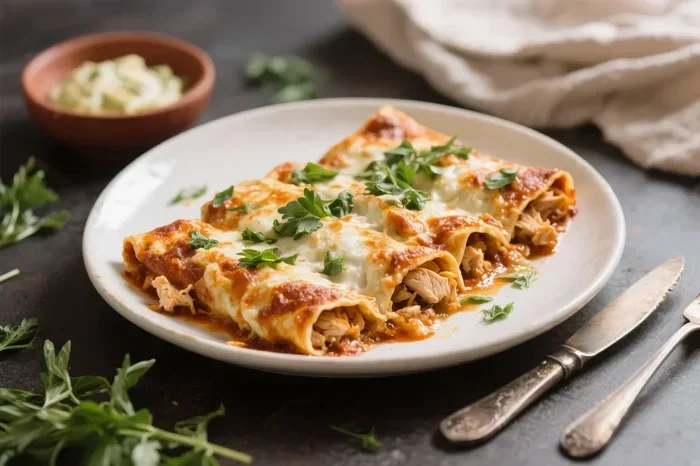
For classic rolled enchiladas, the standard baking time is 20 to 25 minutes at 350°F. This gives the tortillas enough time to soften and soak up the sauce. The cheese on top melts into a beautiful golden blanket. The filling heats through completely. Most chicken enchiladas and beef enchiladas fall right into this time range.
If you are using a deeper baking dish, you might need to add 5 minutes. Thicker layers of enchiladas mean the heat has to penetrate further. Always check that the center is hot and bubbly before serving.
Baking Time for Enchilada Casserole
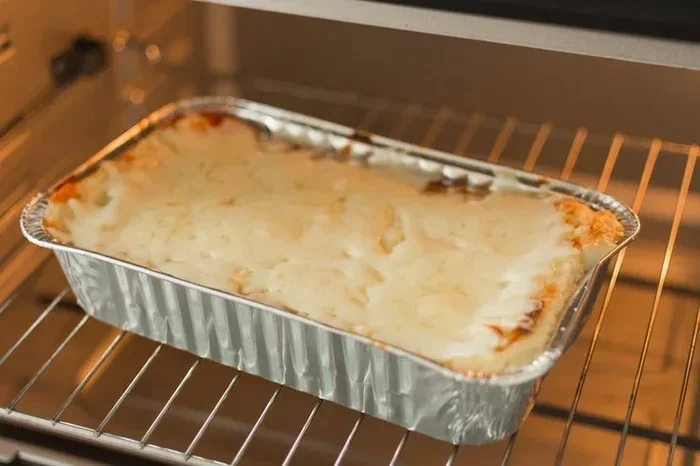
An enchilada casserole is a different beast. It is thicker and more layered than individual rolled enchiladas. Because of this, it usually needs a bit more time. Plan for 25 to 35 minutes at 350°F to 375°F. The top should be golden and the edges should be bubbling.
A useful trick is to cover the casserole with foil for the first 20 minutes. This traps steam and helps the tortillas stay soft. Then remove the foil for the last 10 to 15 minutes. This lets the top get that gorgeous golden color everyone loves.
How to Know When Enchiladas Are Done
Timing is a good guide, but it is not the only way to check. Here are some clear signs your oven-baked enchiladas are ready:
- The cheese on top is fully melted and slightly golden.
- The sauce is bubbling around the edges of the dish.
- A knife inserted into the center comes out hot.
- The internal temperature reaches 165°F when measured with a food thermometer.
- The tortillas look soft and pliable, not stiff or dry.
If you are ever unsure, it is better to add a few more minutes than to serve undercooked enchiladas. Food safety always comes first.
Tips For Perfect Enchiladas Every Time
Getting the enchilada bake right is not just about temperature and time. There are several other factors that make a big difference. These tips will help you achieve restaurant-quality results in your own kitchen.
Always Preheat Your Oven
This is the number one mistake people make. They skip preheating and put the enchiladas in a cold oven. Big mistake. A cold oven means the enchiladas start cooking slowly. The tortillas can get soggy. The cheese does not melt evenly. Always preheat your oven to the correct temperature before the dish goes in.
Give your oven at least 10 to 15 minutes to reach the target enchilada cooking temperature. Most ovens have a light or beep that tells you when they are ready. Wait for that signal. Your enchiladas will thank you.
Use Foil to Lock in Moisture
Covering your enchiladas with aluminum foil during the first half of baking is a game changer. The foil traps steam and keeps the tortillas from drying out. It also helps the cheese melt more evenly. After the first 15 to 20 minutes, remove the foil to allow the top to brown.
This simple step makes a huge difference in the final texture. Without foil, the top can dry out while the center is still cold. With foil, everything cooks evenly and stays moist. It is one of the easiest enchilada baking tips you will ever learn.
Choose the Right Tortillas
The type of tortilla you use matters more than you might think. Corn tortillas are traditional and hold their shape well in the oven. Flour tortillas are softer and more flexible, which makes them easier to roll. Either works great for baking enchiladas, but corn tortillas tend to hold up better at higher temperatures.
Make sure your tortillas are fresh. Stale or dried-out tortillas can crack when you roll them. They can also turn crunchy instead of soft in the oven. If your tortillas are a bit old, warm them up on a dry skillet for a few seconds before using them.
Do Not Overfill Your Enchiladas
It is tempting to pack in as much filling as possible. But overfilling leads to messy, hard-to-roll enchiladas. The filling can also push out during baking and create uneven cooking. A generous but not overflowing spoonful of filling is the sweet spot.
When the enchiladas are packed too tightly, heat cannot circulate properly. This means some parts get overcooked while others stay cold. Keep the filling amount consistent for evenly cooked cheese enchiladas or meat-filled ones.
Let Them Rest Before Serving
This is a tip that many people overlook. After pulling your oven-baked enchiladas out of the oven, let them sit for 5 to 10 minutes. This resting period allows the cheese to set slightly. It makes the enchiladas easier to cut and serve without falling apart. The flavors also have time to meld together, which makes every bite more delicious.
Enchilada Types And Their Temp Needs
Not all enchiladas are the same. Different types of enchiladas may need slight adjustments in oven temperature for enchiladas and baking time. Here is a quick breakdown of the most popular varieties.
Chicken Enchiladas
Chicken enchiladas are one of the most popular types. They bake beautifully at 350°F for 20 to 25 minutes. The chicken filling cooks through quickly, so there is no need for extra time. If you are using leftover shredded chicken, the baking time may be even shorter since the chicken is already cooked.
Beef Enchiladas
Beef enchiladas work well at the same 350°F temperature. Ground beef or shredded beef both heat through nicely in 20 to 25 minutes. Make sure the beef filling is fully cooked before you assemble the enchiladas. This ensures they only need to heat through in the oven, not cook from raw.
Cheese Enchiladas
Cheese enchiladas are simple and delicious. They bake at 350°F to 375°F for 15 to 20 minutes. Since there is no raw meat involved, the cooking time is shorter. The cheese melts quickly and develops a beautiful golden crust. These are perfect for a quick weeknight dinner.
Vegetarian Enchiladas
Veggie enchiladas with beans, peppers, and onions also bake at 350°F for 20 to 25 minutes. The vegetables cook through gently at this temperature. If you like a bit of extra cheese on top, the higher temp of 375°F for the last 5 minutes gives a nice crispy finish.
| Enchilada Type | Oven Temp | Baking Time | Notes |
|---|---|---|---|
| Chicken Enchiladas | 350°F | 20-25 min | Use pre-cooked chicken for best results |
| Beef Enchiladas | 350°F | 20-25 min | Make sure beef is fully browned first |
| Cheese Enchiladas | 350-375°F | 15-20 min | Shorter bake time, watch for browning |
| Vegetarian Enchiladas | 350°F | 20-25 min | Add extra cheese on top for crispiness |
| Enchilada Casserole | 350-375°F | 25-35 min | Cover with foil for first half of baking |
Common Mistakes When Baking Enchiladas
Even experienced cooks make mistakes when it comes to what oven temp for enchiladas. Learning from these common errors will save you a lot of frustration.
Skipping the Preheat
This deserves its own mention because it is so common. Putting enchiladas in a cold oven leads to uneven cooking. The bottom can get soggy while the top stays cold. Always wait for the oven to reach the right temperature. It only takes a few minutes, but it makes a world of difference.
Using Too Much Sauce
It might seem like more sauce means more flavor. But too much sauce creates a watery mess. The excess liquid can make the tortillas fall apart. It can also prevent the cheese from melting properly on top. Use enough sauce to coat the enchiladas, but do not drown them.
Opening the Oven Door Too Often
Every time you open the oven door, heat escapes. This drops the internal temperature and slows down the cooking process. Resist the urge to peek too often. Trust the timer and check the enchiladas only when the recommended time is up. If you need to check, do it quickly and close the door right away.
Using the Wrong Dish
The baking dish you choose affects how the enchiladas cook. A dark, metal pan absorbs more heat and can cause the bottom to overcook. A glass dish distributes heat more evenly but may need a few extra minutes. A ceramic dish works well but takes longer to heat up. Choose a dish that fits your enchiladas snugly without being too big or too small.
Forgetting to Rest
Cutting into enchiladas right out of the oven is tempting. But the cheese will be runny and the filling will slide out. Give them a few minutes to rest. The cheese sets, the flavors settle, and the enchiladas hold their shape much better when served.
Expert Tips For Restaurant-Quality Enchiladas
If you want your homemade enchiladas to taste like they came from your favorite restaurant, try these expert-level tips.
Toast Your Tortillas Before Rolling
Briefly warming your tortillas in a dry skillet before rolling them makes them more pliable. It also adds a subtle smoky flavor. This small step prevents the tortillas from cracking or tearing during the rolling process. It is a pro move that makes a noticeable difference in the final dish.
Warm Your Sauce Before Assembling
Cold sauce straight from the fridge can slow down the cooking process. It can also create cold spots in the finished dish. Warm your enchilada sauce on the stove before you assemble and bake. This ensures even heating from the start and better flavor absorption.
Use a Thermometer
A simple instant-read thermometer takes the guesswork out of baking. Insert it into the center of the enchilada casserole or the thickest rolled enchilada. You are looking for an internal temperature of 165°F. This guarantees the enchiladas are safe to eat and perfectly heated through.
Add Fresh Toppings After Baking
Save your fresh toppings for after baking. Sour cream, diced onions, cilantro, avocado, and fresh salsa all taste best when added at the end. Adding them before baking can cause them to wilt or melt in unappealing ways. A final garnish of fresh ingredients takes your baked enchiladas to the next level.
Make Ahead and Reheat
Enchiladas reheat wonderfully in the oven. If you are meal prepping, assemble them the night before and bake them the next day. To reheat, cover with foil and warm at 350°F for 15 to 20 minutes. The foil prevents them from drying out. This is a great way to enjoy homemade enchiladas on a busy weeknight.
Experiment With Cheese Blends
Using a blend of cheeses creates more depth of flavor than a single type. A mix of cheddar, Monterey Jack, and a sprinkle of pepper jack gives you sharpness, creaminess, and a little kick. The blend also melts beautifully and creates that perfect golden-brown top layer everyone craves.
Conclusion
So there you have it. The perfect oven temp for enchiladas is between 350°F and 375°F, depending on what you are making and how you like it. Most enchilada recipes call for 350°F, and for good reason. It is reliable, even, and produces consistently great results. The baking time usually falls between 20 and 30 minutes, but always check for the signs of doneness before serving.
Remember to preheat your oven, use foil to keep things moist, and let your enchiladas rest before cutting into them. These small steps make a big difference. Whether you are making chicken enchiladas, beef enchiladas, or a simple cheese version, the right temperature and a little patience will take you far.
Baking enchiladas at home does not have to be intimidating. With the right oven temperature for enchiladas and a few helpful tips, you can create a dish that rivals any restaurant. So preheat that oven, roll up your sleeves, and get cooking. Your kitchen is about to smell incredible, and your family is going to love every bite.
Frequently Asked Questions
Can I bake enchiladas at 400°F?
Yes, you can, but it is not the recommended oven temp for enchiladas. 400°F is too high and can burn the tortillas before the inside is fully cooked. Stick with 350°F to 375°F for the best results.
How do I know if my enchiladas are fully cooked inside?
The easiest way is to use a food thermometer. The internal temperature should reach 165°F. You can also check by cutting into the center enchilada. The filling should be hot and the cheese fully melted.
Should I cover enchiladas with foil while baking?
Yes, covering enchiladas with foil for the first 15 to 20 minutes helps trap moisture. This keeps the tortillas soft and prevents the top from drying out. Remove the foil for the last 10 to 15 minutes to let the cheese brown.
Can I use a glass baking dish for enchiladas?
Absolutely. A glass dish works well for baking enchiladas. It distributes heat evenly, but you may need to add 5 extra minutes compared to a metal pan. Glass also makes it easy to see the golden-brown top layer.
How long can baked enchiladas sit before serving?
Baked enchiladas stay warm and delicious for up to 30 minutes after coming out of the oven. Cover them loosely with foil to keep them from cooling too fast. After an hour, they should be refrigerated and reheated before serving.
Can I freeze baked enchiladas and reheat them later?
Yes, baked enchiladas freeze very well. Wrap them tightly in foil or plastic wrap, then place them in a freezer bag. To reheat, cover with foil and warm at 350°F for 25 to 30 minutes. This makes them a perfect make-ahead meal.