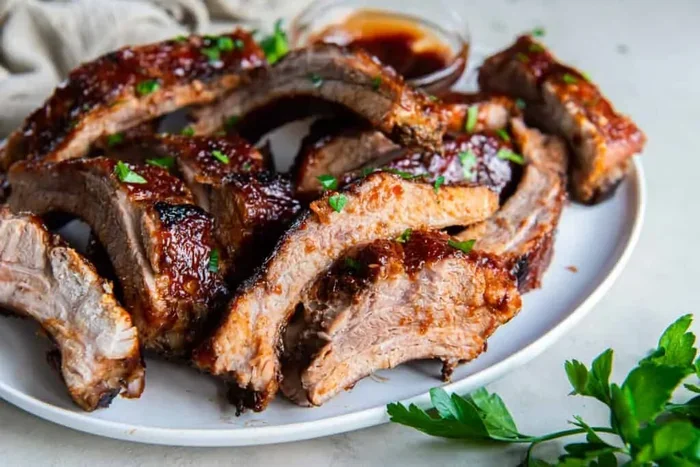
What Oven Temp To Cook Ribs For Fall Off The Bone
The best oven temp to cook ribs for fall off the bone texture is between 275°F and 300°F. This low and slow approach breaks down collagen and renders fat, giving you tender, juicy pork ribs every time. Whether you prefer baby back ribs or spare ribs, the right temperature and timing make all the difference. Keep reading to learn the exact times, techniques, and pro tips that guarantee perfect results.
There is nothing quite like pulling a rack of ribs out of the oven and watching the meat slide right off the bone. That perfect fall off the bone texture is what every home cook dreams of achieving. But getting there requires more than just tossing ribs in the oven and hoping for the best.
The oven temp to cook ribs plays a huge role in the final result. Too hot, and you end up with tough, dry meat. Too low, and you might wait all day for nothing. The good news is that finding the right temperature is simpler than most people think. In this guide, we will walk you through everything you need to know about oven baked ribs that turn out tender, juicy, and full of flavor.
Whether you are cooking baby back ribs, spare ribs, or something in between, this article covers it all. We will look at the best temperatures, cooking times, and techniques that deliver consistent results. You will also learn about common mistakes to avoid and pro tips that take your ribs from good to great.
Key Takeaways
- 275°F to 300°F is the sweet spot for fall off the bone ribs
- Low and slow cooking breaks down collagen for tender meat
- Baby back ribs cook faster than spare ribs
- Foil wrapping keeps moisture locked in during cooking
- An internal temp of 195°F to 203°F ensures perfect tenderness
- A rib rack helps with even heat circulation
- Resting your ribs for 10 minutes improves flavor and juiciness
📑 Table of Contents
The Best Oven Temp To Cook Ribs For Fall Off The Bone
The ideal oven temp to cook ribs for that perfect fall off the bone texture falls in the range of 275°F to 300°F. This temperature range is often called “low and slow” cooking, and it works magic on pork ribs. At this heat, the collagen in the meat slowly breaks down, and the fat renders out, leaving you with tender, melt-in-your-mouth ribs.
Why does this temperature range work so well? Ribs are a tough cut of meat. They have a lot of connective tissue and fat that needs time to break down. High heat dries them out before that process can happen. Low heat gives the collagen time to convert into gelatin, which is what makes ribs so succulent and tender.
Why 275°F Is the Gold Standard
Many pitmasters and barbecue experts agree that 275°F is the sweet spot. At this temperature, the ribs cook evenly without drying out. The fat melts slowly and bastes the meat from the inside. You also get a nice layer of caramelized bark on the outside, which adds a wonderful texture and flavor.
If you are in a hurry, you can bump the temperature up to 300°F. This will cut your cooking time a bit. Just be careful not to go above 325°F. Higher temperatures risk drying out the meat and losing that tender, fall apart quality you are aiming for.
How Long Do Ribs Take at This Temperature?
The rib cooking time depends on the type of ribs you are using and the exact temperature. Here is a general guide:
- Baby back ribs at 275°F take about 3 to 3.5 hours
- Spare ribs at 275°F take about 4 to 5 hours
- Baby back ribs at 300°F take about 2.5 to 3 hours
- Spare ribs at 300°F take about 3.5 to 4.5 hours
These times can vary based on your oven, the thickness of the ribs, and how much fat is on them. Always use a meat thermometer to check for doneness rather than relying solely on the clock.
Step-by-Step Guide to Perfect Oven Baked Ribs
Now that you know the right oven temp to cook ribs, let us walk through the full process. Following these steps will help you achieve consistent, delicious results every time you make oven roasted ribs.
Step 1: Prep the Ribs
Start by removing the membrane from the back of the ribs. This thin layer of tissue can be tough and chewy. Use a butter knife to loosen it at one corner, then grab it with a paper towel and pull it off. This step makes a big difference in the final texture of your oven baked ribs.
Next, pat the ribs dry with paper towels. Dry meat absorbs rub better and develops a nicer bark. Apply your favorite rib rub generously on all sides. Let the ribs sit at room temperature for about 30 minutes before cooking. This helps the seasoning penetrate the meat more deeply.
Step 2: Set Up Your Oven
Preheat your oven to 275°F. Place a rack in the center position. If you have a rib rack, use it. It lifts the ribs off the pan, allowing hot air to circulate evenly around the meat. This prevents soggy spots and promotes even cooking on all sides.
If you do not have a rib rack, you can place the ribs directly on a foil-lined baking sheet. Just be sure to leave enough space between the ribs for air to flow. Good air circulation is key to even oven roasted ribs with a consistent bark.
Step 3: Wrap in Foil
After about 2.5 hours of cooking, it is time to wrap the ribs. Pull the ribs out of the oven and lay them out on a large sheet of aluminum foil. Add a few tablespoons of apple juice, broth, or beer to the ribs before wrapping. This creates steam that keeps the meat moist throughout the rest of the cook.
Wrap the ribs tightly in the foil, making sure there are no gaps. Place them back in the oven for the remaining cooking time. This two-step process is sometimes called the “Texas crutch,” and it is a favorite among barbecue enthusiasts who want perfectly tender pork ribs.
Step 4: The Final Bake
Remove the foil wrap for the last 30 to 45 minutes of cooking. This allows the outside of the ribs to dry out slightly and develop that beautiful caramelized bark. If you like, you can brush on a thin layer of BBQ sauce during this time.
Be careful not to add too much sauce too early. The sugars in BBQ sauce can burn at high temperatures. A light coating in the final stage gives you that sticky, sweet glaze without the risk of charring. Less is more when it comes to sauce on oven baked ribs.
Baby Back Ribs vs Spare Ribs: Which Cooks Faster?
Not all ribs are created equal. The type of ribs you choose affects both the cooking temperature and the time. Understanding the differences helps you plan your cook better and avoid disappointment.
Baby Back Ribs
Baby back ribs come from the top of the rib cage, near the spine. They are smaller, leaner, and more tender than spare ribs. Because of their size, they cook faster and work well at 275°F for about 3 hours.
These ribs have less fat, which means they can dry out more easily. The low and slow approach is especially important here. The gentle heat keeps them moist while still breaking down the connective tissue. The result is delicate, tender meat with a beautiful bark that everyone loves.
Spare Ribs
Spare ribs come from the belly side of the rib cage. They are larger, fattier, and more flavorful. But they also take longer to cook. Plan for about 4 to 5 hours at 275°F for spare ribs.
The extra fat in spare ribs actually works in your favor during the long cook. As the fat renders out, it keeps the meat moist and adds richness. The result is deeply flavored oven roasted ribs with a perfect balance of tender meat and crispy edges. Spare ribs are ideal for those who love a bold, smoky flavor.
Comparison Table
| Rib Type | Best Temp | Cooking Time | Fat Content | Best For |
|---|---|---|---|---|
| Baby Back Ribs | 275°F | 3 to 3.5 hours | Lower | Leaner, quicker cook |
| Spare Ribs | 275°F | 4 to 5 hours | Higher | Rich, full flavor |
| Baby Back at 300°F | 300°F | 2.5 to 3 hours | Lower | Faster cook time |
| Spare Ribs at 300°F | 300°F | 3.5 to 4.5 hours | Higher | Faster cook time |
This table gives you a quick reference when planning your next cook. Keep in mind that every oven is different, so use these times as a starting point and adjust as needed based on your specific setup.
How to Tell When Ribs Are Done
Knowing when your ribs are ready can be tricky. Many people rely on a timer, but the best method combines several checks. Here is how to tell if your ribs are perfectly done and ready to serve:
- The bend test: Pick up the ribs from one end with tongs. If the ribs bend and cracks form on the surface, they are done. This is one of the most reliable signs of tender, fall off the bone ribs.
- The toothpick test: Insert a toothpick into the thickest part of the meat. If it goes in with no resistance, the ribs are ready and the internal temperature has been reached.
- The meat thermometer: Check the internal temperature. Ribs are done when they reach 195°F to 203°F. This is when the collagen has fully broken down and the meat is tender.
- The visual check: The meat should have pulled back from the rib bones by about a quarter inch. You should be able to see the bones slightly exposed at the edges.
Do not be afraid to check your ribs multiple times during the cook. The more you practice, the better you will get at reading the signs and knowing exactly when your oven baked ribs are ready to come out.
Common Mistakes That Ruin Oven Ribs
Even experienced cooks make mistakes when preparing oven baked ribs. Knowing what to avoid saves time, money, and a lot of frustration. Here are the most common errors and how to fix them.
Skipping the Membrane Removal
The membrane on the back of the ribs blocks seasoning from reaching the meat. It also creates a chewy layer that nobody wants to bite into. Always remove it before applying your rub. It takes about 30 seconds and makes a noticeable difference in the final texture of your pork ribs.
Opening the Oven Too Often
Every time you open the oven door, you lose heat and moisture. This can significantly increase your cooking time and dry out the ribs. Resist the urge to peek. Trust the process and only open the door when it is time to check for doneness or apply sauce. Patience is the secret ingredient in great oven roasted ribs.
Using Too Much Sauce Too Early
Applying BBQ sauce too early in the cook causes it to burn and turn bitter. The sugars in the sauce caramelize and eventually char at high temperatures. Wait until the last 30 to 45 minutes to add any sauce, and apply it in thin layers. This keeps the BBQ sauce flavorful without the risk of burning.
Not Letting the Ribs Rest
Resting is just as important as cooking. When you take the ribs out of the oven, let them sit for at least 10 minutes before cutting. This allows the juices to settle and redistribute throughout the meat. Cutting too soon causes the juices to run out, leaving you with drier ribs. A little patience goes a long way toward perfect fall off the bone results.
Pro Tips for Perfect Oven Ribs Every Time
Want to take your oven roasted ribs to the next level? These expert tips will help you achieve restaurant-quality results at home with minimal effort.
Use a Rib Rack for Even Cooking
A rib rack is a simple but effective tool. It holds the ribs upright, allowing hot air to flow around all sides. This promotes even cooking and prevents the meat from sitting in its own grease. If you have one, use it. The difference in consistency is remarkable.
Dry Brine Overnight
For the best flavor, apply your rub the night before and let the ribs sit in the fridge uncovered. This process, called dry brining, draws out moisture and then reabsorbs it along with the seasoning. The result is deeper flavor and a better texture. It is a game changer for anyone serious about making great pork ribs at home.
Add Wood Chips for a Smoky Flavor
You can mimic the flavor of smoked ribs in oven by adding wood chips to a foil pouch. Soak the chips for 30 minutes, then place them in a foil packet with a few holes poked in the top. Set the packet on the oven rack below the ribs. The smoke will infuse the meat with a rich, smoky flavor that elevates your oven baked ribs to a whole new level.
Keep a Spray Bottle Handy
During the first few hours of cooking, spritz the ribs with apple cider vinegar or apple juice every 45 minutes. This keeps the surface moist and helps the rub develop a beautiful crust. It is a small step that makes a big difference in the final product. The spray also helps build layers of flavor on the bark of your fall off the bone ribs.
Double Wrap for Extra Tenderness
If you want the most tender ribs possible, try double wrapping. After the first foil wrap, add a second layer of foil before returning the ribs to the oven. This traps even more steam and produces incredibly soft, juicy meat. Some pitmasters call this the “Houston method,” and it works wonders for anyone who loves meat that practically falls off the bone with no effort.
Frequently Asked Questions
Can you cook ribs at 350°F?
Yes, you can cook ribs at 350°F, but the results will be different. Higher temperatures cook ribs faster, usually in about 2 to 2.5 hours. However, the meat may not be as tender as low and slow cooking. If you choose this route, keep a close eye on them and use a meat thermometer to avoid drying out the pork ribs.
What is the best internal temperature for fall off the bone ribs?
The ideal internal temperature for tender, fall off the bone ribs is between 195°F and 203°F. At this range, the collagen has fully broken down and the meat is incredibly tender. Use a reliable meat thermometer inserted into the thickest part of the meat for the most accurate reading. This temperature ensures your oven baked ribs are perfectly cooked through.
Should I wrap ribs in foil during cooking?
Wrapping ribs in foil, also known as the “Texas crutch,” is a popular technique that keeps moisture locked in. It speeds up cooking and produces very tender meat. However, it also prevents the formation of a thick bark. If you prefer a crispy exterior, skip the foil wrap for the last 30 to 45 minutes of cooking and let the ribs finish uncovered.
How long should ribs rest after cooking?
Let your ribs rest for at least 10 to 15 minutes after removing them from the oven. This resting period allows the juices to settle and redistribute throughout the meat. Cutting too soon causes the juices to run out, leaving you with drier ribs. A little patience goes a long way toward achieving the best fall off the bone texture.
Can I use frozen ribs in the oven?
It is best to thaw your ribs before cooking. Frozen ribs cook unevenly and may not reach a safe internal temperature in the right timeframe. Thaw them in the fridge overnight for the best results. If you must cook from frozen, add an extra hour to the cooking time and check the internal temperature carefully to ensure food safety.
Do I need to flip ribs while they cook in the oven?
You do not need to flip ribs during cooking if you use a rib rack. The even heat circulation keeps both sides cooking at the same rate. If you do not have a rack and the ribs are lying flat, you can flip them once halfway through the cook for more even results. Most people find that skipping the flip works just fine and produces great oven roasted ribs.
Conclusion
Getting the oven temp to cook ribs right is the single most important factor in making perfect ribs at home. The 275°F to 300°F range gives you the best balance of tenderness, flavor, and texture. Combined with proper prep, wrapping techniques, and patience, you can achieve ribs that are every bit as good as what you would find at your favorite barbecue joint.
Remember to remove the membrane, apply a generous rub, and resist the urge to open the oven too often. Use a meat thermometer to check for doneness, and always let your ribs rest before serving. These simple steps make a huge difference in the quality of your oven baked ribs and help you achieve that sought after fall off the bone texture.
Whether you are cooking baby back ribs or spare ribs, the principles remain the same. Low heat, plenty of time, and a little patience. Now that you know the oven temp to cook ribs for fall off the bone results, it is time to fire up your oven and put these tips to the test. Your next batch of ribs is going to be a showstopper that will have everyone coming back for seconds.