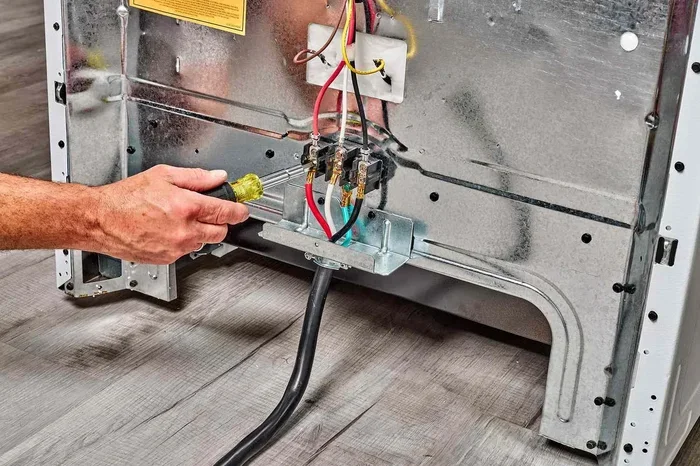
What Size Wire For Range Oven Is Right For Your Home
What Size Wire For Range Oven depends on your oven’s power needs, circuit setup, and local electrical codes. This guide covers wire gauges, breaker sizes, and installation tips to keep your kitchen safe. You will learn how to choose the right wire, avoid common errors, and know when to call a pro.
What Size Wire For Range Oven is one of the most important decisions you will make during installation. Choosing the wrong wire can lead to overheating, circuit trips, or even electrical fires. This guide walks you through every detail you need to know.
You will learn about wire gauges, breaker sizes, and the right materials for your setup. We also cover common mistakes and when to bring in a professional. By the end, you will feel confident about your oven wiring choice.
Let us dive into the world of range oven wiring and make sure your kitchen stays safe and powered up.
Key Takeaways
- Choose the Right Gauge: Most range ovens need 6 AWG or 8 AWG wire depending on amperage.
- Match Breaker to Wire: A 50-amp breaker pairs with 6 AWG, while 40-amp needs 8 AWG.
- Always Use a Dedicated Circuit: Range ovens should have their own circuit to prevent overloads.
- Copper Wire Is Preferred: Copper offers better conductivity and safety than aluminum for oven wiring.
- Follow Local Codes: NEC codes and local regulations dictate specific wiring requirements for ovens.
- Call a Pro When Unsure: If you lack electrical experience, hire a licensed electrician for safety.
📑 Table of Contents
Understanding Wire Size for Range Oven
The wire size for your range oven is not a one-size-fits-all answer. It depends on several factors that work together to keep your appliance running safely. Let us break down the basics so you understand why this matters.
Why Wire Gauge Matters for Oven Safety
The wire gauge determines how much electrical current can flow through the wire safely. Too thin a wire for a powerful oven creates resistance. That resistance generates heat, which can melt insulation and start a fire. On the other hand, a wire that is too thick wastes money and makes installation harder.
Your oven’s power draw is measured in amps. The wire gauge for oven must match that amp draw perfectly. A mismatch in either direction creates real safety risks. This is why understanding your oven’s electrical needs is step one.
How to Read Wire Gauge Numbers
Wire gauge numbers can feel confusing at first. The American Wire Gauge (AWG) system is what you will see on most packaging. Here is the simple rule: the lower the number, the thicker the wire. A 6 AWG wire is thicker than a 10 AWG wire.
Thicker wires carry more current without overheating. For most residential range ovens, you will work with 6 AWG, 8 AWG, or 10 AWG wire. The right choice depends on your oven’s amperage and the length of the wire run from your panel.
Standard Wire Sizes for Residential Ovens
Most modern range ovens in the United States run on a 240 volt circuit. This is different from standard 120 volt outlets you use for smaller appliances. The 240 volt wiring setup allows ovens to draw more power for heating elements.
Here are the most common wire sizes you will encounter for range ovens:
- 6 AWG wire: Used for 50-amp circuits, the most common setup for full-size electric ovens.
- 8 AWG wire: Used for 40-amp circuits, often found in compact or mid-range electric ovens.
- 10 AWG wire: Used for 30-amp circuits, typically for smaller or older oven models.
The oven wiring specifications can vary by manufacturer. Always check your oven’s manual before purchasing wire. The manual will list the exact amperage and wire requirements for your specific model.
Wire Gauge Options for Range Oven
Not all wires are created equal. The material, gauge, and type of wire you choose all impact performance and safety. Let us look at the options available for range oven wiring in more detail.
Comparing Wire Gauges for Different Oven Types
Different ovens have different power needs. A large double oven will pull more amps than a single compact model. Here is a comparison table to help you visualize the right wire size for common oven setups:
| Oven Type | Circuit Amps | Recommended Wire Gauge | Wire Material |
|---|---|---|---|
| Compact Electric Oven | 30A | 10 AWG | Copper |
| Standard Single Electric Oven | 40A | 8 AWG | Copper |
| Full-Size Electric Range Oven | 50A | 6 AWG | Copper |
| Dual-Fuel Range (Electric Oven) | 50A | 6 AWG | Copper |
| Commercial-Style Range Oven | 60A | 4 AWG | Copper |
This table gives you a solid starting point. However, always verify the numbers against your specific oven model and local electrical codes.
Copper vs Aluminum Wire for Oven Installation
Copper wire is the gold standard for oven wiring. It conducts electricity better, handles heat well, and is more forgiving during installation. Most electricians and building codes prefer copper for range oven circuits.
Aluminum wire is cheaper and lighter, but it has downsides. Aluminum expands and contracts more with heat changes. Over time, this can loosen connections at terminals. Loose connections create heat buildup, which is a fire risk in oven wiring.
If you are choosing between the two, go with copper. The slight cost difference is worth the safety and reliability. For home electrical wiring projects involving high-amperage appliances like ovens, copper is almost always the right call.
Quick Tips for Selecting the Right Wire
- Always check your oven’s nameplate for amperage details before buying wire.
- Add 20 percent extra length to your wire measurement to avoid running short.
- Match the wire material to your existing panel wiring for consistency.
- Buy wire with a ground wire included for three-conductor setups.
- Check the wire’s temperature rating. Oven circuits need at least 75°C rated wire.
Circuit Breaker and Electrical Requirements
The wire gauge is only half the equation. Your circuit breaker and overall electrical setup must also match the oven’s needs. A mismatch between wire size and breaker rating is dangerous and violates most electrical codes.
Matching Your Breaker to the Wire Gauge
The circuit breaker protects your wire from overheating. If the current exceeds the wire’s capacity, the breaker trips and cuts power. Here is how the pairing works:
- 6 AWG wire pairs with a 50-amp breaker for most full-size ovens.
- 8 AWG wire pairs with a 40-amp breaker for standard single ovens.
- 10 AWG wire pairs with a 30-amp breaker for smaller or older models.
Never use a larger breaker than what the wire is rated for. A 60-amp breaker on 8 AWG wire, for example, allows too much current through a wire that cannot handle it. This defeats the entire purpose of the breaker and creates a serious fire hazard.
Dedicated Circuit: Why It Matters for Range Ovens
A dedicated circuit for range means the oven has its own electrical path from the panel. No other outlets or appliances share this circuit. This is not just a recommendation. Most local codes and the NEC require a dedicated circuit for all range ovens.
Why does this matter? Because ovens draw a lot of power. If another appliance shares the same circuit, the combined load can trip the breaker constantly. It also creates uneven power delivery, which can damage the oven’s heating elements over time.
The oven circuit breaker should be clearly labeled in your electrical panel. If you are unsure whether your oven has a dedicated circuit, check your panel or consult an electrician. This is a quick check that can prevent big problems down the road.
Understanding Your Electrical Panel Capacity
Before installing a new range oven, check your electrical panel’s total capacity. Older homes may have 100-amp panels that cannot support a 50-amp oven circuit alongside other household loads. Modern homes typically have 200-amp panels, which handle oven circuits with ease.
If your panel is full, you may need to upgrade it before installing a new oven. This is a job for a licensed electrician. Trying to squeeze a high-amperage oven circuit into an already maxed-out panel is a recipe for trouble.
Step-by-Step Wiring Guide for Range Oven
Wiring a range oven is a detailed process that requires attention to every step. Below is a practical walkthrough of the range outlet wiring process. Even if you plan to hire a pro, understanding the steps helps you communicate with your electrician and spot potential issues.
Tools and Materials You Will Need
Before you start, gather everything you need. Having the right tools makes the job safer and faster:
- Appropriate gauge wire (6 AWG, 8 AWG, or 10 AWG based on your oven)
- Cable with ground wire (typically NM-B or MC cable)
- Range receptacle rated for your oven’s amperage
- Circuit breaker sized to match your wire gauge
- Wire strippers, screwdrivers, and a voltage tester
- Electrical tape and wire nuts
- Your oven’s installation manual
Wiring Process Step by Step
Follow these steps carefully for a safe and code-compliant installation:
Step 1: Turn Off Power. Switch off the breaker for the oven circuit at the panel. Use a voltage tester to confirm no power is reaching the outlet area. Never work on live wires.
Step 2: Run the Cable. Feed the cable from the panel to the oven location. Leave enough slack at both ends for connections. The cable should be rated for the amperage and have a ground wire.
Step 3: Install the Breaker. Mount the correctly sized breaker in the panel. Connect the black (hot) wire to one terminal and the red (hot) wire to the other. The white (neutral) wire connects to the neutral bus bar.
Step 4: Connect the Ground Wire. The ground wire connects to the ground bus bar in the panel and to the ground terminal on the range receptacle. The ground wire for oven is non-negotiable for safety.
Step 5: Install the Range Receptacle. Mount the receptacle at the oven location. Connect the wires according to the receptacle’s wiring diagram. Most modern ovens use a four-prong plug, which separates neutral and ground.
Step 6: Test the Setup. Turn the breaker back on and test the oven. Check for proper voltage at the receptacle before plugging in the oven. Use a multimeter to confirm 240 volts between the hot wires.
Expert Insight: The Four-Prong vs Three-Prong Debate
Older homes may have three-prong outlets for ovens. Newer installations require a four-prong setup per current NEC code. The fourth prong adds a separate ground path, which greatly reduces the risk of electrical shock. If your home has an older three-prong outlet, consider upgrading to a four-prong receptacle for added safety.
Common Mistakes to Avoid When Wiring a Range Oven
Even experienced DIYers can make mistakes with oven wiring. Knowing what to avoid saves time, money, and most importantly, keeps your home safe. Here are the most common errors people make with range oven wiring.
Using the Wrong Wire Size
This is the number one mistake. Some people pick a wire gauge based on what is available at the hardware store rather than what the oven requires. Using 10 AWG wire on a 50-amp oven is dangerous. The wire will overheat under full load, and the breaker may not trip fast enough to prevent damage.
Always size your wire based on the oven’s amperage, not the outlet type. The wire ampacity must meet or exceed the oven’s maximum current draw. When in doubt, go one size larger for added safety margin.
Skipping the Ground Wire
Some older installations skip the ground wire to save a conductor. This was common in the past but is now a code violation and a serious safety risk. The ground wire provides a path for electrical fault current to travel safely to the earth.
Without a proper ground, a fault in the oven could energize the metal casing. Anyone touching the oven could receive a severe or fatal shock. Always include the ground wire in your oven installation wire setup.
Ignoring Local Electrical Codes
The NEC provides a national baseline, but local codes can add extra requirements. Some jurisdictions require specific wire types, conduit runs, or clearance distances around ovens. Ignoring local codes can result in failed inspections, insurance issues, or safety hazards.
Before starting any wiring project, check with your local building department. They can tell you exactly what permits and inspections are required for oven wiring in your area.
Underestimating Wire Length and Voltage Drop
Long wire runs create resistance, which causes voltage drop. If your oven is far from the electrical panel, the wire may need to be one size larger to compensate. A voltage drop of more than 3 percent can cause the oven to run inefficiently and wear out faster.
Measure the actual wire run distance, not just the straight-line distance. Wires that go up through walls and across joists travel farther than you might think. Factor this into your wire selection early in the planning process.
When to Call a Professional Electrician
Some electrical projects are great DIY jobs. Wiring a range oven is not always one of them. Knowing your limits keeps you safe and ensures your installation meets code. Here is when you should pick up the phone and call a pro.
Signs Your Home Wiring Needs an Upgrade
Your home may need electrical upgrades before you can safely install a new range oven. Watch for these warning signs:
- Your electrical panel is more than 20 years old and has a 100-amp service.
- You frequently trip breakers when running multiple high-power appliances.
- Your outlets or switches feel warm to the touch.
- You see flickering lights when the oven kicks on.
- Your home still has two-prong ungrounded outlets.
If any of these sound familiar, do not attempt the oven wiring yourself. A licensed electrician can assess your panel, upgrade your wiring if needed, and ensure the entire setup is safe and code-compliant.
Expert Insight: The Value of Professional Installation
A professional electrician brings experience and knowledge that no YouTube tutorial can fully replace. They know the local codes, can pull permits, and handle unexpected issues that arise during installation. For range electrical requirements, their expertise provides peace of mind that lasts for years.
Hiring a pro also protects your home insurance. If an electrical fire occurs due to improper wiring, your insurer may deny the claim. Licensed installation gives you documentation and proof that the work was done correctly.
Conclusion
Getting the right what size wire for range oven is essential for safety, performance, and code compliance. The correct wire gauge, matched to the right circuit breaker and installed with proper materials, ensures your oven runs smoothly for years. Never guess when it comes to electrical wiring for high-power appliances.
Start by checking your oven’s manual for its amperage requirements. Choose the appropriate wire gauge, pair it with a correctly sized breaker, and always use a dedicated circuit. When you follow these steps, you protect your home and your family.
If anything feels uncertain during the process, bring in a licensed electrician. The cost of professional installation is small compared to the cost of an electrical fire or code violation. Make the right choice for your range oven wiring and enjoy peace of mind every time you cook.
Frequently Asked Questions
What is the standard wire size for a range oven?
Most full-size electric range ovens require 6 AWG wire on a 50-amp dedicated circuit. However, smaller or compact ovens may use 8 AWG or 10 AWG wire depending on their amperage. Always check your oven’s manual for the specific wiring requirements before purchasing wire.
Can I use aluminum wire for my range oven?
Copper wire is strongly recommended for range oven wiring. Aluminum wire expands and contracts with heat, which can loosen connections over time. Loose connections create heat buildup and increase the risk of fire. If you must use aluminum, use specially rated AL/CU connectors and have a licensed electrician handle the installation.
Do I need a dedicated circuit for my range oven?
Yes, a dedicated circuit is required by most electrical codes, including the NEC. A dedicated circuit means no other outlets or appliances share the same electrical path. This prevents overloads, ensures consistent power delivery, and protects your oven from damage caused by shared circuits.
What happens if I use the wrong wire size for my oven?
Using a wire that is too thin for your oven’s amperage causes overheating. The wire insulation can melt, leading to short circuits or electrical fires. The breaker may not trip quickly enough to prevent damage. Always match the wire gauge to the oven’s amperage rating and the circuit breaker size.
How do I know if my home is ready for a new range oven?
Check your electrical panel for a 240-volt dedicated circuit with the correct amperage rating. Verify that you have a four-prong range receptacle installed. If your panel is outdated or lacks capacity, you may need an electrical panel upgrade before installing a new oven. A licensed electrician can assess your home’s readiness quickly.
Is a four-prong outlet required for modern range ovens?
Yes, current NEC code requires a four-prong outlet for new range oven installations. The fourth prong provides a separate ground path, which significantly reduces the risk of electrical shock. If your home has an older three-prong outlet, consider upgrading to a four-prong receptacle for improved safety.