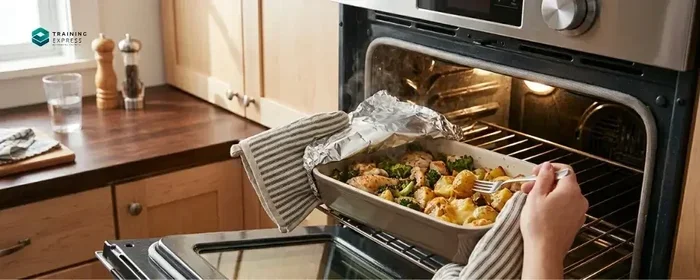
What Temp To Reheat Leftovers In Oven The Easy Way
Knowing what temp to reheat leftovers in oven is the key to safe, delicious meals every time. Most foods reheat best at 325°F to 375°F, depending on the dish type. This guide covers oven temperatures, timing, and simple tricks to keep your leftover food moist, crispy, and full of flavor.
Have you ever tossed leftover pizza or last night’s casserole into the oven, only to pull it out dry, burnt, or still cold in the middle? You are not alone. Reheating leftovers in the oven is one of the most common kitchen tasks, yet so many people get it wrong. The right oven temperature for leftovers can mean the difference between a meal that tastes just as good as the first time and a disappointing, rubbery mess.
This guide walks you through everything you need to know about what temp to reheat leftovers in oven. We will cover the best temperatures for different foods, how long to reheat each dish, and simple tips that make a huge difference. Whether you are warming up pasta, pizza, roasted vegetables, or a full Thanksgiving turkey, you will find the answers here.
The goal is simple: help you reheat food safely, keep it tasting great, and save time in the kitchen. No guesswork. No dry chicken. No soggy fries. Just straightforward advice backed by real kitchen experience.
Key Takeaways
- Best Temperature Range: Most leftovers reheat perfectly between 325°F and 375°F in the oven.
- Low and Slow Wins: Lower temps prevent drying out and keep food texture intact.
- Cover It Up: Using foil or a lid traps moisture and ensures even heating.
- Check Internal Temp: Always verify food reaches 165°F for safe eating.
- Oven vs Microwave: The oven delivers better texture and crispiness than a microwave.
- Rest Time Matters: Let food sit for 5 minutes after reheating for even heat distribution.
- Right Container: Use oven-safe dishes to avoid accidents and improve heating results.
📑 Table of Contents
- Why Reheating in the Oven Beats the Microwave
- The Best Temperature to Reheat Leftovers in Oven
- How Long to Reheat Leftovers in the Oven
- Essential Tips for Perfectly Reheated Leftovers
- Food Safety When Reheating Leftovers
- Reheating Specific Foods: A Quick Reference
- Common Mistakes to Avoid When Reheating Leftovers
- Expert Insights on Reheating Leftovers
- Key Takeaways
- Conclusion
Why Reheating in the Oven Beats the Microwave
Before we dive into temperatures, let us talk about why the oven is the better choice for most leftovers. Many people reach for the microwave because it is fast. But speed comes at a cost. Microwaves heat food unevenly, creating hot spots and cold zones. They also strip moisture away, leaving food rubbery or tough.
The oven works differently. It surrounds food with gentle, even heat. This means your reheated food stays moist on the inside and can even become crispy on the outside. Think about reheating pizza in oven versus the microwave. The oven version has a crisp crust and melted cheese, while the microwave version turns the crust into a sad, chewy disc.
Here are the main reasons to choose the oven for reheating cooked food:
- Even heat distribution: The oven warms food from all sides, not just from the center outward.
- Better texture: Bread, pizza, and fried foods stay crispy or become crispy again.
- Moisture retention: When covered properly, oven reheating keeps food juicy.
- No rubbery surprises: Proteins like chicken and beef maintain their original tenderness.
- Handles large portions: The oven works great for family-sized leftover meals.
That said, the microwave still has its place. It is faster for small portions like a single bowl of soup. But for anything with a crust, coating, or where texture matters, the oven is the clear winner for oven reheating tips that actually work.
The Best Temperature to Reheat Leftovers in Oven
So, what temp to reheat leftovers in oven? The short answer is between 325°F and 375°F. But the full answer depends on what you are reheating. Different foods need different approaches, and using the wrong temperature can ruin a perfectly good meal.
325°F: The Gentle Reheat
This lower temperature is perfect for delicate foods that can dry out quickly. It gives heat time to penetrate evenly without burning the outside before the inside warms up. Use 325°F for:
- Casseroles and baked pasta dishes
- Creamy soups transferred to oven-safe bowls
- Cooked rice and grain bowls
- Leftover fish and seafood
- Egg-based dishes like quiche or frittata
At 325°F, plan for a reheating time of 15 to 25 minutes depending on the portion size. The low and slow approach is your best friend here. It may take a bit longer, but the results are worth it.
350°F: The All-Purpose Reheat
350°F is the workhorse of oven reheating. Most leftovers do well at this temperature. It is hot enough to warm food quickly but gentle enough to avoid drying things out. This is your go-to for:
- Roasted meats like chicken, beef, and pork
- Pizza and flatbreads
- Vegetable sides and roasted potatoes
- Lasagna and baked pasta
- Leftover baked goods like bread rolls
For most dishes at 350°F, 10 to 20 minutes is the sweet spot. Always check that the safe internal temperature reaches 165°F in the thickest part. A simple food thermometer takes the guesswork out of this entirely.
375°F: The Crispy Finish
When you want leftover food that comes out hot and crispy, 375°F is the move. This higher temperature works well for foods with coatings, breading, or that need a crispy edge. Use it for:
- Fried chicken and breaded items
- French fries and potato wedges
- Empanadas and spring rolls
- Pizza with a thick crust
- Tortilla-based dishes like enchiladas
At 375°F, keep a close eye on your food. The higher heat means things can go from perfectly crispy to burnt quickly. A reheating time of 8 to 15 minutes usually does the job. Flip or stir halfway through for even results.
How Long to Reheat Leftovers in the Oven
Temperature and time go hand in hand. Knowing the right oven reheating time for different foods helps you avoid underheating or overcooking. Here is a practical guide to timing based on common leftover categories.
Timing Guide for Common Leftovers
Every dish is different, but these general guidelines cover most situations. Always start checking your food a few minutes before the minimum time.
- Casseroles and baked pasta: 20-30 minutes at 325°F-350°F
- Pizza: 8-12 minutes at 375°F
- Roasted chicken: 15-20 minutes at 350°F
- Roasted vegetables: 10-15 minutes at 350°F
- Cooked rice dishes: 15-20 minutes at 325°F
- Bread and baked goods: 5-10 minutes at 350°F
- Fried or breaded items: 8-15 minutes at 375°F
- Soups and stews: 15-20 minutes at 325°F
- Pulled meat: 15-25 minutes at 325°F
These times assume you are reheating standard portions. Larger, denser pieces of food need more time. Smaller portions warm up faster, so always check early and often.
Factors That Affect Reheating Time
Several things change how long your food needs in the oven. Understanding these helps you adjust your approach every time.
- Portion size: A full pan takes longer than a single serving on a plate.
- Starting temperature: Food straight from the fridge takes longer than food left out for 10 minutes.
- Dish depth: Shallow, spread-out food heats faster than deep, dense portions.
- Oven accuracy: Not all ovens heat evenly. An oven thermometer can help you understand your specific oven.
- Covering: Covered dishes retain heat and warm faster than uncovered ones.
Essential Tips for Perfectly Reheated Leftovers
Temperature and time matter, but the small details make all the difference. These oven reheating tips come from real kitchen experience and will level up your leftovers game immediately.
Always Preheat Your Oven
Never put leftover food into a cold oven. Preheating ensures the food starts warming immediately at the right temperature. Give your oven 10 to 15 minutes to reach the target reheat temperature before sliding your dish inside.
Use the Right Container
Not every dish is oven-safe. Glass, ceramic, and metal pans work great. Avoid plastic containers, which can warp or release harmful chemicals under heat. If you stored food in a plastic container, transfer it to an oven-safe dish before reheating. This is one of the most overlooked food storage tips that affects reheating quality.
Cover Food to Retain Moisture
Dry leftovers are the number one complaint people have. The fix is simple: cover your dish with aluminum foil or an oven-safe lid. This traps steam and keeps food moist. For foods you want crispy, like pizza or fries, leave them uncovered.
Add a Splash of Liquid
For rice, pasta, and grain dishes, adding a tablespoon or two of water or broth before covering and reheating works wonders. The extra moisture creates steam, which gently warms the food without drying it out. This is one of the best-kept leftover food safety and quality secrets.
Stir or Flip Halfway Through
Ovens heat from the outside in, which means edges warm faster than centers. Stirring casseroles, pasta, or soups halfway through ensures even heat distribution. For items like pizza or chicken pieces, flipping them halfway promotes uniform warming and crispiness.
Let Food Rest After Reheating
Once your food reaches the right temperature, take it out and let it sit for 3 to 5 minutes. This resting period allows heat to distribute evenly throughout the dish. It also lets you check the texture before serving. Cutting into hot food immediately can release steam and make the surface soggy.
Food Safety When Reheating Leftovers
Reheating food is not just about taste. It is also about safety. Improperly reheated leftovers can harbor bacteria that cause foodborne illness. Following a few simple rules keeps your leftover food both delicious and safe to eat.
The 165°F Rule
The safe internal temperature for reheated food is 165°F. This applies to all leftovers, whether they are meat, vegetables, grains, or casseroles. Invest in a simple instant-read thermometer. It removes all doubt and takes food safety from guesswork to certainty.
Insert the thermometer into the thickest part of the food. For soups and liquids, stir them first and then measure the center temperature. If the food has not reached 165°F, keep reheating in 2 to 3-minute intervals until it does.
How Long Can You Keep Leftovers?
Even with perfect reheating, food safety starts with proper storage. Follow these guidelines for food prep leftovers:
- Refrigerate leftovers within 2 hours of cooking.
- Store food in shallow, airtight containers for faster cooling.
- Use refrigerated leftovers within 3 to 4 days.
- For longer storage, freeze food in oven-safe containers or freezer bags.
- Thaw frozen leftovers in the fridge overnight before reheating.
If food has been sitting out longer than 2 hours, it is safer to throw it away. Bacteria multiply rapidly at room temperature, and reheating may not destroy all toxins that have formed.
Avoid Reheating Leftovers More Than Once
Each cycle of cooling and reheating increases the risk of bacterial growth. Only reheat what you plan to eat in one sitting. If you have a large batch of leftover food, divide it into smaller portions before storing. This way, you only pull out what you need and reheat it once.
Reheating Specific Foods: A Quick Reference
Different foods need different approaches. Here is a quick breakdown of how to handle the most common leftovers when you are figuring out what temp to reheat leftovers in oven.
Pizza
Pizza is the king of leftovers, and reheating it in the oven is the only way to go. Set your oven to 375°F and place the pizza slice on a baking sheet or directly on the oven rack. Heat for 8 to 12 minutes. The result is a crispy crust, melted cheese, and warmed toppings. No soggy middle, no rubbery cheese.
For extra crispiness, place a sheet of foil on the oven rack below the pizza and set a small pan of water on the bottom rack. The steam from the water helps the crust crisp up while preventing the cheese from over-browning.
Roasted Chicken
Chicken dries out easily when reheated, so go low and slow. Set the oven to 325°F, place the chicken in an oven-safe dish, and add a splash of chicken broth or water. Cover with foil and heat for 15 to 20 minutes. Remove the foil for the last 5 minutes if you want a little crispiness on the skin.
Always check that the internal temperature hits 165°F. Cold spots in chicken are not just unpleasant, they are a food safety risk.
Pasta and Casseroles
Baked pasta and casseroles reheat beautifully in the oven. Cover the dish with foil and warm at 325°F for 20 to 30 minutes. The foil keeps the moisture locked in. For the last 5 to 10 minutes, remove the foil to let the top get slightly golden and crispy.
If the pasta seems dry, sprinkle a little water or sauce over it before covering. This simple step brings back the creamy texture you loved the first time around.
French Fries and Fried Foods
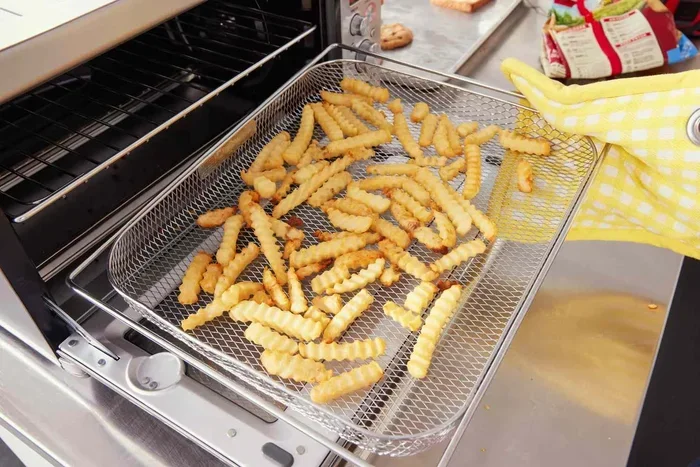
Fried foods deserve the crispy treatment. Preheat the oven to 375°F and spread fries or breaded items on a wire rack over a baking sheet. The wire rack allows air to circulate underneath, which promotes even crispiness. Heat for 8 to 15 minutes, flipping once halfway through.
Avoid stacking fries or fried foods in a pile. Overlapping pieces steam instead of crisp, and you end up with soggy results. A single layer on a rack is the secret to oven-baked leftovers that taste almost as good as fresh.
Bread and Baked Goods
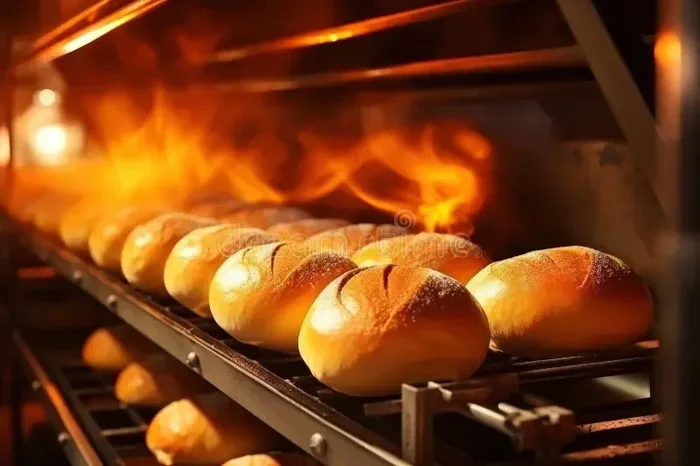
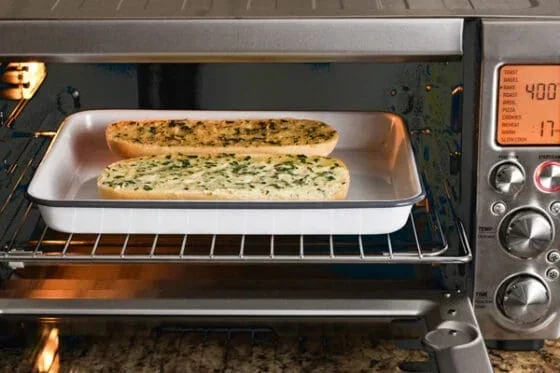
Bread rolls, muffins, and baked goods warm up quickly at 350°F. Wrap them loosely in foil and heat for 5 to 10 minutes. The foil prevents the outside from drying out while the inside warms through. For crusty breads like baguettes, skip the foil and let the dry heat do its work.
For a quick refresh of day-old cookies or pastries, 300°F for 3 to 5 minutes brings back that fresh-from-the-oven feel.
Common Mistakes to Avoid When Reheating Leftovers
Even with the best intentions, people make mistakes that ruin their leftovers. Here are the most common oven reheating errors and how to avoid them.
Using Too High a Temperature
The biggest mistake is cranking the oven up to 400°F or higher to save time. High heat burns the outside while leaving the inside cold. It also dries out food aggressively. Stick to the 325°F to 375°F range and give your food the time it needs.
Skipping the Cover
Leaving food uncovered in the oven causes moisture to escape. The result is dry, tough leftovers. Always cover dishes with foil or a lid unless you specifically want a crispy finish. For foods like pizza and fries, leaving them uncovered is the right call.
Reheating in the Original Container
Not all containers are safe for oven use. Plastic containers can melt or release harmful chemicals. Styrofoam will warp and potentially contaminate your food. Always transfer leftovers to an oven-safe container before reheating.
Overcrowding the Pan
Spreading food out in a single layer allows heat to reach every piece evenly. Crowding the pan creates steam pockets that make food soggy. If you have a large batch, use multiple trays or reheat in two rounds.
Forgetting to Stir or Flip
Ovens have hot spots, and food can heat unevenly if you do not stir or flip it midway. This is especially important for casseroles, soups, and anything in a deep dish. Taking 30 seconds to stir halfway through makes a noticeable difference in results.
Not Using a Thermometer
guessing whether food is hot enough is a food safety risk. A basic instant-read thermometer costs just a few dollars and takes the guesswork out of reheating. Make it a habit to check the internal temperature, especially with meat and poultry.
Expert Insights on Reheating Leftovers
Professional chefs and food safety experts agree on a few principles that make reheat food in oven simple and effective. Here is what the experts have to say about getting the best results every time.
Chef Maria Santos recommends always adding a little moisture back into reheated dishes. “A tablespoon of water, broth, or olive oil can bring a leftover meal back to life,” she says. “It replaces the moisture lost during storage and reheating.”
Food safety expert Dr. James Chen emphasizes the importance of reaching 165°F throughout the dish. “People often think if the outside is hot, the inside must be too,” he explains. “That is not true. A thermometer is the only reliable way to confirm your food is safe to eat.”
Home cooking coach Lisa Torres suggests planning ahead. “Take your leftovers out of the fridge 10 minutes before reheating,” she advises. “Letting them come closer to room temperature reduces the time they spend in the oven, which helps preserve texture and flavor.”
These expert tips reinforce what the best practices show: a little attention and preparation go a long way toward perfectly reheated leftovers that taste almost as good as the first time you made them.
Key Takeaways
- Best Temperature Range: Most leftovers reheat perfectly between 325°F and 375°F in the oven.
- Low and Slow Wins: Lower temps prevent drying out and keep food texture intact.
- Cover It Up: Using foil or a lid traps moisture and ensures even heating.
- Check Internal Temp: Always verify food reaches 165°F for safe eating.
- Oven vs Microwave: The oven delivers better texture and crispiness than a microwave.
- Rest Time Matters: Let food sit for 5 minutes after reheating for even heat distribution.
- Right Container: Use oven-safe dishes to avoid accidents and improve heating results.
Conclusion
Knowing what temp to reheat leftovers in oven is a simple skill that transforms your kitchen routine. Instead of settling for dry, unevenly warmed meals, you can enjoy food that tastes just as good as the first time around. The sweet spot is between 325°F and 375°F, with the exact temperature depending on the type of dish you are reheating.
Remember to preheat your oven, use oven-safe containers, cover your food to retain moisture, and always check that the internal temperature reaches 165°F. These small steps make a massive difference in both safety and flavor.
The oven is your best tool for reheating leftovers when you want great texture, even heating, and delicious results. Whether you are warming up pizza, roasted chicken, pasta, or fried foods, the right temperature and a little patience will serve you well.
Start applying these tips today. Your leftovers will thank you, and you will waste less food while enjoying more meals at home. Happy reheating.
Frequently Asked Questions
Can I reheat leftovers in the oven at 400°F?
You can, but it is not recommended for most foods. 400°F is too high and can burn the outside while leaving the inside cold or dry. Stick to 325°F to 375°F for the best results. The only exception is foods that specifically need a high-heat finish, like crispy pizza or fried items, and even then, keep a close eye on them.
How long should I reheat leftover chicken in the oven?
Reheat leftover chicken at 325°F for 15 to 20 minutes. The exact time depends on the size of the pieces and whether the chicken is covered with foil. Always check that the internal temperature reaches 165°F before serving.
Is it safe to reheat rice in the oven?
Yes, it is safe to reheat rice in the oven as long as it was stored properly in the fridge within 2 hours of cooking. Add a splash of water before reheating at 325°F for 15 to 20 minutes, and cover the dish with foil to trap steam.
Can I use a glass dish to reheat leftovers in the oven?
Yes, most glass dishes are oven-safe, but always check the label or packaging first. Pyrex and tempered glass can handle oven temperatures up to 400°F or higher. Avoid putting cold glass dishes directly into a hot oven, as the sudden temperature change can cause them to crack.
Why does my food come out dry when I reheat it in the oven?
Dry food usually means it was left uncovered for too long or the temperature was too high. To prevent this, cover your dish with foil, add a splash of liquid like water or broth, and use a moderate temperature between 325°F and 350°F. These simple steps lock in moisture during the reheating process.
Can I reheat leftovers more than once in the oven?
You should avoid reheating leftovers more than once. Each cycle of cooling and reheating increases the risk of bacterial growth. Only reheat what you plan to eat in one sitting, and store the rest properly in the fridge or freezer right away.