Can Command Performance Cookware Go In The Oven Safely
Can Command Performance Cookware Go In The Oven? The short answer is yes, but with important caveats. Command Performance cookware is designed with oven-safe capabilities, yet the maximum temperature depends on the specific line, handle type, and coating material. Knowing your pan’s limits helps you cook safely and extends the life of your kitchen tools. In this guide, we break down everything you need to know about oven safe cookware and how to use your Command Performance pieces with confidence.
You just pulled out your favorite Command Performance pan. The recipe calls for a quick finish under the broiler or a slow bake in the oven. But then the question hits you. Can Command Performance Cookware Go In The Oven? It is a simple question, but the answer is not always straightforward. Different cookware lines have different limits. Handle materials matter. Coatings matter. And using the wrong pan in a hot oven can ruin dinner or even damage your kitchen.
This guide covers everything you need to know. We will walk through temperature limits, handle types, coating safety, and practical tips. By the end, you will feel confident putting your Command Performance cookware in the oven. No guesswork. No stress. Just clear, helpful information you can use every day.
Let us start with the basics. Understanding what makes cookware oven safe is the first step. Not all pans are created equal. Some handle high heat like champions. Others need more care. The same goes for Command Performance cookware. Knowing your specific pieces is the key to using them safely and getting the most out of your investment.
Key Takeaways
- Most Command Performance cookware is oven safe up to specific temperature limits that vary by product line.
- Check the handle material because plastic or silicone knobs may not withstand high heat.
- Nonstick coatings have heat limits and can degrade if exposed to temperatures beyond their rating.
- Thermal shock is a real risk so never move a hot pan directly into cold water.
- Stainless steel and cast iron Command Performance pieces generally handle higher oven temperatures than nonstick versions.
- Always refer to the manufacturer’s guide for the exact oven safe temperature of your specific cookware.
- Using oven mitts and gradual heating keeps both you and your cookware safe.
📑 Table of Contents
- Understanding Command Performance Cookware
- Can Command Performance Cookware Go In The Oven?
- Handle Materials and Their Heat Tolerance
- Common Mistakes People Make With Oven Safe Cookware
- How to Care for Your Command Performance Cookware
- Comparing Command Performance Cookware With Other Oven Safe Brands
- Expert Tips for Using Command Performance Cookware in the Oven
- Key Takeaways
- Conclusion
Understanding Command Performance Cookware
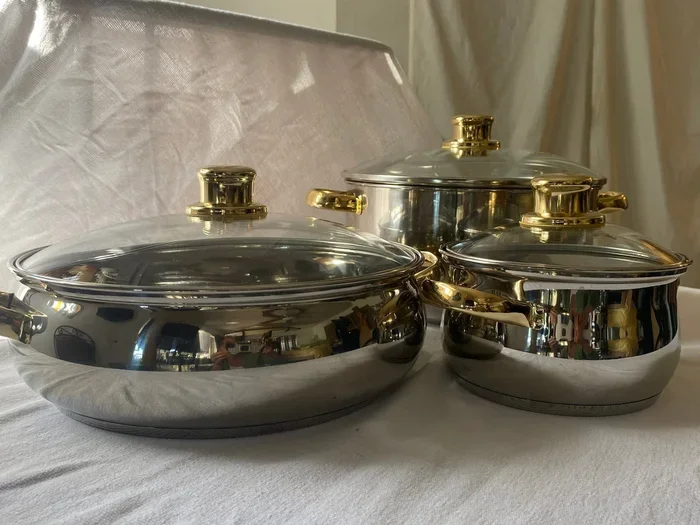
Command Performance cookware is a well-known brand that offers a range of kitchen tools. From frying pans to saucepans, their products are built for everyday cooking. The brand focuses on durability and performance. Many home cooks trust these pans for everything from searing steaks to simmering sauces.
But what makes this cookware stand out? The construction matters. Command Performance uses a blend of materials designed to distribute heat evenly. This means fewer hot spots and more consistent cooking results. The pans often feature a nonstick coating that makes cooking and cleaning easier. They also come in different finishes and styles to fit any kitchen.
What Makes Cookware Oven Safe?
Not every pan can handle the heat of an oven. Oven safety depends on several factors. The material of the pan body plays a big role. The handle construction is just as important. And the coating or finish determines the maximum temperature. Let us break these down one by one.
Material matters a lot. Stainless steel, cast iron, and aluminum are generally oven safe at high temperatures. Nonstick coatings, on the other hand, have lower heat limits. Most nonstick coatings start to break down above 500 degrees Fahrenheit. This is a crucial detail to keep in mind. If you are wondering about oven safe cookware, always check what your pan is made of.
Handle material is the next big factor. Many pans come with metal handles that tolerate high heat. But some have silicone, Bakelite, or plastic knobs. These materials can melt or release harmful fumes at high temperatures. Always check the handle before placing any pan in a hot oven.
Can Command Performance Cookware Go In The Oven?
The direct answer is yes, Command Performance cookware can go in the oven, but only within certain limits. The brand designs many of its pieces to be versatile. You can use them on the stovetop and then transfer them to the oven for finishing. This is especially useful for dishes like stovetop-to-oven casseroles or seared meats that need a slow roast.
However, the exact temperature limit varies. It depends on the specific product line and the materials used. Some Command Performance pans are rated for up to 500 degrees Fahrenheit. Others may have lower limits. Always check the bottom of the pan or the product packaging for the oven safe rating. When in doubt, contact the manufacturer directly.
Temperature Limits for Command Performance Pans
Temperature limits are not one size fits all. Here is a general breakdown of what to expect from different types of Command Performance cookware:
- Nonstick Command Performance pans: Usually safe up to 400 to 500 degrees Fahrenheit. The nonstick coating is the limiting factor here.
- Stainless steel Command Performance pieces: Can often handle 500 degrees Fahrenheit or more. Stainless steel is naturally heat resistant.
- Pans with silicone or plastic handles: May have lower limits around 350 to 400 degrees Fahrenheit. The handle material restricts the max temperature.
- Cast iron Command Performance cookware: Can handle very high temperatures, often 500 degrees Fahrenheit and above.
These numbers are general guidelines. Always verify with the specific product you own. Using a pan beyond its rated temperature can damage the coating and void the warranty.
The Role of Nonstick Coatings in Oven Safety
Nonstick coatings are a huge reason many people buy Command Performance cookware. They make cooking easier and cleanup a breeze. But these coatings have limits when it comes to heat. Most standard nonstick coatings begin to break down at temperatures above 500 degrees Fahrenheit. This is a critical point to understand.
When a nonstick coating overheats, it can release fumes that are harmful to humans and pets. The coating itself can also peel or flake, ruining the pan. This is why knowing the heat resistant limits of your nonstick cookware is so important.
If you plan to use your Command Performance pan at high temperatures, consider these tips:
- Never preheat an empty nonstick pan in the oven.
- Use lower oven temperatures when cooking with nonstick pans.
- Avoid the broiler setting with nonstick Command Performance pieces.
- Replace any pan with a scratched or peeling nonstick surface.
Handle Materials and Their Heat Tolerance
The handle might seem like a small detail, but it is one of the most important factors in oven safety. A pan with a heat-resistant handle opens up more cooking possibilities. A pan with a heat-sensitive handle limits what you can do. Let us look at the common handle materials found on Command Performance cookware.
Metal Handles
Metal handles are the most oven-friendly option. They can handle high temperatures without melting or warping. Many Command Performance pans feature stainless steel or cast iron handles. These handles are built to last and can go from stovetop to oven with ease. If your pan has a metal handle, you are in good shape for most oven tasks.
Silicone and Plastic Handles
Some Command Performance cookware features silicone or plastic knobs on the handle. These materials are comfortable to grip. They stay cool on the stovetop, which is a nice benefit. However, they do not tolerate high heat well. Silicone can typically handle up to 400 to 450 degrees Fahrenheit. Plastic knobs may have even lower limits. Always check the manufacturer’s guidance before placing a pan with these handles in a hot oven.
Removable Handles
A few cookware lines offer removable handles. This design is clever because it lets you use the same pan on the stovetop and in the oven. You simply remove the handle before placing the pan in the oven. If your Command Performance pieces have removable handles, this gives you more flexibility. Just make sure the handle is fully removed and stored safely before cooking.
Common Mistakes People Make With Oven Safe Cookware
Even experienced cooks make mistakes when it comes to oven safe cookware. These errors can damage your pans or create safety hazards. Here are the most common ones to avoid.
Ignoring the Temperature Rating
This is the number one mistake. Every piece of cookware has a maximum temperature rating. Ignoring it can lead to warping, coating damage, or even fire. Always check the rating before placing any pan in the oven. If you cannot find the rating, look it up online or contact the manufacturer.
Thermal Shock
Thermal shock happens when a hot pan meets a cold surface or cold water. This sudden temperature change can warp the pan or crack the coating. Never rinse a hot Command Performance pan under cold water. Let it cool down gradually on a trivet or towel instead. This simple habit can extend the life of your cookware significantly.
Using the Wrong Lid
Not all lids are oven safe. Glass lids can handle moderate heat but may crack under high temperatures. Plastic knobs on lids will melt in a hot oven. Always check that your lid is rated for oven use before covering a pan inside the oven. Using the wrong lid can ruin both the lid and the food.
Overheating Empty Pans
Never preheat an empty nonstick pan in the oven. This causes the coating to overheat quickly and can release toxic fumes. Always add food or liquid before heating an empty pan. This keeps the temperature controlled and protects the coating.
How to Care for Your Command Performance Cookware
Proper care keeps your Command Performance cookware performing at its best. A well-maintained pan lasts longer and cooks better. Here are some practical tips to follow.
Cleaning Tips
- Wash your pans by hand with warm water and mild dish soap.
- Avoid abrasive scrubbers that can scratch the nonstick surface.
- Let pans cool before washing them. Never immerse a hot pan in cold water.
- Dry pans thoroughly after washing to prevent spotting or rust.
Storage Tips
- Store pans carefully to avoid scratching. Hang them or stack them with protective pads.
- Keep pans away from damp areas that can cause rust.
- Do not nest pans tightly together without protection.
Cooking Tips for Longevity
- Use wooden or silicone utensils to protect the nonstick surface.
- Avoid metal utensils that can scratch the coating.
- Cook on medium to low heat when possible. High heat is not always necessary and can damage the coating over time.
- Preheat pans gradually to prevent warping.
Comparing Command Performance Cookware With Other Oven Safe Brands
How does Command Performance cookware stack up against other popular brands? Here is a quick comparison to give you a clearer picture.
| Brand | Oven Safe Max Temp | Handle Material | Nonstick Coating |
|---|---|---|---|
| Command Performance | Up to 500F (varies) | Metal, silicone, or Bakelite | Yes on most models |
| T-fal | Up to 500F | Silicone, stainless steel | Yes |
| Calphalon | Up to 450F | Stainless steel | Yes on most models |
| Lodge Cast Iron | Up to 500F+ | Cast iron | No (seasoned) |
| All-Clad | Up to 600F | Stainless steel | No |
As you can see, Command Performance cookware holds its own against other popular brands. The temperature limits are competitive, and the range of handle options gives you flexibility. The key is to always check the specific product before using it in the oven.
Expert Tips for Using Command Performance Cookware in the Oven
Here are some practical tips from experienced cooks and kitchen professionals. These tips will help you get the best results from your Command Performance pans.
- Start with a cool oven. Place your pan in a cold oven and let it heat up gradually. This prevents warping and protects the coating.
- Use oven mitts. Even metal handles can get hot in the oven. Always use a thick oven mitt when removing your pan.
- Check for loose parts. Make sure any removable handles or knobs are secure before placing the pan in the oven.
- Avoid the broiler. The direct, intense heat from the broiler can damage nonstick coatings. Use the main oven cavity instead.
- Let the pan cool naturally. Do not place a hot pan on a cold countertop. Use a trivet or heat-safe surface.
- Read the manual. Every Command Performance product comes with a guide. Spend a few minutes reading it. It will save you time and money in the long run.
Key Takeaways
- Command Performance cookware is generally oven safe but check the specific temperature rating for each piece.
- Nonstick coatings have lower heat limits than stainless steel or cast iron, so use lower oven temperatures with nonstick pans.
- Handle material determines the upper limit of oven safety for most Command Performance pans.
- Thermal shock can warp or crack your pan so always let pans cool gradually.
- Proper care and storage extend the life of your Command Performance cookware significantly.
- When in doubt, check the manufacturer’s guidelines for the exact oven safe temperature.
Conclusion
So, can Command Performance Cookware Go In The Oven? Yes, it can. Command Performance cookware is designed with versatility in mind. Most pieces handle oven temperatures well, as long as you stay within the recommended limits. The key is to know your specific pan. Check the material, the handle type, and the nonstick coating before you slide it into a hot oven.
Taking care of your cookware pays off. You get better cooking results, longer pan life, and safer kitchen experiences. Follow the tips in this guide, and your Command Performance pans will serve you well for years to come. Treat them right, and they will treat your meals right too.
The bottom line is simple. Oven safe cookware opens up a world of cooking possibilities. You can sear on the stovetop and finish in the oven. You can go from a quick sauté to a slow roast without dirtying extra dishes. Command Performance makes this easy, as long as you use your pans within their limits. Trust the process, follow the guidelines, and enjoy every meal you create.
Frequently Asked Questions
What is the maximum oven temperature for Command Performance cookware?
Most Command Performance pans are rated for up to 500 degrees Fahrenheit, but this varies by product line and handle material. Always check the bottom of the pan or the product manual for the exact rating. Using a pan beyond its rated temperature can damage the coating and void the warranty.
Can I put a Command Performance nonstick pan under the broiler?
It is best to avoid the broiler with nonstick Command Performance pans. The intense direct heat can damage the nonstick coating and release harmful fumes. If you need a broiler-safe pan, look for stainless steel or cast iron Command Performance pieces instead.
Are all Command Performance handles oven safe?
No, not all handles are oven safe. Metal handles generally handle high heat well. However, silicone, plastic, or Bakelite knobs may have lower temperature limits. Always check the handle material and the manufacturer’s guidance before placing a pan in the oven.
How can I tell if my Command Performance pan is oven safe?
Look for an oven safe symbol on the bottom of the pan or check the product packaging. You can also visit the Command Performance website or contact customer service. They can confirm the oven safe rating for your specific model.
What should I do if my Command Performance pan gets warped in the oven?
Warping usually happens when a pan is exposed to sudden temperature changes or exceeds its heat limit. A warped pan will not sit flat on the stovetop, which affects cooking performance. If your pan warps, stop using it on the stovetop and consider replacing it for safety and cooking quality.
Can I use Command Performance cookware in a convection oven?
Yes, most Command Performance cookware is safe to use in a convection oven. The circulating hot air cooks food evenly and works well with these pans. Just make sure you stay within the maximum temperature rating for your specific pan, and avoid using it with the broiler element.