How Hot Is The Broil Setting On An Oven Temperatures
The broil setting on an oven typically reaches temperatures between 500°F and 550°F, making it one of the hottest settings available. This intense heat comes from the upper broiler element and is designed for quick, direct cooking. Whether you are searing a steak or browning a casserole, understanding your broil temperature is essential for great results.
When you look at your oven dial or control panel, you probably see a broil setting. But have you ever wondered how hot is the broil setting on an oven really? Many home cooks use this setting without truly understanding what it does or how hot it gets. The truth is, the broil setting is one of the most powerful tools in your kitchen. It uses direct, intense heat from above to cook food quickly and create a delicious golden crust.
Understanding your oven broil temperature can change the way you cook. Whether you are searing a juicy steak, browning a cheesy casserole, or crisping up vegetables, knowing the right heat level makes all the difference. In this guide, we will break down everything you need to know about broil setting temperatures, how they compare to other oven settings, and how to use them safely and effectively.
Key Takeaways
- Broil setting reaches 500°F to 550°F: Most ovens use the upper heating element to generate intense direct heat for fast cooking.
- Low broil and high broil are common settings: Low broil sits around 450°F while high broil hits the maximum range near 550°F.
- Broiling is different from baking: Baking uses surround heat while broiling uses top-down radiant heat for a crispy finish.
- Placement matters a lot: Keep food 3 to 6 inches from the broiler element for the best browning results.
- Safety is critical: Always preheat the broiler and use oven-safe pans rated for temperatures above 500°F.
- You can broil many foods: From steak and chicken to vegetables and casseroles, the broil function works for a wide range of dishes.
- Watch your food closely: Broiling is fast and can burn food in seconds if you are not paying attention.
📑 Table of Contents
What Is the Broil Setting on an Oven?
The broil setting uses the upper heating element inside your oven to produce high, direct heat. Unlike baking, which surrounds food with even heat from all sides, broiling focuses heat on the top surface of your food. This creates a crispy, caramelized exterior while keeping the inside moist and tender.
How Does the Broiler Element Work?
Most ovens have a dedicated broiler element located at the top of the oven cavity. When you select the broil setting, this element heats up to its maximum temperature. The heat radiates downward onto your food, similar to how a grill works. Some modern ovens also offer convection broil, which adds a fan to circulate the hot air for more even cooking.
The upper heating element can reach extremely high temperatures very quickly. This is why broiling is perfect for foods that need a fast, intense burst of heat. It is also why you need to watch your food closely when using this setting.
Broil vs Bake: What Is the Difference?
Many people confuse broiling with baking, but they are very different cooking methods. Here is a simple breakdown:
- Baking uses indirect heat from elements on the top and bottom. The temperature is lower and more even. It is great for bread, cakes, and cookies.
- Broiling uses direct heat from the top element only. The temperature is much higher. It is ideal for searing, browning, and finishing dishes.
- Roasting typically uses both top and bottom elements at moderate temperatures for longer cooking times.
Think of it this way. Baking is like taking a gentle, all-around warm bath. Broiling is like standing in front of a hot campfire. Both warm you up, but one is much more intense.
How Hot Is the Broil Setting on an Oven?
The broil setting temperature varies depending on your oven model, but most standard ovens broil at around 500°F to 550°F. Some ovens may go as low as 450°F on a low broil setting or as high as 550°F on high broil.
Low Broil vs High Broil
Many ovens offer two broil settings. Here is what you need to know about each:
- Low broil: Typically around 450°F to 475°F. This setting works well for thinner foods or when you want more control over browning.
- High broil: Usually between 500°F and 550°F. This is the maximum heat and is best for thick cuts of meat or quick searing.
If you are not sure what your oven reaches, check the owner’s manual. You can also use an oven thermometer to verify the actual temperature inside your oven. Not all ovens display the exact broil temperature accurately, so a separate thermometer can be very helpful.
What Temperature Does an Oven Broil At?
To give you a clearer picture, here is a general breakdown of common oven temperature settings for broiling:
- Low broil: 450°F – 475°F
- Standard broil: 500°F – 525°F
- High broil: 525°F – 550°F
Keep in mind that these are general ranges. Your specific oven may vary. Gas ovens and electric ovens can also differ in how they distribute broil heat.
How to Use the Broil Setting Safely and Effectively
Broiling is simple, but it does require some attention. Here are the best practices for getting great results every time.
Prepare Your Food Properly
Before you turn on the broil setting, make sure your food is ready. Pat meat dry with a paper towel. This helps create a better sear. Season your food generously with salt, pepper, or your favorite spices. Lightly oil the surface of the food to promote browning and prevent sticking.
Position the Rack Correctly
Placement is key when broiling food. Most recipes recommend placing the oven rack 3 to 6 inches below the upper heating element. If the rack is too far away, your food will cook slowly and may dry out. If it is too close, the food can burn quickly.
For thicker foods like steaks, you may want to start with the rack a bit farther away and then move it closer for the final sear. This gives you more control over the cooking process and helps you avoid burning.
Preheat the Broiler
Always preheat your oven on the broil setting for at least 5 minutes. This allows the broiler element to reach its full broil temperature before your food goes in. A hot broiler ensures an immediate sear, which locks in juices and creates that beautiful golden-brown crust.
Use the Right Pan
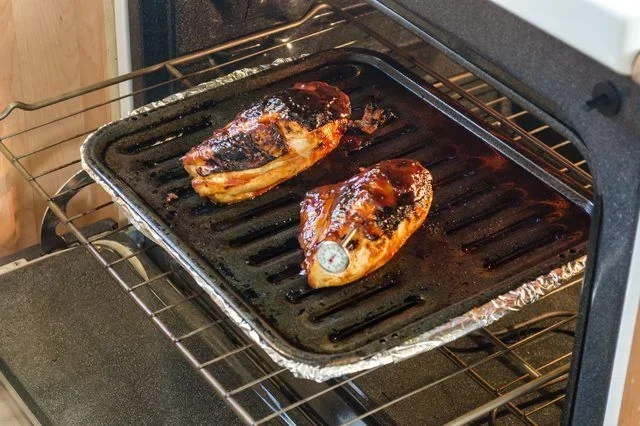
Not all pans are safe for broiling. Use oven-safe pans made of metal, cast iron, or stainless steel. Avoid non-stick pans with plastic handles, as the high heat can damage them. A simple sheet pan or cast iron skillet works great for most broiling tasks.
Quick Tip: Line your pan with aluminum foil for easy cleanup. Just make sure the foil does not touch the broiler element directly, as it can melt or cause a fire hazard.
Watch Your Food Closely
Broiling is fast. Unlike baking, where you can set a timer and walk away, broiling requires constant attention. Food can go from perfectly browned to burnt in under a minute. Keep the oven door slightly ajar if your oven allows it so you can monitor the cooking process and prevent smoke buildup.
Common Mistakes When Broiling and How to Avoid Them
Even experienced cooks sometimes make mistakes with the broil setting. Here are the most common ones to avoid:
Using the Wrong Pan
This is the number one mistake people make. Using a plastic-handled pan, a glass dish, or a pan with a non-stick coating not meant for high heat can be dangerous. The intense broil setting temperature can warp or shatter unsafe materials. Always choose a pan rated for temperatures above 500°F.
Not Preheating the Broiler
Skipping the preheat step means your food starts cooking slowly instead of getting an immediate sear. This can lead to uneven cooking and a soggy exterior instead of a crispy one. Always give your oven at least 5 minutes on the broil setting before adding food.
Placing Food Too Far from the Element
If your rack is too low, the heat will not reach your food effectively. The result is slow, uneven cooking that roasts the food instead of broiling it. Move the rack closer to the top element for better results and a more intense sear.
Overcrowding the Pan
Overcrowding blocks heat circulation and leads to steaming instead of broiling. Give each piece of food enough space so the heat can reach all sides evenly. This is especially important when broiling vegetables or cooking multiple pieces of chicken at once.
Walking Away from the Oven
Because broiling uses such high heat, food can burn in seconds. Never leave the oven unattended while broiling. Stay nearby and check your food frequently. Set a timer for every 2 to 3 minutes as a reminder to check on your dish.
Broiling vs Grilling and Types of Ovens
Many people use the terms broiling and grilling interchangeably, but there is a key difference. Broiling vs grilling comes down to where the heat source is located. Grilling uses heat from below, typically from charcoal, gas flames, or electric elements under a grill grate. Broiling uses heat from above, coming from the upper element inside your oven. Both methods use direct, intense heat to cook food quickly and create a charred, flavorful crust.
So if you do not have access to an outdoor grill, your oven’s broil setting is the next best thing. You can achieve similar results with a crispy, caramelized finish on steaks, burgers, and vegetables.
Not all ovens broil the same way either. The type of oven you have can affect how hot the broil setting gets and how evenly it distributes heat.
Electric Ovens
Most electric ovens have a dedicated broiler element at the top. They typically reach high broil temperatures of 500°F to 550°F. Electric ovens tend to provide more consistent heat, making them great for even broiling across the entire pan.
Gas Ovens
Gas ovens often have a broiler drawer at the bottom. Some models use a top broiler element as well. Gas broilers can heat up very quickly, but the temperature may fluctuate more than in electric ovens. Using an oven thermometer can help you monitor the actual broil temperature in a gas oven.
Convection Ovens
Convection ovens have a fan that circulates hot air. When using the convection broil setting, the fan helps distribute heat more evenly. This can reduce hot spots and cook food more uniformly. However, some chefs prefer the traditional broil setting without convection for a more intense, direct sear on thick cuts of meat.
Toaster Ovens
Some countertop toaster ovens also have a broil function. These typically reach temperatures of 450°F to 500°F. They are great for small batches of food like individual steaks, salmon fillets, or open-faced sandwiches. A toaster oven is a convenient option when you do not want to heat up a full-size oven.
| Oven Type | Typical Broil Temp Range | Best For |
|---|---|---|
| Electric Oven | 500°F – 550°F | Even, consistent broiling |
| Gas Oven | 475°F – 525°F | Quick heating, charred flavor |
| Convection Oven | 500°F – 550°F | Even browning with fan assist |
| Toaster Oven | 450°F – 500°F | Small portions, quick meals |
As you can see, the broil setting temperature varies by oven type. Always check your specific model’s manual for the most accurate information about your oven’s broil function.
Expert Tips for Perfect Broiling Results
Expert Insight: Professional chefs often use the broil setting as a finishing technique. They will bake or sous vide food first and then use the broiler to add a final layer of color and texture. This method gives you more control and reduces the risk of burning. It is a great way to get the best of both worlds.
Here are some additional tips from experienced cooks:
- Cut food into even sizes: Uniform pieces cook at the same rate and prevent some from burning while others stay underdone.
- Use a wire rack: Placing food on a wire rack set over a sheet pan allows heat to circulate underneath, promoting even browning on both sides.
- Flip halfway through: For thicker items, flip your food midway through cooking to brown both sides evenly and achieve a consistent crust.
- Let food rest after broiling: Just like with grilling or baking, letting meat rest for a few minutes helps the juices redistribute for a more tender result.
- Clean the broiler pan regularly: Built-up grease and food residue can cause smoke and affect the taste of your food. Clean it after every few uses.
These simple broiling tips can make a big difference in your results. They apply whether you are broiling steak, chicken, fish, or vegetables.
Final Thoughts
The broil setting on an oven is a powerful and versatile cooking tool. With temperatures ranging from 450°F on low broil to 550°F on high broil, it provides the intense, direct heat needed for searing, browning, and finishing a wide variety of dishes. Understanding your broil setting temperature and how to use it safely will help you get the best results every time.
Remember the key points we covered. Always preheat your broiler. Use the right pan and position the rack correctly. Watch your food closely and avoid common mistakes like overcrowding or walking away. With a little practice, you will become confident using the broil function and impress everyone with your perfectly cooked meals.
Now that you know exactly how hot is the broil setting on an oven, it is time to put that knowledge to work. Fire up your oven, grab your favorite ingredients, and start broiling. Your taste buds will thank you!
Frequently Asked Questions
What temperature does an oven broil at?
Most ovens broil at temperatures between 500°F and 550°F on the high broil setting. Low broil settings typically range from 450°F to 475°F. The exact temperature can vary depending on your oven model and type, so it is always a good idea to check your owner’s manual or use an oven thermometer to verify the actual broil temperature.
Can you use a glass dish in the broiler?
Most glass dishes are not safe for broiling because they cannot handle the intense direct heat from the broiler element. The sudden, extreme heat can cause the glass to shatter or crack. Always use oven-safe metal, cast iron, or stainless steel pans when using the broil setting on your oven.
How long should you broil steak?
A 1-inch thick steak typically takes 6 to 8 minutes per side on high broil at 500°F to 550°F. Thicker steaks may need longer, while thinner cuts will cook faster. Always flip the steak halfway through and use a meat thermometer to check for your desired level of doneness.
Is broiling the same as grilling?
Broiling and grilling are similar but not the same. The main difference is the heat source direction. Broiling uses heat from above in your oven, while grilling uses heat from below on an outdoor grill. Both methods use direct, intense heat to cook food quickly and create a charred, flavorful crust on your food.
Why does my oven smoke when I use the broil setting?
Smoking during broiling is usually caused by excess grease or food residue on the broiler pan. It can also happen if food is placed too close to the upper heating element or if the oven is not preheated properly. To reduce smoke, line your pan with foil, keep the oven door slightly ajar, and make sure your food is dry before placing it under the broiler element.
What is convection broil?
Convection broil combines the intense heat of the upper broiler element with a fan that circulates hot air throughout the oven. This helps cook food more evenly and reduces hot spots. Not all ovens have this feature, but it is a great option if you want more consistent broiling results without flipping your food as often.