How To Keep Things Warm In Oven Without Losing Heat
Learning how to keep things warm in oven without losing heat is essential for any home cook. Whether you are preparing a big family dinner or hosting a holiday gathering, holding food at the right temperature makes a huge difference. This guide covers the best oven settings, common mistakes, and expert-backed techniques that actually work. You will walk away with practical steps you can use right away.
There is nothing worse than spending hours cooking a meal only to watch it cool down before everyone sits at the table. Whether you are roasting a Sunday chicken or keeping a dozen dinner rolls warm for guests, how to keep things warm in oven without losing heat is a skill every home cook needs. The good news is that it is simpler than most people think.
Your oven is one of the most useful tools in the kitchen for holding food at a safe and delicious temperature. But not all methods are created equal. Some techniques waste energy, while others keep your dishes perfectly warm for hours. In this guide, we will walk you through everything you need to know about keeping food warm in oven the right way. You will learn the best temperature settings, the common mistakes that cause heat loss, and expert tips that make a real difference.
By the end of this article, you will feel confident using your oven for more than just cooking. You will know exactly how to retain warmth in oven settings, which tools help, and how to serve hot meals every single time. Let us dive in.
Key Takeaways
- Use the warm setting or low temperature (170-200°F): this is the safest and most effective way to keep food warm without overcooking.
- Cover dishes with foil or oven-safe lids: trapping steam and heat inside keeps meals warm significantly longer.
- Avoid opening the oven door frequently: every peek lets out valuable warmth and forces the oven to work harder.
- Use thermal baking stones or Dutch ovens: these tools store heat and release it slowly, keeping food warm for extended periods.
- Preheat properly and plan your timing: a well-preheated oven holds warmth more evenly and consistently.
- Know your food holding temperature: keeping dishes above 140°F ensures safety and quality throughout your meal.
- Avoid overcrowding the oven: proper air circulation is key to even heat distribution and warmth retention.
📑 Table of Contents
How Ovens Retain Heat And Why It Matters
Before we get into specific techniques, it helps to understand how your oven works. Ovens are designed to trap heat inside a sealed chamber. The insulation, door seals, and heating elements all work together to maintain a steady temperature. But heat can escape if you are not careful.
When you keep food warm in oven, you are essentially using the oven as a holding space. The goal is to maintain a low, steady warmth without cooking the food further. This is where many people run into trouble. They set the temperature too high, leave the door open, or forget about timing.
The Role of Oven Insulation
Most modern ovens have decent insulation. The walls, floor, and ceiling of the oven cavity trap heat and bounce it around. This is called residual oven heat. Even after you turn off the oven, the walls continue radiating warmth for a while. Smart cooks use this to their advantage.
The door seal, also called the gasket, is another important part. If your seal is worn or damaged, warm air escapes and cold air enters. This is one of the biggest reasons people lose heat when they try to keep things warm in oven. A simple check of your seal can make a big improvement.
Understanding Your Oven’s Warm Setting
Many ovens come with a dedicated warm setting. This is usually set between 170°F and 200°F (about 75°C to 95°C). The warm setting uses low, consistent heat to keep food at a safe holding temperature. It is perfect for oven warm and hold situations where you need dishes ready when your guests arrive.
If your oven does not have a warm setting, you can manually set it to the lowest temperature. Most ovens go as low as 170°F. That is still ideal for keeping dishes warm without risking dryness or overcooking.
Best Temperature Settings For Keeping Food Warm
Choosing the right temperature is the single most important step in how to keep things warm in oven effectively. Too hot, and your food dries out or overcooks. Too low, and it cools down before serving. Here is what you need to know.
Ideal Temperatures For Different Foods
Not all foods need the same temperature to stay warm. Different dishes respond better to different heat levels. Here is a quick guide:
- Cooked meats (chicken, roast, pork): 170°F to 200°F. This range keeps meat warm and juicy without drying it out.
- Baked goods (bread, rolls, pastries): 170°F to 180°F. Lower heat prevents the crust from getting hard.
- Casseroles and baked pasta: 180°F to 200°F. These dishes hold heat well and need a bit more warmth.
- Vegetables: 170°F to 190°F. Vegetables can turn mushy if the heat is too high.
- Ready-to-serve side dishes: 150°F to 170°F. A gentle warmth is enough for already-cooked sides.
Low Temperature Oven: Your Best Friend
A low temperature oven is the secret weapon for food warming. When you set your oven to 170°F or below, you create a gentle environment that holds warmth without cooking. This is the foundation of oven warming techniques that professional kitchens use every day.
The beauty of a low setting is that it gives you a wide window of time. You can prepare dishes hours ahead and still serve them at the right temperature. This is especially helpful during holidays or dinner parties when timing can get tricky.
Step-By-Step Guide To Keeping Things Warm In Oven
Now that you understand the basics, let us walk through the actual process. Following these steps will help you retain heat in oven and serve warm meals every time.
Step 1: Preheat To The Right Temperature
Always preheat your oven before placing food inside for warming. A preheated oven warm setting ensures even heat from the start. Wait at least 10 to 15 minutes after the oven reaches the target temperature before adding your dishes.
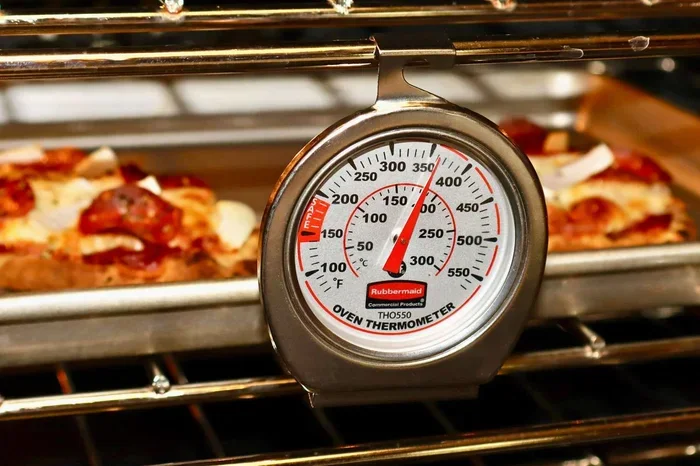
Use an oven thermometer if you are unsure about accuracy. Many ovens run hotter or cooler than their dial suggests. An inexpensive thermometer takes the guesswork out of the equation.
Step 2: Choose The Right Containers
The dish or container you use matters more than you might think. Oven-safe glass, ceramic, and metal all work well. Avoid plastic or anything not rated for oven use.
For best results, use shallow, wide containers rather than deep, narrow ones. Shallow dishes expose more surface area to the heat, which helps food stay warm evenly. This is one of the simplest food warming techniques that many people overlook.
Step 3: Cover Dishes With Foil Or Lids
Covering your food is one of the most effective ways to keep things warm in oven without losing heat. Aluminum foil traps steam and reflects heat back onto the food. Oven-safe lids work even better because they create a tighter seal.
For meats, tent the foil loosely so it does not touch the surface. This prevents steaming, which can make the crust soggy. For casseroles and baked dishes, a tight cover keeps everything moist and warm.
Step 4: Minimize Door Opening
Every time you open the oven door, you lose a significant amount of heat. It takes the oven several minutes to recover the lost warmth. During that time, your food is cooling down.
Set a timer and check on your food only when needed. Use the oven light to peek inside without opening the door. This simple habit is one of the best oven heat loss prevention methods you can adopt.
Step 5: Use A Baking Stone Or Dutch Oven
Baking stones and Dutch ovens are excellent for warmth retention in oven cooking. These tools absorb heat and release it slowly. Placing a baking stone on the oven rack before adding your dishes creates a steady heat source.
Dutch ovens work especially well for soups, stews, and braised dishes. The heavy lid traps moisture and heat, creating a self-warming environment. This is one of the most reliable methods for keeping food warm in oven for extended periods.
Step 6: Plan Your Timing
Good timing is the final piece of the puzzle. Most dishes stay warm for about 20 to 30 minutes in a preheated oven set to 170°F. If you need to hold food longer, lower the temperature slightly and check periodically.
For large meals, warm dishes in batches. Start with the dishes that need the most time and add others as needed. This keeps everything at the right temperature without overcooking anything.
Common Mistakes That Cause Heat Loss
Even experienced cooks make mistakes that waste heat. Avoiding these errors will help you keep things warm in oven without losing heat more effectively.
Opening The Door Too Often
This is the number one mistake. Every door opening releases a burst of warm air. It can drop the oven temperature by 25°F or more in seconds. Resist the urge to check on your food too frequently. Trust your timer and use the oven light instead.
Overcrowding The Oven
Stuffing too many dishes into the oven blocks airflow. Hot air needs to circulate around each dish to keep it warm evenly. Overcrowding creates cold spots and uneven warming.
Leave at least a few inches of space between dishes. If you need to warm more items than fit at once, use a second oven or warm in batches.
Using The Wrong Temperature
Setting the oven too high is a common error. Many people think that higher heat means faster warming. In reality, it just dries out the food and wastes energy. Stick to the low range of 170°F to 200°F for safe and effective warming.
Forgetting To Cover Food
Uncovered food loses moisture and heat quickly. The surface dries out while the inside cools. Always cover dishes with foil or a lid unless you want a crispy top, in which case remove the cover for the last few minutes.
Expert Tips For Maximum Heat Retention
Professional chefs and home cooking experts use a few extra tricks that take oven warming techniques to the next level. Here are some of the best tips we have gathered.
Preheat With A Baking Stone
Place a baking stone or pizza stone on the middle rack while the oven preheats. The stone absorbs heat and acts as a thermal battery. When you place your food on top, it gently radiates warmth from below. This keeps dishes warm for longer without any extra energy use.
Use Double-Layer Foil
For especially long holding times, wrap dishes in two layers of aluminum foil. The extra layer provides better insulation and reflects more heat back toward the food. This is a simple trick that makes a noticeable difference.
Warm Your Plates Too
Cold plates steal heat from your food the moment you place a dish on them. Pop your plates in the oven for a few minutes before serving. Warm plates keep food at the right temperature longer and make the whole dining experience better.
Let Food Rest Before Warming
After cooking, let your food rest for 5 to 10 minutes before placing it in the oven for warming. This allows the internal temperature to stabilize. It also lets you transfer food to the oven without worrying about overcooking it during the holding phase.
Use An Oven Thermometer
Not all oven dials are accurate. An oven thermometer gives you a precise reading of the actual temperature inside. This helps you set the oven warm setting correctly and avoid surprises. It is an inexpensive tool that pays for itself in better results.
Comparison Of Oven Warming Methods
Not all methods for keeping dishes warm work the same way. Here is a comparison of popular oven warming approaches to help you choose the best one for your needs.
| Method | Best For | Heat Retention | Ease Of Use |
| Warm setting (170-200°F) | Most dishes | Excellent | Very easy |
| Foil-covered dishes | Meats and casseroles | Very good | Easy |
| Baking stone | Bread, pizza, sides | Excellent | Moderate |
| Dutch oven | Soups, stews, braises | Outstanding | Easy |
| Uncovered dishes | Crispy toppings | Fair | Very easy |
| Double foil wrap | Long holding times | Very good | Easy |
The best method depends on what you are warming and how long you need to hold it. For most situations, combining the warm setting with foil covers gives you the best results. If you are serving soups or stews, a Dutch oven is hard to beat.
Quick Tip: If you are warming multiple dishes at once, place the ones that need the most heat on the lower rack. Heat rises naturally in the oven, so the bottom rack stays a bit warmer. This small adjustment can make a big difference in how evenly your food stays warm.
How To Keep Things Warm In Oven: Final Thoughts
Mastering how to keep things warm in oven without losing heat is easier than you think. The key is to use the right temperature, cover your dishes, and avoid common mistakes like opening the door too often. With the tips and techniques in this guide, you will serve hot, delicious meals every time.
Remember to preheat your oven, choose the right containers, and plan your timing. Use a baking stone or Dutch oven for extra heat retention, and always check your oven seal to prevent heat from escaping. These simple steps transform your oven from a cooking tool into a reliable food-warming station.
Whether you are preparing a weeknight dinner or a holiday feast, these methods will help you keep everything at the perfect serving temperature. Start using them today, and you will notice the difference right away. Your guests will thank you, and your food will taste its best when it hits the table.
The bottom line: keeping food warm in oven is all about low and steady heat, proper covering, and smart timing. Practice these techniques a few times, and they will become second nature. You will never have to worry about serving a cold meal again.
Frequently Asked Questions
What temperature should I set my oven to keep food warm?
Set your oven to between 170°F and 200°F for safe and effective food warming. This range keeps dishes at a holding temperature above 140°F without overcooking. If your oven has a dedicated warm setting, that is usually perfect for most foods.
How long can you keep food warm in the oven?
Most dishes stay warm for 20 to 30 minutes in a preheated oven set to 170°F. With proper covering and a baking stone, you can extend this to 45 minutes or more. Always check that the food stays above 140°F for food safety.
Can you leave food in the oven after it is done cooking?
Yes, you can. Many cooks use the oven’s residual heat to keep dishes warm after cooking. Simply lower the temperature to 170°F and cover the food with foil. Just be sure to check it periodically so it does not dry out.
Is it safe to keep food in the oven for hours?
It is safe for up to about 2 hours if the oven is set to a low temperature of 170°F to 200°F. Beyond that, food quality may decline. For best results and food safety, do not leave cooked food in the oven for more than 2 hours without checking its temperature.
Should I cover food with foil when keeping it warm?
Yes, covering food with foil helps trap heat and moisture. It prevents the surface from drying out and keeps the dish warm more evenly. For crispy foods like roasted vegetables, leave them uncovered for the last 5 to 10 minutes.
Does opening the oven door really make that much of a difference?
Absolutely. Opening the oven door can drop the internal temperature by 25°F or more in seconds. Each time you open the door, the oven needs several minutes to recover. Use the oven light to check on your food and save door openings for when you are ready to serve.
=== CONCLUSION ===
How to keep things warm in oven without losing heat comes down to a few simple principles: use a low temperature, cover your dishes, minimize door openings, and choose the right tools. Whether you rely on the warm setting, a baking stone, or a trusty Dutch oven, these techniques work together to keep your food at the perfect serving temperature.
Avoid the common mistakes that cause heat loss, and follow the step-by-step guide in this article. With a little practice, you will serve warm, delicious meals every single time. Your kitchen confidence will grow, and your dinner guests will notice the difference. Start applying these tips today and enjoy the benefits of perfectly warm food at every meal.