The Oven Thermometer Essential Tool for Perfect Cooking
The Oven Thermometer is a simple yet powerful kitchen tool that takes the guesswork out of cooking. It helps you check if your oven is actually reaching the right temperature, so your food cooks evenly every time. Whether you bake bread, roast meat, or make casseroles, having an oven thermometer can transform your results. This guide covers everything from types and features to practical tips and common mistakes. By the end, you will know exactly why this small gadget deserves a permanent spot in your kitchen.
Have you ever followed a recipe to the letter, only to pull out a dish that is burned on the edges and raw in the middle? You are not alone. This happens to millions of home cooks every single day. The culprit is often a simple thing: your oven lies.
The truth is, most oven dials are not very accurate. They can be off by 25 degrees or more. That means when you set your oven to 350 degrees, the actual inside temperature might be 325 or 375. This is where The Oven Thermometer comes in. It is a small, affordable tool that tells you the real temperature inside your oven. Once you know the truth, you can adjust and cook with confidence. The Oven Thermometer might just be the most underrated kitchen gadget ever made.
In this article, we will explore everything you need to know about The Oven Thermometer. We will look at how it works, the different types available, how to use one properly, and why it can completely change the way you cook. Whether you are a beginner or a seasoned home chef, this guide will give you the knowledge to get better results every time you turn on your oven.
Key Takeaways
- Accuracy Matters: Most oven dials are off by 25 to 50 degrees, and a thermometer fixes this problem instantly.
- Multiple Types Available: From analog dial thermometers to digital probes, there is an oven thermometer for every budget and need.
- Better Cooking Results: Using a temperature gauge leads to evenly baked goods, perfectly roasted meats, and fewer kitchen disasters.
- Easy to Use: You simply place it in your oven and read the display. No complicated setup required.
- Food Safety: A reliable cooking thermometer ensures your food reaches safe internal temperatures every time.
- Saves Money: Preventing burnt or undercooked meals means less wasted food and ingredients over time.
- Works for All Ovens: Gas, electric, convection, and toaster ovens all benefit from a good oven thermometer.
📑 Table of Contents
- What Is The Oven Thermometer and Why You Need One
- How The Oven Thermometer Works
- Types of The Oven Thermometer You Can Buy
- How to Use The Oven Thermometer Correctly
- Benefits of Using The Oven Thermometer
- Common Mistakes People Make with The Oven Thermometer
- How to Choose the Best The Oven Thermometer for Your Kitchen
- Expert Tips for Getting the Most from The Oven Thermometer
- Conclusion
What Is The Oven Thermometer and Why You Need One
A thermometer is a device that measures temperature. An oven thermometer does this specifically for the inside of your oven. It tells you how hot it really is, not just what the dial says. Most people assume their oven is accurate because it has a built-in thermostat. But thermostats can drift over time. They can also be poorly calibrated from the factory.
Using The Oven Thermometer is one of the easiest ways to improve your cooking. It removes the guesswork entirely. You no longer have to wonder if your oven is too hot or too cool. You just look at the thermometer and adjust accordingly. This simple habit can lead to better baking results, more evenly cooked meals, and fewer ruined dishes.
Why Oven Temperature Accuracy Is So Important
Temperature accuracy matters more than most people realize. Baking is a science. It relies on precise heat control to work correctly. If your oven runs too hot, your cookies might burn on the outside but stay raw inside. If it runs too cool, your bread might not rise properly. Even roasting meat requires the right oven temperature to cook safely and evenly.
A cooking thermometer takes the mystery out of this process. It gives you real data instead of guessing. Once you know your oven’s true temperature, you can adjust your recipes and cooking times. This leads to more consistent results and less frustration in the kitchen.
How Often Should You Check Your Oven Temperature
It is a good idea to check your oven temperature at least once a season. Ovens can drift over time, especially as they age. If you notice your food is cooking unevenly or taking longer than expected, it is time to test again. A quick check with The Oven Thermometer takes only a few minutes and can save you from many cooking problems.
How The Oven Thermometer Works
Understanding how a thermometer works helps you use it better. Most oven thermometers use a simple principle. They contain a liquid or a metal coil that expands when heated. This expansion moves a needle on a dial or triggers a digital reading. The result is a clear display of the current oven temperature.
Analog vs. Digital Oven Thermometers
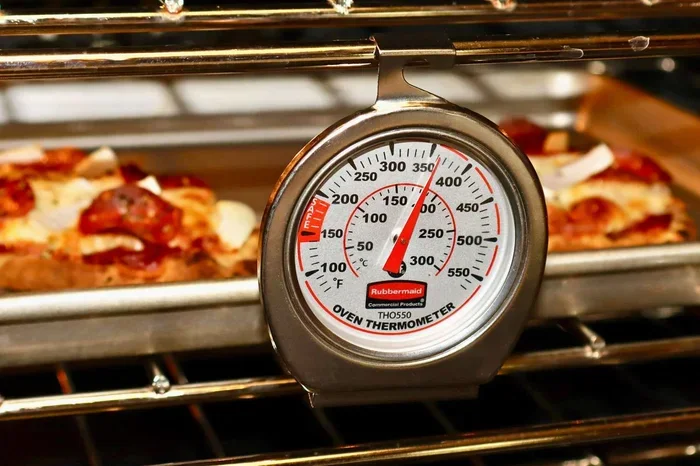
There are two main types of oven thermometers. Analog models use a traditional dial face with a needle. They are simple, durable, and do not need batteries. Digital models use electronic sensors to give you a precise readout on a small screen. They often come with extra features like timers and alarms.
Both types do the same basic job. They measure the temperature inside your oven. The choice between them comes down to personal preference and budget. Analog thermometers are great for simple needs and tend to be very affordable. Digital thermometers offer more precision and are helpful for serious bakers and cooks.
The Role of the Thermostat in Your Oven
Your oven has a built-in thermostat that controls the heat control system. It turns the heating element on and off to maintain your set temperature. However, thermostats are not perfect. They can wear out, get dirty, or lose calibration. This is why relying on the dial alone is risky. The Oven Thermometer gives you an independent check that your thermostat is working correctly.
Types of The Oven Thermometer You Can Buy
Not all oven thermometers are the same. There are several styles to choose from, each with its own strengths. Let us look at the most common types so you can find the best one for your kitchen.
Dial Oven Thermometers
The classic dial thermometer is the most popular type. It has a round face with a needle that points to the temperature. You place it on a rack inside your oven, and it gives you a reading within seconds. These are usually very affordable and work well for most home cooks. They are a great starting point for anyone new to using a kitchen thermometer.
Digital Probe Thermometers
Digital probe thermometers offer more advanced features. They have a thin metal probe that goes into your food, and a digital display that shows the internal temperature. Many models include a timer and an alarm that sounds when your food reaches the target temperature reading. These are excellent for roasting meats and checking food safety temperatures.
Wireless Bluetooth Thermometers
For tech-savvy cooks, wireless Bluetooth thermometers are a game-changer. They connect to your phone through an app, so you can monitor your oven or grill from across the room. These thermometers often have multiple probes and can track temperatures over long cooking sessions. They are ideal for slow roasting and smoking.
Infrared Thermometers
Infrared thermometers measure surface temperature without touching the food. You point them at your oven wall or a cooking surface, and they give you an instant reading. While they do not measure internal food temperature, they are useful for checking oven hot spots and even heat distribution.
How to Use The Oven Thermometer Correctly
Using The Oven Thermometer is simple, but there are a few tips that help you get the most accurate readings. Follow these steps for the best results every time.
Step-by-Step Guide to Using Your Thermometer
First, place your thermometer in the center of the oven. This is usually the most accurate spot. Make sure it is not touching the oven walls or the rack. The probe or dial should be visible through the oven window so you can read it easily.
Next, preheat your oven to your desired temperature. Wait at least 15 to 20 minutes after the oven signals it is preheated. Ovens often cycle on and off during preheating, and the temperature can fluctuate. Give it time to stabilize before taking a reading.
Now, look at your thermometer. Compare the reading to your oven dial setting. If they match, your oven is accurate. If they do not match, note the difference. This is your calibration offset, and you can use it to adjust future cooking temperatures.
Where to Place the Thermometer for Best Results
Placement matters a lot when using a temperature probe or dial thermometer. The center of the oven is usually the most even-heated area. Avoid placing the thermometer near the door, as this area tends to lose heat. Also, keep it away from the heating elements at the top and bottom, as these can create false high readings.
Calibrating Your Oven with a Thermometer
If you find that your oven is running hot or cold, you can adjust the thermostat. Many ovens have a calibration screw behind the temperature dial. Check your oven manual for instructions. Alternatively, you can simply add or subtract the offset temperature from your recipes. For example, if your oven runs 25 degrees hot, set the dial 25 degrees lower than the recipe calls for.
Benefits of Using The Oven Thermometer
There are many reasons to add The Oven Thermometer to your kitchen tools. Here are the biggest benefits that home cooks experience.
1. More Accurate Cooking Results
The most obvious benefit is better accuracy. When you know your oven’s true temperature, you can cook with confidence. Your cakes will rise properly. Your roasts will be evenly done. Your cookies will bake to golden perfection. Temperature accuracy is the foundation of great cooking.
2. Improved Food Safety
Cooking food to the right internal temperature is essential for food safety. A meat thermometer or digital probe helps you ensure that poultry, pork, and other meats reach safe temperatures. This reduces the risk of foodborne illness and gives you peace of mind when serving meals to your family.
3. Better Baking Outcomes
Baking is especially sensitive to temperature. Even a small difference can change the texture and rise of your baked goods. Using The Oven Thermometer helps you nail the right oven temperature for bread, pastries, cakes, and cookies. You will notice a big difference in your baking results right away.
4. Saves Time and Reduces Waste
When your oven is accurate, your food cooks faster and more evenly. You spend less time checking and rechecking. You also waste less food because your meals turn out correctly the first time. Over weeks and months, this adds up to real savings in both time and money.
5. Works with Every Type of Oven
Whether you have a gas oven, electric oven, or convection oven, a thermometer works the same way. It gives you an independent reading that is not affected by your oven type. This makes it a universal tool that benefits every kitchen, no matter what appliances you own.
Common Mistakes People Make with The Oven Thermometer
Even though using a thermometer is simple, there are some common mistakes that can throw off your readings. Avoid these pitfalls for the best results.
Placing the Thermometer in the Wrong Spot
One of the biggest mistakes is placing the thermometer too close to the oven walls or heating elements. This gives you a false reading that does not represent the true cooking temperature. Always place it in the center of the oven, away from direct heat sources.
Not Waiting Long Enough
Another common error is taking a reading too soon after preheating. Ovens cycle their heating elements on and off to maintain temperature. Give your oven at least 15 to 20 minutes to reach a stable temperature before trusting the reading on your oven gauge.
Ignoring the Calibration
If your thermometer reads differently from what your oven dial says, do not ignore it. Either calibrate the oven or adjust your cooking temperatures accordingly. Ignoring this difference will continue to cause inconsistent cooking results.
Using a Damaged or Old Thermometer
Over time, thermometers can lose accuracy. If your analog dial is sticking or your digital display is flickering, it may be time to replace it. A broken temperature sensor will give you wrong information, which defeats the whole purpose of using a thermometer in the first place.
How to Choose the Best The Oven Thermometer for Your Kitchen
With so many options available, choosing the right oven thermometer can feel overwhelming. Here are the key factors to consider before you buy.
Consider Your Cooking Style
Think about what you cook most often. If you bake a lot, a dial oven thermometer is a simple and reliable choice. If you roast meats frequently, a digital probe with a timer and alarm is very helpful. For those who love slow cooking and grilling, a wireless Bluetooth thermometer offers the most flexibility.
Check the Temperature Range
Make sure the thermometer you choose covers the temperature range you need. Most home ovens operate between 150 and 500 degrees Fahrenheit. A good kitchen thermometer should cover this full range. Some models also go higher, which is useful for pizza ovens or high-heat roasting.
Look for Easy-to-Read Displays
You want a thermometer that is easy to read at a glance. For analog models, choose one with large, clear markings on the dial face. For digital models, look for a bright backlit screen that is easy to see even in a dim kitchen. The better you can read your temperature reading, the more useful your thermometer will be.
Think About Durability and Build Quality
Your thermometer will be exposed to high heat regularly, so durability matters. Look for models made from stainless steel or heat-resistant materials. A well-built oven thermometer will last for years and give you reliable heat measurement every time you use it.
Read Reviews and Compare Brands
Before making a purchase, read reviews from other home cooks. Look for brands that are known for accuracy and reliability. Some popular and trusted brands include Taylor, CDN, ThermoPro, and Lavatools. Reading reviews helps you avoid cheap thermometers that give inaccurate readings and saves you money in the long run.
Expert Tips for Getting the Most from The Oven Thermometer
Once you have your oven thermometer, here are some expert tips to help you get the most out of it.
Use It for More Than Just Ovens
Many dial thermometers can also be used as a refrigerator thermometer or a grill thermometer. This makes them a versatile tool for your entire kitchen. You can check the temperature of your fridge to make sure it stays cold enough for food storage. You can also use it on your grill to monitor outdoor cooking temperatures.
Create a Temperature Chart for Your Oven
Take some time to map out the hot and cool zones in your oven. Place the thermometer in different spots and note the readings. This helps you understand your oven’s unique heat distribution patterns. You can then adjust your cooking positions to get the most even results.
Clean Your Thermometer Regularly
Grease and food residue can build up on your thermometer over time. This can affect its accuracy. Clean your temperature probe with warm soapy water after each use. For dial thermometers, wipe the face with a damp cloth. Keeping your thermometer clean ensures it continues to give accurate readings for a long time.
Test Your Thermometer Periodically
Even good thermometers can drift over time. Make it a habit to test yours against a known reference, such as boiling water (212 degrees Fahrenheit at sea level) or ice water (32 degrees Fahrenheit). This quick check helps you confirm that your oven thermometer is still working correctly.
Share the Knowledge
Once you experience the benefits of using The Oven Thermometer, share what you have learned with friends and family. Many people do not realize their oven is inaccurate. A simple gift of a good thermometer can improve someone else’s cooking and help them enjoy better meals too.
Conclusion
The Oven Thermometer is one of the simplest and most effective tools you can add to your kitchen. It costs very little, takes up almost no space, and delivers huge benefits. From better baking precision to safer food preparation, this small device makes a big difference. It takes the guesswork out of cooking and gives you the confidence to try new recipes and techniques.
Whether you are just starting out in the kitchen or you have been cooking for years, The Oven Thermometer is a must-have. It works with every type of oven, from basic electric ranges to fancy convection models. It helps you understand your oven’s true behavior and adjust your cooking accordingly. The results speak for themselves: better meals, fewer mistakes, and more enjoyment in the kitchen.
Do not wait for your next cooking disaster to remind you how important temperature accuracy is. Get a good oven thermometer today, test your oven, and start cooking with confidence. You will wonder how you ever managed without it.
Frequently Asked Questions
What is the best type of oven thermometer for home cooks?
A dial oven thermometer is the best choice for most home cooks. It is affordable, easy to read, and requires no batteries. It gives you a quick and reliable temperature reading every time you preheat your oven. For those who want more advanced features, a digital probe thermometer is also a great option.
How accurate are oven thermometers?
Most quality oven thermometers are accurate within plus or minus 5 degrees Fahrenheit. This is far more precise than the built-in thermostats found in most ovens. Regular calibration and proper placement help maintain this accuracy over time.
Can I use an oven thermometer in a microwave or toaster oven?
No, you should only use an oven thermometer in a conventional oven or a toaster oven that reaches similar temperatures. Microwave ovens do not use the same type of heating, so a standard oven thermometer will not give accurate readings in a microwave. Always check the manufacturer’s guidelines for your specific thermometer.
How often should I replace my oven thermometer?
A good thermometer can last for several years with proper care. However, you should test it periodically against known temperatures like boiling water or ice water. If you notice it is giving inconsistent readings, it may be time for a replacement to maintain cooking accuracy.
Why does my oven run hotter or colder than the dial says?
Oven thermostats can drift over time due to regular use, wear, or age. Dirt and grease buildup around the thermostat can also affect its performance. Using The Oven Thermometer helps you identify this issue so you can adjust your cooking temperatures and get better heat control.
Do I need a separate meat thermometer if I have an oven thermometer?
Yes, for the best food safety and cooking results, it is a good idea to have both. An oven thermometer measures the temperature inside your oven, while a meat thermometer measures the internal temperature of your food. Using both together ensures your oven is at the right temperature and your meat is cooked to a safe level.