How To Cook Ham Without Oven With These Simple Tricks
Cooking ham without an oven is easier than you think. You can use your stovetop, slow cooker, or even a grill pan to make a delicious ham right on your kitchen counter. This guide covers simple tricks for cooking ham without oven methods that deliver tender, juicy results every single time.
Key Takeaways
- Multiple Cooking Methods: You can cook ham on the stovetop, in a slow cooker, or on a grill pan without ever turning on your oven.
- Stovetop Braising Works Great: Braising ham on the stove keeps it moist and flavorful with minimal effort.
- Slow Cooker Is the Easiest Option: A slow cooker ham requires almost no hands-on time and delivers consistent results.
- Glazing Without an Oven Is Possible: You can apply a beautiful glaze using your stovetop or broiler for a caramelized finish.
- Avoid Common Mistakes: Overcooking, skipping the rest period, and using the wrong liquid are the top errors to watch out for.
- Indoor Ham Cooking Saves Time: These methods are faster and more convenient than heating up a large oven.
📑 Table of Contents
Why Cook Ham Without an Oven?
There are many reasons you might want to cook ham without oven methods. Maybe your oven is broken. Perhaps it is a hot summer day and you do not want to heat up your kitchen. Or maybe you are cooking in a small apartment with limited appliances.
Whatever the reason, cooking ham indoors without an oven is totally doable. You do not need fancy equipment or years of cooking experience. With a few simple tools and some basic knowledge, you can make a beautiful, juicy ham that impresses everyone at the table.
Ham cooking methods have been around for centuries. People cooked ham over open flames, in pots, and on stovetops long before electric ovens became common. So trust us, these techniques work. They produce tender, flavorful meat that rivals any oven-baked ham.
The best part? Most of these stovetop ham methods are faster than using an oven. You save time and energy while still getting amazing results. Let us dive into the different ways you can make this happen.
Stovetop Ham Cooking Methods
The stovetop is your best friend when you want to cook ham on stove top without an oven. You have two main techniques: braising and simmering. Both are simple and produce wonderful results.
Braising Ham on the Stovetop
Ham braising is a moist-heat cooking method. You sear the ham first, then cook it slowly in liquid. This keeps the meat tender and adds deep flavor.
Here is how to do it step by step:
- Start by scoring the surface of your ham with a sharp knife. Make shallow cuts in a diamond pattern.
- Heat a large Dutch oven or heavy-bottomed pot over medium-high heat.
- Add a small amount of oil and sear the ham on all sides until it gets a nice brown crust.
- Remove the ham and set it aside.
- Add aromatics like onion, garlic, bay leaves, and cloves to the pot.
- Pour in your cooking liquid. This can be water, broth, apple juice, or a mix of these.
- Place the ham back in the pot, cover it, and reduce the heat to low.
- Let it simmer gently for about 20 to 25 minutes per pound.
This stovetop ham recipe is foolproof. The low and slow approach breaks down the connective tissues in the meat, making it incredibly tender. You will know the ham is done when a meat thermometer reads 140°F internally.
Simmering Ham in a Pot
Ham simmering is even simpler than braising. You just place the ham in a large pot, cover it with liquid, and let it cook on low heat. This method works great for boiled ham style dishes.
Here are some quick tips for simmering:
- Use a pot large enough to hold the ham comfortably without crowding it.
- Add flavor to the liquid with mustard powder, brown sugar, vinegar, or whole spices.
- Keep the liquid at a gentle simmer, not a rolling boil. Boiling makes ham tough.
- Check the liquid level every 30 minutes and add more if needed.
- A whole ham usually takes 3 to 4 hours to cook through this way.
Simmering ham on the stove is one of the oldest ham cooking methods known to home cooks. It produces a mild, tender result that takes glazing beautifully.
Slow Cooker Ham: The Easy Way
If you want the easiest indoor ham cooking method, look no further than your slow cooker. Cooking ham in slow cooker is hands-off, forgiving, and produces incredibly moist results.
Slow Cooker Ham with Glaze
A slow cooker ham with glaze is a showstopper for holiday dinners or Sunday family meals. Here is how to make one:
- Place the ham flat side down in your slow cooker insert.
- Pour in about one cup of apple juice, brown sugar, and a splash of mustard into the bottom of the cooker.
- Cover and cook on low for 6 to 8 hours or on high for 3 to 4 hours.
- During the last hour, remove the ham and brush on your favorite glaze.
- Return the ham to the slow cooker with the lid slightly ajar and let it cook for one more hour.
The slow cooker ham recipe is perfect for ham without baking. You get all the flavor of a traditional baked ham with none of the heat. This is especially great during the summer months when you do not want to turn on any extra appliances.
One of the best things about using a slow cooker for ham cooking without oven is that it is very forgiving. You can leave it unattended for hours, and the sealed environment keeps all the moisture locked in.
Comparing Stovetop vs. Slow Cooker for Ham
Not sure which method to choose? Here is a quick comparison to help you decide.
| Factor | Stovetop | Slow Cooker |
|---|---|---|
| Hands-On Time | 30-45 minutes | 10-15 minutes |
| Total Cooking Time | 2-4 hours | 4-8 hours |
| Flavor Depth | Rich, caramelized | Mild, tender |
| Best For | Quick weeknight meals | Set-it-and-forget-it cooking |
| Glazing Option | Stovetop pan glaze | Last-hour glaze |
| Equipment Needed | Dutch oven or heavy pot | Slow cooker |
Both methods produce excellent ham recipe without oven results. Your choice really depends on how much time you have and what kind of flavor profile you prefer.
Cooking Ham on the Grill Indoors
Did you know you can use a grill pan on your stovetop to get grill marks and smoky flavor on your ham? Cooking ham on grill indoors is a fantastic way to add texture and depth without an oven.
Using a Stovetop Grill Pan
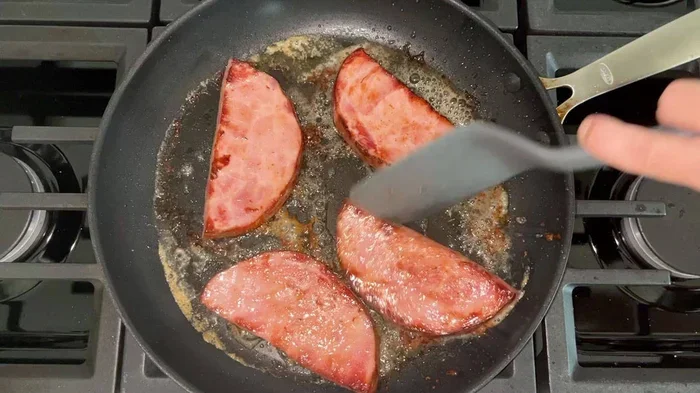
A cast iron grill pan is perfect for this technique. The raised ridges create those classic grill marks and allow excess fat to drip away.
Here is how to do it:
- Heat your grill pan over medium-high heat until it is nice and hot.
- Lightly oil the grates to prevent sticking.
- Place the ham on the pan and press down gently.
- Cook for 3 to 4 minutes per side to get good grill marks.
- After searing, reduce the heat to low, add a splash of broth or juice to the pan, and cover with a lid.
- Let the ham cook through for about 15 to 20 minutes per pound.
This pan seared ham method gives you a smoky, slightly charred exterior that is absolutely delicious. It works especially well with smaller ham cuts like ham steaks and center-cut portions.
The ham on grill technique is one of the most underrated ham cooking methods. It adds a whole new dimension of flavor that you simply cannot get from simmering or braising alone.
How to Glaze Ham Without an Oven
One of the best parts of ham is the glaze. That sweet, sticky, caramelized coating makes ham look and taste incredible. The good news is you can achieve a beautiful glaze without ever turning on your oven.
Stovetop Glazing Techniques
There are two easy ways to glaze ham on the stovetop:
Method 1: The Pan Glaze
- After cooking your ham, remove it from the pot or slow cooker and set it aside.
- Pour the cooking liquid into a saucepan and bring it to a boil.
- Add brown sugar, honey, or maple syrup to the liquid.
- Let it simmer until it reduces and thickens into a syrupy glaze.
- Brush the glaze over the ham and let it sit for a few minutes to set.
Method 2: The Broiler Finish
- Place your cooked ham on a foil-lined baking sheet.
- Brush on your glaze generously.
- Set the baking sheet under your stovetop broiler on high.
- Watch it carefully for 2 to 3 minutes until the glaze bubbles and turns golden brown.
- Remove immediately to prevent burning.
The broiler method gives you that classic glazed ham without oven look and taste. It is fast, effective, and only takes a few minutes of attention.
Best Glaze Recipes for Stovetop Ham
Here are three simple glaze ideas that work perfectly for ham without baking:
- Classic Brown Sugar Glaze: Mix brown sugar, Dijon mustard, and a splash of pineapple juice. Heat until bubbly, then brush on the ham.
- Honey Bourbon Glaze: Combine honey, a splash of bourbon, a pinch of cinnamon, and a dash of cloves. Simmer until thickened.
- Maple Mustard Glaze: Whisk together pure maple syrup, whole grain mustard, and a little apple cider vinegar for a tangy-sweet finish.
Each of these glazes adds a different flavor dimension to your stovetop ham recipe. Feel free to experiment and find your favorite combination.
Common Mistakes to Avoid When Cooking Ham Without an Oven
Even simple cooking methods can go wrong if you make common mistakes. Here are the biggest pitfalls to watch out for when you cook ham without oven techniques.
Overcooking the Ham
This is the number one mistake people make. Ham is a cured meat, so it is already cooked to some degree. You are really just reheating and adding flavor. Overcooking dries out the meat and makes it tough and crumbly.
Always use a meat thermometer. Pull the ham off the heat when it reaches 140°F for fresh ham or 160°F for fully cooked ham. Let it rest for 10 to 15 minutes before slicing. The temperature will continue to rise slightly during resting.
Using Too Much Liquid
When braising or simmering, you do not need to cover the ham completely. The liquid should come about halfway up the sides of the ham. Too much liquid dilutes the flavor and can make the meat waterlogged.
Skipping the Sear
If you are braising, do not skip the searing step. That initial brown crust on the ham adds a layer of flavor that simmering alone cannot provide. It creates a beautiful Maillard reaction that makes your ham taste richer and more complex.
Not Letting the Ham Rest
Resting is just as important for ham as it is for steak. When you cut into a hot ham right off the heat, all the juices run out and your slices end up dry. Give it at least 10 minutes of rest time, loosely covered with foil. The juices will redistribute and your ham will be much more succulent.
Expert Tips for Perfect Ham Every Time
Want to take your ham preparation tips to the next level? Here are some insider tricks from experienced cooks that make all the difference.
Choose the Right Cut for Your Method
Not all ham cuts work equally well for every method. Bone-in hams are great for slow cooking and braising because the bone adds flavor. Spiral-sliced hams work well for quick stovetop reheating. Ham steaks are perfect for grill pan cooking.
When you buy a spiral ham alternative for stovetop cooking, look for a center-cut ham steak. It is thick enough to hold together during cooking but thin enough to cook quickly and evenly.
Add Aromatics to Your Cooking Liquid
The liquid you cook your ham in is basically a flavor broth. Make it count by adding aromatics like:
- Whole cloves pressed into the surface of the ham
- Bay leaves thrown into the pot
- Garlic cloves, smashed but left whole
- Apple slices or orange peels for fruity sweetness
- A cinnamon stick for warm depth
These simple additions transform a basic ham recipe without oven into something extraordinary. Your kitchen will smell incredible too.
Score the Ham for Better Glaze Absorption
Before you apply any glaze, score the surface of the ham with a sharp knife. Make cuts about a quarter-inch deep in a diamond or crosshatch pattern. This creates more surface area for the glaze to stick to and allows the flavors to penetrate deeper into the meat.
Save Your Cooking Liquid
Do not throw away the liquid you cooked your ham in. It is packed with flavor. Strain it and use it as a base for soups, sauces, or gravies. You can also reduce it on the stovetop to create a concentrated ham glaze. This is one of the best ham preparation tips for minimizing waste and maximizing flavor.
Let the Ham Come to Room Temperature Before Cooking
Take your ham out of the refrigerator about 30 minutes before cooking. Letting it warm up slightly ensures more even cooking throughout. Cold ham going into a hot pot can result in uneven doneness with some parts overcooked and others still cold.
Conclusion
Cooking ham without oven methods opens up a world of delicious possibilities. Whether you choose to braise on the stovetop, slow cook for hours of hands-off convenience, or get creative with a grill pan, you can make a stunning ham without ever firing up your oven.
The key is to take your time, use quality ingredients, and follow the simple techniques outlined in this guide. Ham cooking methods like braising, simmering, and slow cooking are tried and true. They have been feeding families for generations and they continue to deliver outstanding results today.
Start with one of these methods on your next cook. You will be amazed at how easy and rewarding indoor ham cooking can be. Your ham will be juicy, flavorful, and absolutely delicious. Once you master these techniques, you will never feel limited by a broken oven or a hot summer day again.
So go ahead, pick up a beautiful ham from your local butcher or grocery store, and try one of these stovetop ham recipe methods. You will be glad you did. Happy cooking!
Frequently Asked Questions
Can I cook a spiral ham without an oven?
Yes, absolutely. You can reheat a spiral ham on the stovetop by simmering it in a large pot with apple juice or broth. Just cover the pot and keep the heat low. Another great option is to use a slow cooker, which heats the ham evenly and keeps it moist. Both methods work wonderfully for cooking ham without oven needs.
How long does it take to cook ham on the stovetop?
The ham cooking time on the stovetop depends on the size of your ham. A general rule is about 20 to 25 minutes per pound for braising, and 3 to 4 hours for a whole ham when simmering. Always use a meat thermometer to check that the internal temperature reaches 140°F for the best results.
What is the best liquid to cook ham in?
Apple juice, chicken broth, and water all work great as cooking liquids for ham on stove methods. For extra flavor, add brown sugar, mustard, bay leaves, or whole cloves to the liquid. The liquid should come about halfway up the ham, not cover it completely.
Can I use a grill pan to cook ham indoors?
Yes, a cast iron grill pan on your stovetop is perfect for indoor ham cooking. It gives you beautiful grill marks and a slightly smoky flavor. Just make sure to sear the ham first on high heat, then reduce to low and finish cooking with a lid on. This works best with smaller cuts like ham steaks.
Do I need to glaze ham after cooking it without an oven?
Glazing is optional but highly recommended. A glaze adds sweetness, shine, and flavor to your ham without baking. You can apply a glaze during the last 30 minutes of cooking on the stovetop or use your broiler for a quick caramelized finish. The glaze makes your ham look and taste restaurant-quality.
Is boiled ham the same as baked ham?
Boiled ham and baked ham have different textures and flavors. Boiled ham is cooked in water or broth and tends to be more tender and mild. Baked ham has a firmer exterior and more caramelized flavor. You can achieve a similar result to baked ham by searing boiled ham on a grill pan and adding a glaze afterward.