How Long To Cook Coho Salmon In Oven Perfectly Every Time
How long to cook Coho salmon in the oven depends on fillet thickness, oven temperature, and whether you want crispy skin or a tender finish. Most Coho salmon fillets bake perfectly at 400°F to 425°F in about 12 to 20 minutes. This guide gives you the exact time, temperature, and simple steps so your oven-baked salmon turns out juicy and flavorful every single time.
Key Takeaways
- Ideal Temperature: Bake Coho salmon at 400°F to 425°F for the best balance of crispy skin and moist flesh.
- Cooking Time: A standard fillet takes about 12 to 20 minutes depending on thickness and desired doneness.
- Internal Temperature: The safe internal temperature for Coho salmon is 145°F, but many prefer 125°F to 130°F for a buttery medium finish.
- Skin-Side Down: Always start with the skin side down for crispy skin and even cooking.
- Rest the Fish: Let Coho salmon rest for 3 to 5 minutes after baking to lock in juices.
- Season Simply: Olive oil, salt, pepper, and lemon go a long way with this naturally rich fish.
- Avoid Overcooking: Coho salmon dries out quickly, so use a meat thermometer and pull it off the heat early.
📑 Table of Contents
- Why Coho Salmon Is a Great Choice for Oven Cooking
- How Long To Cook Coho Salmon In Oven: Temperature and Time Guide
- Step-by-Step Instructions for Perfect Coho Salmon
- Tips for Crispy Skin and Juicy Fillets
- Common Mistakes to Avoid When Baking Coho Salmon
- Flavor Variations and Seasoning Ideas for Coho Salmon
- Health Benefits of Coho Salmon
- Storing and Reheating Leftover Coho Salmon
- Conclusion
Why Coho Salmon Is a Great Choice for Oven Cooking
Coho salmon is one of the most popular fish you can cook at home. It has a mild, slightly sweet flavor that almost everyone loves. The flesh is a beautiful pink-orange color that brightens any plate. Unlike fattier fish like king salmon, Coho has a leaner profile that holds its shape well in the oven.
Many home cooks choose Coho salmon because it is affordable and widely available. You can find fresh or frozen Coho salmon at most grocery stores year-round. The fillets are usually thick and uniform, which makes them perfect for even oven cooking. Whether you are a beginner or a seasoned cook, this fish is forgiving and delicious.
Oven-baking is hands down the easiest way to prepare Coho salmon. You do not need a grill, a smoker, or any special equipment. A basic oven, a baking sheet, and a few simple ingredients are all you need. The method gives you consistent results every time, which is exactly why so many people prefer it.
Another big reason Coho salmon works so well in the oven is the skin. When cooked skin-side down, the skin becomes crispy and acts as a natural protector for the delicate flesh underneath. This keeps the fish moist and adds a satisfying crunch. If you have ever struggled with dry, flaky salmon in the oven, this guide will change everything for you.
How Long To Cook Coho Salmon In Oven: Temperature and Time Guide
The most common question home cooks ask is, “How long to cook Coho salmon in the oven?” The answer depends on a few key factors. Let us break it all down so you can plan your meal with confidence.
Best Oven Temperature for Coho Salmon
The sweet spot for baking Coho salmon is between 400°F and 425°F. At 400°F, the fish cooks more gently and stays extra moist. At 425°F, you get a faster cook with crispier skin. Both temperatures work beautifully, so choose based on your schedule and preferences.
Some recipes call for lower temperatures around 375°F, but this extends the cooking time significantly. The lower heat can also cause the fish to dry out before the skin gets crispy. For the best results, stick with 400°F to 425°F. This range cooks the salmon quickly enough to retain moisture while still developing a nice golden crust on the skin.
Coho Salmon Cooking Time by Fillet Thickness
Thickness is the single biggest factor that affects how long to cook Coho salmon in the oven. Here is a simple breakdown to help you plan:
- Thin fillets (less than 1 inch): Bake for 10 to 12 minutes at 425°F.
- Medium fillets (1 to 1.5 inches): Bake for 12 to 15 minutes at 400°F to 425°F.
- Thick fillets (1.5 to 2 inches): Bake for 15 to 20 minutes at 400°F.
- Extra-thick center-cut fillets (over 2 inches): Bake for 18 to 22 minutes at 400°F.
These times are based on starting with cold salmon straight from the refrigerator. If your fillet is at room temperature, reduce the time by about 2 to 3 minutes. Always use a meat thermometer to check doneness, because oven temperatures can vary.
Internal Temperature Guide for Coho Salmon
The USDA recommends cooking fish to an internal temperature of 145°F. At this temperature, the salmon will be fully opaque and flake easily with a fork. However, many chefs and home cooks prefer Coho salmon at a lower temperature for a more tender, buttery result.
Here is a quick comparison of internal temperatures and what they mean for your Coho salmon:
| Internal Temperature | Texture | Appearance |
|---|---|---|
| 120°F to 125°F | Very soft, almost raw center | Bright translucent pink in the middle |
| 125°F to 130°F | Buttery and silky, medium-rare | Opaque pink with a slightly darker center |
| 130°F to 135°F | Moist and tender, medium | Fully opaque pink throughout |
| 145°F | Firm and fully cooked | Uniformly opaque, lighter pink |
For most people, pulling Coho salmon off the heat at 130°F to 135°F gives the best balance of moisture and flavor. The fish will continue to cook slightly after you remove it from the oven, a process called carryover cooking. This is why experienced cooks always pull the salmon a few degrees early.
Step-by-Step Instructions for Perfect Coho Salmon
Now that you know the time and temperature, let us walk through the full process. Follow these steps and you will have restaurant-quality Coho salmon right in your own kitchen.
Step 1: Prep Your Oven and Pan
Start by positioning a rack in the center of your oven. Preheat the oven to 400°F or 425°F depending on your preference. Line a baking sheet with parchment paper or aluminum foil for easy cleanup. Lightly grease the surface with a thin layer of olive oil or cooking spray.
Step 2: Prepare the Coho Salmon Fillet
Remove the Coho salmon from the refrigerator about 10 to 15 minutes before cooking. Letting it come closer to room temperature helps it cook more evenly. Pat the fillet dry with paper towels. This step is crucial because moisture on the surface prevents the skin from crisping up.
Place the fillet skin-side down on the prepared baking sheet. If the skin still has scales, rinse the fillet under cold water and pat it dry again. You do not need to remove the skin. It protects the fish during cooking and adds a delicious crispy texture.
Step 3: Season Your Coho Salmon
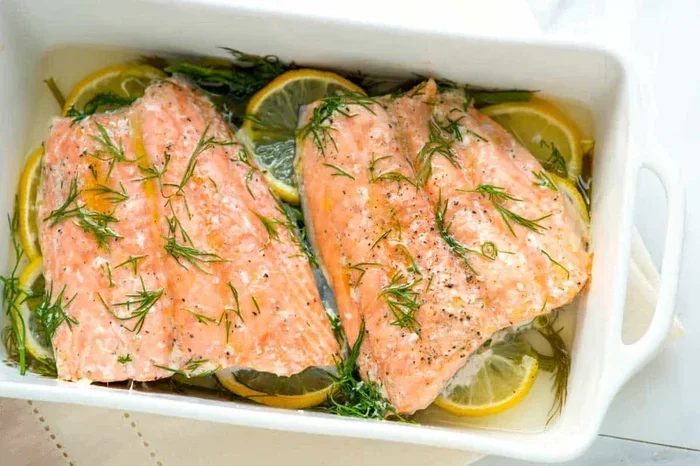
Keep it simple for the best results. Drizzle the fillet with olive oil and season with salt and freshly ground black pepper. You can also add minced garlic, fresh dill, or a squeeze of lemon juice for extra flavor. Spread any seasonings evenly over the top of the fillet.
Do not over-season Coho salmon. The fish has a delicate flavor that can be overwhelmed by heavy spices. Let the natural taste of the Coho salmon shine through. A little seasoning goes a long way with this already flavorful fish.
Step 4: Bake and Monitor
Place the baking sheet on the center oven rack. Set a timer based on the thickness guide above. About halfway through the cooking time, open the oven and check the fillet. The skin should look golden and crispy. The flesh should be opaque on the outside but still slightly translucent in the very center if you prefer a medium finish.
Insert a meat thermometer into the thickest part of the fillet at an angle. Check the temperature and compare it to the guide above. Remember that the temperature will rise a few degrees after you remove the salmon from the oven.
Step 5: Rest and Serve
Once the Coho salmon reaches your desired internal temperature, remove it from the oven. Let it rest on the baking sheet for 3 to 5 minutes. This resting period allows the juices to redistribute throughout the fillet, making every bite moist and flavorful.
Serve the Coho salmon with a squeeze of fresh lemon, a sprinkle of fresh herbs, or a drizzle of good-quality olive oil. It pairs beautifully with roasted vegetables, rice, quinoa, or a simple green salad. For a complete meal, try serving it alongside steamed asparagus or garlic mashed potatoes.
Tips for Crispy Skin and Juicy Fillets
Getting crispy skin on Coho salmon is an art, but it is easy once you know the tricks. Follow these tips to elevate your oven-baked salmon every time.
Dry the Skin Thoroughly
The number one secret to crispy salmon skin is dryness. After rinsing the fillet, pat it completely dry with paper towels. You can even let it sit uncovered in the refrigerator for a few hours or overnight. This draws out extra moisture from the skin surface, which is what creates that satisfying crunch when it hits the hot pan or baking sheet.
Use Hot Oil on the Pan
Before placing the salmon on the baking sheet, add a thin layer of oil and let it heat up in the oven for a minute or two. When the hot oil meets the skin, it immediately starts to crisp up. This small step makes a huge difference in the final texture of your Coho salmon.
Do Not Move the Fillet
Once you place the Coho salmon skin-side down, resist the urge to peek or flip it too early. Let it cook undisturbed for at least two-thirds of the total time. Moving the fillet too soon can tear the skin and prevent it from crisping evenly. Trust the process and let the oven do the work.
Quick Tips for Better Coho Salmon
- Always start with the skin side down for the first 75% of cooking time.
- Do not overcrowd the baking sheet. Give each fillet at least 2 inches of space.
- If your oven has hot spots, rotate the baking sheet halfway through cooking.
- Use a rimmed baking sheet to prevent oil spills and uneven cooking.
- For extra flavor, add a thin slice of butter on top of each fillet before baking.
- Fresh herbs like dill, thyme, or rosemary complement Coho salmon beautifully.
- Save the crispy skin as a topping for salads or grain bowls.
Common Mistakes to Avoid When Baking Coho Salmon
Even experienced cooks make mistakes when baking Coho salmon. Here are the most common errors and how to avoid them.
Starting with Wet Fish
Placing a wet Coho salmon fillet on the baking sheet is the fastest way to get soggy skin. Always pat the fillet dry thoroughly before seasoning and placing it in the oven. This single step separates good salmon from great salmon.
Overcooking the Fish
Coho salmon dries out much faster than fattier fish varieties. It has less marbling, which means less fat to keep it moist during cooking. The most common mistake people make is leaving the salmon in the oven too long. Set a timer, check the temperature early, and pull the fish out when it is just slightly underdone. Carryover cooking will bring it up to the perfect temperature.
Skipping the Resting Period
Some people slice into the Coho salmon immediately after removing it from the oven. This releases all the juices onto the cutting board instead of keeping them in the fillet. Give the fish at least 3 minutes to rest before serving. You will notice a big difference in moisture and flavor.
Using the Wrong Pan
Thin, flimsy baking sheets can cause uneven cooking and burnt edges. Use a heavy-duty rimmed baking sheet for the best results. If you want even better heat distribution, place a wire rack on top of the baking sheet. This allows hot air to circulate around the fillet and promotes even crisping on all sides.
Overcrowding the Pan
Cooking multiple Coho salmon fillets on one small baking sheet traps steam and prevents the skin from crisping. Give each fillet plenty of space. If you need to cook more fillets, use a second baking sheet or cook them in batches. The extra effort is worth the improved texture.
Flavor Variations and Seasoning Ideas for Coho Salmon
Once you master the basic method for how long to cook Coho salmon in the oven, you can start experimenting with different flavors. Coho salmon is a versatile fish that pairs well with a wide range of seasonings and marinades.
Lemon Herb Coho Salmon
This is the classic preparation that never gets old. Mix olive oil with minced garlic, fresh lemon zest, chopped dill, salt, and pepper. Brush the mixture over the Coho salmon fillet before baking. The bright, fresh flavors complement the rich taste of the salmon perfectly.
Maple Glazed Coho Salmon
For a sweet and savory twist, whisk together maple syrup, soy sauce, Dijon mustard, and a pinch of cayenne pepper. Brush the glaze over the salmon during the last 5 minutes of baking. The caramelized glaze creates a beautiful sticky coating that adds depth and complexity to the dish.
Asian-Inspired Coho Salmon
Mix sesame oil, rice vinegar, low-sodium soy sauce, fresh ginger, and a touch of honey for an Asian-inspired marinade. Marinate the Coho salmon for 20 to 30 minutes before baking. Top with sliced scallions and sesame seeds right after it comes out of the oven. This variation adds bold, savory flavors that pair wonderfully with steamed rice and stir-fried vegetables.
Mediterranean Coho Salmon
Top your Coho salmon with kalamata olives, sun-dried tomatoes, capers, fresh oregano, and a drizzle of olive oil. Bake as usual and serve with a side of roasted red peppers. The Mediterranean flavors create a vibrant, colorful dish that feels both healthy and indulgent.
Health Benefits of Coho Salmon
Coho salmon is not only delicious but also packed with important nutrients. It is an excellent source of high-quality protein, which supports muscle growth and repair. A single serving of Coho salmon provides more than 20 grams of protein with relatively few calories.
This fish is also rich in omega-3 fatty acids, which are essential for heart health, brain function, and reducing inflammation in the body. Unlike some other fish species, Coho salmon has a favorable ratio of omega-3s to omega-6s, making it a smart choice for overall wellness. It is also a great source of vitamin D, vitamin B12, and selenium.
Because Coho salmon is lower in fat than king salmon, it is a great option for people who want the health benefits of fish without a heavy, rich texture. Baking it in the oven is one of the healthiest cooking methods because it does not require added fats like frying. Pair your Coho salmon with vegetables and whole grains for a balanced, nutritious meal that the whole family will enjoy.
Storing and Reheating Leftover Coho Salmon
If you have leftover Coho salmon, store it properly to enjoy it for days. Let the cooked salmon cool to room temperature within two hours of cooking. Place it in an airtight container and refrigerate. Properly stored, cooked Coho salmon lasts 3 to 4 days in the fridge.
To reheat, use a low oven temperature of around 275°F. Place the salmon on a baking sheet, cover it loosely with foil, and warm it for 10 to 15 minutes. Low and slow reheating prevents the fish from drying out. You can also reheat Coho salmon gently in a skillet on the stove over medium-low heat with a splash of water or broth.
Avoid reheating Coho salmon in the microwave. The microwave tends to heat unevenly and can make the fish rubbery and dry. If you must use a microwave, use the lowest power setting and cover the salmon with a damp paper towel to add moisture.
Conclusion
Now you know exactly how long to cook Coho salmon in the oven for perfect results every time. The key is to pay attention to fillet thickness, oven temperature, and internal temperature. Bake at 400°F to 425°F, cook for 12 to 20 minutes depending on thickness, and always use a meat thermometer to check doneness.
Coho salmon is one of the easiest and most rewarding fish to cook at home. With its mild flavor, beautiful color, and healthy nutritional profile, it deserves a regular spot on your dinner table. The oven method is simple, consistent, and produces restaurant-quality results with minimal effort.
Start with the basic recipe and build from there. Try different seasonings, experiment with glazes, and find your favorite way to prepare Coho salmon. Once you master this one fish, you will have a go-to recipe that works for weeknight dinners, weekend entertaining, and everything in between. Happy cooking, and enjoy every bite of your perfectly baked Coho salmon.
Frequently Asked Questions
Can I cook Coho salmon from frozen in the oven?
Yes, you can cook Coho salmon from frozen, but you will need to increase the cooking time by about 5 to 10 minutes. It is best to place the frozen fillet directly on a preheated baking sheet in a 400°F oven. Make sure the internal temperature reaches 145°F before serving for food safety.
What is the best way to tell if Coho salmon is done?
The most reliable way is to use a meat thermometer. Insert it into the thickest part of the fillet and check for an internal temperature of 130°F to 145°F depending on your preference. The salmon should also be opaque throughout and flake easily when gently pressed with a fork.
Should I remove the skin before or after cooking Coho salmon?
Leave the skin on during cooking. The skin protects the delicate flesh, helps the fillet hold its shape, and becomes crispy and delicious when baked skin-side down. You can easily remove the skin after cooking if you prefer not to eat it.
Can I bake Coho salmon at 350°F?
You can, but 350°F is lower than the recommended range. At this temperature, the cooking time increases significantly and the skin may not crisp up as well. For the best results with Coho salmon, use 400°F to 425°F instead.
How long can I store cooked Coho salmon in the refrigerator?
Cooked Coho salmon keeps well in the refrigerator for 3 to 4 days when stored in an airtight container. Make sure the salmon has cooled down before placing it in the fridge, and always reheat it gently before eating.
Is Coho salmon the same as pink salmon?
No, Coho salmon and pink salmon are different species. Coho salmon has a richer flavor, firmer texture, and deeper red-orange flesh compared to pink salmon, which is milder and lighter in color. Coho is often preferred for oven baking because it holds its shape better and has a more robust taste.