What Is An Impingement Oven And Why It Is A Game Changer
An impingement oven is a high-performance cooking appliance that uses focused jets of hot air to cook food quickly and evenly. Unlike traditional ovens that rely on slow, ambient heat, this type of oven directs airflow straight at the food for superior browning and crispiness. It is a popular choice in commercial kitchens, pizzerias, and bakeries that need fast bake times and even cooking. Whether you run a busy restaurant or want better results at home, understanding how this convection oven works can change the way you cook forever.
Key Takeaways
- Fast Cooking: Impingement ovens cook food up to 30% faster than traditional ovens by blasting hot air directly at the food.
- Even Heat Distribution: The focused airflow eliminates hot and cold spots, giving you consistent results every time.
- Superior Browning: These ovens produce a crispy, golden finish that is hard to achieve with standard home ovens.
- Commercial Grade Power: Originally designed for high-volume food service, they are now available for home use too.
- Energy Efficient: Shorter cook times mean less energy used, which can lower your utility bills over time.
- Versatile Cooking: You can bake, roast, grill, and reheat with one powerful appliance.
- Easy Maintenance: Regular cleaning keeps the oven running smoothly and extends its lifespan significantly.
📑 Table of Contents
How Does An Impingement Oven Work?
If you have ever wondered what makes certain ovens so much faster and more efficient, the answer lies in a simple but clever concept called food impingement. An impingement oven blows jets of hot air directly onto the surface of the food. This is very different from a regular oven that heats the air inside and lets it slowly surround the dish.
The result is a cooking method that is fast, even, and incredibly effective. The hot air hits the food at high speed, transferring heat quickly. This means your food cooks faster and develops a beautiful crust or finish. The process is similar to what you feel when you hold your hand near a strong fan on a warm day, except the air is very hot.
The Science Behind the Airflow
Inside an impingement oven, you will find multiple fans and heating elements positioned around the cooking chamber. These fans push air through small nozzles that aim directly at the food. The high-speed airflow creates a thin layer of hot air that clings to the surface of whatever you are cooking.
This is known as the boundary layer effect. In simple terms, the fast-moving air heats the outer surface of the food very quickly. This speeds up browning and crispiness while keeping the inside moist. The heat distribution is far more uniform than what you get from a standard oven.
Key Components of an Impingement Oven
Every impingement oven has a few essential parts that make it work. Understanding these parts helps you appreciate the technology behind it. Here are the main components:
- High-Speed Fans: These create the powerful jets of air that cook the food quickly.
- Heating Elements: These heat the air to the desired oven temperature before it reaches the food.
- Nozzles or Vents: These direct the airflow precisely onto the food surface.
- Cooking Racks or Belts: These hold the food in place and allow the hot air to circulate evenly.
- Control Panel: This lets you set time, temperature, and airflow speed for different cooking tasks.
Together, these parts create a cooking environment that is fast, efficient, and highly effective. The design may sound complex, but the cooking results speak for themselves.
Impingement Oven vs. Traditional Oven
Now that you know how an impingement oven works, it is helpful to compare it directly with a traditional oven. This comparison shows why so many professional kitchens are making the switch.
Heat Distribution Comparison
A traditional oven heats the air inside the chamber. The hot air rises and slowly moves around the food. This process works fine for most home cooking. But it has a big flaw: the heat does not reach every part of the food equally.
An impingement oven solves this problem completely. The focused jets of air hit the food from multiple angles. This means every side of the dish gets the same amount of heat. You get even cooking from edge to edge. There are no hot spots and no undercooked areas.
Cooking Speed Differences
Speed is where the impingement oven really shines. A traditional oven might take 45 minutes to bake a batch of cookies. An impingement oven can do the same job in about 30 minutes. That is a big difference when you are cooking for a large crowd or running a busy kitchen.
The fan-forced oven technology speeds up the cooking process in two ways. First, the hot air transfers heat to the food faster. Second, the moisture on the surface of the food evaporates more quickly. This helps with browning and crisping. The overall cooking time drops significantly.
| Feature | Traditional Oven | Impingement Oven |
|---|---|---|
| Heat Distribution | Uneven, with hot spots | Very even, focused airflow |
| Cooking Speed | Slower, takes longer | Up to 30% faster |
| Browning | Average, may need flipping | Superior, golden finish |
| Energy Use | Higher due to longer cook times | Lower due to faster cooking |
| Best For | Home cooking, simple recipes | High-volume baking, pizzerias |
The table above makes it clear why so many food service businesses prefer the impingement design. The benefits are hard to ignore.
Benefits of Using an Impingement Oven
Switching to an impingement oven brings many real-world advantages. Whether you are a professional chef or a home cook, these benefits can transform your kitchen experience.
Faster Cook Times
Time is money in any kitchen. An impingement oven saves both. The focused airflow cooks food up to 30% faster than a conventional oven. This means you can prepare more dishes in less time. For a busy restaurant, this is a huge advantage.
Even at home, faster cooking times are a welcome benefit. You can get dinner on the table sooner without sacrificing quality. The quick bake times make weeknight cooking much easier and less stressful.
Superior Browning and Crispiness
One of the most noticeable differences is the crispy crust and golden finish. The high-speed air removes moisture from the surface of the food quickly. This creates a beautiful caramelized crust on bread, pizza, and roasted vegetables.
If you love perfectly crispy chicken skin or a golden-brown loaf of bread, an impingement oven delivers. The thermal efficiency of these ovens ensures that every dish looks and tastes its best.
Consistent Results Every Time
Inconsistent cooking is one of the most frustrating problems in any kitchen. Traditional ovens often have hot and cold spots that lead to uneven results. An impingement oven eliminates this problem almost entirely.
The powerful fans create a consistent flow of hot air around the food. This means every dish comes out the same way, batch after batch. For high-volume baking, this level of consistency is essential.
Common Uses for Impingement Ovens
Impingement ovens are incredibly versatile. They are used in many different settings and for many types of food. Let us explore the most common applications.
Pizza and Bakery Applications
The most famous use for an impingement oven is in pizzerias. These ovens cook pizza quickly and evenly. The hot air blasts the top and bottom of the pizza at the same time. This creates a perfectly crispy crust with a melted, bubbly cheese layer on top.
Bakeries also rely heavily on this technology. Bread, pastries, and cookies all benefit from the even heat and fast cook times. The browning is more consistent, and the texture is often better than what you get from a traditional oven.
Commercial Food Service
In commercial kitchens, speed and consistency are everything. An impingement oven meets both needs. Restaurants use them for roasting meats, baking casseroles, and preparing side dishes. The restaurant oven version is built to handle heavy use day after day.
Cafeterias, hospitals, and hotels also use these ovens to feed large numbers of people. The ability to cook large volumes quickly and evenly makes them indispensable in the food service industry.
Home Kitchen Use
You do not have to run a commercial kitchen to enjoy the benefits. Many home cooks now use smaller impingement oven models for everyday cooking. These compact versions work just as well for baking, roasting, and reheating.
If you love homemade pizza, artisan bread, or crispy roasted vegetables, this type of oven can elevate your cooking. The results are restaurant-quality right in your own kitchen.
How to Choose the Right Impingement Oven
Not all impingement ovens are the same. Choosing the right one depends on your needs, budget, and cooking goals. Here are the key factors to consider.
Size and Capacity
Think about how much food you need to cook at once. A small home model may only hold one or two pizzas. A large commercial unit can handle dozens of trays at a time. Match the size to your typical cooking volume.
For a home kitchen, a compact convection oven with impingement features works great. For a busy restaurant, you need a full-size commercial oven with multiple racks and powerful fans.
Energy Efficiency
Because impingement ovens cook faster, they generally use less energy overall. However, not all models are equally efficient. Look for ovens with good insulation and smart temperature controls. These features help reduce energy consumption and keep your utility bills low.
Some models also have eco-mode settings that further reduce power use. This is a great feature if you care about sustainability and want to minimize your kitchen’s environmental impact.
Ease of Use and Cleaning
A good oven should be easy to operate and maintain. Look for models with digital controls and preset cooking programs. These make it simple to achieve great results without guesswork.
Cleaning is also important. Choose an oven with removable racks and a non-stick interior. This makes daily cleaning quick and easy. Regular maintenance keeps the oven running smoothly for years.
Maintenance Tips for Longevity
Taking care of your impingement oven ensures it lasts a long time and performs well. Here are some simple maintenance tips that every owner should follow.
Cleaning Best Practices
Clean the oven after every use. Wipe down the interior with a damp cloth to remove food residue. Pay special attention to the nozzles and fans. These parts can get clogged with grease and crumbs over time.
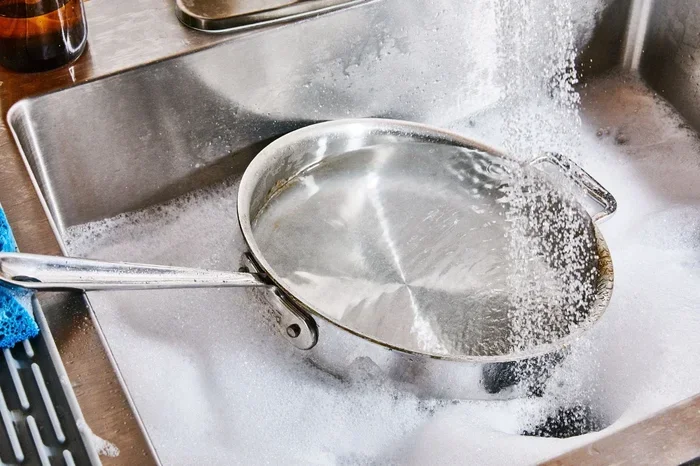
Deep clean the oven at least once a week if you use it daily. Remove the racks and soak them in warm soapy water. Use a gentle cleaner for the interior surfaces. Avoid harsh chemicals that could damage the heating elements or fan blades.
Common Mistakes to Avoid
One common mistake is overloading the oven. Blocking the airflow with too much food reduces cooking performance. Leave enough space between items for the hot air to circulate freely.
Another mistake is skipping regular maintenance. A dirty oven works harder and uses more energy. It also produces inconsistent results. Keep the oven clean and well-maintained for the best performance.
Final Thoughts on Impingement Ovens
The impingement oven is truly a game changer in the world of cooking. Its powerful, focused airflow delivers faster cook times, even heat, and superior browning. Whether you are a professional chef or a home cook, this technology can elevate your food to the next level.
The benefits are clear. You cook faster, you save energy, and you get better results. The convection oven technology behind impingement has been proven in kitchens around the world for decades. It is not just a trend. It is a real advancement in cooking technology.
If you are in the market for a new oven, consider the impingement option seriously. The difference in performance is remarkable. Once you try it, you will wonder how you ever cooked without one.
Frequently Asked Questions
What makes an impingement oven different from a regular convection oven?
An impingement oven uses focused jets of hot air directed straight at the food, while a regular convection oven simply circulates hot air around the cavity. The direct airflow in an impingement oven transfers heat much faster and more evenly, which is why it cooks food quicker and produces better browning.
Can I use an impingement oven at home?
Yes, absolutely. While impingement ovens were originally designed for commercial kitchens, smaller home versions are now widely available. These home models bring the same fast cooking and even heat benefits to your kitchen without taking up too much space.
Are impingement ovens more expensive than traditional ovens?
They can be more expensive upfront, especially the commercial models. However, the faster cook times and energy savings often offset the higher cost over time. For businesses, the return on investment is usually quite quick.
What types of food cook best in an impingement oven?
Pizza, bread, pastries, roasted meats, and vegetables all cook exceptionally well in an impingement oven. The focused airflow creates a crispy exterior while keeping the inside moist. Almost any food that benefits from even, high-speed cooking works great in this type of oven.
How do I clean an impingement oven properly?
Start by wiping the interior after each use with a damp cloth. Clean the fans and nozzles regularly to prevent grease buildup. Remove and soak the racks in warm soapy water weekly. Always follow the manufacturer’s cleaning guidelines to avoid damaging the oven.
Do impingement ovens use a lot of electricity?
Actually, they tend to use less energy than traditional ovens because they cook food faster. The shorter cooking time means less overall power consumption. Look for energy-efficient models with good insulation for the best results.