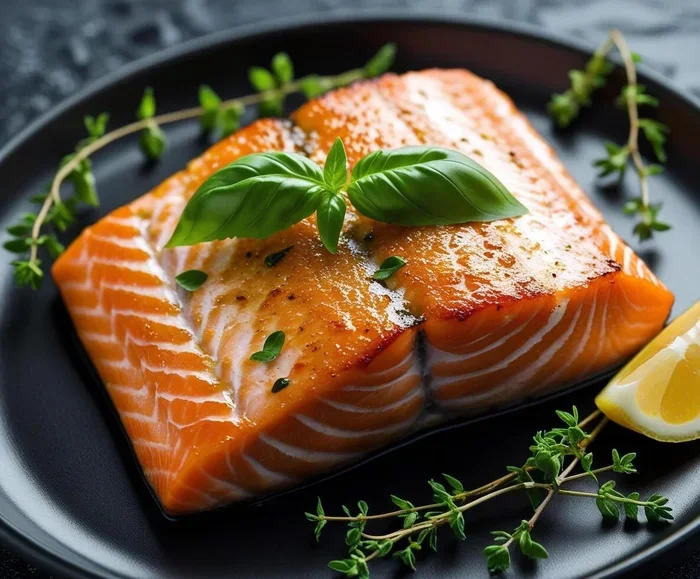
How To Cook Salmon In Microwave Oven Perfectly Every Time
Cooking salmon in a microwave oven is faster, easier, and surprisingly delicious when you know the right technique. This guide walks you through every step to achieve perfectly cooked microwave salmon with minimal effort. You will learn the ideal salmon microwave time, power settings, and seasoning tricks that make a huge difference. Whether you are a busy professional or a home cook, this method saves time without sacrificing flavor. How To Cook Salmon In Microwave Oven has never been this simple and rewarding.
There is something magical about pulling a perfectly cooked piece of salmon out of your microwave oven in less than ten minutes. Many people think that cooking salmon in microwave appliances leads to dry, rubbery fish. But that could not be further from the truth. Once you learn the right method, you will never go back to waiting thirty minutes for a stovetop or oven dinner. How To Cook Salmon In Microwave Oven is a skill that will change the way you prepare weeknight meals forever.
The beauty of microwave oven salmon lies in its simplicity. You need very little equipment, a few pantry staples, and about five minutes of active cooking time. The microwave steams the fish gently, locking in moisture and flavor. Whether you are cooking for one or feeding a family, this method delivers consistent, restaurant-quality results. Let us dive into everything you need to know about making microwave baked salmon that tastes incredible every single time.
Key Takeaways
- Quick and Convenient: A microwave salmon recipe takes only 5 to 10 minutes, making it the fastest way to enjoy healthy fish at home.
- Power Level Matters: Cooking at 50% power prevents overcooking and keeps the salmon moist and tender.
- Covering Is Essential: Always use a microwave-safe cover or damp paper towel to trap steam and cook the fish evenly.
- Resting Time Is Key: Letting the salmon rest for 2 to 3 minutes after cooking allows the juices to redistribute for a better texture.
- Season Simply: Lemon, garlic, dill, and a drizzle of olive oil are all you need for restaurant-quality microwave baked salmon.
- Avoid Common Mistakes: Skipping the cover, using full power, and overcooking are the top errors that ruin microwave salmon.
- Works for Any Cut: From thin fillets to thicker steaks, adjusting the salmon cooking time ensures perfect results every time.
📑 Table of Contents
- Why Cook Salmon In A Microwave Oven
- What You Need To Cook Salmon In The Microwave
- Step-by-Step Guide To Cook Salmon In Microwave Oven
- Best Microwave Salmon Recipes And Variations
- Common Mistakes To Avoid When Cooking Salmon In The Microwave
- Expert Tips For Perfect Microwave Salmon Every Time
- How To Cook Salmon In Microwave Oven: Timing and Temperature Guide
- Conclusion
Why Cook Salmon In A Microwave Oven
You might be wondering why anyone would choose a microwave salmon recipe over a traditional oven or pan-seared method. The answer is simple: speed, convenience, and surprisingly great results. When you are hungry and short on time, the microwave is your best friend. Here are some compelling reasons to give cooking salmon in microwave a try.
Speed and Convenience
A microwave baked salmon dish comes together in under ten minutes. Compare that to preheating an oven, waiting for it to reach temperature, and cooking for fifteen to twenty minutes. The microwave cuts that time dramatically. You can have a healthy, protein-rich dinner on the table faster than it takes to order delivery. This makes salmon dinner ideas more accessible for busy weeknights.
Nutrient Retention
One of the biggest advantages of steaming salmon in microwave is nutrient preservation. The short cooking time and enclosed environment help retain omega-3 fatty acids, vitamins, and minerals that can be lost through longer cooking methods. Salmon is already one of the healthiest foods you can eat, and the microwave helps keep it that way.
Minimal Cleanup
When you cook salmon fillet microwave style, you use one dish and maybe a piece of parchment paper. There is no greasy pan to scrub or oven to clean. This is a huge win for anyone who hates doing dishes. A quick wipe of the microwave plate and you are done.
What You Need To Cook Salmon In The Microwave
Before you start, make sure you have everything ready. How To Cook Salmon In Microwave Oven requires very few tools and ingredients. Having everything prepared ahead of time makes the process smooth and stress-free.
Essential Equipment
- Microwave-safe dish: A glass or ceramic dish works best for microwave oven salmon. Avoid metal containers at all costs.
- Microwave-safe cover or plastic wrap: A cover traps steam and cooks the fish evenly. Parchment paper also works well.
- Sharp knife and cutting board: For preparing your salmon and any garnishes.
- Meat thermometer: An instant-read thermometer takes the guesswork out of checking doneness.
Key Ingredients
- Fresh or thawed salmon fillets: Aim for pieces about one inch thick for the best results with salmon microwave time calculations.
- Olive oil or melted butter: A thin coat keeps the fish moist and adds richness.
- Lemon juice and zest: This adds brightness and cuts through the richness of the fish perfectly.
- Garlic and herbs: Fresh dill, parsley, or thyme elevate the flavor of your easy salmon recipe dramatically.
- Salt and pepper: Simple seasoning that enhances the natural flavor of the salmon.
Choosing the Right Salmon
Not all salmon is created equal when it comes to microwave salmon tips. Wild-caught salmon tends to have a firmer texture that holds up well in the microwave. Farmed salmon is fattier and cooks even faster, so watch it carefully. Always look for bright-colored flesh with a fresh, ocean-like smell. Avoid any salmon that looks dull or has a strong fishy odor. Quality ingredients make a noticeable difference in your final microwave baked salmon dish.
Step-by-Step Guide To Cook Salmon In Microwave Oven
Now let us get into the heart of the matter. How To Cook Salmon In Microwave Oven is straightforward once you know the exact steps. Follow this guide closely, and you will be amazed at the results.
Step 1: Prepare the Salmon
Start by patting your salmon fillet dry with a paper towel. Moisture on the surface creates excess steam, which can make the fish soggy. Place the fillet skin-side down in your microwave-safe dish. If your piece is thick, you can gently score the flesh with a sharp knife in a crosshatch pattern. This helps the heat penetrate more evenly and reduces the overall salmon cooking time.
Brush the top of the salmon lightly with olive oil or melted butter. This thin layer serves as a protective barrier that keeps the fish from drying out during the salmon microwave time in the oven.
Step 2: Season Generously
Seasoning is where your microwave salmon recipe comes to life. Sprinkle salt and pepper evenly over the fillet. Add minced garlic, fresh dill, and a squeeze of lemon juice. The zest of half a lemon adds a wonderful aromatic quality. Do not over-season, though. The salmon has a beautiful natural flavor, and you want to enhance it, not mask it.
For a more adventurous salmon dinner idea, try a drizzle of soy sauce and a sprinkle of sesame seeds. Or go Mediterranean with olive oil, capers, and dried oregano. The possibilities with cooking salmon in microwave are nearly endless.
Step 3: Cover and Cook
Cover the dish with a microwave-safe lid, microwave-safe plastic wrap, or a damp paper towel. The cover is absolutely essential for steaming salmon in microwave mode. It traps moisture and creates a gentle cooking environment that keeps the fish tender.
Set your microwave to 50% power. This is the single most important tip for perfect microwave oven salmon. Cooking at full power will overcook the edges while leaving the center raw. Reducing the power allows heat to distribute evenly throughout the fillet.
For a standard one-inch-thick fillet, cook for 3 to 4 minutes. Thicker pieces may need 5 to 6 minutes. Thinner fillets need only 2 to 3 minutes. Always check for doneness by gently pressing the thickest part of the fish with your finger. It should feel firm but still have a slight give. Alternatively, use a meat thermometer. The internal temperature should reach 145 degrees Fahrenheit (63 degrees Celsius).
Step 4: Rest and Serve
Remove the cover carefully to avoid steam burns. Let the salmon fillet microwave rest for 2 to 3 minutes. This resting period allows the juices to redistribute throughout the fish, resulting in a much more succulent bite. The internal temperature will also continue to rise slightly during this time.
Serve your microwave baked salmon immediately with a fresh squeeze of lemon, a side of steamed vegetables, or a bed of rice. The contrast of the bright citrus with the rich, flaky fish is absolutely delightful.
Best Microwave Salmon Recipes And Variations
Once you master the basic microwave salmon recipe, you can experiment with flavors. Here are some delicious variations that work beautifully in the microwave oven.
Honey Garlic Salmon
Mix two tablespoons of honey with one minced garlic clove and a tablespoon of soy sauce. Brush this glaze over your salmon before cooking. The natural sugars in honey caramelize slightly, creating a beautiful lacquered finish on your microwave oven salmon. Cook for the standard time and enjoy a sweet-savory flavor profile that pairs wonderfully with steamed broccoli.
Lemon Herb Salmon
This is the classic easy salmon recipe for the microwave. Combine chopped fresh dill, parsley, and thyme with lemon zest and olive oil. Spread this mixture over the fillet before cooking. The herbs infuse the fish with a bright, aromatic flavor that feels elegant and refined. This version is perfect for a quick yet impressive salmon dinner idea on a Tuesday evening.
Teriyaki Glazed Salmon
Brush your salmon with store-bought or homemade teriyaki sauce before microwaving. The soy-based glaze adds a rich, umami depth to the fish. Let the salmon microwave time do its work, and you will have a flavorful Asian-inspired dish in minutes. Serve it over jasmine rice with steamed edamame for a complete meal.
Dill and Cream Cheese Salmon
Spread a thin layer of cream cheese over the salmon fillet before seasoning. Top with fresh dill and a squeeze of lemon. The cream cheese creates a creamy, tangy layer that complements the rich salmon perfectly. This is one of the most popular microwave salmon tips for adding richness without overcooking the fish.
Common Mistakes To Avoid When Cooking Salmon In The Microwave
Even though how long to cook salmon in microwave is straightforward, certain mistakes can ruin your results. Avoiding these pitfalls will help you achieve perfect microwave baked salmon every time.
Using Full Power
This is the number one mistake people make. Full power creates uneven cooking and dries out the edges before the center is done. Always cook salmon in microwave at 50% power for the best texture and moisture retention. The lower power setting might add a minute or two to the salmon cooking time, but the difference in quality is enormous.
Skipping the Cover
Cooking uncovered allows steam to escape, which leads to dry, overcooked fish. The cover creates a mini steaming environment that is essential for steaming salmon in microwave mode. If you do not have a microwave-safe lid, a damp paper towel works just as well. Do not skip this step if you want juicy microwave oven salmon.
Not Adjusting for Thickness
All salmon fillets are not the same thickness. A thin filet needs less time, while a thick steak needs more. Always check the thickest part of the fish for doneness. Use the finger test or a meat thermometer to avoid undercooking or overcooking. Adjusting your salmon microwave time based on thickness is the key to consistent results.
Overcooking the Salmon
Microwaves continue cooking food after you remove them from the oven. This carryover cooking means your salmon will be slightly more done after resting. Pull the fish off just before it reaches your desired level of doneness. For medium-rare, aim for 125 degrees Fahrenheit internally. For well-done, 145 degrees Fahrenheit is the target. Removing the salmon a little early ensures a perfectly moist result after resting.
Using the Wrong Dish
Never put salmon in a metal dish or container in the microwave oven. Metal causes sparking and can damage your appliance. Always use glass, ceramic, or microwave-safe plastic containers for your microwave salmon recipe. A shallow dish also helps the heat reach the fish more evenly, reducing the overall salmon microwave time.
Expert Tips For Perfect Microwave Salmon Every Time
These microwave salmon tips come from professional chefs and home cooking experts who have mastered the art of cooking salmon in microwave appliances. Follow these guidelines and you will notice an immediate improvement in your results.
Bring the Salmon to Room Temperature First
Take your salmon out of the refrigerator 10 to 15 minutes before cooking. A room-temperature fillet cooks more evenly than a cold one. This simple step reduces the risk of overcooked edges and a raw center. It is one of the easiest salmon cooking tips you can follow for better microwave baked salmon.
Pound the Fillet to Even Thickness
If your salmon fillet has varying thickness, use a meat mallet or the bottom of a heavy pan to gently pound it to an even thickness. This ensures that the entire piece cooks at the same rate. Uneven fillets are the leading cause of dry edges and undercooked centers in microwave oven salmon.
Add a Splash of Liquid
Adding a tablespoon of water, white wine, or broth to the bottom of your dish creates extra steam. This additional moisture enhances the steaming effect and keeps the salmon incredibly juicy. This is a chef-approved microwave salmon recipe trick that makes a noticeable difference in texture.
Let the Salmon Rest After Cooking
Do not cut into your salmon fillet microwave immediately after cooking. The resting period allows the internal juices to settle and redistribute. This simple patience trick transforms dry fish into succulent, flaky perfection. Cover the dish loosely with foil and wait 2 to 3 minutes before serving.
Store and Reheat Leftovers Properly
If you have leftover microwave salmon, store it in an airtight container in the refrigerator for up to two days. To reheat, place the salmon in a microwave-safe dish, cover it with a damp paper towel, and warm it at 30% power for 30 to 60 seconds. Low power prevents the fish from drying out during reheating. This is a great way to enjoy leftover microwave salmon for lunch the next day without sacrificing quality.
Experiment with Different Flavor Profiles
Once you are comfortable with the basic method, start experimenting. Try a maple mustard glaze, a spicy sriracha drizzle, or a simple butter and caper sauce. The microwave is incredibly versatile for salmon dinner ideas. You can prepare a different flavor profile each night of the week and never get bored with your microwave baked salmon routine.
How To Cook Salmon In Microwave Oven: Timing and Temperature Guide
Understanding the relationship between power level, thickness, and salmon microwave time is essential for consistent results. Here is a helpful reference guide for cooking salmon in microwave appliances of different wattages.
| Salmon Thickness | Microwave Wattage | Power Level | Cooking Time |
|---|---|---|---|
| Half-inch fillet | 1000W | 50% | 2 to 3 minutes |
| One-inch fillet | 1000W | 50% | 3 to 4 minutes |
| One and a half inch fillet | 1000W | 50% | 5 to 6 minutes |
| One-inch fillet | 700W | 50% | 4 to 5 minutes |
| One-inch fillet | 1200W | 50% | 2.5 to 3.5 minutes |
These times are guidelines. Always check for doneness by testing the thickest part of the fillet. The salmon should flake easily with a fork and appear opaque throughout. If it still looks translucent in the center, continue cooking in 30-second intervals at 50% power until it reaches the desired doneness.
The salmon microwave temperature goal is 145 degrees Fahrenheit for fully cooked fish. For a slightly translucent center that many salmon lovers prefer, aim for 125 to 130 degrees Fahrenheit. A good meat thermometer is your best friend when learning how to cook salmon in microwave oven. It removes all guesswork and takes the uncertainty out of the process entirely.
Conclusion
How To Cook Salmon In Microwave Oven is one of the most valuable kitchen skills you can develop. It is fast, easy, and produces surprisingly delicious results that rival any traditional cooking method. With the right power setting, proper covering, and a little attention to timing, you can enjoy perfectly cooked microwave oven salmon any night of the week.
Remember to always use a microwave-safe dish, cook at 50% power, cover your salmon, and let it rest before serving. Avoid the common pitfalls of full-power cooking and skipping the cover. Season simply but thoughtfully, and let the quality of the salmon speak for itself.
The versatility of microwave baked salmon means you can enjoy it for lunch, dinner, or even as part of a meal prep routine. Once you master this technique, you will wonder how you ever cooked salmon any other way. Start with the basic method, experiment with flavors, and soon enough, cooking salmon in microwave will become your go-to approach for a quick, healthy, and delicious meal.
So the next time you are craving salmon and short on time, do not reach for the takeout menu. Grab a fresh fillet, fire up your microwave oven, and enjoy the satisfying experience of creating a restaurant-quality dish right in your own kitchen. How To Cook Salmon In Microwave Oven has never been more accessible, and your taste buds will thank you.
Frequently Asked Questions
Can you really cook salmon in a microwave oven?
Absolutely. Cooking salmon in microwave appliances is not only possible but produces excellent results when done correctly. The key is using 50% power, covering the dish, and not overcooking the fish. Once you try it, you will be impressed by how moist and flavorful microwave oven salmon can be.
How long does it take to cook salmon in the microwave?
The salmon microwave time typically ranges from 3 to 6 minutes depending on the thickness of the fillet and your microwave wattage. A standard one-inch fillet in a 1000-watt microwave takes about 3 to 4 minutes at 50% power. Always check for doneness before serving to avoid overcooking.
Is microwave-cooked salmon healthy?
Yes, microwave baked salmon is one of the healthiest ways to prepare fish. The short cooking time preserves omega-3 fatty acids and other nutrients better than many traditional methods. Plus, you can control the amount of added fat and sodium, making it a clean and nutritious salmon dinner idea any night of the week.
What is the best way to cover salmon in the microwave?
A microwave-safe lid, microwave-safe plastic wrap, or a damp paper towel all work well for steaming salmon in microwave mode. The cover traps steam and creates an even cooking environment. Never use regular plastic wrap that is not labeled microwave-safe, as it can melt and contaminate your food.
Can you reheat leftover salmon in the microwave?
Yes, you can reheat leftover microwave salmon or any cooked salmon in the microwave. Use low power (30%) and heat in short intervals of 30 seconds to prevent drying out. Cover the fish with a damp paper towel to maintain moisture. The salmon should be warmed through to 165 degrees Fahrenheit for food safety.
Why does my microwave salmon turn out dry?
Dry microwave oven salmon is usually caused by cooking at full power, not covering the dish, or cooking for too long. Always use 50% power, cover the salmon, and check for doneness frequently. Pull the fish off just before it reaches your target temperature, as carryover cooking will continue to firm up the fillet during the resting period.
=== KEY TAKEAWAYS ===
Key Takeaways
- Quick and Convenient: A microwave salmon recipe takes only 5 to 10 minutes, making it the fastest way to enjoy healthy fish at home.
- Power Level Matters: Cooking at 50% power prevents overcooking and keeps the salmon moist and tender.
- Covering Is Essential: Always use a microwave-safe cover or damp paper towel to trap steam and cook the fish evenly.
- Resting Time Is Key: Letting the salmon rest for 2 to 3 minutes after cooking allows the juices to redistribute for a better texture.
- Season Simply: Lemon, garlic, dill, and a drizzle of olive oil are all you need for restaurant-quality microwave baked salmon.
- Avoid Common Mistakes: Skipping the cover, using full power, and overcooking are the top errors that ruin microwave salmon.
- Works for Any Cut: From thin fillets to thicker steaks, adjusting the salmon cooking time ensures perfect results every time.