Discover The Best Way To Cook Prime Rib Roast In Oven
Discover the best way to cook prime rib roast in oven with this complete guide. You will learn how to pick the perfect roast, season it like a pro, and cook it to juicy perfection. Our step-by-step method covers temperatures, timing, and resting tips so your roast turns out restaurant-quality every time. Whether you are a beginner or a seasoned cook, this guide gives you everything you need for a show-stopping meal.
There is nothing quite like a perfectly cooked prime rib roast filling your kitchen with a rich, savory aroma. The best way to cook prime rib roast in oven combines simple techniques with a little patience. You do not need fancy equipment or years of experience. With the right approach, you can create a show-stopping centerpiece that will impress everyone at your table.
This guide walks you through every step of the process. From choosing the right cut to pulling it out of the oven at exactly the right moment, we have you covered. The best way to cook prime rib roast in oven focuses on low and slow heat, proper seasoning, and giving the meat time to rest. Follow along and you will master this classic dish with confidence.
Key Takeaways
- Low and slow cooking is the secret to tender, flavorful prime rib roast in oven
- A bone-in standing rib roast delivers the best flavor and presentation
- Resting the roast for 20-30 minutes keeps juices locked inside
- Use an oven-safe meat thermometer for accurate doneness every time
- A simple dry rub with garlic, herbs, and salt creates incredible flavor
- Reverse searing gives you a perfect crust without overcooking the inside
📑 Table of Contents
- Why Oven Roasting Is The Best Method For Prime Rib
- Choosing The Right Prime Rib Roast
- Essential Seasoning And Prep
- Step-by-Step Oven Cooking Guide
- Temperature And Timing Guide
- Resting, Carving, And Serving Your Prime Rib
- Common Mistakes To Avoid
- Expert Tips For Perfect Prime Rib Every Time
- Final Thoughts On Cooking Prime Rib In The Oven
Why Oven Roasting Is The Best Method For Prime Rib
Oven roasting has been the go-to method for cooking prime rib for generations. It works so well because the oven provides even, consistent heat all around the roast. Unlike grilling or smoking, oven roasting gives you complete control over the temperature environment.
The best way to cook prime rib roast in oven relies on gentle heat that slowly breaks down the tough connective tissues in the meat. This process, called collagen rendering, is what makes prime rib so tender and juicy. When you cook at a moderate temperature over several hours, the fat melts slowly and bastes the meat from the inside out.
Oven roasting also lets you add a beautiful crust using the reverse sear method. You cook the roast low and slow first, then blast it with high heat at the end. This gives you a golden-brown exterior while keeping the inside perfectly pink and moist. It is the kind of result that will have your guests asking for seconds.
Compared to other cooking methods, oven roasting is forgiving and predictable. You do not need to stand over a hot grill or worry about uneven heat from a smoker. Your oven creates a stable environment where the roast cooks evenly from all sides. This makes it the ideal choice for both beginners and experienced cooks alike.
Choosing The Right Prime Rib Roast
Not all prime rib roasts are created equal. The cut you choose sets the foundation for everything that follows. Understanding what to look for will save you from disappointment and help you achieve the best possible results.
Bone-In vs Boneless
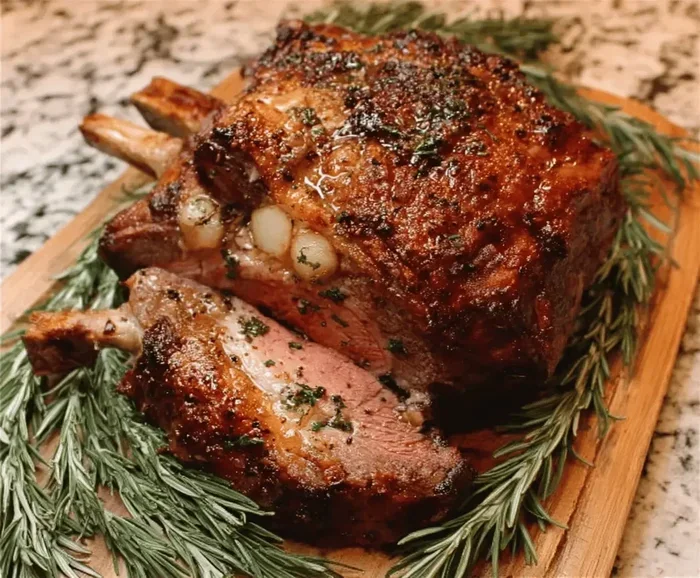
A bone-in standing rib roast is widely considered the best choice for oven cooking. The bone acts as a natural insulator, distributing heat more evenly throughout the meat. It also adds incredible flavor that you simply cannot get from a boneless cut. When you carve around the bone, the presentation looks stunning and impressive.
That said, a boneless ribeye roast works well too, especially if you are short on oven space. Boneless roasts tend to cook a bit faster because there is no bone to conduct heat. The best way to cook prime rib roast in oven works for both cuts, but bone-in delivers superior flavor and a more dramatic presentation at the table.
Size Matters
Plan for about one pound of bone-in prime rib per person. This accounts for bone weight and any shrinkage during cooking. For a boneless roast, figure about half a pound per person since there is no bone to account for.
A three-bone roast typically serves six to eight people and fits nicely in most standard ovens. If you are feeding a crowd, you can always cook two smaller roasts instead of one large one. This gives you more control over doneness and reduces cooking time.
Quality and Marbling
Look for a roast with generous marbling throughout the meat. Those white streaks of fat are what melt during cooking and create that buttery, melt-in-your-mouth texture. USDA Prime grade offers the most marbling, but USDA Choice is also excellent and more budget-friendly.
Ask your butcher to trim the fat cap to about a quarter-inch thick. Too much fat can cause excessive smoking, while too little means the roast may dry out. A well-trimmed roast with good marbling is the perfect starting point for oven-roasted prime rib.
Essential Seasoning And Prep
Seasoning is where you build the flavor foundation for your roast. The good news is that prime rib does not need a complicated recipe. A few quality ingredients, applied with care, are all you need.
The Perfect Dry Rub
A simple dry rub for prime rib works beautifully. Combine coarse kosher salt, freshly cracked black pepper, garlic powder, onion powder, and dried rosemary. Some cooks also add a touch of smoked paprika for depth.
Mix your spices together and rub them generously over the entire surface of the roast. Do not be shy with the salt. The salt draws moisture to the surface, which then dissolves into the seasoning and creates a flavorful crust during cooking.
For the best way to cook prime rib roast in oven, apply the rub at least one hour before cooking, or even the night before. Cover it with plastic wrap and let it rest in the refrigerator. This allows the seasoning to penetrate deep into the meat and develop a beautiful pellicle, which is a thin, tacky layer that helps create an incredible bark.
Bringing The Roast To Room Temperature
This is a step many people skip, but it makes a huge difference. Take your roast out of the refrigerator about two hours before cooking. Let it sit uncovered on the counter until it reaches room temperature.
When you place a cold roast directly into a hot oven, the outside cooks much faster than the inside. This leads to uneven doneness and often a gray band of overcooked meat just beneath the surface. Bringing the roast to room temperature ensures more even cooking from edge to center.
Setting Up For Success
Place your roast on a wire rack set inside a roasting pan. The wire rack allows hot air to circulate underneath the meat, promoting even browning. The roasting pan catches any drippings, which you can later use to make a simple pan sauce.
Insert an oven-safe meat thermometer into the thickest part of the roast, making sure it does not touch the bone. Bone conducts heat differently than meat, and a thermometer touching the bone will give you a false reading. This small step is critical for achieving the perfect prime rib internal temperature every single time.
Step-by-Step Oven Cooking Guide
Now comes the exciting part. Here is exactly how to cook your prime rib roast in the oven for flawless results.
Preheating And Setup
Preheat your oven to 225 degrees Fahrenheit for the initial low-heat phase. This low temperature is the heart of the best way to cook prime rib roast in oven method. It allows the meat to cook gently and evenly without drying out.
While the oven heats, place your seasoned roast on the wire rack in the roasting pan. Position the roast with the fat cap facing up so the melting fat bastes the meat as it cooks.
The Cooking Process
Place the roast in the oven and let it cook undisturbed. The general rule for low and slow oven roasting is about 15 to 20 minutes per pound at 225 degrees Fahrenheit. However, always rely on your meat thermometer rather than the clock.
Here is a rough guide for cooking times:
- Rare: 120 to 125 degrees Fahrenheit internal temperature
- Medium Rare: 130 to 135 degrees Fahrenheit internal temperature
- Medium: 140 to 145 degrees Fahrenheit internal temperature
Remove the roast from the oven when it is about 5 degrees below your target temperature. The carryover heat will continue to raise the temperature during resting. This is one of the most important tips for achieving the perfect doneness.
The Reverse Sear Finish
For an extra-crispy, beautifully browned crust, increase your oven temperature to 450 degrees Fahrenheit after the low-heat phase. Return the roast to the oven for 10 to 15 minutes until you achieve a deep golden-brown crust.
This reverse sear method works because the low-heat phase gently cooks the interior while the high-heat finish creates the Maillard reaction on the surface. The result is a roast that is tender and juicy on the inside with a flavorful, caramelized exterior.
Temperature And Timing Guide
Understanding the relationship between temperature and timing is the key to nailing your roast every time. Here is a detailed breakdown to take the guesswork out of the process.
Internal Temperature Targets
The USDA recommends cooking beef roasts to at least 145 degrees Fahrenheit for safety. However, for prime rib, most chefs prefer to pull the roast at a lower temperature because carryover cooking will raise it several degrees during resting.
Here are the target pull temperatures for each level of doneness:
- Rare: Pull at 115 to 120 degrees Fahrenheit
- Medium Rare: Pull at 125 to 130 degrees Fahrenheit
- Medium: Pull at 135 to 140 degrees Fahrenheit
Always use a reliable oven-safe meat thermometer. Digital probe thermometers give you continuous readings and alert you when the roast reaches the target temperature. This simple tool removes all the guesswork from your beef roast cooking time calculations.
Cooking Time Comparison
| Roast Weight | Approximate Cook Time at 225F | Total Time Including Reverse Sear |
|---|---|---|
| 3-4 lbs (bone-in) | 1.5 to 2 hours | 2 to 2.5 hours |
| 5-7 lbs (bone-in) | 2.5 to 3.5 hours | 3 to 4 hours |
| 8-10 lbs (bone-in) | 4 to 5 hours | 4.5 to 5.5 hours |
These times are approximate and will vary based on your oven, the roast shape, and your target doneness. Always trust your thermometer over the clock. The best way to cook prime rib roast in oven is the method that uses a thermometer to guide you to perfection.
Resting, Carving, And Serving Your Prime Rib
The final steps are just as important as the cooking itself. How you handle the roast after it comes out of the oven determines whether you get juicy slices or a dry, disappointing result.
Why Resting Is Critical
When you remove the roast from the oven, the juices inside are concentrated near the center. If you cut into it immediately, those juices will flood out onto the cutting board instead of staying in the meat. Resting allows the juices to redistribute evenly throughout the roast.
Tent the roast loosely with aluminum foil and let it rest for 20 to 30 minutes. This is the ideal prime rib resting time. The internal temperature will continue to rise by 5 to 10 degrees during this period, bringing your roast to the perfect final doneness.
Do not skip this step. Resting is what separates a good roast from an outstanding one. It is the final touch that makes your prime rib truly special.
How To Carve Like A Pro
For a bone-in roast, start by slicing along the bone to release the individual ribs. Then cut each slice against the grain for maximum tenderness. The grain direction changes near the bone, so adjust your cutting angle as you move across the roast.
Slice each piece about a half-inch thick for the best balance of tenderness and flavor. A sharp carving knife makes this process much easier and cleaner. If you do not have a carving knife, a sharp chef’s knife works perfectly well too.
Serving Suggestions
Prime rib pairs beautifully with classic sides like roasted potatoes, grilled asparagus, or a simple green salad. A creamy horseradish sauce or classic au jus made from the pan drippings adds an extra layer of flavor that elevates the entire meal.
For the best way to cook prime rib roast in oven experience, serve it warm but not hot. Slices that rest for a few minutes on the plate before serving will be more flavorful and easier to chew. Your guests will notice the difference.
Common Mistakes To Avoid
Even experienced cooks can make mistakes when preparing prime rib. Here are the most common pitfalls and how to avoid them.
Skipping The Rest
This is the number one mistake people make. Cutting into the roast immediately after cooking releases all the precious juices and leaves you with dry slices. Always give your roast the full 20 to 30 minutes of resting time.
Overcooking The Roast
Prime rib is best when cooked to medium rare or below. Overcooking turns this naturally tender cut into something tough and dry. Pull the roast early and let carryover heat do the rest. It is much easier to add a few more minutes of cooking than to undo an overcooked roast.
Seasoning Too Late
Salt needs time to work its magic on the meat. Applying your dry rub right before cooking gives you less flavor penetration. For the deepest flavor, season your roast the night before and let it rest uncovered in the refrigerator. This also helps dry the surface, which leads to a better crust.
Opening The Oven Door Too Often
Every time you open the oven door, you lose heat and disrupt the cooking environment. Resist the temptation to peek. Trust your thermometer and let the oven do its job. The best way to cook prime rib roast in oven requires patience and minimal interference.
Expert Tips For Perfect Prime Rib Every Time
Here are some pro tips that will take your oven-roasted prime rib to the next level.
- Dry brine overnight: Salt the roast generously the night before and leave it uncovered in the fridge. This draws out moisture, dissolves the salt, and then reabsorbs the seasoned liquid back into the meat for deeper flavor.
- Use a roasting rack: Elevating the roast on a wire rack promotes air circulation and prevents the bottom from steaming and becoming soggy.
- Let the roast come to room temperature: This simple step reduces cooking time and promotes even doneness throughout the roast.
- Invest in a good thermometer: A digital probe thermometer is the single best tool for consistent results with any roast.
- Save the drippings: The pan drippings from your prime rib make an incredible base for gravy or au jus. Simply deglaze the roasting pan with a splash of beef broth and simmer until reduced.
The best way to cook prime rib roast in oven is really about combining simple techniques with attention to detail. You do not need to overcomplicate things. Follow these guidelines, trust the process, and you will be rewarded with a prime rib roast that rivals any steakhouse.
Final Thoughts On Cooking Prime Rib In The Oven
Cooking prime rib roast in the oven is one of the most satisfying things you can do in the kitchen. The best way to cook prime rib roast in oven comes down to three essentials: choose a quality bone-in roast, season it well, and cook it low and slow with a thermometer to guide you.
Once you master this method, you will never go back to ordering prime rib at a restaurant. The flavor, the tenderness, and the sense of accomplishment you get from serving a homemade prime rib roast are unbeatable. Your family and friends will remember this meal for a long time.
Start with the tips in this guide, experiment with your own seasoning blends, and make the best way to cook prime rib roast in oven your own signature dish. You have everything you need to succeed. Now go fire up that oven and create something truly memorable.
Frequently Asked Questions
What is the best temperature to cook prime rib roast in oven?
The best approach is to start at 225 degrees Fahrenheit for low and slow cooking, then increase to 450 degrees Fahrenheit for the final sear. This reverse sear method gives you a tender interior with a beautifully browned crust. Always rely on a meat thermometer to check the internal temperature rather than the clock.
How long does it take to cook a prime rib roast in the oven?
Cooking time depends on the size of your roast and your target doneness. A general guideline is 15 to 20 minutes per pound at 225 degrees Fahrenheit. A 5-pound bone-in roast typically takes about 3 hours for medium rare. Always use a thermometer and pull the roast 5 degrees below your target temperature since carryover heat will continue cooking it during resting.
Should I cover my prime rib with foil while cooking?
No, do not cover the roast during cooking. Leaving it uncovered allows the hot air to circulate evenly around the meat, creating a better crust. You should only tent it with foil during the resting period after it comes out of the oven. This keeps the roast warm while allowing the juices to redistribute throughout the meat.
What is the difference between prime rib and ribeye roast?
Prime rib and ribeye come from the same primal cut, but prime rib is sold as a larger roast with the bone still attached, while ribeye is typically cut into individual steaks. Prime rib roast tends to have more marbling and is better suited for oven roasting. The best way to cook prime rib roast in oven takes advantage of the bone-in format for even heat distribution and superior flavor.
How do I know when my prime rib roast is done?
The only reliable way to know is by using an oven-safe meat thermometer. For rare, pull the roast at 115 to 120 degrees Fahrenheit. For medium rare, pull at 125 to 130 degrees Fahrenheit. Remember that the temperature will rise 5 to 10 degrees during resting. Never rely on cooking time alone, as every oven and every roast is slightly different.
Can I cook prime rib from frozen in the oven?
It is not recommended to cook prime rib from frozen. Starting with a frozen roast leads to uneven cooking, with the outside overcooking before the inside thaws. Always thaw your roast in the refrigerator for 24 to 48 hours before cooking. For the best results and the safest approach, plan ahead and let the roast thaw completely before applying the best way to cook prime rib roast in oven method.
=== CONCLUSION ===
The best way to cook prime rib roast in oven is simpler than you might think. By choosing a quality bone-in roast, seasoning it generously, cooking it low and slow, and giving it proper time to rest, you create a meal that truly stands out. This method works every time and produces results that rival any high-end steakhouse.
Remember the key elements: start with a good cut, bring it to room temperature, use a dry rub, cook with a thermometer, and never skip the resting step. These fundamentals apply whether you are cooking a small roast for two or a large one for a holiday gathering. The best way to cook prime rib roast in oven is really about patience and attention to detail.
Now that you have all the knowledge and techniques, it is time to put them into practice. Pick up a beautiful standing rib roast from your local butcher, follow this guide step by step, and enjoy the incredible results. Your kitchen will smell amazing, your guests will be impressed, and you will have mastered one of the most impressive cuts of beef you can prepare at home. Happy cooking!