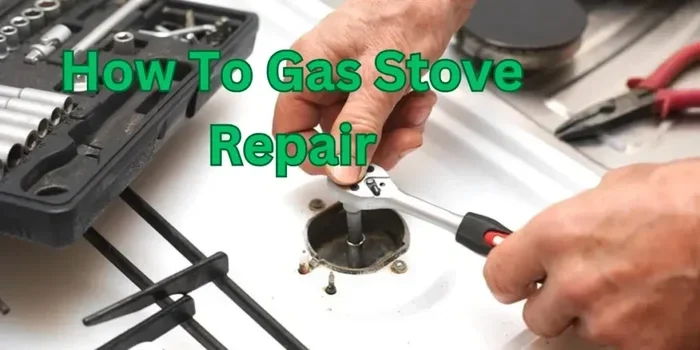
How To Fix Gas Oven That Wont Heat Up For Good Today
A gas oven that wont heat up is a frustrating kitchen problem, but most causes are simple to fix at home. The most common culprits include a faulty oven igniter, a broken bake burner, or a blown thermal fuse. This guide walks you through every possible fix, from easy DIY repairs to knowing when to call a professional. By the end, you will have the knowledge and confidence to restore your oven’s heating power safely and quickly.
Key Takeaways
- Igniter Failure: A weak or broken oven igniter is the #1 reason a gas oven that wont heat up, and it is usually an easy and affordable replacement.
- Gas Supply Issues: A closed gas supply valve or a clogged gas line can stop your oven from heating, and these are quick to check.
- Thermal Fuse Blowout: A blown thermal fuse shuts off the oven entirely, and you can test it with a multimeter to confirm the problem.
- Temperature Sensor Trouble: A faulty oven temperature sensor causes uneven or no heating, and recalibrating or replacing it often solves the issue.
- Control Board Failure: In rare cases, the oven control board fails and needs professional diagnosis or replacement.
- Safety First: Always turn off the gas supply before attempting any repair, and call a licensed technician if you smell gas or feel unsure.
📑 Table of Contents
- Why Your Gas Oven That Wont Heat Up Is Happening
- Check the Oven Igniter First
- Inspect the Bake Burner and Broil Burner
- Verify the Gas Supply Is On
- Test the Thermal Fuse
- Examine the Oven Temperature Sensor
- Look at the Oven Control Board
- Compare Common Gas Oven Heating Problems
- Quick Tips to Prevent Future Heating Problems
- Common Mistakes People Make When Fixing a Gas Oven
- When to Call a Professional
- Final Thoughts on Fixing Your Gas Oven
Why Your Gas Oven That Wont Heat Up Is Happening
There is nothing more disappointing than preheating your oven for a Sunday roast and finding out your gas oven that wont heat up. You set the temperature, wait, and… nothing happens. Or maybe the oven heats up very slowly, or only the top works while the bottom stays cold.
Before you panic or call a repair technician, take a breath. Most of the time, the problem is something simple that you can fix yourself. Understanding why your oven stopped heating is the first step toward getting it working again. Let us walk through the most common reasons and what you can do about each one.
Check the Oven Igniter First
The igniter is the small glow plug located near the bake burner at the bottom of your oven. When you turn the oven on, the igniter glows bright orange and heats up until it is hot enough to open the gas valve. Once the gas flows, the igniter lights it and your oven starts heating.
Signs Your Igniter Is Failing
How do you know if the igniter is the problem? Here are the clear signs:
- The igniter glows dimly or takes more than 90 seconds to light the oven.
- The igniter glows but the oven never heats up at all.
- The igniter looks cracked, broken, or worn out visually.
- The oven takes much longer than usual to reach the set temperature.
If you notice any of these signs, the igniter is likely the root cause. A weak igniter cannot draw enough current to open the gas valve, which means no gas flows and no flame appears. This is the most common reason a gas oven that wont heat up, and it affects ovens of all brands and ages.
How to Replace the Igniter
Replacing an oven igniter is one of the easiest repairs you can do at home. Here is how:
- Turn off the oven and unplug it from the wall.
- Remove the oven racks and the bottom panel to access the igniter.
- Disconnect the igniter wire connector from the control board.
- Remove the mounting screws holding the old igniter in place.
- Install the new igniter in the same position and secure it with screws.
- Reconnect the wire connector and replace the bottom panel.
- Plug the oven back in and test it by setting the temperature.
Igniters cost between $15 and $40, and you can find the right one by checking your oven model number. This simple fix solves the problem in over 70% of cases where a gas oven that wont heat up.
Inspect the Bake Burner and Broil Burner
While the igniter lights the flame, the actual burner tubes do the heating work. The bake burner sits at the bottom of the oven, and the broil burner is at the top. If either one is clogged, damaged, or corroded, your oven will not heat properly.
Common Burner Problems
Burner issues come in several forms:
- Clogged burner ports: Food debris, grease, and spills can block the small holes where gas exits. This creates an uneven or weak flame.
- Damaged burner tube: A cracked or warped burner tube lets gas leak before it can ignite properly.
- Corrosion: Over time, moisture causes rust on the burner surface, which blocks gas flow.
- Uneven heating: If the broil burner works but the bake burner does not, the problem is specific to the bottom heating system.
To clean a clogged bake burner, remove the burner tube and soak it in warm soapy water. Use a toothpick or a thin wire to clear each port gently. Never use a pin or sharp metal that could enlarge the holes. A clean burner tube ensures proper gas flow and a strong, even flame.
Verify the Gas Supply Is On
This sounds obvious, but it is surprisingly common. A closed gas valve is one of the easiest reasons for a gas oven that wont heat up, and people often overlook it. Before you start replacing parts, make sure the gas supply is actually reaching the oven.
Steps to Check the Gas Supply
- Locate the gas shutoff valve behind or near your oven.
- Make sure the valve handle is in the open position (parallel to the gas line).
- If you have a gas stove with both a cooktop and an oven, check if the cooktop burners light. If they do not, the problem is with the gas supply, not the oven specifically.
- Check the gas meter to ensure there is no service interruption from your utility company.
- If you have a propane tank, verify that it has gas remaining and the tank valve is fully open.
If the gas supply valve was accidentally turned off, simply turning it back on may restore your oven’s heating. However, if you smell gas at any point, do not attempt to light the oven. Open windows, leave the area, and contact your gas company immediately.
Test the Thermal Fuse
The thermal fuse is a safety device that protects your oven from overheating. If the oven gets too hot or if airflow is blocked, the thermal fuse blows and cuts power to the heating system. Once a thermal fuse blows, the oven will not heat up at all, even if every other part is working perfectly.
How to Test a Thermal Fuse
You need a multimeter to test the thermal fuse. Here is the process:
- Unplug the oven or turn off the circuit breaker.
- Locate the thermal fuse, which is usually mounted near the oven cavity or on the back panel.
- Disconnect the wires from the fuse terminals.
- Set your multimeter to the continuity setting.
- Touch the multimeter probes to each end of the fuse.
- If there is no continuity (the reading stays at zero or OL), the fuse is blown and needs replacement.
Thermal fuses are inexpensive, typically costing $10 to $25. However, a blown thermal fuse often indicates an underlying problem, such as a blocked vent, a failing fan, or an overheating issue. Replacing the fuse without addressing the root cause means the new fuse will blow again.
Examine the Oven Temperature Sensor
The temperature sensor is a metal probe that measures the internal oven temperature and sends signals to the control board. When the sensor is dirty, damaged, or misaligned, the oven may not heat correctly or may shut off prematurely.
Symptoms of a Faulty Temperature Sensor
- The oven heats up but never reaches the set temperature.
- The oven overheats and then shuts off suddenly.
- The temperature reading fluctuates wildly during cooking.
- The oven takes an unusually long time to preheat.
To test the sensor, remove it from the oven cavity and check its resistance with a multimeter. At room temperature, most sensors read between 1,000 and 1,100 ohms. If the reading is significantly different, the sensor needs replacement. You can also clean the sensor tip with a soft cloth to remove any grease or food residue that might be affecting its readings.
Look at the Oven Control Board
The control board is the brain of your oven. It sends electrical signals to the igniter, the heating elements, and the gas valve based on the temperature you set. When the control board fails, it can prevent the oven from heating in several ways.
When the Control Board Is the Problem
Control board failures are less common than igniter or burner issues, but they do happen. Signs include:
- The oven display works but shows no response when you set a temperature.
- The oven heats erratically or at the wrong temperature.
- Multiple oven functions stop working at the same time.
- The oven starts and stops randomly without input.
Before replacing the control board, make sure the problem is not caused by a simpler issue. Check the wiring connections to the board for any loose or corroded terminals. Sometimes a loose connection mimics a control board failure. If the board itself is faulty, replacement costs typically range from $100 to $300, depending on your oven model.
Compare Common Gas Oven Heating Problems
Not sure which problem you are dealing with? Use this comparison table to narrow down the cause of your gas oven that wont heat up.
| Symptom | Likely Cause | DIY Fix? |
|---|---|---|
| Oven does not heat at all | Failed igniter or blown thermal fuse | Yes, in most cases |
| Oven heats slowly | Weak igniter or clogged burner | Yes |
| Oven heats unevenly | Clogged bake burner or faulty sensor | Yes |
| Oven works on broil but not bake | Bake burner or bake igniter failure | Yes |
| Oven display is blank or unresponsive | Control board or power issue | Maybe, check power first |
| Gas smell but no flame | Gas valve or igniter failure | Do not attempt, call a pro |
Quick Tips to Prevent Future Heating Problems
Once you fix your gas oven that wont heat up, you want to keep it running smoothly. Here are some simple habits that extend the life of your oven:
- Clean your oven regularly: Food spills and grease buildup can clog burner ports and affect the temperature sensor. Wipe up spills as soon as the oven cools down.
- Do not block the vents: Keep oven racks and other items away from the internal vents to maintain proper airflow.
- Check the igniter annually: If you notice the igniter taking longer than usual to light, replace it before it completely fails.
- Use the right cookware: Oversized pots and foil-covered dishes can block heat circulation and cause uneven heating.
- Calibrate your oven: Use an oven thermometer to verify that your oven heats to the correct temperature. If it is off by more than 25 degrees, recalibrate it.
Common Mistakes People Make When Fixing a Gas Oven
Even with good intentions, homeowners often make mistakes when trying to repair a gas oven that wont heat up. Avoid these common errors:
Skipping the Gas Supply Check
Many people jump straight into replacing parts without checking if the gas supply is actually on. This wastes time and money on unnecessary parts replacements. Always verify the gas valve first.
Using the Wrong Igniter
Not all igniters are the same. Using an igniter with the wrong amperage can cause the gas valve to open partially or not at all. Always match the replacement igniter to your specific oven model.
Ignoring the Thermal Fuse Cause
If you replace a blown thermal fuse without finding out why it blew, the new fuse will fail again. Always investigate the root cause, such as poor ventilation or a failing fan motor.
Forgetting to Unplug the Oven
Working on any appliance without disconnecting the power is dangerous. Always unplug the oven or turn off the circuit breaker before starting any repair work.
Attempting Gas Line Repairs Yourself
If you suspect a gas line leak or a problem with the gas valve itself, do not attempt to repair it yourself. Gas leaks are extremely dangerous and require a licensed professional.
When to Call a Professional
Most oven heating problems can be fixed with basic tools and a little patience. However, there are situations where calling a professional is the safest and smartest choice.
You should call a licensed technician if:
- You smell gas and cannot locate the source.
- The gas valve needs replacement, as this involves working with live gas lines.
- The control board requires advanced diagnostics that go beyond a simple visual check.
- You have tried the fixes above and the oven still does not heat.
- Your oven is under warranty, and DIY repairs could void the coverage.
A qualified oven repair technician has the training, tools, and experience to diagnose complex issues safely. The cost of a professional visit typically ranges from $100 to $250 for diagnostics and labor, with parts priced separately. In many cases, a professional repair is more cost-effective than buying a new oven.
Final Thoughts on Fixing Your Gas Oven
A gas oven that wont heat up can disrupt your entire cooking routine, but the good news is that most causes are fixable with basic knowledge and simple tools. The igniter, bake burner, gas supply, thermal fuse, temperature sensor, and control board are the six main areas to investigate. Start with the simplest and most common fix, which is usually the igniter, and work your way through this list.
Always put safety first. If you are ever unsure or uncomfortable with a repair, do not hesitate to call a professional. A few hundred dollars spent on a repair is far better than the risk of a gas leak or electrical hazard.
With the right approach, you can fix your gas oven today and get back to baking, roasting, and cooking your favorite meals without any more frustration. Your kitchen is about to feel like home again.
Frequently Asked Questions
Why does my gas oven not heat up but the stove top works?
This usually means the oven igniter or bake burner is the problem, while the stove top operates on a separate gas line. Check the oven igniter first, as a weak igniter cannot open the gas valve for the oven even though the cooktop works fine.
How much does it cost to fix a gas oven that wont heat up?
DIY repairs like replacing an igniter or thermal fuse cost between $15 and $40 for the part. Professional repairs range from $100 to $250 for labor and diagnostics, with parts priced separately depending on the component that needs replacing.
Can a gas oven that wont heat up be dangerous?
If the issue is a gas leak or a faulty gas valve, yes, it can be dangerous. Always smell for gas before working on your oven, and if you detect a gas odor, leave the area and contact your gas company immediately. Never use an open flame to check for leaks.
How long does it take to replace an oven igniter?
Most homeowners can replace an oven igniter in 30 to 60 minutes. It requires basic tools like a screwdriver and a nut driver, and the part itself is inexpensive and widely available online or at appliance parts stores.
What should I do if the igniter glows but the oven still wont heat?
If the igniter glows but does not light the gas, the igniter may be too weak to open the gas valve. Replace the igniter with a new one that matches your oven model. If the new igniter also fails to light the gas, the gas valve itself may be the issue and requires professional diagnosis.
How can I tell if the oven temperature sensor is bad?
Use a multimeter to check the sensor resistance at room temperature. Most sensors should read between 1,000 and 1,100 ohms. If the reading is significantly higher or lower, or if the oven consistently heats to the wrong temperature, the sensor likely needs replacement.
=== CONCLUSION ===
Fixing a gas oven that wont heat up is easier than most people think. The igniter, burner, gas supply, thermal fuse, temperature sensor, and control board are the six main areas to check, and most of these repairs are simple and affordable. Start with the basics, work through the list systematically, and always prioritize safety. With the right approach, you can have your oven heating properly again today and enjoy cooking without any more interruptions.