Can You Bake Wax Paper In The Oven Without Burning
Can you bake wax paper in the oven? The short answer is: only at very low temperatures, and it is risky. Wax paper has a thin wax coating that melts around 200°F, creating a fire hazard and unpleasant smoke. Parchment paper is the oven-safe choice for almost all baking tasks. This guide explains the wax paper oven limits, dangers, and the best baking parchment swaps.
Have you ever grabbed a sheet of wax paper and wondered if it can go in the oven? You are not alone. Many home bakers face this question when they run out of parchment paper. The simple truth is that wax paper and oven heat do not mix well. The wax coating on the paper can melt, smoke, or even catch fire. This article answers the question can you bake wax paper in the oven once and for all. You will learn the safe temperature limits, the real dangers, and the best alternatives for your kitchen.
Baking should feel fun and safe, not scary. When you know what paper can handle heat, you avoid messes and hazards. Wax paper safety depends on understanding how the material reacts to high temperatures. We will break down the science in plain language. You will walk away with clear, actionable tips. No jargon, no confusion. Just helpful kitchen tips you can use today.
Whether you line a cookie sheet or wrap leftovers, the right paper matters. This guide covers wax paper in oven scenarios, compares it to parchment paper, and gives you a side-by-side table. You will also find quick tips, common mistakes, and expert insights. Let us get started and make your next bake a success.
Key Takeaways
- Wax paper melts in the oven: The wax coating starts to liquefy at low temperatures, making it unsafe for baking.
- Parchment paper is the safe swap: It is silicone-treated and can handle high heat without burning.
- Never use wax paper above 200°F: Even short exposure near heating elements can cause a fire.
- Quick tips keep you safe: Always check the temperature, keep paper away from elements, and use oven-safe liners.
- Common mistakes cause accidents: Confusing wax paper with parchment paper is the top kitchen error.
- Alternatives work better: Silicone mats, aluminum foil, and greaseproof paper give great results.
- Bottom line: For baking with wax paper, choose a different liner every time.
📑 Table of Contents
What Is Wax Paper And How Is It Different From Parchment Paper?
It is easy to confuse wax paper with parchment paper. They look similar, but they are very different. Knowing the difference helps you choose the right liner for your baking sheet or cookie sheet.
Wax Paper Composition
Wax paper is regular paper coated with a thin layer of wax. The wax makes it moisture-resistant and non-stick for cold tasks. You can use it to wrap sandwiches or line a counter when rolling dough. The wax gives it a smooth, glossy feel. However, that same wax is the problem when heat enters the picture.
The wax coating has a low melting point. It starts to soften around 100°F and melts fully near 200°F. That is well below most oven temperatures. So when you place wax paper in a hot oven, the wax begins to liquefy. It can soak into your food or drip onto the oven floor. Wax melt creates a greasy mess and a strong smell.
Parchment Paper Comparison
Parchment paper is treated with silicone, not wax. Silicone is heat-resistant and can handle temperatures up to 450°F. This makes parchment paper truly oven-safe. You can line a baking pan, roast vegetables, or bake cookies without worry. Parchment paper is also known as baking parchment or greaseproof paper.
Here is a quick look at how they compare:
| Feature | Wax Paper | Parchment Paper |
|---|---|---|
| Coating | Wax | Silicone |
| Heat Resistance | Low (melts at ~200°F) | High (safe up to 450°F) |
| Oven Safe | No | Yes |
| Common Uses | Wrapping, cold prep | Baking, roasting |
| Non-Stick When Hot | No (wax melts) | Yes |
| Cost | Low | Slightly higher |
As the table shows, parchment paper is the clear winner for any task involving heat. If you see a recipe that says “line with parchment,” do not reach for wax paper. The wax paper vs parchment debate is simple: parchment handles heat, wax paper does not.
Can You Put Wax Paper In The Oven?
The direct answer to can you put wax paper in the oven is no, not at baking temperatures. Some people claim it works if the oven is very cool. But even then, the risks outweigh any benefit. Let us look at the temperature limits and what really happens.
Temperature Limits
The melting point of wax is around 200°F. Most ovens bake at 300°F or higher. That means the wax will melt long before your food is done. Even at 170°F, the wax can start to soften and release fumes. The oven temperature limit for wax paper is far below any useful baking range.
Some wax papers are labeled “oven-safe” for very brief, low-heat tasks like keeping a cheese sandwich warm. But this is not the same as baking a cake or cookies. The label does not mean the paper can handle the direct heat of an oven element.
What Happens When Wax Paper Gets Hot?
When wax paper heats up, several things happen in sequence. First, the wax softens and turns into a liquid. It can seep onto your food, making it greasy. Next, the paper itself starts to dry out and brown. At higher temperatures, the paper can scorch or ignite. The wax paper burning point is not much higher than the melting point of the wax.
A burning piece of paper in the oven is a serious fire hazard. It can set off smoke alarms, stain your oven, and release harmful fumes. Even if you catch it quickly, the melted wax can be hard to clean. It may coat the oven racks or drip into the heating elements. This is why wax paper safety experts always say: keep it out of the oven.
Quick Tips
- Check the label: If it says wax paper, do not put it in the oven.
- Use parchment for lining: Always choose parchment paper for baking sheets and cookie sheets.
- Keep a fire extinguisher handy: Know how to use it in case of a paper fire.
- Set a timer: Overbaking can push oven temps higher, increasing any paper risk.
The Dangers Of Baking With Wax Paper
Using wax paper in the oven is not just a minor mistake. It carries real dangers that every baker should understand. The risks range from ruined food to a full-blown kitchen fire.
Fire Hazard
The biggest danger is fire. Wax paper is combustible. When it dries out and the wax melts away, the bare paper can catch fire if it touches a heating element or a hot spot. Ovens have uneven heat, so a piece of paper can drift toward the back wall and ignite. A paper burn can spread quickly. Never leave a wax paper-lined pan unattended in the oven.
Wax Melting And Smoke
As the wax melts, it produces smoke and an unpleasant odor. The smoke can stick to your cabinets and walls. It can also taint the flavor of your food. Melted wax can drip onto the oven floor and create a hard-to-clean mess. In some cases, the fumes from overheated wax may release chemicals you do not want in your kitchen.
Common Mistakes To Avoid
Many people make the same error: they confuse wax paper with parchment paper. Both are translucent and feel similar in the kitchen. But they behave very differently in heat. Another mistake is reusing wax paper that has been in the oven once. Even if it looks okay, the wax may be partially melted and unstable. Wax paper safety means discarding it after any heat exposure.
Some bakers also try to “make it safe” by lowering the oven temperature. This does not work. Most baking recipes require at least 300°F. That is far above the safe limit for wax. Do not try to improvise with wax paper in the oven. The risk is simply not worth it.
When Is It Safe To Use Wax Paper In The Oven?
There are very few situations where wax paper can be near heat without danger. Understanding these exceptions helps you use wax paper wisely for tasks it was designed for, not for baking.
Short-Term Exposure
Wax paper can be used in a very cool oven for a short time. For example, you might use it to cover a dish while it warms in a low-temp oven (below 170°F). Even then, the paper should not touch the heating elements. This is not a standard baking practice, and most experts advise against it. If you need a cover for a warm dish, use a lid or a damp cloth instead.
Lining Baking Sheets
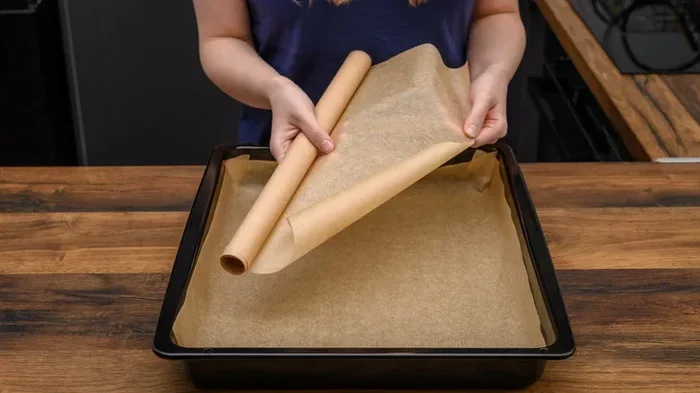
Some people use wax paper to line a baking sheet for rolling out dough or cooling cookies. This is fine as long as the paper never goes into the hot oven. The wax paper protects the counter, but it stays on the cool surface. Once the cookies go into the oven, the wax paper must be removed. The baking sheet should be bare or lined with parchment.
Quick Tips
- Use wax paper for cold prep only: Wrapping, lining cool surfaces, and protecting countertops.
- Never let it touch the oven walls or elements: Even brief contact at high heat can cause ignition.
- Replace wax paper with parchment for any hot task: It is a simple swap that keeps you safe.
- Store wax paper away from the stove: Heat from the oven can accidentally warm it and cause the wax to soften.
Best Alternatives To Wax Paper For Baking
Since wax paper is not safe for baking, what should you use instead? The good news is there are several excellent, oven-safe options. Each has its own strengths for different baking tasks.
Parchment Paper
Parchment paper is the top choice for most bakers. It is coated with silicone, which makes it naturally non-stick and heat-resistant. You can use it to line cake pans, cookie sheets, and loaf pans. Parchment paper prevents sticking without the need for extra butter or oil. It also makes cleanup a breeze. When a recipe calls for “lining a pan,” reach for parchment every time.
Parchment paper is often called baking parchment or greaseproof paper. It is widely available and affordable. You can find it in rolls or pre-cut sheets. For high-heat tasks like roasting, look for a heavy-duty version that can handle 450°F.
Silicone Baking Mats
A silicone baking mat is a reusable alternative to parchment paper. It is made of fiberglass and silicone, making it completely heat-resistant. You can place it directly on a cookie sheet or baking pan. The mat provides a non-stick surface that lasts for hundreds of uses. It is also eco-friendly because it eliminates the need for disposable paper liners.
Silicone mats are sometimes called silicone paper or reusable parchment. They are a great investment for frequent bakers. They work well for cookies, pastries, and even bread. Just make sure the mat fits your pan snugly so it does not overlap the edges and touch the oven walls.
Aluminum Foil
Aluminum foil can line a baking sheet, but it does not provide a non-stick surface. Food may stick to the foil, especially baked goods. You can lightly grease the foil to reduce sticking. Foil is useful for lining the bottom of an oven to catch drips. It reflects heat and can help with even browning. However, foil is not a direct substitute for parchment when you need a non-stick finish.
For tasks like roasting vegetables or baking pizza, foil works well. Just remember that foil can cause hot spots if it touches the heating elements. Use it carefully and never cover the entire oven floor with foil, as it can block airflow and affect cooking.
Practical Tips For Using Wax Paper Safely
Even though wax paper should not go in the oven, you can still use it safely in the kitchen. These practical tips will help you get the most out of wax paper while keeping your baking safe.
Keep Away From Heating Elements
Always store wax paper far from the stove and oven. Heat from the oven can slowly warm the wax, even when the oven is off. A warm kitchen can soften the wax coating over time. Store wax paper in a cool, dry cabinet away from the range. This simple habit extends the life of the paper and prevents accidental use in the wrong place.
Check The Temperature
Before you line any pan, double-check what the recipe requires. If the oven will be above 200°F, you need parchment or a silicone mat. If you are unsure, it is always safer to use parchment. Wax paper oven use should only happen in cool or room-temperature settings. When in doubt, choose the safer option.
Expert Insight
Professional bakers often say that parchment paper is a staple in every kitchen. It is inexpensive and versatile. Many pastry chefs keep a roll of parchment right next to their workstation. They never use wax paper for baking. As one expert notes, “The few cents you save on wax paper are not worth the risk of a kitchen fire or ruined food.”
Key Takeaways
- Wax paper melts in the oven: The wax coating starts to liquefy at low temperatures, making it unsafe for baking.
- Parchment paper is the safe swap: It is silicone-treated and can handle high heat without burning.
- Never use wax paper above 200°F: Even short exposure near heating elements can cause a fire.
- Quick tips keep you safe: Always check the temperature, keep paper away from elements, and use oven-safe liners.
- Common mistakes cause accidents: Confusing wax paper with parchment paper is the top kitchen error.
- Alternatives work better: Silicone mats, aluminum foil, and greaseproof paper give great results.
- Bottom line: For baking with wax paper, choose a different liner every time.
Conclusion
The answer to can you bake wax paper in the oven is a clear no for most baking situations. Wax paper is designed for cold kitchen tasks, not for high heat. The wax coating melts, creating a fire hazard, smoke, and a messy cleanup. Wax paper safety means keeping it far from the oven and using the right liner instead.
When you need a non-stick surface for baking, reach for parchment paper or a silicone mat. These oven-safe alternatives work beautifully at any baking temperature. They give you the same convenience as wax paper, without the danger. Parchment paper is widely available, affordable, and easy to use. A silicone mat is an even greener choice for regular bakers.
Remember the wax paper vs parchment difference. Wax paper is for wrapping and cold prep. Parchment is for baking and roasting. This simple swap keeps your food safe and your kitchen accident-free. Next time you line a baking sheet or cookie sheet, choose parchment. Your cakes, cookies, and pastries will turn out perfectly every time.
Use the quick tips and alternatives shared in this guide. Avoid common mistakes like confusing the two papers or trying to improvise with wax. Share these kitchen tips with friends who might be unsure. With the right knowledge, you can bake with confidence. Can you bake wax paper in the oven? Now you know exactly why the answer is no, and what to use instead.
Frequently Asked Questions
Can you bake wax paper in the oven at 350 degrees?
No, wax paper will melt and potentially catch fire at 350°F. The wax coating liquefies well below this temperature, creating a serious fire hazard. Always use parchment paper for baking at this heat.
What happens if you accidentally put wax paper in the oven?
The wax will melt, the paper may smoke or ignite, and it can damage your oven. Turn off the oven immediately if this happens. Let it cool before removing the paper, and ventilate the kitchen to clear any smoke.
Is wax paper ever oven-safe?
Wax paper is not considered oven-safe for baking. Some brands label it as safe for very brief, low-heat tasks like warming a sandwich, but it should never be used for actual baking or roasting.
What is the difference between wax paper and parchment paper?
Wax paper is coated with wax, which melts at low temperatures. Parchment paper is coated with silicone, making it heat-resistant and safe for oven use up to 450°F. Parchment is the correct choice for all baking tasks.
Can you use wax paper to line a baking sheet?
You can use wax paper on a cool baking sheet for tasks like rolling dough or cooling cookies, but it must never go into the hot oven. For oven lining, parchment paper or a silicone mat is the safe option.
What temperature does wax paper melt?
The wax coating on wax paper begins to melt at around 200°F. Most baking temperatures are 300°F or higher, so the wax will melt long before your food is done. This is why wax paper is not suitable for oven use.