Oven Baked Salmon How Long To Bake The Perfect Fillet
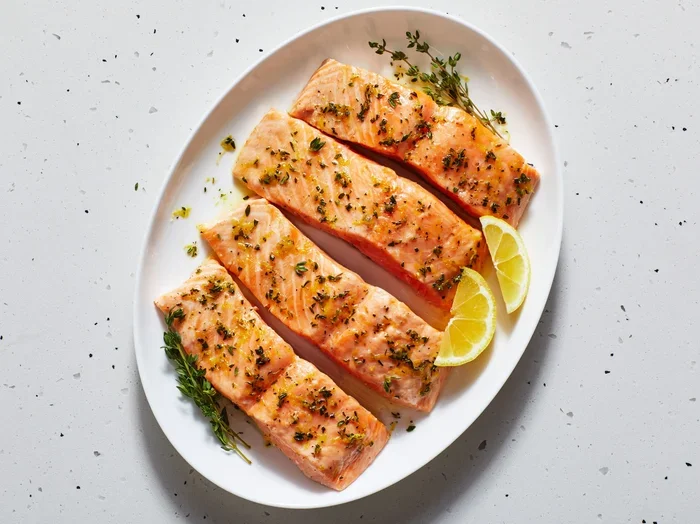
Oven Baked Salmon How Long depends on fillet thickness, oven temp, and your desired doneness. Most salmon fillets bake perfectly in 12 to 20 minutes at 400°F. This guide covers everything from timing and temperature to seasoning tips and common mistakes so you can bake salmon like a pro every single time.
Few meals are as easy and elegant as oven baked salmon. It is fast, healthy, and incredibly delicious. Yet so many home cooks struggle with one simple question: how long to bake salmon in the oven? The answer is not always straightforward because several factors play a role. Fillet thickness, oven accuracy, and even the starting temperature of your fish all matter.
In this guide, we will walk you through everything you need to know about oven baked salmon how long to bake. You will learn the ideal temperatures, timing for different cuts, and foolproof tips for juicy, flavorful results every time. Whether you are a beginner or a seasoned home chef, this article will help you nail baked salmon recipe basics and beyond.
We will also cover common mistakes, skin-on baking tricks, and creative seasoning ideas. By the end, you will feel confident pulling a perfect fillet out of your oven without guessing. Let us dive in and make perfect baked salmon a regular part of your dinner rotation.
Key Takeaways
- Standard bake time: Most salmon fillets need 12 to 20 minutes at 400°F.
- Thickness matters: Thicker cuts need more time; thin fillets cook fast.
- Internal temp is key: The USDA recommends 145°F for safe, flaky salmon.
- Season simply: Salt, pepper, lemon, and olive oil go a long way.
- Avoid overcooking: Pull salmon off heat when it is just slightly underdone.
- Crispy skin is easy: Start skin-side down on a hot sheet pan.
- Rest your fish: Let salmon rest for 3 to 5 minutes after baking.
📑 Table of Contents
- How Long to Bake Salmon in the Oven
- The Best Oven Temperature for Salmon
- Step-by-Step Guide to Baking Salmon
- How to Tell When Salmon Is Done
- Common Mistakes to Avoid When Baking Salmon
- Tips for Perfect Crispy Salmon Skin
- Flavor Variations and Recipe Ideas
- How to Store and Reheat Leftover Baked Salmon
- Health Benefits of Baking Salmon
- Conclusion
How Long to Bake Salmon in the Oven
The most common question home cooks ask is: oven baked salmon how long should it go in the oven? The short answer is 12 to 20 minutes at 400°F. But the full picture is a bit more nuanced. Let us break it down by fillet size and oven temperature so you can plan your next meal with confidence.
Standard Baking Time for Salmon Fillets
A standard salmon fillet that is about 1 inch thick will bake in roughly 12 to 15 minutes at 400°F. This is the sweet spot for most home ovens. The fish cooks evenly at this temperature, and the flesh stays moist and tender. If your fillet is thinner, around half an inch, it may only need 8 to 10 minutes.
For a thicker cut, say 1.5 inches, you might need closer to 18 to 20 minutes. The key is to use a meat thermometer. Insert it into the thickest part of the fillet for the most accurate reading. This takes the guesswork out of salmon cooking time completely.
Adjusting Time for Different Salmon Cuts
Not all salmon pieces are the same. Here is how different cuts affect your baking time:
- Standard fillets (1 inch thick): 12 to 15 minutes at 400°F
- Thin fillets (half inch): 8 to 10 minutes at 400°F
- Thick center-cut fillets (1.5 inches): 18 to 22 minutes at 400°F
- Skin-on whole sides: 20 to 25 minutes at 400°F
- Portioned steaks (1 inch): 12 to 15 minutes at 400°F
Remember that baking salmon fillet times can vary based on your specific oven. Some ovens run hot, while others run cool. Knowing your oven’s quirks helps you adjust salmon oven recipe timing with ease.
The Best Oven Temperature for Salmon
Temperature is just as important as time when it comes to oven baked salmon how long it takes. The wrong temperature can dry out your fish or leave it undercooked in the center. Let us explore why certain temperatures work best for salmon fillet baking.
Why 400°F Is the Sweet Spot
Most chefs and home cooks agree that 400°F is the ideal temperature for baking salmon. Here is why it works so well:
- It cooks the fish quickly without drying it out.
- The high heat helps crisp up the skin beautifully.
- It creates a nice sear on the outside while keeping the inside tender.
- Most salmon baking tips from professional chefs recommend this temperature.
At 400°F, a standard fillet goes from raw to perfectly cooked in about 12 to 15 minutes. This short window means less chance of overcooking. The salmon internal temperature will rise to a safe 145°F without turning the fish rubbery or chalky.
Lower Temp Options for Thicker Cuts
If you are working with a very thick piece of salmon, you might want to lower the oven temperature to 375°F. This gives the heat more time to penetrate the center without burning the outside. Expect to bake at 375°F for about 20 to 25 minutes for a 1.5-inch fillet.
Some cooks also prefer 350°F for a gentler cook. This method works well for baked salmon recipe versions that include a sauce or glaze. The lower heat allows the glaze to caramelize slowly without burning. However, you will need to add a few extra minutes to your salmon cooking time.
| Oven Temperature | Fillet Thickness | Approximate Bake Time | Best For |
|---|---|---|---|
| 400°F | 1 inch | 12 to 15 minutes | Standard fillets, crispy skin |
| 375°F | 1.5 inches | 20 to 25 minutes | Thick cuts, glazed salmon |
| 350°F | 1 inch | 18 to 22 minutes | Sauced or covered salmon |
| 425°F | 0.75 inch | 8 to 12 minutes | Thin fillets, quick meals |
Step-by-Step Guide to Baking Salmon
Now that you know the timing and temperature, let us walk through the actual process of how to bake salmon in oven. Following these steps ensures consistent, delicious results every time you make oven baked salmon.
Prepping Your Salmon Fillet
Start by removing your salmon from the refrigerator about 10 to 15 minutes before baking. This lets the fish come closer to room temperature, which promotes even cooking. Cold fish going into a hot oven can lead to uneven results, with the outside overcooked and the center still cold.
Next, pat the fillet dry with paper towels. This step is crucial for getting crispy skin. Moisture on the surface creates steam, which prevents crisping. A dry surface means better texture and a more appealing finish. Season both sides lightly with salt and pepper at this stage.
Seasoning Ideas and Flavor Combinations
The beauty of baked salmon fillet recipes is how customizable they are. Here are some simple yet delicious seasoning combinations:
- Classic Lemon Herb: Olive oil, fresh dill, lemon zest, garlic, salt, and pepper.
- Asian-Inspired: Soy sauce, sesame oil, ginger, honey, and a sprinkle of sesame seeds.
- Mediterranean: Olive oil, lemon juice, capers, Kalamata olives, and dried oregano.
- Honey Mustard Glaze: Dijon mustard, honey, olive oil, and a pinch of smoked paprika.
- Simple and Clean: Just salt, pepper, a squeeze of lemon, and a drizzle of olive oil.
For the best results, brush your seasoning mix onto the salmon just before placing it in the oven. This helps the flavors adhere and creates a light protective layer that keeps the fish moist during baking.
How to Tell When Salmon Is Done
Knowing when your oven baked salmon is ready is one of the most important skills to master. Overcooked salmon is dry and chalky, while undercooked salmon is unsafe. Here is how to get it just right.
Internal Temperature Guide
The most reliable way to check if salmon is done is with an instant-read meat thermometer. Insert it into the thickest part of the fillet at an angle. Here are the key temperatures to watch for:
- 120°F: Rare. The center is completely translucent and raw-looking.
- 125°F to 130°F: Medium-rare. This is the favorite doneness for many salmon lovers. The center is slightly translucent and buttery.
- 135°F to 140°F: Medium. The fish is opaque throughout with a slightly tender center.
- 145°F: Well done. The USDA recommends this temperature for food safety. The fish is fully opaque and flakes easily.
For most people, pulling the salmon at 130°F to 135°F gives the best results. The fish will continue to cook slightly after removing it from the oven. This carryover cooking brings the internal temperature up to a safe 145°F while keeping the fillet moist and juicy.
Visual and Texture Cues
Beyond a thermometer, there are visual signs that your salmon filet cooking time is complete. The flesh should turn from translucent deep orange to a solid opaque pink. When you gently press the top of the fillet with your finger, it should feel firm but still yield slightly. If it feels mushy, it needs more time. If it feels very firm and hard, it may be overcooked.
Also look at the edges. A lightly golden brown color on the edges is a great sign. The skin, if left on, should be crispy and golden, not pale or soggy.
Common Mistakes to Avoid When Baking Salmon
Even experienced cooks make mistakes with oven baked salmon. Knowing what to avoid saves time, money, and a lot of frustration. Here are the most common pitfalls and how to steer clear of them.
Overcooking Your Salmon
Overcooking is the number one mistake people make with salmon. The thin line between perfectly cooked and dry, rubbery salmon is very thin. Since oven baked salmon how long it takes depends on many variables, it is always better to pull the fish out a little early. You can always put it back for a minute or two if needed.
Set a timer and check the temperature early. If you rely only on the clock, you risk missing the window of perfection. Remember that salmon baking tips from professional chefs always emphasize checking early and often.
Skipping the Resting Period
Many people pull their salmon out of the oven and serve it immediately. This is a mistake. Letting the fillet rest for 3 to 5 minutes allows the juices to redistribute throughout the fish. When you cut into it right away, those juices run out onto the plate instead of staying in the fillet.
Tent the salmon loosely with aluminum foil during resting. This keeps it warm without trapping too much steam, which would make the skin soggy. That short rest makes a noticeable difference in texture and flavor.
Tips for Perfect Crispy Salmon Skin
If you love crispy salmon skin, you are not alone. That satisfying crunch adds texture and flavor to every bite. Getting it right is easier than you might think, and it all comes down to a few simple techniques for salmon skin crispy perfection.
Skin-On vs Skin-Off Baking
Baking salmon skin-on gives you that satisfying crunch. Start by placing the fillet skin-side down on a parchment-lined sheet pan. The skin acts as a protective layer, preventing the delicate flesh from sticking to the pan. It also crisps up beautifully when exposed to direct heat.
If you prefer skinless salmon, you can still get great results. Just be aware that skinless fillets cook a bit faster since there is no insulating layer. Reduce your salmon oven recipe time by a couple of minutes and check for doneness early.
Pan-Seared Skin Tips
For the crispiest possible skin, try this two-step method. First, bake the salmon in the oven until it is almost done. Then, finish it under a hot broiler for 1 to 2 minutes with the skin facing up. This gives the skin an extra crunch without overcooking the flesh. It is a trick many restaurants use for delicious baked salmon with perfect texture.
Another pro tip is to rub a thin layer of oil on the skin before baking. This helps conduct heat more evenly and promotes crispiness. Make sure your oven and sheet pan are hot before the salmon goes in. A hot start is essential for crispy skin.
Flavor Variations and Recipe Ideas
Once you have mastered the basics of oven baked salmon how long to bake, it is time to get creative with flavors. Different seasoning profiles turn the same simple fillet into an entirely new dish. Here are some popular variations to try.
Herb-Crusted Baked Salmon
This is a crowd-pleaser that feels fancy but is incredibly easy. Mix chopped fresh herbs like dill, parsley, and thyme with softened butter, garlic, and a squeeze of lemon. Spread the mixture over the top of your seasoned fillet and bake at 400°F for 12 to 15 minutes. The herbs toast slightly in the oven and create a fragrant, flavorful crust on top of the baked salmon recipe.
Honey Garlic and Lemon Salmon
For a sweet and savory twist, whisk together honey, minced garlic, olive oil, and fresh lemon juice. Brush this glaze onto your salmon during the last 5 minutes of baking. This prevents the honey from burning while giving the fillet a beautiful caramelized finish. The combination of sweet honey and tangy lemon pairs wonderfully with the rich flavor of salmon.
Maple Mustard Glazed Salmon
Mix maple syrup, whole grain mustard, and a splash of apple cider vinegar for a glaze that is sweet, tangy, and slightly spicy. Apply it in the last 3 to 4 minutes of baking. This glaze works especially well on thicker fillets because the longer bake time allows the flavors to penetrate deeply into the fish.
How to Store and Reheat Leftover Baked Salmon
If you have leftovers from your oven baked salmon dinner, you will want to store them properly to enjoy them the next day. Cooked salmon keeps well in the refrigerator for up to 3 days when stored in an airtight container. The texture may change slightly, but the flavor remains excellent.
To reheat, use a low oven temperature of 275°F and warm the salmon for about 10 to 15 minutes. This gentle approach prevents the fish from drying out. You can also reheat salmon in the microwave, but be careful not to overheat it. A splash of water or a drizzle of olive oil before reheating helps maintain moisture. Avoid microwaving on high power, as this can make the salmon tough and rubbery.
For meal prep, baked salmon freezes well for up to 3 months. Wrap individual portions tightly in plastic wrap and then in foil or freezer bags. Thaw overnight in the refrigerator before reheating. This makes oven baked salmon a great option for quick, healthy meals throughout the week.
Health Benefits of Baking Salmon
Beyond its delicious taste, salmon is one of the healthiest proteins you can eat. Baking is one of the best cooking methods because it requires little to no added fat. This keeps the calorie count low while preserving the nutritional benefits of the fish.
Salmon is rich in omega-3 fatty acids, which support heart health, brain function, and reduce inflammation. It is also an excellent source of high-quality protein, vitamin D, and B vitamins. A single serving of perfect baked salmon provides a substantial portion of your daily nutrient needs in a delicious, satisfying package.
Compared to frying or grilling, baking salmon in the oven retains more of its natural oils and nutrients. The gentle, even heat of an oven cooks the fish without exposing it to the high, direct flames that can create harmful compounds. This makes baking salmon fillet one of the healthiest preparation methods available.
Conclusion
Mastering oven baked salmon how long to bake opens up a world of quick, healthy, and delicious meal options. The key takeaways are simple: bake at 400°F for 12 to 20 minutes, use a meat thermometer to check for doneness, and pull the fish out when it reaches 130°F to 135°F for the best texture. Avoid common mistakes like overcooking and skipping the resting period, and you will serve restaurant-quality salmon at home every time.
Remember that practice makes perfect. Each time you bake salmon, you will get more comfortable with your oven’s quirks and your personal preferences for doneness. Start with the basic baked salmon recipe outlined here, experiment with different seasonings, and soon you will be confident enough to create your own signature salmon oven recipe variations.
So preheat your oven, grab a fresh fillet, and give it a try. With the right timing, temperature, and a little attention, you will have delicious baked salmon on the table in under 20 minutes. Your family and dinner guests will be impressed, and you will wonder why you ever doubted yourself in the kitchen.
Frequently Asked Questions
Can I bake salmon at 350°F instead of 400°F?
Yes, you can. Baking at 350°F takes a bit longer, usually around 18 to 22 minutes for a standard fillet. The lower temperature cooks the fish more gently, which can be helpful for thicker cuts or when using a sauce or glaze.
How do I know if my salmon is done without a thermometer?
Look for an opaque pink color throughout the flesh and check for flakiness. Gently press the top of the fillet. It should feel firm but still yield slightly. If it feels mushy, it needs more time. If it feels very hard, it may be overcooked.
Should I bake salmon covered or uncovered?
Most baked salmon recipes call for baking uncovered. This allows the skin to crisp up and the top to develop a nice color. If you are using a sauce or wrapping the salmon in foil, check that the foil is not sealed tightly, as this creates steam and prevents crisping.
Can I bake frozen salmon directly in the oven?
Yes, you can, but you will need to increase the baking time by about 50%. Frozen salmon may take 20 to 30 minutes at 400°F depending on thickness. For best results, thaw the salmon overnight in the refrigerator before baking for more even cooking.
What is the best way to season baked salmon?
Keep it simple for the best results. Olive oil, salt, pepper, and fresh lemon juice create a classic flavor profile. For something more adventurous, try garlic, dill, honey, soy sauce, or smoked paprika. Brush your seasoning on just before baking for maximum flavor.
How long does leftover baked salmon last in the fridge?
Cooked salmon stays fresh in the refrigerator for up to 3 days when stored in an airtight container. Reheat gently at 275°F for about 10 to 15 minutes to maintain moisture and texture. Avoid reheating at high temperatures, which can dry out the fish quickly.