How To Heat Spiral Sliced Ham In Oven The Right Way
Heating spiral sliced ham in oven is simple when you follow the right temperature, timing, and glaze steps. This guide shows you exactly how to warm your ham to perfection, whether it is a small family dinner or a big holiday meal. You will learn the best oven settings, how long to cook the ham, and how to make a delicious glaze from scratch.
Heating spiral sliced ham in oven the right way can turn a simple meal into a showstopper. Whether you are preparing for Thanksgiving, Easter, or just a weekend family dinner, a warm spiral ham brings everyone to the table with excitement.
But here is the thing — not everyone knows the best way to heat spiral ham without drying it out. Too much heat, too little time, or the wrong pan can leave you with a tough, dry piece of meat. That is exactly why we put together this guide.
In this article, we will walk you through every step of the process. From prepping the ham to choosing the right oven temperature, we cover it all. By the end, you will feel confident and ready to bake a spiral ham that is juicy, flavorful, and absolutely delicious.
Key Takeaways
- 325°F is the ideal oven temperature: This heat warms the ham evenly without drying it out.
- Plan for 10-15 minutes per pound: The heating time depends on the size of your spiral ham.
- Use a meat thermometer: An internal temp of 140°F means your ham is ready and safe to eat.
- Glaze in the last 20 minutes: This prevents the sugar from burning and gives you a beautiful finish.
- Cover with foil to keep moisture in: This simple step keeps your ham juicy and tender.
- Store leftovers properly: Refrigerate within two hours and enjoy for up to five days.
📑 Table of Contents
- Understanding Spiral Sliced Ham
- Preparing Your Spiral Ham For The Oven
- The Best Oven Temperature For Heating Spiral Ham
- How Long To Heat Spiral Sliced Ham In Oven
- Making A Delicious Ham Glaze
- Serving And Storing Your Spiral Ham
- Common Mistakes To Avoid When Heating Spiral Ham
- Frequently Asked Questions About Heating Spiral Ham
- Conclusion
Understanding Spiral Sliced Ham
What Makes Spiral Ham Different
Spiral ham is a whole ham that has been pre-sliced in a spiral pattern. This cutting style makes it super easy to serve individual slices without any fuss. Most spiral hams come fully cooked, which means your main job is simply to heat it through.
The spiral cut also helps the ham heat more evenly. Because the slices are connected but slightly separated, hot air flows around each piece. This is a big advantage over a whole uncut ham.
When you buy a spiral ham, check the label carefully. Most brands clearly state whether the ham is fully cooked, partially cooked, or raw. Fully cooked hams only need warming, while raw hams need full cooking. This distinction matters a lot for both timing and safety.
Why Spiral Ham Is A Holiday Favorite
Spiral ham has become a staple at holiday tables across the country. It is easy to prepare, feeds a crowd, and pairs well with so many sides. Plus, the sweet glaze on top makes it look and taste amazing.
Many families pass down their own ham recipes from generation to generation. Some prefer a brown sugar glaze, while others go for a honey mustard finish. No matter your preference, a well-heated spiral ham always gets compliments.
Preparing Your Spiral Ham For The Oven
Remove The Wrapper And Inspect The Ham
Start by taking the ham out of its packaging. Most spiral hams come wrapped in plastic or vacuum-sealed bags. Remove all packaging materials, including any metal clips or ties that hold the slices together.
Once unwrapped, place the ham on a cutting board. Check for any excess fat that needs trimming. Some people like to leave a thin layer of fat on for flavor, while others prefer to trim it off. Both approaches work fine.
Next, look at the ham label for any specific instructions from the manufacturer. Some brands recommend a particular oven temperature or heating time. These guidelines can be very helpful, especially for first-time ham makers.
Score The Ham For Better Glaze Absorption
Scoring the ham means making shallow cuts in a diamond pattern across the surface. This step is optional but highly recommended. Scoring allows the glaze to seep into the meat, creating a richer flavor on every bite.
Use a sharp knife to make the cuts. Be careful not to cut too deep — you only want to reach the fat layer, not the meat itself. Space the cuts about half an inch apart for a nice diamond effect.
Quick Tip: If you are short on time, you can skip scoring and still get great results. The spiral slices themselves allow plenty of surface area for the glaze to stick.
Place The Ham In The Right Pan
Choose an oven-safe pan that is large enough to hold the entire ham. A roasting pan works best for most sizes. If you do not have a roasting pan, a large baking dish or sheet pan will also work.
Add about half an inch of water to the bottom of the pan. This creates steam that helps keep the ham moist during baking. Some people also add apple cider or pineapple juice for extra flavor.
Place the ham flat side down in the pan. If your ham comes with a rack, use it. The rack allows air to circulate underneath, which promotes even heating.
The Best Oven Temperature For Heating Spiral Ham
Why 325°F Is The Gold Standard
The recommended oven temperature for heating spiral sliced ham in oven is 325°F. This moderate heat warms the meat slowly and evenly. It prevents the outside from burning while the inside reaches a safe temperature.
Higher temperatures might seem tempting if you are in a hurry, but they come with risks. Cranking the heat up to 400°F or higher can dry out the outer slices before the center is warm. The 325°F approach gives you a much better result.
Always preheat your oven before placing the ham inside. This ensures the ham starts cooking at the right temperature from the very first minute. A good rule is to preheat for at least 15 to 20 minutes.
Convection vs Conventional Oven Settings
If your oven has a convection setting, you can use it to heat spiral ham. Convection ovens circulate hot air, which speeds up cooking and promotes even browning. However, you should reduce the temperature by about 25°F when using convection.
So if the standard temperature is 325°F, set your convection oven to 300°F. The cooking time will also be slightly shorter. Keep a close eye on the ham to make sure it does not overcook.
For conventional ovens, stick with 325°F. This setting works reliably for almost every spiral ham size. Conventional ovens heat from the bottom and top elements, so rotating the ham halfway through can help with even heating.
| Oven Type | Temperature | Approximate Time Per Pound |
|---|---|---|
| Conventional | 325°F | 10–15 minutes |
| Convection | 300°F | 8–12 minutes |
| No Cover (Conventional) | 325°F | 12–18 minutes |
Expert Insight: Convection ovens tend to heat spiral ham faster because of the fan-driven airflow. If you are using convection, start checking the ham about five minutes earlier than the standard time suggests.
How Long To Heat Spiral Sliced Ham In Oven
Timing By Weight
The heating time for spiral ham depends mainly on its weight. Most spiral hams range from 5 to 10 pounds, though larger sizes are available. As a general rule, plan for about 10 to 15 minutes of heating time per pound at 325°F.
Here is a quick reference for common ham sizes:
- 5-pound ham: About 50 to 75 minutes
- 7-pound ham: About 70 to 105 minutes
- 10-pound ham: About 100 to 150 minutes
These times are approximate. Always use a meat thermometer to confirm the ham has reached the right internal temperature. This is the most reliable way to know your ham is ready.
Using A Meat Thermometer For Perfect Results
A meat thermometer is the single best tool for heating spiral ham correctly. Insert the thermometer into the thickest part of the ham, avoiding bone if possible. The target internal temperature is 140°F for fully cooked hams.
If your ham was labeled as partially cooked, aim for an internal temperature of 160°F. This ensures the ham is heated through safely and evenly.
Check the temperature in at least two different spots. The edges of the ham tend to heat faster than the center, so you want to make sure the middle is fully warm before pulling it out.
Common Mistake: Many people rely on the clock alone and forget to check the temperature. This often leads to overcooked or undercooked ham. A quick thermometer check takes just seconds and saves you from a disappointing result.
When To Add The Glaze
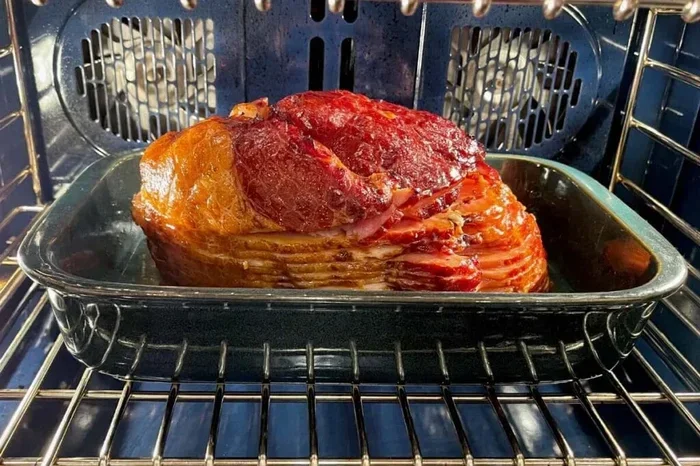
The glaze should go on during the last 20 to 25 minutes of heating. Applying it too early can cause the sugars to burn and turn bitter. The goal is a caramelized, shiny glaze that looks beautiful and tastes sweet.
Remove the ham from the oven, brush the glaze generously over the slices, and return it to the oven. Let it bake for another 20 minutes uncovered. This final step creates that gorgeous sticky coating everyone loves.
Making A Delicious Ham Glaze
Classic Brown Sugar Glaze Recipe
A simple brown sugar glaze is the most popular choice for spiral ham. It is easy to make with ingredients you probably already have in your pantry. Here is a basic recipe that works every time:
- 1 cup brown sugar
- 2 tablespoons Dijon mustard
- 1 tablespoon apple cider vinegar
- 1 tablespoon honey
- 1 teaspoon cinnamon (optional)
Mix all the ingredients in a small bowl until smooth. If the glaze is too thick, add a teaspoon of water to thin it out. The consistency should be pourable but not runny.
Brush the glaze over the ham during the last 20 minutes of baking. Use a silicone basting brush or a spoon to spread it evenly across all the slices. Let the ham finish baking uncovered so the glaze sets and caramelizes.
Alternative Glaze Ideas
If you want to mix things up, try one of these alternative glaze recipes:
- Honey Pineapple Glaze: Combine 1/2 cup pineapple juice, 1/4 cup honey, and 2 tablespoons brown sugar. Add a pinch of ginger for a tropical twist.
- Maple Mustard Glaze: Mix 1/4 cup pure maple syrup, 2 tablespoons whole grain mustard, and a dash of black pepper. This glaze pairs wonderfully with smoked ham.
- Cloves And Honey Glaze: Stir together 1/3 cup honey, 1 tablespoon whole cloves, and 2 tablespoons butter. This classic Southern-style glaze is rich and aromatic.
Quick Tip: You can also buy pre-made ham glaze from the grocery store. While homemade glaze tastes better, store-bought options are perfectly fine when you are short on time.
Serving And Storing Your Spiral Ham
How To Carve And Serve Spiral Ham
Once your ham is heated through and glazed, let it rest for 10 to 15 minutes before carving. Resting allows the juices to redistribute, which makes each slice more moist and flavorful.
To carve a spiral ham, start at the narrow end and cut slices along the natural lines. The spiral cuts are already there, so you simply follow them with your knife. Use a sharp carving knife for clean, even slices.
Place the carved slices on a serving platter. Spoon any pan juices over the top for extra moisture and flavor. Garnish with fresh herbs like parsley or rosemary for a beautiful presentation.
Spiral ham pairs well with many side dishes. Consider serving it with scalloped potatoes, green beans, roasted carrots, or a fresh fruit salad. A warm dinner roll with butter completes the meal perfectly.
Storing Leftover Ham Properly
Leftover spiral ham stores well in the refrigerator. Wrap the ham tightly in plastic wrap or aluminum foil, or place it in an airtight container. Properly stored, leftover ham stays fresh for up to five days.
If you have a lot of leftovers, consider freezing some for later use. Wrap individual slices in freezer-safe plastic and place them in a labeled freezer bag. Frozen ham keeps well for up to three months.
Common Mistake: Do not leave ham at room temperature for more than two hours. Bacteria can grow quickly on cooked meat, especially in warm rooms. When in doubt, refrigerate promptly.
Reheating Leftover Spiral Ham
To reheat leftover spiral ham, wrap individual slices in foil and warm them in the oven at 325°F for about 10 minutes. You can also reheat slices in the microwave, but the oven method preserves the texture better.
Quick Tip: Use leftover ham in sandwiches, omelets, soups, or casseroles. Spiral ham adds incredible flavor to so many dishes beyond the traditional holiday plate.
Common Mistakes To Avoid When Heating Spiral Ham
Even experienced cooks sometimes make mistakes when heating spiral ham. Here are the most common errors and how to avoid them:
- Skipping the meat thermometer: Guessing the temperature is a recipe for overcooked or undercooked ham. Always use a thermometer for accurate results.
- Heating at too high a temperature: High heat dries out the outer slices while the center stays cold. Stick with 325°F for the best outcome.
- Adding the glaze too early: Sugar burns at high temperatures. Wait until the last 20 minutes to apply your glaze.
- Forgetting to add liquid to the pan: The water or juice in the pan creates steam that keeps the ham moist. Do not skip this step.
- Leaving the ham out too long before baking: Always refrigerate the ham until you are ready to put it in the oven. Let it come to room temperature for only about 30 minutes before baking.
Expert Insight: The biggest mistake people make is rushing the process. Heating spiral ham takes time, and patience is the key to a juicy, flavorful result. Low and slow is the way to go every single time.
Frequently Asked Questions About Heating Spiral Ham
Can I heat spiral ham at a higher temperature to save time?
While you can, it is not recommended. Higher temperatures dry out the outer slices before the inside is fully warm. The 325°F standard gives you the best balance of speed and moisture. If you truly need to speed things up, consider cutting the ham into smaller pieces before heating.
Do I need to cover the ham with foil while heating?
Yes, covering the ham with foil for most of the heating time helps retain moisture. Remove the foil during the last 20 minutes when you add the glaze. This uncovered time allows the glaze to caramelize and develop a nice sticky finish.
Can I heat spiral ham on a cardboard tray?
Most spiral hams come on a cardboard tray that is oven-safe. However, check the packaging instructions to confirm. If the tray says it is not oven-safe, transfer the ham to a roasting pan before baking.
What is the best way to keep spiral ham moist?
The best way is to use a meat thermometer and not overheat the ham. Also, keeping the ham covered with foil for most of the cooking time traps moisture inside. Adding liquid to the pan, such as water or apple juice, creates steam that further prevents drying.
Can I freeze an uncooked spiral ham?
Yes, you can freeze an uncooked spiral ham. Wrap it tightly in plastic wrap and then in aluminum foil, or place it in a heavy-duty freezer bag. It will keep in the freezer for up to three months. Thaw it in the refrigerator for 24 to 48 hours before cooking or heating.
How do I know if my spiral ham is fully cooked before I heat it?
Check the label on the package. Fully cooked hams will clearly state this on the packaging. They are safe to eat right out of the package but taste much better when heated. If the label says “cook thoroughly,” the ham needs to be heated to 160°F internally before serving.
Conclusion
Heating spiral sliced ham in oven the right way is easier than most people think. By following the simple steps in this guide, you can serve a warm, juicy, and beautifully glazed ham that will impress everyone at your table.
Remember the key points: heat your oven to 325°F, plan for 10 to 15 minutes per pound, use a meat thermometer to check for 140°F internally, and add your glaze in the final 20 minutes. These fundamentals work every time, no matter the size of your ham or the occasion.
Do not be afraid to experiment with different glaze recipes and serving styles. Spiral ham is a versatile dish that works for casual family dinners and holiday feasts alike. Once you master the basics, you can make it your own.
Now that you know how to heat spiral sliced ham in oven the right way, it is time to put this knowledge into action. Grab your next spiral ham, preheat the oven, and enjoy the process of creating a memorable meal. Your family and guests will thank you for it.