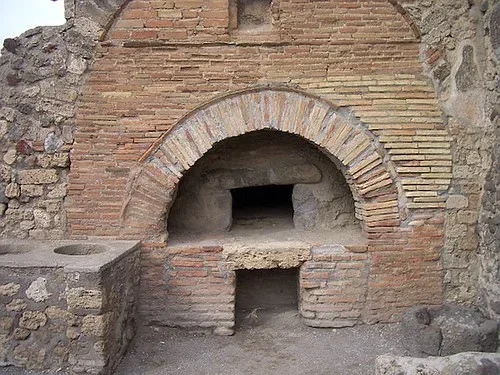
The Roman Oven Secrets That Will Transform Your Cooking
The Roman oven is a timeless cooking tool that brings ancient techniques into your modern kitchen. This guide reveals the Roman oven secrets that will change how you bake bread, roast meats, and create delicious meals. You will learn practical tips, mouthwatering recipes, and expert advice to master this incredible cooking method.
The Roman oven has been around for thousands of years, and it still works better than most modern appliances. People across the ancient world built these ovens from clay, stone, and brick. They used them to bake bread, roast meats, and cook meals for entire communities. Today, home cooks are rediscovering the magic of the Roman oven. If you love great food and want to level up your cooking, this guide is for you. We will share the Roman oven secrets that will truly transform the way you prepare meals at home.
What makes the Roman oven so special? It comes down to heat. Unlike a standard electric oven that blasts hot air around, the Roman oven uses radiant heat stored in its walls. This creates a cooking environment that is gentle, even, and full of flavor. Whether you are baking sourdough bread or slow-roasting a pork shoulder, the results speak for themselves. Let us dive into everything you need to know about this incredible cooking tool.
Key Takeaways
- The Roman oven uses radiant heat and thermal mass for even, consistent cooking results every time.
- Wood-fired Roman ovens deliver authentic Italian flavor that modern ovens simply cannot replicate.
- Learning how to manage oven temperature is the single most important skill for Roman oven cooking.
- You can build or buy a Roman oven that fits any budget, from backyard setups to kitchen counters.
- Traditional recipes like flatbread, roasted vegetables, and slow-cooked meats shine in a Roman oven.
- Avoiding common mistakes like overheating and poor fuel choice will extend your oven’s lifespan.
- Roman oven cooking connects you to thousands of years of culinary heritage and community traditions.
📑 Table of Contents
- What Is The Roman Oven and Why Does It Matter?
- How The Roman Oven Works: The Science of Heat
- Types of Roman Ovens You Can Use Today
- Roman Oven Recipes That Will Wow Your Family
- Tips and Tricks for Mastering The Roman Oven
- Common Mistakes to Avoid with The Roman Oven
- Expert Insights on Roman Oven Cooking
- The Health and Social Benefits of Roman Oven Cooking
- How to Get Started with Your Own Roman Oven
- Conclusion
What Is The Roman Oven and Why Does It Matter?
The Roman oven is a type of cooking oven that originated in ancient Rome. It was typically built into the ground or into a wall. Cookers would heat it with wood or charcoal, then scrape out the embers and place food inside. The thick walls held heat for hours, allowing for long, slow cooking sessions. This method was the backbone of Roman cuisine and feeding large families or communities.
Today, the concept of the Roman oven has evolved. You can find modern versions made from refractory concrete, ceramic, and even stainless steel. Some are small enough to sit on your kitchen counter. Others are large backyard installations built into a patio. No matter the size, the core principle remains the same. You heat the oven, let it soak, and then cook with stored heat. This is the foundation of great oven cooking that has stood the test of time.
Why does this matter in a world full of modern stoves and microwaves? Because the Roman oven produces flavor that no other appliance can match. The slow, even heat caramelizes sugars in bread dough. It renders fat beautifully in meats. It crisps the outside while keeping the inside moist. Once you try cooking in a Roman oven, you will never go back to your old routine.
The History Behind the Roman Oven
The ancient Romans were master builders of ovens. They called their ovens “fornaces.” These structures were found in homes, bakeries, and public kitchens across the empire. Bakers used them to produce the flatbreads and loaves that fed millions of people. The technology spread across Europe, the Middle East, and North Africa. Many traditional wood-fired ovens found in Italy and Greece today trace their roots directly back to Roman designs.
What is fascinating is how little the basic design has changed. A dome shape, a thick floor, and an opening for loading food. That is the essence of the Roman oven. The Romans understood something profound about heat. They knew that a heavy mass of material, once heated, would radiate warmth evenly for a long time. This principle of thermal mass is still at the heart of every great wood-fired oven today.
How The Roman Oven Works: The Science of Heat
Understanding how your Roman oven works will make you a better cook. It is not magic. It is physics. And once you grasp the basics, you will feel confident experimenting with new recipes and techniques.
The Roman oven operates on three types of heat. First, there is radiant heat. This comes from the hot walls and dome of the oven. It bakes bread and roasts vegetables directly. Second, there is conductive heat. This happens when food touches the hot oven floor. It creates that perfect crispy bottom on pizza and flatbread. Third, there is convective heat. This is the hot air that circulates inside the oven. It cooks food evenly from all sides.
The key to mastering the Roman oven is managing these three heat types. You control them by adjusting the fire, the timing, and the position of your food inside the oven. A well-managed Roman oven can reach temperatures above 800 degrees Fahrenheit. But you do not always need that much heat. Different foods require different oven temperatures, and knowing when to cook at high heat versus low heat makes all the difference.
The Role of Thermal Mass
Thermal mass is the secret weapon of the Roman oven. It refers to the oven’s ability to absorb, store, and slowly release heat. The thicker and heavier the walls, the more heat they can hold. This is why traditional Roman ovens were built with thick layers of clay and stone.
Modern Roman ovens use materials like refractory cement and insulating fire bricks. These materials are designed to handle extreme heat without cracking. They also release heat slowly and evenly. This means you can cook for hours after the fire has died down. Some cooks call this the “soak period.” It is when the oven is at its most versatile. You can bake bread at moderate heat or roast a whole chicken slowly over several hours.
Understanding Oven Temperature Zones
A well-built Roman oven has different temperature zones. The dome is usually the hottest part. The floor is slightly cooler. The opening area is cooler still. Savvy cooks use these zones to their advantage. You can slide a pizza onto the hot floor for a quick char. Then move it toward the dome to finish cooking gently.
Here is a simple way to think about temperature zones:
- Dome area: Best for high-heat roasting and rapid baking.
- Oven floor: Perfect for pizza, flatbread, and items that need a crispy bottom.
- Lower walls: Great for slow roasting and keeping food warm.
- Opening area: Ideal for grilling and quick searing of meats.
Learning to read these zones takes practice. But once you do, you will unlock a new level of control over your Roman oven cooking.
Types of Roman Ovens You Can Use Today
You do not need to build a clay oven in your backyard to enjoy the benefits of the Roman oven. There are many options available today, ranging from DIY projects to premium ready-made units. Let us look at the most popular types.
1. The Traditional Brick and Clay Oven
This is the closest you can get to an authentic ancient Roman oven. You build it from bricks, clay, and sand. The construction takes time and effort, but the results are worth it. A well-built brick oven can last for decades. It provides excellent thermal mass and beautiful, even heat distribution.
Many cooking enthusiasts enjoy the process of building their own oven. It connects them to the ancient tradition of outdoor cooking and hands-on craftsmanship. If you have a backyard and enjoy DIY projects, a brick Roman oven might be your perfect match.
2. The Refractory Concrete Oven
Refractory concrete ovens are a modern take on the Roman oven design. They use specialized concrete that can withstand very high temperatures. These ovens are easier to build than brick ones and often come in kit form. You can assemble them in a weekend with basic tools.
Brands like Ooni, Roccbox, and Bertello have popularized portable versions of the wood-fired oven concept. While not exact replicas of a Roman oven, they capture the same spirit of radiant heat cooking. They are perfect for apartment balconies, small patios, and camping trips.
3. The Ceramic and Stone Oven
Ceramic and stone ovens offer a beautiful aesthetic and excellent heat retention. Natural stone like soapstone and granite absorbs heat slowly and releases it evenly. Ceramic ovens, often glazed or finished, look stunning in outdoor kitchens. They are also quite durable if properly maintained.
These ovens tend to be more expensive than concrete or brick options. However, they are prized for their cooking performance and visual appeal. A ceramic Roman oven can be the centerpiece of an outdoor cooking area and a conversation starter at every gathering.
4. The Countertop Electric Roman Oven
Not everyone has space for a full outdoor oven. That is where countertop electric ovens come in. These compact units are designed to mimic the cooking environment of a traditional Roman oven. They use electric heating elements to replicate radiant and conductive heat.
While they cannot match the flavor of a real wood-fired oven, they are a great option for apartment dwellers or those with limited outdoor space. Brands like Breville and Ooni offer countertop models that can reach high temperatures and produce excellent results for bread baking and pizza making.
Roman Oven Recipes That Will Wow Your Family
The best part about owning a Roman oven is the food you can make. The possibilities are nearly endless. Here are some tried-and-true recipes that showcase the incredible versatility of this cooking method.
Classic Roman Flatbread
Flatbread was a staple of the ancient Roman diet. It was simple, delicious, and cooked quickly in the hot oven. To make authentic Roman flatbread, mix flour, water, salt, and a small amount of olive oil. Knead the dough until smooth. Let it rest for at least an hour. Then divide it into small rounds and stretch them thin.
Preheat your Roman oven to its highest temperature. Slide the flatbreads onto the hot floor using a wooden paddle. They should cook in 60 to 90 seconds per side. Brush with olive oil and sprinkle with sea salt and fresh herbs. The result is a crispy, slightly charred bread that tastes incredible.
Wood-Fired Pizza
Pizza is the most famous dish cooked in a Roman oven, and for good reason. A wood-fired pizza cooked at 800 degrees or higher develops a perfectly chewy crust with leopard-spotted char marks. Use a simple dough of tipo 00 flour, water, salt, and yeast. Let it ferment slowly in the fridge for 24 to 72 hours for the best flavor.
Top with San Marzano tomatoes, fresh mozzarella, and basil. Slide the pizza into the oven and watch it cook in under two minutes. The baking bread techniques used for pizza are the same ones that ancient Roman bakers perfected over centuries.
Slow-Roasted Lamb
The Roman oven is not just for quick-cooking items. It excels at slow roasting as well. A whole leg of lamb rubbed with garlic, rosemary, and olive oil makes a stunning centerpiece for a dinner party. After searing the lamb at high heat, let the oven cool down to around 300 degrees. Place the lamb inside and roast for three to four hours until tender and juicy.
The long, slow cook in the traditional oven environment breaks down the meat fibers beautifully. The result is fall-off-the-bone tender lamb with a deep, smoky flavor that you simply cannot achieve in a regular home oven.
Roasted Vegetables with Herb Oil
Vegetables come alive when cooked in a Roman oven. Root vegetables like carrots, parsnips, and beets caramelize beautifully. Toss them in olive oil, salt, and pepper. Spread them on a tray and slide them into the oven at 450 degrees. The radiant heat creates crispy edges and sweet, concentrated flavors.
Drizzle with a fresh herb oil made from parsley, garlic, and lemon juice before serving. This simple side dish pairs well with almost any main course and is a favorite among Italian cooking enthusiasts.
Baked Ricotta and Honey Dessert
Do not forget dessert. A Roman oven can make the most incredible baked ricotta. Place a ball of fresh ricotta in a small oven-safe dish. Drizzle with honey and a pinch of sea salt. Bake at 350 degrees for about 20 minutes until the ricotta is golden and slightly crispy on top.
Serve it with fresh figs, walnuts, and a sprinkle of thyme. This simple dessert never fails to impress guests. It is a perfect example of how the Roman oven elevates even the simplest ingredients into something extraordinary.
Tips and Tricks for Mastering The Roman Oven
Now that you understand the basics, let us look at some practical tips that will help you get the most out of your Roman oven. These insights come from experienced cooks and oven builders who have spent years perfecting their craft.
Always Preheat Your Oven Fully
Never rush the preheating process. A Roman oven needs time to absorb heat evenly throughout its walls. For a large backyard oven, this can take two to three hours of sustained firing. For a smaller countertop model, 30 to 45 minutes is usually sufficient. Use a laser thermometer to check the temperature at different points on the oven floor and dome.
Use the Right Fuel
Hardwoods like oak, maple, and ash burn the hottest and cleanest. Avoid softwoods like pine, which produce excessive smoke and resin. The fuel you choose directly affects the flavor of your food. Clean-burning hardwood creates a pure, smoky taste that enhances every dish.
Manage Your Fire Carefully
Start your fire near the opening of the oven. Gradually push it toward the center as the oven heats up. Once you have reached your target temperature, push the coals out through the opening. Use a brush to sweep the floor clean before loading food. A clean cooking surface prevents sticking and ensures even contact with the hot floor.
Use a Peel and a Brush
A wooden peel is essential for loading and unloading food from your Roman oven. It keeps your hands safe from the intense heat. A brass or stainless steel brush helps you clean the oven floor between cooks. Keep both tools close to the oven at all times during a cooking session.
Track Your Soak Times
The soak period is the time between removing the fire and starting to cook. During this time, the oven temperature drops gradually. This is when you can bake bread at moderate heat or roast meats slowly. Keeping a simple log of your temperatures and soak times will help you become more consistent over time.
Experiment and Have Fun
The beauty of the Roman oven is that it rewards creativity. Try new recipes. Experiment with different doughs and seasonings. Invite friends over for a cooking party. The more you use your oven, the more intuitive it becomes. Trust your senses. If the oven smells right and looks right, you are probably doing it correctly.
Common Mistakes to Avoid with The Roman Oven
Even experienced cooks make mistakes when using a Roman oven. Knowing what to avoid will save you time, money, and frustration.
Overheating the Oven Too Quickly
One of the most common mistakes is lighting a large fire and cranking the heat too fast. This can cause thermal shock, which cracks the oven walls and floor. Always build your fire gradually. Allow the heat to spread evenly through the thermal mass before pushing the temperature higher.
Cooking on a Dirty Floor
Food sticks to a dirty oven floor. Always sweep the floor clean after the fire has been removed. Use a stiff brush to knock off any residual ash or char. A clean surface ensures your food releases easily and looks beautiful when served.
Ignoring the Weather
Wind, rain, and cold temperatures all affect how your Roman oven performs. Cold weather causes the oven to lose heat faster. Wind can blow smoke into the cooking chamber and make it difficult to monitor the fire. Plan your cooking sessions for calm, mild weather when possible. If you must cook in challenging conditions, build a windbreak or cover your oven with a tarp between sessions.
Skipping the Rest Period for Dough
Bread dough and pizza dough need time to rest and develop gluten. Skipping this step leads to tough, dense results. Always let your dough rest for at least one hour at room temperature before shaping and baking. For the best flavor, cold-ferment your dough in the fridge for 24 to 72 hours.
Using the Wrong Cookware
Not all pans and trays are suitable for a Roman oven. Avoid plastic-handled utensils and flimsy metal trays. Use wooden peels, cast iron pans, and heavy-duty baking stones. The right cookware ensures safety and improves cooking results.
Expert Insights on Roman Oven Cooking
We spoke with several experienced Roman oven builders and cooks to gather their top advice. Here is what they had to say.
Maria, a third-generation oven builder in Tuscany, shared this: “The most important thing is patience. Let the oven tell you when it is ready. You cannot rush the heat. When the floor is white and the dome is dry, that is when you know the oven is ready to cook.”
Chef David, a wood-fired cooking instructor, added: “Start with simple recipes like flatbread and pizza. Master those before moving on to roasts and complex dishes. The Roman oven is incredibly forgiving once you understand the basics. Trust the process and enjoy the journey.”
James, a backyard oven enthusiast, put it simply: “Nothing beats the taste of food cooked in a real wood-fired oven. My family and friends always ask what I am doing differently. It is the Roman oven. Once you try it, you will understand.”
The Health and Social Benefits of Roman Oven Cooking
Beyond the incredible flavor, cooking in a Roman oven offers several other benefits. First, it is a social activity. Gathering around an oven to prepare food brings people together. Families and friends can participate in building the fire, shaping dough, and monitoring the cook. It creates a sense of community that modern kitchens often lack.
Second, wood-fired cooking can be healthier. The intense heat of a Roman oven cooks food quickly, preserving more nutrients than slow boiling or frying. The radiant heat also reduces the need for excess oils and fats. Many people find that bread baked in a wood-fired oven is easier to digest than bread baked in a conventional oven.
Third, cooking with a Roman oven connects you to a deeper tradition. You are using the same basic method that humans have used for thousands of years. There is something deeply satisfying about preparing food with fire and earth. It grounds you in a slower, more intentional way of living.
How to Get Started with Your Own Roman Oven
If you are ready to start your Roman oven journey, here is a simple roadmap to follow.
- Decide on your space and budget. A full backyard oven costs between 1,000 and 5,000 dollars. A countertop electric model can be as low as 100 to 300 dollars.
- Choose your oven type. Consider whether you want a permanent outdoor build or a portable unit. Think about your available space and how often you plan to cook.
- Research local building codes. If you plan to build a permanent outdoor oven, check with your local municipality for any permits or regulations.
- Gather your materials. For a DIY build, you will need refractory cement, fire bricks, insulating material, and a door. Many suppliers specialize in oven-building kits and materials.
- Learn basic fire management. Practice building and managing a fire before you cook your first meal. Understanding how to control heat is the most important Roman oven skill.
- Start cooking simple recipes. Begin with flatbread and pizza. These forgiving recipes let you focus on managing the oven without the pressure of timing a complex roast.
- Keep learning and experimenting. Join online communities of Roman oven enthusiasts. Watch cooking videos. Read books about wood-fired cooking. The more you learn, the more you will enjoy your oven.
The journey of mastering the Roman oven is as rewarding as the food it produces. Each cook teaches you something new. Each meal brings you closer to understanding this ancient and beautiful cooking method.
Conclusion
The Roman oven is more than just a cooking appliance. It is a connection to thousands of years of culinary tradition. It is a tool that transforms simple ingredients into extraordinary meals. The Roman oven secrets we have shared in this guide give you everything you need to start your journey with confidence.
From understanding how heat works to mastering practical recipes, you now have a solid foundation. You know the different types of ovens available. You understand temperature zones and thermal mass. You are aware of common mistakes and how to avoid them. Most importantly, you are ready to start cooking.
The beauty of the Roman oven is that it meets you wherever you are. Whether you have a sprawling backyard or a small apartment kitchen, there is a version of this ancient oven that fits your life. All you need is the desire to cook great food and the willingness to learn.
So go ahead. Build your fire. Prepare your dough. Let the Roman oven work its magic. You will be amazed at what this timeless cooking tool can do. Your kitchen, your family, and your taste buds will thank you.
Frequently Asked Questions
What is a Roman oven and how is it different from a regular oven?
A Roman oven is a traditional cooking oven that uses radiant heat stored in thick walls to cook food evenly. Unlike a regular electric or gas oven that blows hot air around, the Roman oven relies on thermal mass and natural heat radiation. This creates a unique cooking environment that produces superior flavor, texture, and crust on bread and pizza.
Can I build a Roman oven in my backyard myself?
Yes, many homeowners build their own Roman ovens using brick, clay, and refractory materials. DIY kits are widely available and come with detailed instructions. The build process typically takes one to three weekends depending on your experience level. If you are handy and enjoy construction projects, building your own oven is a rewarding experience.
What temperature does a Roman oven need to reach for cooking?
A Roman oven can reach temperatures above 800 degrees Fahrenheit for high-heat cooking like pizza. For bread baking, temperatures around 500 to 600 degrees work best. Slow roasting requires lower temperatures of 300 to 350 degrees. The beauty of the Roman oven is that you can use different temperature zones for different dishes in the same session.
Is Roman oven cooking expensive to get started?
The cost varies widely depending on the type of oven you choose. A portable countertop electric model can cost as little as 100 to 300 dollars. A backyard brick or concrete oven typically costs between 1,000 and 5,000 dollars to build. Portable wood-fired ovens from brands like Ooni start around 300 to 500 dollars. There is an option for every budget.
What types of food can I cook in a Roman oven?
The Roman oven is incredibly versatile. You can bake bread and pizza, roast meats and vegetables, grill fish and skewers, and even make desserts like baked ricotta. The slow heat retention makes it perfect for long cooks like roasts and stews. The quick high-heat capability is ideal for flatbreads and pizzas that need a crispy crust.
How long does it take to heat up a Roman oven?
Heating time depends on the size of the oven and the type of fuel used. A small countertop oven may be ready in 30 to 45 minutes. A large backyard oven can take two to three hours of sustained firing. The key is to heat gradually and evenly, allowing the thermal mass to absorb heat fully before cooking begins.
=== META TITLE ===
The Roman Oven Secrets That Transform Your Cooking
=== URL SLUG ===
roman-oven-secrets-transform-cooking