What Temp Do I Put Steak In Oven For Perfect Results
Cooking steak in the oven is easier than you think when you know the right temperature and technique. Whether you prefer a rare ribeye or a well-done filet, setting your oven to the correct steak oven temperature makes all the difference. This guide walks you through every step, from prep to plating, so you can bake steak in oven like a pro.
There is nothing quite like a perfectly cooked steak fresh from the oven. The aroma fills the kitchen, the edges turn golden brown, and the center stays exactly the way you like it. But here is the thing most people get wrong: what temp do I put steak in oven. The answer matters more than you might think.
Setting the right steak oven temperature can mean the difference between a tough, dry piece of meat and a juicy, tender masterpiece. Whether you are a beginner in the kitchen or a seasoned home cook looking to refine your technique, this guide covers everything you need to know. We will walk through temperatures, times, methods, and tips so your next oven-baked steak turns out amazing.
Let us be honest. Many people feel intimidated by cooking steak in the oven. They worry about undercooking or overcooking it. They wonder if they need fancy equipment. The truth is, you do not need much. A basic oven, a good pan, and a meat thermometer are all you really need. By the end of this article, you will feel confident enough to cook steak in oven like a professional chef.
Key Takeaways
- 400°F to 450°F is the sweet spot for most oven steak recipes, depending on thickness and desired doneness.
- Sear first, then oven or use the reverse sear method for even cooking and a perfect crust.
- Always use a meat thermometer to check internal temperature for consistent results.
- Let your steak rest for 5 to 10 minutes after cooking to lock in juices.
- Steak thickness and cut type (ribeye, filet, sirloin) affect cooking time and temperature.
- Avoid common mistakes like skipping the sear, overcooking, or not resting the meat.
- Cast iron skillets and oven-safe pans work best for stovetop-to-oven steak cooking.
📑 Table of Contents
- The Best Oven Temperature for Steak
- How to Cook Steak in the Oven Step by Step
- Steak Doneness: Internal Temperatures Explained
- Reverse Sear vs. Traditional Oven Method
- Common Mistakes to Avoid When Baking Steak
- Pro Tips for Perfect Oven Steak Every Time
- Common Questions About Steak Oven Cooking
- Conclusion
The Best Oven Temperature for Steak
When it comes to what temp do I put steak in oven, there is no single magic number. The ideal temperature depends on a few factors. These include the thickness of your steak, the cut of meat, and how done you want it. But here is a general rule that works for most situations.
For a standard steak that is about one inch thick, 400°F to 425°F works great. This range gives you a nice sear on the outside while keeping the inside moist. If your steak is thicker, say two inches or more, you might want to drop the temperature to 350°F to 375°F. This allows the heat to cook the center more gently without burning the edges.
Temperature Guide by Steak Thickness
- Thin steaks (less than 1 inch): Use 425°F to 450°F. Cook for about 8 to 12 minutes.
- Medium steaks (1 to 1.5 inches): Use 400°F to 425°F. Cook for about 12 to 18 minutes.
- Thick steaks (1.5 to 2 inches): Use 375°F to 400°F. Cook for about 18 to 25 minutes.
- Extra thick steaks (2+ inches): Use 350°F to 375°F. Cook for about 25 to 35 minutes.
These are starting points. Always adjust based on your oven and how you like your steak cooked. The beauty of using an oven is that it provides even heat, which means fewer hot spots and more consistent results compared to just using a stovetop.
How Cut Type Affects Temperature
Not all steaks are created equal. A thick ribeye has more marbling than a lean filet mignon. This fat content changes how the steak behaves in the oven. Ribeye can handle higher temperatures because the fat keeps it juicy. Filet mignon, being leaner, benefits from a slightly lower oven temp to prevent it from drying out.
Similarly, a sirloin steak falls somewhere in between. It has a good amount of flavor and some marbling. Most people find that 400°F hits the sweet spot for sirloin. No matter which cut you choose, understanding how the meat reacts to heat helps you make better decisions.
How to Cook Steak in the Oven Step by Step
Now that you know the right steak oven temperature, let us talk about the actual process. Cooking steak in the oven is straightforward once you know the steps. Follow this method and you will get great results every single time.
Step 1: Prep Your Steak
Take your steak out of the fridge about 30 minutes before cooking. This lets it come closer to room temperature. Cold steak cooking leads to uneven results, with the outside overcooked before the center is done. Pat the steak dry with paper towels. Moisture on the surface creates steam, which prevents a good sear later.
Season generously with salt, pepper, and any other spices you enjoy. Garlic powder, smoked paprika, and dried herbs all work well. Keep it simple if you are not sure. Salt and pepper alone can produce incredible flavor on a good quality steak.
Step 2: Preheat the Oven
Preheat your oven to the temperature you have chosen based on thickness. Do not skip this step. Putting steak into a cold oven leads to uneven cooking and longer preparation times. Most ovens take about 10 to 15 minutes to reach the target temperature.
Step 3: Sear the Steak (Optional but Recommended)
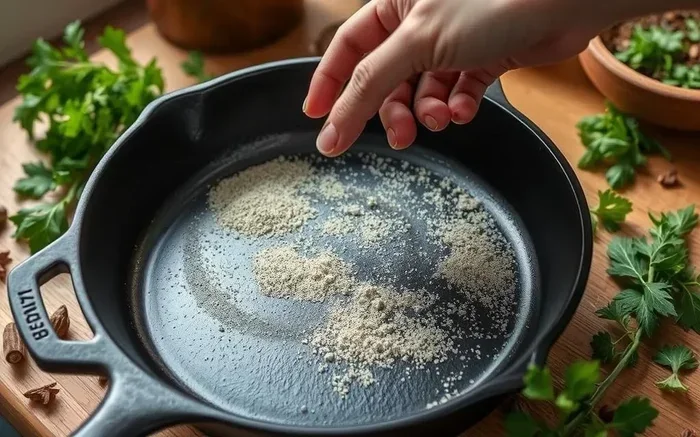
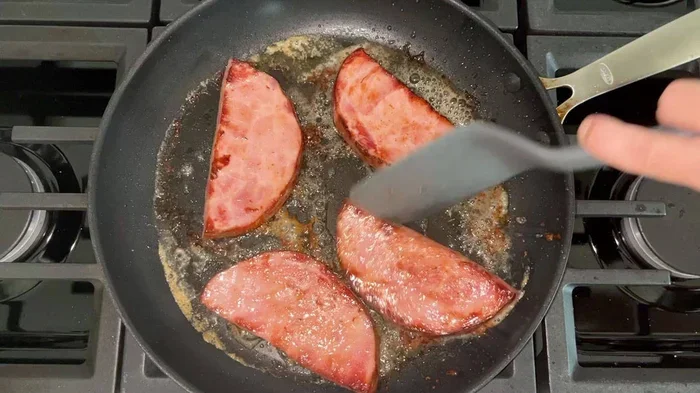
While the oven heats, heat a cast iron skillet on the stovetop over high heat. Add a small amount of oil with a high smoke point, like avocado oil or grapeseed oil. Once the pan is smoking hot, place the steak in. Sear each side for about 1 to 2 minutes. This creates a flavorful crust that adds texture and depth.
If you do not want to sear first, you can go straight to the oven. The result will be different, but still tasty. The sear is not mandatory, but it does make a noticeable difference in flavor.
Step 4: Transfer to the Oven
Place the seared steak on an oven-safe pan or directly in the skillet if it is oven-safe. Put it in the preheated oven on the middle rack. The middle position ensures even heat circulation around the steak. Avoid placing it too close to the top or bottom elements, as this can cause uneven cooking.
Step 5: Check Internal Temperature
This is the most important step. Use a meat thermometer inserted into the thickest part of the steak. Do not touch the bone or the pan. The thermometer gives you an accurate reading of what is happening inside the meat.
For rare, pull the steak at 120°F to 125°F. For medium rare, aim for 130°F to 135°F. Medium comes in at 140°F to 145°F. Medium well is 150°F to 155°F, and well done is 160°F and above. Remember that the temperature will rise 5 to 10 degrees while the steak rests.
Step 6: Rest the Steak
Take the steak out of the oven and let it rest on a cutting board for at least 5 to 10 minutes. This resting period allows the juices to redistribute throughout the meat. If you cut into it right away, those juices will run all over the plate instead of staying inside the steak.
Some people tent the steak loosely with aluminum foil during resting. This works, but do not wrap it tightly. A tight wrap traps too much steam and can soften the crust you worked so hard to create.
Steak Doneness: Internal Temperatures Explained
Understanding steak internal temperature is the key to nailing your cook every time. Different people like their steak prepared differently, and that is perfectly fine. The table below breaks down the levels and what to expect.
- Rare (120°F to 125°F): Cool red center. Very soft texture. Best for those who love a raw, juicy steak.
- Medium Rare (130°F to 135°F): Warm red center. This is the most popular level for a reason. It brings out the best flavor and tenderness.
- Medium (140°F to 145°F): Pink center. Slightly firmer but still juicy. A great starting point for beginners.
- Medium Well (150°F to 155°F): Slight pink hint. Firmer texture. Less juicy than lower levels.
- Well Done (160°F+): No pink at all. Very firm. Not recommended for quality cuts as it dries out the meat.
The best tool for checking steak doneness levels is a digital instant-read thermometer. They cost under twenty dollars and take the guesswork out of cooking. If you are serious about making great steak, this is one purchase you will not regret.
Why Resting Temperature Matters
Keep in mind that carryover cooking happens after you pull the steak from the oven. The internal temperature continues to rise by about 5 to 10 degrees. This means you should pull the steak a few degrees before it reaches your target temp. For example, if you want medium rare at 135°F, pull it at 130°F and let it rest.
This concept is one of the most overlooked parts of how to cook steak in oven. Many people leave the steak in too long because they do not account for carryover cooking. A little patience and a thermometer save the day.
Reverse Sear vs. Traditional Oven Method
There are two main approaches to baking steak in oven: the traditional method and the reverse sear method. Both have their merits, and knowing when to use each one puts you ahead of most home cooks.
The Traditional Method
The traditional method involves searing the steak on the stovetop first and then finishing it in the oven. This works well for steaks that are about one inch thick or less. The high heat from the pan creates a crust, and the oven finishes cooking the center gently.
The advantage of this method is speed. You can go from raw to done in about 20 to 30 minutes. The downside is that it can be harder to control the internal temperature, especially if you are new to cooking steak.
The Reverse Sear Method
The reverse sear flips the process. You start in the oven at a low temperature, around 250°F to 275°F, and cook the steak slowly until it is about 10 degrees below your target internal temperature. Then you sear it in a hot skillet for about one minute per side.
This method gives you incredible control over doneness. The low oven temp cooks the steak evenly from edge to edge. The final sear adds a beautiful crust without overcooking the center. It works especially well for thick steaks, two inches or more.
If you have ever wondered about what temp do I put steak in oven for the reverse sear, the answer is much lower than the traditional method. Low and slow is the name of the game here.
Which Method Should You Use?
- Choose the traditional method for thinner steaks and when you want faster results.
- Choose the reverse sear for thick cuts and when precision matters most.
- Experiment with both to find what works best for your taste and equipment.
Common Mistakes to Avoid When Baking Steak
Even experienced cooks make mistakes sometimes. Knowing what to avoid saves you from a disappointing meal. Here are the most common errors people make when cooking steak in oven.
Starting with a Cold Steak
Never put a cold steak straight from the fridge into a hot oven. The outside will cook much faster than the inside, leading to uneven results. Always let your steak sit at room temperature for 20 to 30 minutes before cooking. This small step makes a big difference.
Skipping the Sear
While you can bake a steak without searing it first, the result will be noticeably different. The sear adds flavor through the Maillard reaction, which creates those complex, savory notes that make steak so delicious. Skipping it is like making a burger without a grill mark. It still tastes fine, but it is not the same.
Not Using a Meat Thermometer
Relying on time alone is a recipe for inconsistency. Every oven is different. Every steak is different. A meat thermometer removes all the guesswork. It is the single most important tool for anyone who wants to cook steak in oven regularly.
Cutting Into the Steak Too Soon
We touched on this earlier, but it bears repeating. Cutting into your steak right after it comes out of the oven releases all those juices onto the cutting board. Give it time to rest. Five to ten minutes is all it takes to make a noticeable difference in juiciness.
Overcrowding the Pan
If you are cooking multiple steaks, give them space. Overcrowding the pan traps steam and prevents proper searing. Each steak should have room to breathe. If necessary, cook them in batches.
Pro Tips for Perfect Oven Steak Every Time
Here are some extra tips that separate good steak from great steak. These small details add up to make a big impact on your final result.
Choose the Right Pan
A cast iron skillet is the gold standard for oven steak. It holds heat beautifully and creates an even sear. If you do not have cast iron, an oven-safe stainless steel pan works well too. Avoid nonstick pans for searing, as they do not get hot enough to create a proper crust.
Use the Right Rack Position
Place your steak on the middle oven rack for the most even cooking. If you want a crispier top, move it to the upper third of the oven during the last few minutes. This mimics the effect of a broiler without the risk of burning.
Let the Steak Rest at Room Temperature
We mentioned this before, but it deserves repeating. Room temperature steak cooks more evenly than cold steak. This one simple habit improves your results more than almost anything else you can do.
Add Butter and Herbs at the End
After resting your steak, try adding a small pat of butter and fresh herbs like thyme or rosemary. This adds richness and aroma that takes your steak to the next level. It is a restaurant trick that works beautifully at home.
Slice Against the Grain
When it is time to cut, always slice against the grain. This shortens the muscle fibers and makes each bite more tender. If you are not sure which direction the grain runs, look for the lines of muscle fiber and cut perpendicular to them.
Experiment with Different Seasonings
Salt and pepper are classics, but do not be afraid to get creative. A dry rub with smoked paprika, cumin, and brown sugar adds a barbecue twist. A simple mix of garlic, rosemary, and olive oil brushed on before the oven gives an Italian flair. The possibilities are endless.
Know Your Oven
Every oven has hot spots and temperature variations. Get to know yours. An oven thermometer placed inside can reveal if your oven runs hot or cold. Once you know its quirks, you can adjust accordingly and get consistent results every time.
Common Questions About Steak Oven Cooking
People ask a lot of questions about what temp do I put steak in oven. Here are answers to some of the most frequently asked ones.
Can I cook steak in the oven without searing it first? Yes, you can. The result will be different, with less crust and flavor, but it is still a valid method. This approach works well for leaner cuts like filet mignon where you want a more gentle cooking process.
How long should I let my steak rest? A minimum of five minutes for thin steaks and up to ten minutes for thick cuts. The resting time allows the juices to settle back into the meat fibers.
Is it better to bake or broil steak in the oven? Baking uses indirect heat and is better for thicker steaks. Broiling uses direct top heat and works well for thinner cuts. Both methods produce great results when done correctly.
What is the best steak for oven cooking? Ribeye, New York strip, and filet mignon all work wonderfully. Choose a cut with at least one inch of thickness for best results.
Can I use a wire rack in the oven? Absolutely. Placing your steak on a wire rack set over a baking sheet allows air to circulate underneath, promoting even cooking and a crispier crust on all sides.
How do I reheat leftover steak in the oven? Set your oven to 250°F and warm the steak slowly for about 10 to 15 minutes. This gentle reheating prevents the meat from drying out and preserves its tenderness.
Conclusion
Cooking steak in the oven does not have to be complicated. The key is knowing what temp do I put steak in oven and following a solid process. Whether you choose 400°F for a quick cook or 250°F for a slow reverse sear, the right temperature paired with proper technique delivers incredible results every time.
Remember to always use a meat thermometer, let your steak rest, and take the time to sear it for maximum flavor. These small efforts add up to a steak that rivals anything you would find at a fancy restaurant. Practice makes perfect, so do not get discouraged if your first few attempts are not flawless.
Now that you have all the knowledge you need, it is time to put it into action. Pick up your favorite cut, preheat the oven, and start cooking. With the right steak oven temperature and a little patience, you will be enjoying perfect oven-baked steak in no time. Happy cooking!